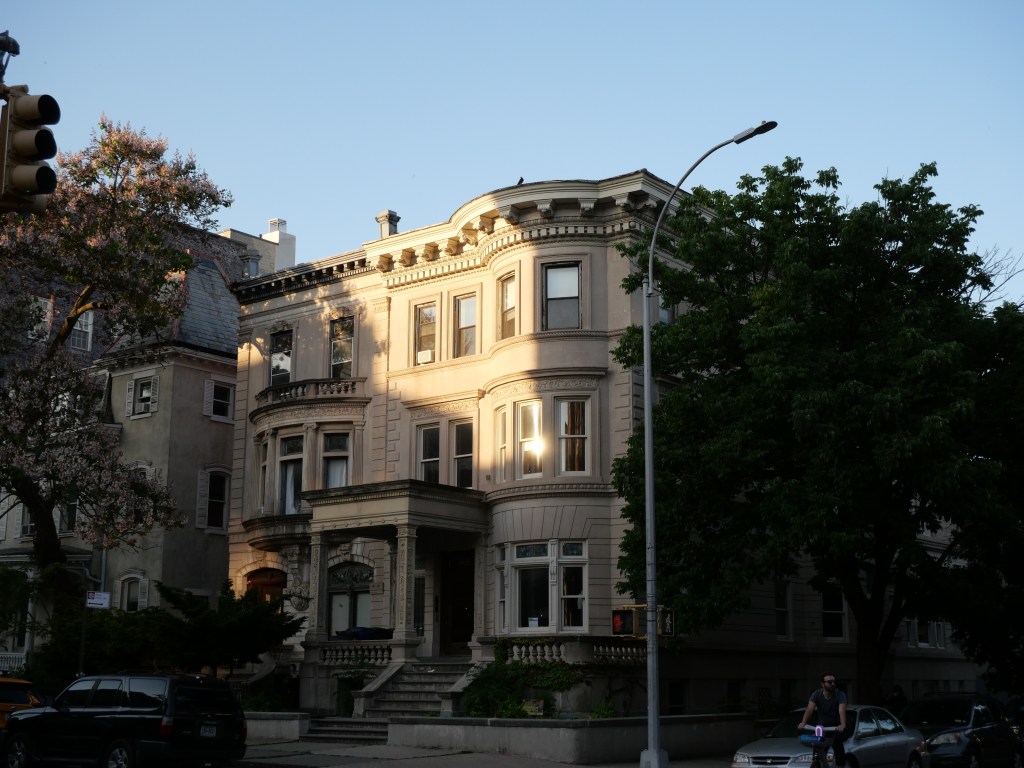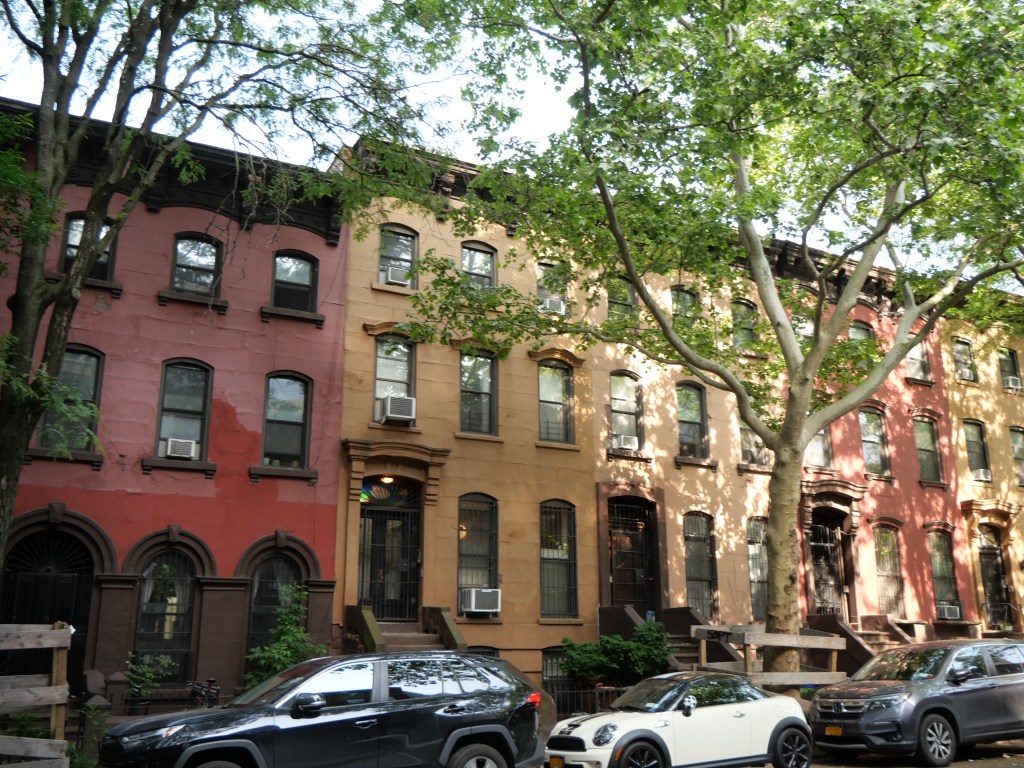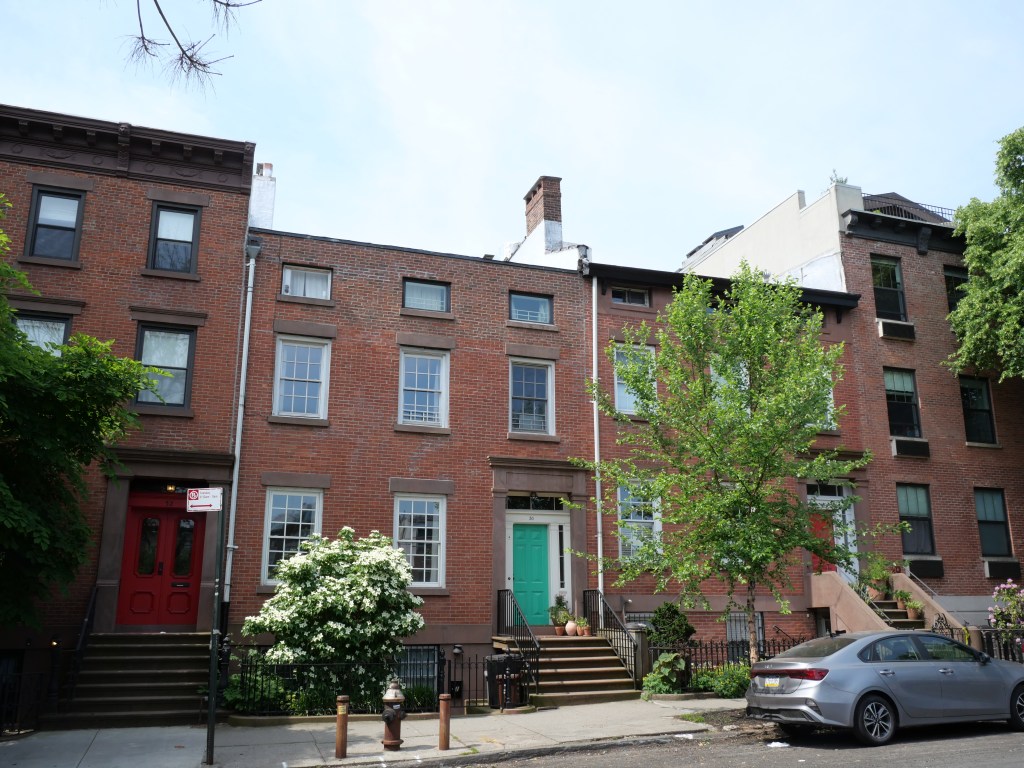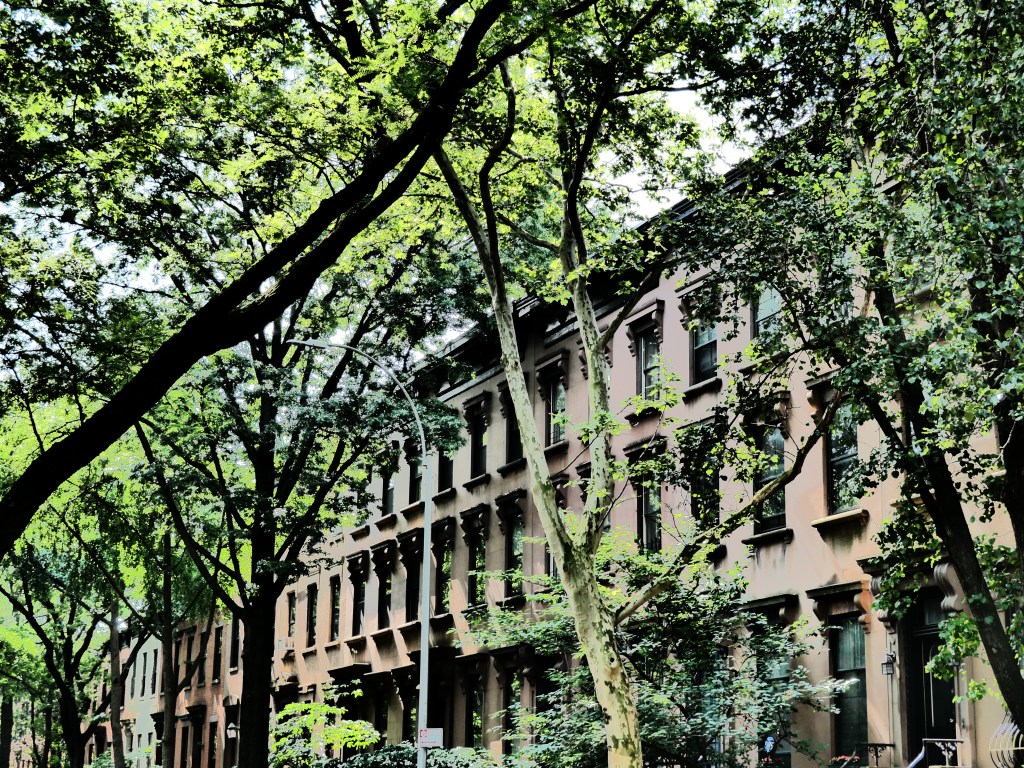
Summit Hill- Historically Home to Saint Paul’s Wealthiest Citizens and Retains one of the Largest Collections of Victorian Homes in America

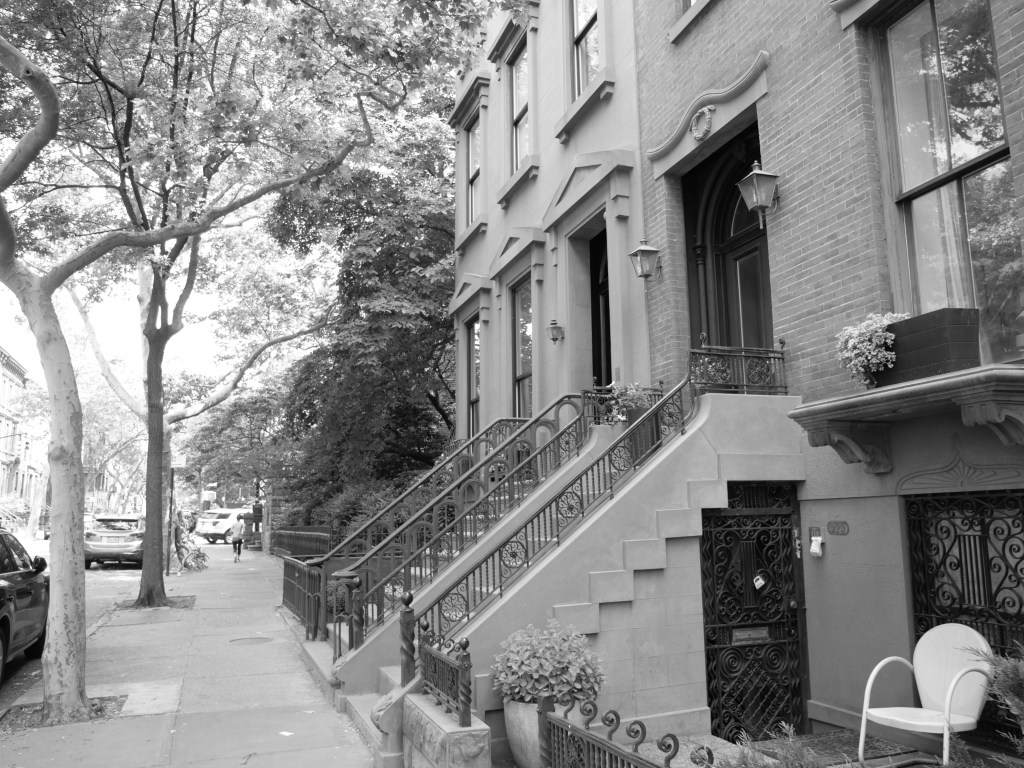
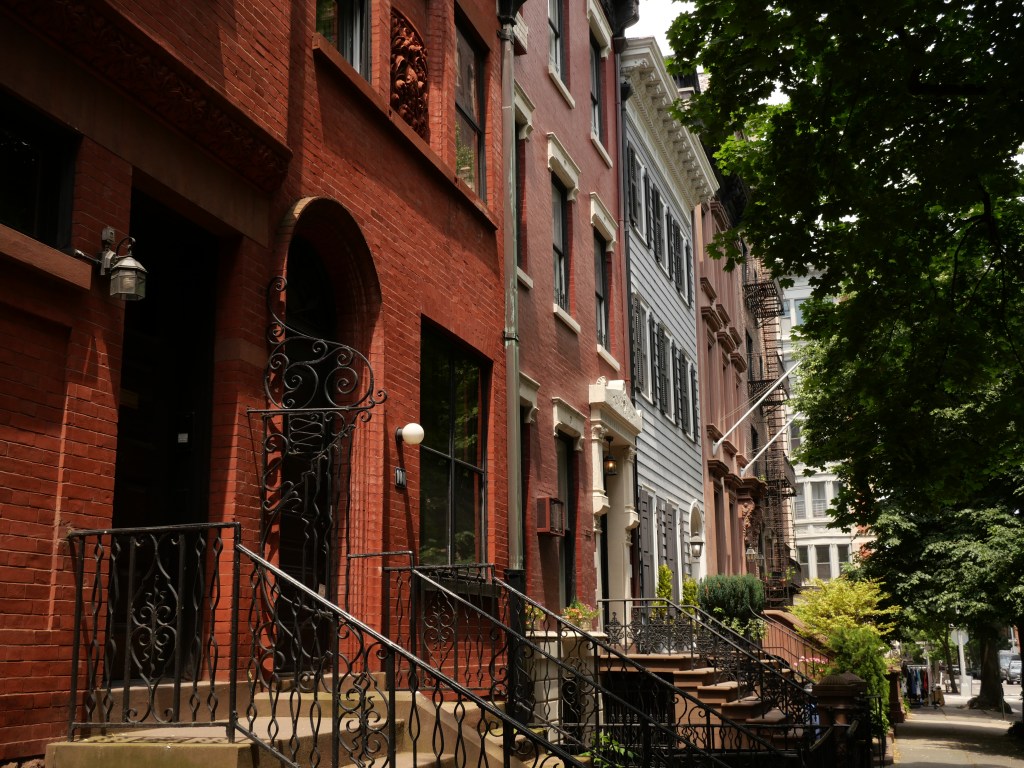
Summit Hill developed in the late 19th century and early 20th century and is best known for having one of the best preserved collections of old, Victorian homes in the United States concentrated along Summit Avenue and the eastern edge of the neighborhood. Summit Hill also hosts one of the best and intact urban business districts running along many blocks of Grand Avenue. Thanks to the high incomes of the neighborhood there are many great shops, restaurants, and bars along Grand. Plenty of early 3-story brick apartments and condo mixed into much of the neighborhood too.

Unlike Summit-University to the north, Summit Hill never experienced any major urban renewal or disruptive highway projects and was able to retain its wealthy and Caucasian populations. Thanks to this, most of Summit Hill is in tact from its pre-WWII days and Grand Avenue has seen limited autocentric infill.  I would certainly like to more racial and economic diversity in Summit Hill with a focus of targeted densification along Grand Ave and affordable housing contraction. Summit Hill could use more dedicated bike lanes and more schools and park amenities.

Click here to view my University Hill album on Flickr

URBAN STRENGTHS:

  • Decent public transit, especially the northern half of the district.
  • Center of the Summit Hill is only 2.5 Miles from Dwtn St. Paul. Only a 20 minute bus/bike ride or 10 minute drive. However other than by Car, its pretty difficult to get to Central Minneapolis.
  • Good ADA curbs along the Grand Ave (the biz district). More hit or miss on residential streets but good sidewalks are throughout all the district.
  • Pretty consistent high quality of historic homes. Homes are a bit more most along Summit Hill western edge but still nice. Nothing specially about the commercial architecture along Grand.
  • Solid tree canopy throughout.
  • Some urban infill along Grand mixed of urban and autocentric form.
  • Very safe neighborhood. One of the safest in Saint Paul.
  • Pretty good for sale diversity. Some 1-bed condos that sell btwn 150K-350K, 2-beds are mostly condos/townhomes and sell anywhere from 200K-1M, 3 & 4 beds sell 200K-1 M. Plenty of SF homes selling in the western edge of the neighborhood.
  • A good # of rentals with studios & 1-beds leasing btwn 900K-2K, 2-beds in the 1Ks. 3-bed rentals are limited.
  • Decent Cultural amenities include a good number of restaurants, bars, & cafes, a dance club, a couple historic houses, including good access to Dwtn’s cultural amenities.
  • Great retail amenities mostly focused on Grand St. Plenty of boutiques and gift shops, a couple book stores, a couple toy stores a hardware store, plenty of bakeries & dessert joints, several gyms, a major hospital just southeast of Summit Hill. One supermarket on the western edge of the district and a couple drug stores

URBAN WEAKNESSES:

  • So so bike access. Nice east-west bike lane along Summit. But not north-south route.
  • Decent but not great urban density.
  • Generally a White and affluent neighborhood. Not great diversity indicators in Summit Hill.
  • Only a handful of schools in Summit Hill with mixed ratings.
  • Linwood is a nice park and has a recreation center but only a handful of other small parks throughout.
  • Missing churches, a post office, public library, and only a handful of doctor offices.”

Summit-University: Home to Saint Paul’s Historic African American Community “Rondo”

Summit-University was settled in the 1880s and 1890s with a nice mixed single family houses, duplexes,  apartment building mansions concentrated along Summit Avenue and the southern half of Cathedral Hill just north of Summitt Avenue. Further west are more modest-larger single family homes mixed in duplexes, triplexes, and quads. Closer to University Avenue housing is more working class. The wealthiest families started to leave the neighborhood in the 1920s with the advent of the automobile. The great mansions along Summit  declined somewhat but were fortunately subdivided and mostly remain to this day. In the 1950s-1960s Summit-University experienced several disruptive highway and urban renewal projects greatly disrupting the urban form of the neighborhood and leading to thousands of displaced African-Americans from the Rondo enclave. The highway in fact obliterated the Rondo Avenue business district, a once vibrant African American center in Saint Paul.  These projects also accelerated White Flight from Summit-University and led to decline in many parts of the neighborhood especially the western and northern areas.  But because of the White Flight of the western and north edges of the neighborhood Summit-University became Saint Paul’s most diverse neighborhood welcoming a large Hmong community, other Asian groups, and Hispanics. Many African American families have also remained in the neighborhood and all in all areas affected by White Flight and Urban Renewal are in decent condition and starting to benefit from the gentrification of Summit Hill and Catedral Hill. ReConnect Rondo, a neighborhood CDC, has also done a great job keeping this historic Black Neighborhood in tact and helping local residents open up businesses along Shelby Ave.

For Summit-University to be a top tear urban district it needs to re-urbanize its northern edge most affected by Urban Renewal along University Avenue and abutting Capitol District. Just to the northeast of the neighborhood is an nearly abandonded Mall that marks a great opportunity for quality urban in-fill and a way to better connect the neighborhood to Dwtn. Summit-University could also use more bike lanes, much more urban-infill along University Ave, and better schools. 

Click here to view my Summit-University Album on my Flickr page

URBAN STRENGTHS:

  • Excellent access to Dwtn St. Paul only 1.5 Miles away. Only a 20-15 minute bus/bike ride or 8 minute drive. Central Minneapolis is 45 minutes by transit & 15-20 minute drive.
  • Solid Urban Density.
  • Solid public transit access throughout all of the district.
  • Generally consistent sidewalks by ADA curb cuts are hit or miss.
  • Generally good urban form along Shelby and for most of the district.
  • Some incredible historic homes especially with the large mansions in the Cathedral Hill section of the neighborhood. Some excellent historic buildings along the main portion of Shelby Ave. More modest historic homes along the eastern half of Summit-University in the Rondo portion of the neighborhood.
  • Solid tree canopy in most of the district.
  • Generally a pretty safe area. Safety has appeared to improve the past decade in some of the historically rougher patches of the neighborhood (Rondo and along University Ave).
  • Good for sale housing diversity. Lots of 1-bed condo options selling btwn 100K & 200Ks, tons of 2-bed options including condos, townhouses, and SF homes selling btwn 150K-700K, 3 & 4 beds sell btwn 200K-1 M . A good amount of 3-beds are condos and town homes and plenty of single family homes selling in the 300KS in the western edge of the neighborhood.
  • Tons of rentals with studios & 1-beds leasing btwn 800K-1.6K, 2-beds btwn 1.5K-3K. Decent number of 3-bed rentals too. Lots of affordable housing options.
  • Lots of small & medium parks well distributed throughout the neighborhood. Also two recreational centers and an indoor pool.
  • Good Cultural amenities include a good number of restaurants, bars, & cafes, a community performing arts theater, a couple art galleries, a couple historic houses and museums, and good access to Dwtn’s cultural amenities and Grand Ave in Summit Hill.
  • Good retail amenities including tons of ethnic groceries along University Ave, an Aldi’s, a Co-op, a couple drug stores, a couple boutiques & gift shops, a couple bookstores, plenty of bakeries & dessert joints, tons of salons, several gyms, tons of churches, a couple public libraries.

URBAN WEAKNESSES:

  • Large autocentric stretches along University Ave. Slowly this is getting better with mixed-use infill but new development is slow to this stretch of University.
  • So so bike access. Nice east-west bike lane along Summit. But not north-south route.
  • The Northeaster corner of the neighborhood has seen a lot of urban renewal resulting in bland mid-century buildings, Saint Paul College (commuter school). project housing, and lots of autocentric uses.
  • Some good urban in-fill along Shelby but lots of autocentric infill along University Ave.
  • Excellent racial and economic diversity with both large minority white and black populations. Decent Asian and Hispanic populations too.
  • Okay access to schools. Several private schools but they are small. Some public schools but generally not rated well except Central Senior High School.
  • Missing a local post office, major supermarket, only a handful of doctor offices”

Macalester-Groveland- Affluent Early 20th century Neighborhood in the Westside of Saint Paul

Macalester-Groveland began to develop in the 1890s as streetcars were extended into the area. The neighborhood filled out in the 1920s with more autocentric friendly development as the Twin Cities continued to grow. Tangletown is the most suburban subdistrict with large single family homes situated on curvilinear streets. Charles Schulz , created of Peanuts, also grew up in the neighborhood.

Macalester-Groveland is similar to many Saint Paul neighborhoods. A comfortable leafy early 20th century neighborhood with mostly single family homes, some apartment buildings, and pockets of urban commercial. The best urban business district runs along Grand Avenue, which also serves as the business district for Macalester College. The neighborhood is generally affluent and Caucasian and has convenient access to Dwtn Saint Paul across all modes of transportation.

To elevate Macalester-Groveland into a high quality urban district it needs more density and in-fill housing especially along the more autocentric stretches of Snellings and Randolph Streets. The southern half of the district could also use more frequent public transit access.

Click here to view my Macalester-Groveland Album on Flickr

URBAN STRENGTHS:

  • Convenient access to Dwtn St. Paul. Only 10 min drive and 30 min bike/transit trip. Dwtn Minneapolis is still pretty conveninet too..
  • Good generation diversity thanks to the Unversity of St. Thomas students and plenty of family households
  • Good dedicated bike lanes but not protected.
  • Great connectivity. Very good sidewalks and ADA standard curb cuts on about 65% of all intersections
  • Decent for-sale options but on the expensive side. A handful of 1-bedrooms that sell in the 100K & 200K, 2-bedrooms sell btwn 200K-550K and 3 & 4 beds sell between 300K-1M. Some mansions sell btwn 1-2 M.
  • Good number of apts and pretty moderately priced. 1-bed rent btwn $900-1.7K, 2-bed lease in the 1Ks, and some 3-beds that lease btwn 1.5K-3K.
  • Great riverfront park along the Mississippi running the north to south length of the neighborhood. Several smaller parks pretty well dispersed throughout the neighborhood and a couple recreation Center including a pool.
  • Cultural amenities include a good number of restaurants, bars & cafes, the Macalester College Art Musuem and Performing Arts Center, and a historic movie theater.
  • Very safe community.
  • Execellent early 20th century historic homes. Urban infill is limited, a mixture of decent mixed-use & autocentric developments.
  • Okay retail amenities including several supermarkets, several boutiques, plenty of salons, a Patagonia store, a butcher, a couple drug stores, a hardware store, a couple bookstores, a floristist, several bakeries, a local post office and library, several churches.
  • Good urban massing and streetscaping along Grand Avenue.

URBAN WEAKNESSES:

  • Only a handful of schools and mixed ratings.
  • So so economic and racial diversity.
  • Dedicated affordable housing seems very limited.
  • Good public transit access in the northern half of the district but so so in the southern half.
  • Decent urban density but not great.
  • No local public library of post office.
  • Mix of good and autocentric urban form along the biz districts outside of Grand Ave (Snellings & Randolph).
  • So so pedestrian activity.

Union Park- One of Saint Paul’s First Streetcar Suburbs

Union Park was created as a merger of several historic neighborhoods including Merriam Park, Snelling-Hamline, Parts of Midway, Densoyer Park, and Lexington-Hamline in 2007. The original Union Park was a large amusement park located at the intersection of University and Lyndhurst Avenues. This also included  Lake Iris, which still exists today. Merriam Park was one of the City’s first street suburbs. The area developed as a home for businessmen and professional workers and their families and has a great mixed income feel. A large Catholic community grew up around St. Mark’s Church in the early 20th, which helped spawn the nearby University of Saint Thomas. Union Park weathered the mid-century decline pretty well thanks to its White and Middle Class demographics. While highway I-94 was still ultimately built, it was less detrimental to the neighborhood’s community as neighboring Rondo and Prospect Park to the East, important African American enclaves in Saint Paul.

Union Park has several distinct areas. On the northern edge of the district runs University Avenue lined with a mix of autocentric, industrial and newer mixed-use housing. This is also where Allianz Field and a massive strip mall are located. The Historic Union Park amusement park is located in the Northwest corner of the district. South of the highways is where the bulk of the neighborhood is located with a mix of Large and modest single family homes and apartment buildings line the larger streets. To become a great urban district Union Avenue needs to continue to redevelopment the autocentric/industrial land uses between University Ave & I-94 into much friendlier pedestrian urban environments. Snelling also has large autocentric stretches in need of redevelopment. But overall Union Park needs more density to both improve its walkability but also to create much needed housing in this desirable district.

Click here to view my Union Park album on Flickr

URBAN STRENGTHS:

* Solid public transit access. Good system of dedicated bike lanes.
* Convenient access to Dwtn St. Paul. Only 10 min drive and 30 min bike/transit trip. Dwtn Minneapolis is still pretty convenient too.
* Good connectivity outside of the more industrial area btwn I-94 & University  Ave.
* Very good sidewalks and ADA standard curb cuts on about 65% of all intersections
* Good generation diversity thanks to the University of St. Thomas students and plenty of family households.
* Great apartment diversity including plenty of studios which lease btwn $700-1.2K, 1-beds for $900-1.5K, 2-beds btwn $900-2K, 3-beds btwn the high 1Ks to low 2Ks.
* Good for-sale options. A handful of 1-bedrooms that sell in the 200K & 300K, 2-bedrooms sell btwn 150K-500K and 3 & 4 beds sell between 200K-1M.
* Great riverfront park along the Mississippi running the north to south length of the neighborhood. Lots of ballfields and quads with the two universities located here (University of Saint Thomas & Concordia) but not necessarily open to the public. Several smaller parks well dispersed throughout the district and the Merriam Park Recreation Center, which includes a pool.
* Cultural amenities include a good number of restaurants, bars & cafes, the St. Thomas Art Museum, Concordia Performing Arts Center, the St. Paul Conservatory of Music, and a historic movie theater.
* Generally high quality historic homes. Modest more mid-century homes in the NW corner. Some great mixed-use bldgs at Spellings and Selby but some very autocentric development along University Ave.
* Pretty good retail amenities including a Wholefoods, Target, and two other supermarkets, antique stores, vintage clothing stores, a couple drug stores, a couple college bookstores, a florist, plenty of salons, several bakeries/dessert stores & a couple of gyms, a local post office and library, a major hospital & several doctor offices, and record stores.
* Great urban node at Snelling & Shelby and some good urban stretches along Shelby and University Ave.

URBAN WEAKNESSES:

  • Decent number of schools but generally not great ratings.
  • So so economic and racial diversity.
  • Pretty mediocre density for a City neighborhood.
  • Only a handful of churches.
  • Okay pedestrian activity.
  • Some pretty autocentric stretches along Snelling and University Ave.
  • So so density for an urban area.”

Como Park- Home to the Saint Paul Zoo and Conservatory and an attractive early 20th century Neighborhood

The area around Como Lake was originally swamp and oak savannas. But in 1873 the City of Saint Paul acquired the 300 acres of land around Como Lake and quickly turned it into a park. Incrementally major cultural amenities came to the park including the Saint Paul Zoo in 1897 and then the Marjorie McNeely Conservatory in  1915. The park remained on the periphery of Saint Paul for many decades and it wasn’t until the 1920s that the neighborhood around the park was really developed. The Como Park neighborhood filled in by WWII but unfortunately a historic business district just serving Como Park was never really created. Eventually several strip malls were built at the intersection of Lexington & Larpenteur but it is very autocentric.

Como Park however excels at providing amenities typical for more suburban areas including great parks, good schools, a wide array of for-sale housing options, and a high level of safety. The neighborhood stills has some walkability thanks to its gridded streets, sidewalks, bike infrastructure, decent public transit service, and convenient access to Dwtn. Como Park also has a decent amount of rental options good cultural amenities thanks to the Zoo and conservatory. But for Como Park to become a great urban district it needs a lot more density, more mixed-use buildings, a couple of strong walkable urban commercial nodes, and a lot more retail amenities.

Click here to view my album on Flickr

URBAN STRENGTHS:

* Solid sidewalk infrastructure but only about 40% of the intersections are ADA standard.
* Good public transit access but better in the southern half of the neighborhood.
* Good access to Dwtn across all modes. Only a 10 minute drive and 25 mins bike  or transit. Bike and transit to Dwtn Minneapolis is about 45 mins.
* 4 dedicated east to west bike routes, all connecting nicely to Como Park, which has great bike access itself.
* One of St. Paul’s safest districts.
* Mixture of plain and more ornate pre-WWII homes. Construction is mostly btwn the 1920s-1940s.
* Ok cultural amenities including a handful of food & beverage amenities but some major cultural amenities in Como park including the Botanical Gardens, Conservatory, Zoo, a kiddie park, and an outdoor amphitheater.
* Good walkable school diversity and generally good ratings.
* Very good for sale diversity. A handful of 1-bed options selling in the 100K & 200ks, 2-beds sell btwn 150K-450, 3 & 4 beds sell btwn 150K-700K.
* Decent rental options w/ studios leasing btwn 800K-1.4K, 2-beds btwn 1K-2K. Some 3-beds as well for a bit more.
* Excellent park amenities thanks to the expansive Como Park located in the heart of the community. The Park includes a large lake, a zoo, golf course, a major regional pool, and plenty of sports fields. But also 3 recreational centers set in small parks, and several cemeteries on the edge of Como Park’s borders.
* Solid tree canopy throughout.

URBAN WEAKNESSES

* Pretty low density for an urban area. 
* Pretty white neighborhood but some racial diversity.
* Most of the Post WW II construction is autocentric commercial.
* Pedestrian activity is pretty low.
* The park is a great center point to the district but really no distinctive business districts here.
* Retail amenities are limited within the neighborhood to an Aldi’s, drug store, a dollar store, a bike store, a couple salons, a hardware store, a couple antiques stores, a couple dessert joints & gyms, plenty of churches, and a couple doctor’s offices. Most of the retail is located in two decent size strip malls where Lexington & Larpenteur intersect.
* No cohesive urban district. The most retail is where Lexington & Larpenteur intersect and this is very autocentric. A couple wide car centric boulevards throughout.

South St. Anthony Park- A Neighborhood in Transition located on St. Paul’s western edge along the Green Line

South Saint Anthony Park is centered around Raymond Avenue and University Avenue, and was built mostly as workers’ housing for people employed on the many nearby railroads. Saint Anthony Park is considered a seperated neighborhood located to the north of the railroads and historically was a much more affluent area that was established as a separate railroad suburb in the late 19th century. Although the two areas have very different histories and housing stock, they have grown more similar during the turn of the 21st century due to their convenience to both downtowns and to the University of Minnesota. S. Saint Anthony Park became increasingly industrial into the 20th century. Its housing stock likely experienced more disinvestment in the post war area than the rest of Saint Anthony Park.

From an urban perspective S. Saint Anthony Park, due to its great location along a ralline and significant historic industrial development, is seeing a lot of new multi-family buildings going up of pretty good quality. It remains a great location pretty equi-distance to both Twin City downtowns and very close to the University of Minnesota. The district also has solid bike infrastructure, good economic & racial diversity, solid retail & cultural amenities, and a good array of rental options. While there is good urban form along the western half of University Avenue and a nice historic pocket of homes north of University Ave, the eastern half of University Avenue has plenty of strip malls, autocentric and industrial uses. The eastern half and southern edge of the districts is still mostly industrial reducing neighborhood tree canopy, park space, quality sidewalk infrastructure, and density. But I foresee the neighborhood continuing to fill in with more and more dense mixed-use housing leading to a gradual urban improvement to the district.

Click here to view my South St. Anthony Park Album on my Flickr Page

URBAN STRENGTHS:

* Great public transit thanks to a ralline that runs through the neighborhood.
* Very convenient access both to Dwtn St. Paul and Minneapolis. About a 15 min drive and 30 min train ride. About a 25 min bike ride.
* Decent bike lane network but Saint Paul only has a dockless bike share system.
* Great economic diversity and decent racial.
* Generally a safe neighborhood but a good amount of industrial space.
* Good # of rentals. Studios and 1-bedrooms generally rent anywhere in the low-mid 1Ks, 2-beds lease any where from the low 1Ks to the low 2Ks. Only a handful of 3-beds.
* Solid architecture (both historic and modern).
* Pretty good cultural amenities including several restaurants, bars, and cafes, plenty of art galleries, a Irish Bar w/ live music, several breweries, a railroad museum, and a couple local theaters.
* Decent retail amenities including a Co-op, a pharmacy, a hardware store, several boutiques/clothing stores, a couple antique/furniture stores, a couple banks & salons, a couple bakeries & gyms, a bike store, a couple of pet stores, a handful of churches & medical offices, and a local post office.
* Good urban form along the western half of University Avenue (the many drag). The eastern half has more strip malls and industrial space but is improving with more and more infill. Raymond Ave is the secondary biz district and extends a couple blocks off University Ave with a decent urban note at Hampden. 

URBAN WEAKNESSES:

* Very low density for an urban district thanks to all the highways, railroads, and industrial parks the chop the neighborhood up.
* ADA and sidewalk infrastructure is a bit spotty due to all the industrial land use.
* Streets generally connect but poor grid and connectivity due to all the industrial land use and highways /railroads chopping up the grid.
* So so walkable schools.
*  Decent number of 1-bed condos that generally sell in the 200Ks, some 2-beds but not a ton selling in the 200Ks & 300Ks, 3 & 4 beds sell btwn 200Ks-400K and are mostly SF detached homes.
* Tree canopy is ok in the SF residential streets but more than half of Saint Anthony Park is current. Former industrial space with few trees.
* South St. Anthony Park is really the only recreational space in the district. Good park with decent amenities but pretty small.
* Missing a local public library although there is one just north of here in Saint Anthony Park. Could also use a supermarket and more creative retail.
Lots of Industrial space in the southern edge and eastern half of the district which often has poor urban form and streetscaping.

Hiawatha- The perfect mix of urban and surban amenities on Minneapolis’ southern edge

Hiawatha is a stable early-mid 20th century neighborhood on Minneapolis’ southeastern edge bordering Minnehaha Falls. For many Hiawatha is the perfect mix of suburban and urban amenities boasting good public transit and bike amenities, great parks, above average access to schools, high levels of safety, good housing diversity, and some retail and cultural amenities.

Historically, Hiawatha’s population was pretty stable in the post war era hovering around 5,500 and never really experienced disinvestment. Minneapolis’ pro-housing policies seems to have paid off here in Hiawatha as several new apartment and condo projects along the western edge of the neighborhood the district have increased the neighborhood’s by nearly 1K residents. This is a great example of densifying a low-medium density district that is in high demand and combating decades of exclusionary housing practices. Hopefully the district can continue to increase housing helping the neighborhood to diversify and avoid major price increases. I’d also like to see the taming of the Olsen Memorial Highway into a more urban friendly street. Lots of potential to build more dense multi-family housing here as it is runs along a train line. Also opportunities to create more mix-use development along Minnehaha Ave as it already has some retail uses. The neighborhood could use a lot more walkable retail amenities.

Click here to view my Hiawatha album on Flickr

URBAN STREGNTHS:

  • Great access to transit and decent bike share infrastructure. Dwtn is pretty convenient but not as good as the inner city neighborhoods.
  • Great sidewalk and ADA infrastructure.
  • Excellent park amenities thanks to the expansive Minnehaha Regional Park on the southern edge of the district and the extensive River Way Parkway in additional a couple other smaller parks.
  • Overall a very safe community.
  • Excellent tree canopy.
  • Some nice historic architect with attractive homes from the 1930s & 1940 but also plenty of plainer mid-century architecture. So nice modern mixed-infill as well.
  • Good diversity metrics, but especially age diversity.
  • Solid walkable school access including several well rated elementary schools. Only one middle school and the high school is the adjacent neighborhood but its well rated and relatively walkable.
  • Pretty good for sale diversity. Decent # of small 1-bed homes selling btwn 125K-300K, 2-beds btwn 160K-400K but also a couple of new condo bldgs with units selling in the 400K & 500Ks. 3 & 4 beds sell btwn 150K-800K with a handful of million dollars newer units.
  • Decent # of apartments concentrated on Hiawatha’s western edge but pretty expensive for Minneapolis.. Studios and 1-beds lease in the low-mid 1Ks, 2-beds in the high 1Ks and 2Ks. Limited 3 & 4 beds

URBAN WEAKNESSES:

  • Some cultural amenities including a handful of restaurants, bars, a brewery, and cafes. Also a dance studio and a cinema a couple blocks north of the district.
  • Pedestrian activity is pretty limited.
  • Pretty low density for an urban area.
  • Retail amenities are limited to a supermarket, drug store, a couple salons, a dairy queen, a gym, a couple churches & medical offices.
  • The main drag in Hiawatha, Olsen Memorial Highway, is very autocentric with only a few stores. It also has a fair amount of warehouses along it. Better urban form along Minnehaha Ave but only a limited amount of commercial and mixed-use development. A couple good nodes especially at 46th St.”

Marcy-Homes/Dinkytown- Home to the University of Minnesota and a Quality Urban District in Southeast Minneapolis

This neighborhood evaluation includes the traditional boundaries of Marcy-Homes which includes the Dinkytown Business District serving the University of Minnesota. Dinkytown is centered at the commercial node at 14th Ave and SE 4th St.  and really came into its own in the Post WWII era as the University exploded in size. Some say the name is in reference to  the streetcars, which were called Dinky’s historically in Minneapolis. But ultimately no one really knows and residents embrace the quirkiness regardless of its origins.

Marcy-Homes hosts a significant concentration of off-campus students in its many apartments and single family homes with students crammed in. But there are many other interesting aspects of the district including several additional commercial nodes  (i.e. Main St & Central, Central & 5th, SE 9th St, and University & 6th Ave.), the stone and brick warehouse district running along Main Street above the St Anthony Falls, the dynamic mixed-use corridor running down Central and the repurposed warehouses along SE 9th St.

From an urban perspective the neighborhood excels at having convenient access to Dwtn, a high level of walkability with good access to retail and cultural amenities, decent park access, generally good urban form, and good housing diversity. There aren’t a lot of urban deficiencies other than a lack of walkable quality schools and rather monolithic age and economic population due to the large student population. But for Marcy-Homes to become a top-tier Minneapolis urban district is needs more mixed-use infill along its commercial corridors, more park amenities, and more retail amenities increasing its walkability even more.

Click here to view my Dinkytown Album on Flickr

URBAN STRENGTHS:

  • Good sidewalk amenities and most intersections have ADA standard curbs.
  • One of Minneapolis’s most densely populated neighborhood’s thanks to the students living off campus from the University of Minnesota.
  • Very multi-model neighborhood with solid public transit, excellent bike infrastructure, a solid commercial district along 14th St & 4th Avenue and a decent amount of mixed-use throughout. Also very convenient access to Dwtn being only 2 miles away and well connected by transit.
  • Overall a pretty safe district but with typical collegetown issues.
  • Some nice historic homes but also plenty of mansions that have been broken up into student apartments distastefully. Small but gorgeous brick & stone warehouse district along Main Street (bricked) near St. Anthony Falls. Feels a bit European.
  • Generally urban infill if good but some poor design from the mid century and cheaper recent student housing.
  • Solid tree canopy especially outside of the commercial and industrial districts.
  • Lots of rental options including plenty of studios leasing btwn 700K-1.4K, 1-beds btwn $800-2K, 2-beds btwn 1K-2.3K, 3-beds btwn 1.3K-2.5K. Great diversity in price and age. Some dedicated affordable housing as well.
  • Less for-sale options but still decent. Vast range in 1-bed condos ranging anywhere from 150K-1 M depending on age and amenities. 2-bed range btwn 225K-800K. 3 & 4 beds range btwn 250K-1M but many of these are likely rented out to students.
  • Pretty good park & recreational space including the Father Hennepin Park overlooking St. Anthony Falls and two medium sized parks with good amenities (Mercy & Homes Park).
  • Solid cultural amenities including plenty of Food & Beverage Bizs, a couple art galleries, a cinema, performing arts theater, significant performing arts at the University of Minnesota, the Weisman Art Museum, and a couple night clubs.
  • Good retail amenities including a Target (includes supermarket), a couple pharmacies, good # of boutiques, clothing stores & gift shops, several banks, a bookstore, University of Minnesota Hospital, a couple churches, plenty of dessert options & gyms, several salons, a local post office & library.

URBAN WEAKNESSES:

  • So so walkable schools. Limited options and ratings aren’t spectacular.
  • Very student dominated so some decent racial diversity but age and economic diversity are more limited.

Whittier- the Heart of Minneapolis’ Asian Community

Similar to Uptown, the Whittier neighborhood mostly developed in the late 1800s and early 1900s and maintained a dense population and high rental occupancy into WWII. Whittier is a classic case of missing middle housing where any residential block can see medium density apartment buildings sitting next to single family homes. But like most inner-city Minneapolis neighborhood’s the post War era was not kind to Whittier as middle class white families moved out and left behind struggling business districts and disinvested residential properties. Fortunately the residents of Whittier organized in the late 70s creating several  Community Development Corporations to combat the neighborhood’s decline. By the 1980s Whittier became home to many in the counter cultural Bohemian movement and large Chinese and Vietnamese communities moved into the neighborhood opening many food based businesses along Nicollet. Thanks to their investments to the biz district, neighborhood leaders rebranded Nicollet Street as “Eat Street”. Mexican businesses too opened but later in the 1980s and 1990s further diversifying the community. By the 2000s major private housing  investments began with three major condominium projects along Nicollet Avenue. Whittier’s housing and business district market have continued to stabilize and many would say that the neighborhood is on a gentrification trajectory.

Fortunately, there remains a significant of affordable rental and condo supply for middle income families. Whittier is also one of Minneapolis’ more walkable neighborhoods thanks to three business districts (Nicollet, Lyndale, and Lake), hosts three museums including the Minneapolis Institute of Art, has great transit and bike infrastructure, and a surprisingly full tree canopy. For Whittier to be a premiere urban district it needs to continue promoting dense in-fill development along its commercial corridors as  they still host a fair amount of autocentric development, improve its ADA infrastructure, and build more park and school amenities.

Click here to view my Whittier album on Flickr

URBAN STRENGTHS:

* Solid urban density. Nice mixture of SF and middle apartments buildings on residential streets. Lots of Missing Middle housing here.
* Very convenient access to Dwtn. Only 10 minutes by bike, 5 by car, and 20 by bus.
* Good sidewalk infrastructure but modern ADA curb cuts only fill about 40% of all intersections.
* Generally good urban form along the biz districts (Lake, Lyndale, & Nicollet)  but sizable autocentric stretches especially along Lyndale & Lake.
* Solid historic and in-fill architecture but generally not spectacular.
* Solid tree canopy.
* Generally a safe community with a couple pockets of sketchy areas.
* Excellent bike infrastructure including several separate lanes, the Midtown Greenway running along an old railroad ROW, and plenty of dedicated bike stations.
* Great economic and racially diversity. Also pretty good generational diversity.
* Great rental diversity w/ tons of studios leasing btwn 750K-1.3K, 1-beds btwn $850-1.5K, 2-beds lease btwn 1K-2.5K, and good # of 3-beds leasing btwn 1.5K-2.5K.
* Great sidewalks amenities but modern ADA curb cuts cover maybe 60% of all intersections.
* Good diversity of 1-bed condo selling anywhere btwn 75K-320K, great diverse 2-bed options ranging for dated condos to modern condos, townhomes, and SF home selling btwn 150K-500K. Good diversity for 3 & 4 beds selling between 200K-900K .
* Good cultural amenities including plenty of restaurants, bars & cafes, the Minneapolis Institute of Art & Hennepin History Museum, Children’s Theater company, several Asian Markets along Hennepin, a couple live music venues & a performing arts & Improve theater.
* Solid retail amenities as well including 4 supermarkets & 3 drug stores, decent # of boutiques/clothing stores, a bookstore, several salons, several dessert shops & gyms, a couple floral shops, several record stores, a post office, a medium sized hospital & plenty of medical offices.

URBAN WEAKNESSES:

  • Some missing /limited retail amenities including public library, churches, hardware store, and larger department stores.
  • Really on two parks in Whittier: Washburn Fair Oaks & Whittier Park which also has a recreation center. At these they are decent sized parks with good amenities.
  • Some walkable schools and but well rated.
  • Several autocentric spots along Lyndale and Lake Avenue.

Uptown- Minneapolis’ Premiere Urban Neighborhood and where Prince got his Musical Start

I generally follow the standard boundaries for Uptown but adjusted them a bit for evaluation purposes. I used 31st as the southern boundary, Lyndale as the eastern boundary, W 24th St as the northern and the lake as the western.

Uptown historically grew out of the intersection of Hennepin Avenue and West Lake Street and several  surrounding more residential neighborhoods (i.e. Lowry Hill East, East Bde Maka Ska, South Uptown and East Calhoun Isles neighborhoods). The name really began in 1939 when a new theater called “the Uptown Theater” went up near this intersections and the business community started to use it in their branding efforts. At the time Chicago’s Uptown District was well known and a Midwestern Cultural hub several miles north of the Loop. Up to this point, Uptown was a stable turn of the century neighborhood but like most inner city Minneapolis neighborhoods it experienced disinvestment in the post WWII era but nothing like Black majority neighborhoods in Northwestern Minneapolis. in the 70s and 80s Uptown became a hub for artists and musicians participating in the countercultural movements. Uptown was also where Music Artist “Prince” got his start evidenced by several of his songs referencing the neighborhood.  Starting in the 80s revitalization efforts accelerated and Uptown’s retail began to see a renaissance most demonstrated by the opening of the Calhoun Square Shopping mall. By the 1990s Uptown had turned the corner and was in full blown gentrification mood. But thanks to Minneapolis’ overall affordable housing market, rentals and even small condos and homes are still within the reach of many middle-class families.

Uptown is arguably Minneapolis’ premiere urban district thanks to its extensive urban commercial districts running along Hennepin, Lake, and Lyndale  This provides extensive retail and cultural amenities. Uptown is also served by several miles of lakefront recreational trails, has great array of housing options & price points, is very multi-model and well served by transit & bike infrastructure, has a great array of historic and in-fill options, and a great sense of place thanks to a strong node at Lake & Hennepin Avenue. The pandemic and a major reconstruction of Lake & Hennepin Avenue has brought significant strain to the retail community resulting in the closure of Target and many name brand retail chains. But given the existing urban strength of Uptown, I’m hopeful that these empty retail spaces will fill out and the neighborhood will reinvest itself again.

Click here to view my Uptown album on Flickr

URBAN STRENGTHS:

  • Also excellent access to Dwtn. Only a 20 min bike ride, 25 min transit trip and 12 mins by car.
  • Solid density at 17 K per square mile. Good access to really all modes of transportation. Very walkable neighborhood.
  • Overall a very safe communities. Some struggles in their commercial district after the Pandemic.
  • A handful of studio condos selling around 100K, good diversity of 1-bed condo selling anywhere btwn 100K-325K, great diverse 2-bed options ranging for dated condos to modern condos, townhomes, and SF homes. Most sell between 100K-600K but some super luxury condos selling for 1.5 M. Good diversity for 3 & 4 beds selling between 200K-1.5M with some mansions selling for even more.
  • Great rental diversity w/ tons of studios leasing btwn 800K-1.3K, 1-beds btwn $800-1.7K, 2-beds lease btwn the mid-high 1Ks, and good # of 3-beds leasing btwn 1.5K-3K. Even some 4-beds as well.
  • Great sidewalks amenities but modern ADA curb cuts cover maybe 60% of all intersections.
  • Great sense of place thanks to all the business districts and the “”dwtn”” Uptown at Lake Avenue and Hennepin.
  • Great architecture all around. Lots of quality recent apartments bldgs as well.
  • Good pedestrian activity along the biz districts but a bit sleepy in the SF residential streets.
  • Good cultural amenities including plenty of food & beverage bizs, a Indie movie house, a several live music venues and art galleries.
  • Uptown retail took a major hit during the Pandemic leading to closure of Target and several other brand name clothing stores, but solid retail amenities still remain. This includes 4 supermarkets & drug stores, a couple bookstores, several clothing stores, Calhoun Square (currently undergoing redevelopment), several banks, a hardware store, plenty of gyms & dessert joints, a bowling alley, several furniture stores, plenty of salons, a local library, and a couple of medical offices.
  • Several miles of lakefront recreational paths here and great access to a couple lakes. No large parks in Uptown but several well dispersed smaller parks including a local pool. Good tree canopy*
  • Urban form is generally solid along the biz districts but some auto centric spots along Lyndale and the northern reaches of Hennepin. Major reconstruction of Hennepin & Lake that will leave a much improve streetscaping environment.

URBAN WEAKNESSES:

  • Only a couple of schools within the Uptown footprint and they are not rated well. A couple decent schools several blocks outside of the neighborhood with mixed ratings.
  • Limited churches and not neighborhood post office.
  • So so diversity metrics. Decent amount of economic and racial diversity east of Hennepin. West of here is high income and generally White.
  • So so access to walkable schools. The 3 public schools aren’t rated well and only a couple private schools. At least all grades are represented.”