Observatory Hill or Perry Hilltop was named both in honor of Commodore Perry and the Historic Allegheny Observatory, the City’s first astronomy building gracing the top of Riverview Park. The district also hosts the highest elevation in the City of Pittsburgh at 1,370 feet at the Brashear Reservoir and WPNT-FM Radio Tower.
This North Hills district has remained a middle class strong hold in the northside and thus retained much of its historic housing and fabric. Riverview Park was a large factor in the neighborhood’s success. Observatory’s urban business district along Perrysville Ave has not fared as well and is littered with vacancies and limited retail amenities. Cultural amenities are also very limited. Building up the Perrysville Avenue business district should be the # 1 revitalization priority for the neighborhood. Secondary priorities include installing bike infrastructure, permanent affordable housing, opening new high quality schools, and improving pedestrian and ADA infrastructure.
Click here to view the full Observatory Hill Album on Flicker
URBAN STRENGTHS:
* Convenient access to downtown especially via the car but decent transit and biking routes. * This is a very diverse neighborhood among all measures. * Very diverse for-sale price points starting at around 50K for a modest fixture upper to the 200Ks for a large historic home and everything in-between. * Riverview Park is accessible to all in the neighborhood and holds almost any recreational amenity one needs. * Overall pretty safe district, although some blight still remains. * Lots of high quality historic architecture. * The urban form of the business district is good but very small. * Great tree cover.
URBAN WEAKNESSES
* Streets generally connect but are very curvilinear due to the district’s extreme terrain. * Other than bike lanes in Riverview, Bike infrastructure is non-existent. * Not a ton of rental product but generally affordable. 1-bedrroms run between $500-$700, 2-bedrooms btwn $700-$1,100, and 3-bedrooms to the low to mid $1,000s. * One deli and no restaurants or bars. * Cultural amenities are basically non-existent. One needs to travel several miles south to the Allegheny Commons district and Downtown. * Low-Medium density. * Other than a couple convenience stores there is a bank, hair salon, thrift store, but not much else in the way of retail here. * Perry High School is located here but rated poorly. No other schools within Observatory Hill. * Most roads host sidewalks and ramps but ADA infrastructure is often missing.
Marshall-Shadeland is a largely residential area that was annexed by Allegheny City in 1870. Growth followed and the neighborhood filled in by the early 20th century. Most housing was constructed for workers but some larger homes reside along Brighton and Woodland along with 1920s and 1930s in-fill in the north edge of the district. Decline probably began shortly after WWII and accelerated in the 70s and 80s.
Fortunately much of the urban fabric remains and there is hope that the district will once again become a thriving urban community given its convenient access to downtown and proximity to other stable districts (i.e. Brighton Heights, Mexicantown, West Allegheny, and increasingly Manchester). Recent renovations have occurred resulting in home sales in the 100Ks. Yet much blight remains and there is a lack of neighborhood retail and cultural amenities.
Click here to view the entire Marshal-Shadeland Album on my Flickr Page.
URBAN STRENGTHS
* Good access to downtown vial all modes of transportation. * While there are no bike stations here dedicated bike lanes run down Brighton Rd and along the river. * Great generational and ethnic diversity here. * Fair amount of rental product at moderate prices. 1-bedrooms go for around $600-$800 and 2 & 3-bedrooms between $900-$1,100. *For sale housing is very affordable with prices ranging anywhere from 30K to 180K depending on size and quality. * Decent park amenities including two ballfields, a parkette, several cemeteries, and decent access to Riverview Park. * Because of the hills and ravines there is overall great tree canopy. The neighborhood could use more street trees however. * What does exist of Marshall-Shadeland’s business district (node at Marshall and Woods Run) is pretty urban. But its rough and there the streetscape is lackluster.
URBAN WEAKNESSES
* Some economic diversity, but pretty low-income area. * Lots of vacancies throughout district. * There is still a perception of crime here. * Some retail amenities including a Kuhn’s Supermarket, Dollar Store, Wine & Spirits, a Café-restaurant, and several low key restaurants and bars. * Very little nightlife in the district other than a couple restaurants and bars but Marshall-Shadeland does have convenient access to other vibrant areas such in the northside (Mexican War Street, West Allegheny, etc.). * Even with some recent revitalization successes Marshall-Shadeland still retains a pretty negative perception. * ADA is a mixed-bag here. The main streets and flat areas are well served by ADA infrastructure. Hilly and more obscure streets often have limited ADA or no sidewalks. * A couple specialty schools within the district but nothing else. Several schools lie in adjacent districts but generally not well rated. * Really no cultural amenities within Marshall-Shadeland but convenient access to what lies in West Allegheny and Mexicantown districts.
Spring Hill was named for the abundance of springs near the site. Germans immigrated there from 1850 to 1920, giving the neighborhood a very Bavarian atmosphere reflected in its local streets (i.e. Rhine, Woessner, Haslage, Zoller and Goehring). The population of Spring Hill peak in 1940 around 8,000 and has stabilized down to around 2,500. Spring Hill Garden used to host around 4,000 and now is just under 1,000.
This is a very typical hillside Pittsburgh community, which has seem a drastic population loss but has managed to “right size” through losing population often in the most steep terrain and maintaining generations of families. Spring Hill and Spring Garden are beginning to see modest real estate interest given its close proximity to downtown and other revitalizing communities such as Deutchtown and Mexican War Streets. The old warehouses of Spring Garden are beginning to see new life through modern craft outfits, distilleries, and fitness centers. To elevate this district to a viable urban community continued real estate investment, new bike paths, improved public transit connections, and a walkable neighborhood amenities are needed. But this is certainly possible given the neighborhood’s good urban bones, proximity to downtown, and beautiful views and generous yards.
* Good access to downtown especially by car, but decent public transit access. One could even walk to downtown in 30-45 minutes if they can handle the terrain. Getting to Oakland is much harder by transit by easy by car. * All around great diversity in Spring Hill. * For sale housing is very affordable with prices ranging anywhere from 25K to 150K depending on size and quality. * Great tree cover thanks to all the steep terrain and hillsides.
URBAN WEAKNESSES
* Very low density for an urban district due to the extreme topography and steep population decline. * No bike infrastructure across the district. * Not much rental product in the neighborhood and what exist is very modest. * There are a couple parks hosting ballfields, playgrounds, and the Lutheran cemetery. * Sidewalks are often missing and very steep terrain, so ADA infrastructure isn’t great. * Commercial is very limited (a brewery within the Spring Hill district but some neighborhood amenities existing on Spring Garden Road (i.e. pharmacy, family dollar, some light manufacturing, a cider house, and a couple of bars and restaurants. * Very limited cultural amenities within the district, but the rich cultural of the northside and downtown is only 2 miles away. * There is a poorly rated elementary school but not much else.
Originally called the village of New Troy, the neighborhood was originally settled by German immigrants who worked in the mills, tanneries, breweries and railroads that lined the Allegheny river (including the Heinz Ketchup factory). Migration up to Troy Hill began when a Catholic church opened a small cemetery in 1842. Gradually the neighborhood filled in by the early 20th century and remained a stable working class community to the present day.
While Troy Hill lost a significant amount of its historic population, dropping from a historic high of 7,000 to around 2,000, it has retained much of its urban fabric due to the removal of many hillside dwellings and smaller families. The neighborhood has stabilized and seen recent investment with many younger families renovating modest rowhouses. Given the districts incredible access to downtown, the Strip District, and Allegheny Commons, it is a surprise the market has not taken off even more here. Hopefully more and more amenities move to Troy Hill without it becoming too expensive for its current population. The neighborhood is one of the most economically diverse in the City of Pittsburgh.
Click here to view my full Troy Hill album on Flickr
URBAN STRENGTHS
* Pretty easy access to downtown especially for cars, but decent public transit access. Due to the hikes, bike commuting is challenging. * Housing is pretty affordable here. Most homes selling in the $100s but some outdated product selling between 50-100K and larger resent renovations selling in the 200Ks. 1-bedroom rentals going anywhere between $700-$1,200 and 2-3 bedrooms in the low to mid $1,000s. * Good recreational amenities with several ballfields, a few playgrounds, and a spray park. * Streetscape and urban form pretty solid in the heart of Troy Hill along Lowrie St, but pretty weak along Spring Garden Rd. (the district’s northern edge). * Good tree cover due to the many dense groves along the hill sides.
URBAN WEAKNESSES * No bike lanes through the hard of Troy Hill nor any bike stations, but a dedicated lane along 28. * Culture amenities are decent but not great in Troy Hill. The neighborhood hosts a couple of restaurants, a café, two breweries, and several bars. This is also the home of St. Anthony (the largest collection of relics. * Some neighborhood retail including several delis, a drug store, a fitness center, and several banks. * Three schools within or in adjacent districts, but overall low ratings.
Lincoln-Lemington-Belmar is a predominantly black neighborhood that was majority Caucasian from the 1920s until the 1970s.Sadly the neighborhood fell into decline after its racial transition. What was once a comfortable early 20th century bedroom community with an intact main street now is a half empty with most of its main street erased.
Yet there still are several assets worth mentioning including its attractive early 20th century architecture, good public transit access, short commute to downtown, quality park amenities, and thick tree canopy. There is much revitalization work needed to make this a viable urban community once more. Given its high home ownership, and the ability to build African-American wealth, this seems like a worth endeavor.
Click here to view my Lincoln-Lemington album on Flickr.
URBAN STRENGTHS
* Decent public transit access and easy drive to Downtown. * Good historic architecture. Just not always well maintained. * Decent park recreation’s with several playgrounds, ballfields, and a recreational center.
URBAN WEAKNESSES * Not great racial nor economic diversity. Still a high rate of poverty here. * For-sale housing is depressed but some quality product selling between 50K-75K. Not a ton of rental product but generally a mix of affordable and moderate rental. * Retail and stores limited to a couple convenience stores, car repair stores, and churches. * Mediocre ADA infrastructure. * Very limited cultural amenities. * Some assemblance remains of the historic urban streetscape along Lincoln Ave but not much is left. * No walkable schools in Lincoln-Lemington a couple in adjacent districts but not highly rated.
Morningside development really took off around 1905 with the creation of the Chislett Street trolley line extended from Stanton Avenue into the neighborhood. The community was fully filled in with houses and a some small commercial district by the 1930s. Morningside first welcome Irish families and eventually large numbers of Italian families ending Pittsburgh’s last wave of Italian immigration in the 1970s.
Morningside never experienced significant crime and blight issues but has seen a resurgence in interest in the past 5-10 years. Buyers are attracted by Morningside’s front porches, tight knit community, historic homes, convenient access, and modest back yards- a premium in the City. Renovated homes are now selling in the high 200Ks-300Ks. Morningside also has quality recreational spaces within the neighborhood and adjacent districts. What is needed for Morningside to transition from a good urban district to a great one is more dedicated retail and entertainment options, some additional multi-family housing , quality walkable schools, and dedicated bike infrastructure.
Click here to view my full album for Morningside in Flickr
URBAN STRENGTHS
* Good access to downtown via decent public transit access and easy driving. * Great economic and solid age diversity. * Good price diversity with home ownership ranging from 150K-400K but prices are certainly on the rise. * Decent ADA infrastructure with curb cuts at every intersection but not always ADA compliant. * Great historic architecture . * Residents have great access to several sport complexes, playgrounds, the morning side greenway, and Highland Park is nearby (although hard to access by foot).
URBAN WEAKNESSES
* No dedicated bike infrastructure. * Rentals are pretty limited but moderately priced. 1-bedrooms going for $800-$1,000 and 2-bedrooms in the low $1,000s. * No schools within Morningside but a couple decent ones in adjacent neighborhoods. * Really no modern in-fill in Morningside. * Some retail exists in Morningside including a cafe, several restaurants & bars, salons, Rite Aid, a daycare facility, and even a specialty fabric store. Most residents are 1 mile from the Bryant commercial district.
Homewood was annexed into the city of Pittsburgh in 1884.The neighborhood started as an area of estates for the wealthy including Pittsburgh industrialists Andrew Carnegie. By 1910s, Irish, Italian, German, and upper middle class black families moved to Homewood helping create an ethnically diverse neighborhood. At first relations between the white and black residents of Homewood were good, but things become strained In the 1950s when the Lower Hill Urban Renewal project displaced 8,000 people, many of whom ultimately settled in rental apartments in Homewood. White flight ensued as demographics shifted from 22% black in 1950 to 66% black in 1960. The MLK riots of 68′ severely crippling the business district. This was followed by the proliferation of gangs and drugs in the 1970s and 1980s. So yea, Homewood has been through a lot.
The situation appears to have stabilized with crime plateauing. Some investment, mostly driven by government, non-profits, and philanthropy, has led to some new businesses on N. Homewood, new housing, and the Susquehanna job focused renovation. Flippers are also slowly discovering the district’s quality historic architecture and easy access to the East busway with renovated homes selling in the 100Ks. But Homewood still has a long way to go before becomes a viable urban district, requiring a blight and real estate intervention of scale.
Click here to see my full Homewood photo album on Flickr
URBAN STRENGTHS
* Good access to public transit. * Lots of families households here. * Between the many park lets, sport fields, playgrounds, public pool, and a YMCA Homewood has very good recreational amenities. * Good ADA infrastructure through Homewood. * Gorgeous historic architecture of various sizes and typologies. Unfortunately much of it is blighted. Some good in-fill especially along Homewood Ave. * Good tree cover helped by the hills and elevation change.
URBAN WEAKNESSES * No bike lanes, but several dedicated bike stations. * Very high poverty rate (around 35%) and some economic diversity especially in the western portions of Homewood. * Not great racial diversity either. * For sale product is generally very in expensive. Vacant and blighted property sell below 30K or so. Decent product between 30-85K. Some renovated SF homes selling now in the 100Ks. * Rentals are also inexpensive, but limited product officially listed. Nice 2-bedrooms go for around $850. * Not great cultural amenities but some including a mix of several barbecue and soul food restaurants, dive bars, and the Afro American Music Center. * Some retail amenities including a bakery, cafe, hardware store, several beauty salons & Barbers, and convenience stores. The Coop and Construction Junction are just south of Homewood. * Still pretty high crime and lots of blight. * Westinghouse HS is the only school in the district and not rated well.
The neighborhood takes its name from William Larimer, who after making a fortune in the railroad industry, built a manor house overlooking East Liberty. His daughter married a Mellon who eventually sold off the land for real estate speculation. German immigrants came to Larimer in the later half of the 19th century leaving a mark with the still standing St. Peter and Paul gothic church (featured in the Dogma movie). By the early 1900s Italians from Abruzzi, Calabria, Campania, Sicily and Northern Italians became the dominant ethnic group. These settlers were slightly better-off than their Bloomfield kinsmen and therefore built somewhat nicer detached brick homes with small yards. Larimer was Pittsburgh’s Little Italy until the 1960s when residents began moving to the suburbs and other Pittsburgh neighborhoods (most notably Stanton Heights and Morningside). Urban renewal efforts in adjacent East Liberty and new housing projects helped accelerate Larimer’s deterioration.
Larimer used to be a thriving, dense community with distinct commercial districts along Larimer Avenue and Lincoln Avenues supplementing the thriving shopping hub of East Liberty. Frankstown and Hamilton Avenues along Larimer’s southern border hosted numerous industrial and warehousing plants. Sadly much of the fabric was removed with the neighborhood’s decline, especially its commercial districts. Larimer used to have a population of around 10,000, which meant a density of 25K per sq mile. Now it sits at around 2,000 souls.
Even with all this deterioration, Larimer has great urban bones. Its sits next to the revitalizing East Liberty complete with new apartments, shopping, and convenient access to the Bus Way. Google has set up shop on Larimer’s southern border creating the Bakery Square development (a mixed of office, apartments, and retail), and entrepreneurs are slowly filling empty warehouses along Hamilton and Frankstown (i.e. Eastend Brewing Company, Absolute Ballroom, KLVN Coffee Lab, and Red Star Kombucha.) Thus Larimer remains a very walkable and transit rich community. With a robust revitalization strategy, Larimer could easily become a viable urban community.
Click here to view my full Larimer Album on Flickr
URBAN STRENGTHS
* Great public transit and good access to major jobs centers (i.e. downtown, Oakland, and esp. Bakery Square, which resides in Larimer). * Several bike stations site on Larimer’s southern edge (i.e. Bakery Square) and two dedicated bike lanes run along the district’s edges on Negley Run and E. Liberty Blvds. * Decent amount of families here and generational diversity. * Good recreational amenities including the Kingsley Center, several community gardens, playgrounds, and pocket parks. * Neighborhood amenities are concentrated in Bakery Square and adjacent shopping areas in East Liberty. This includes a target, several grocery stores, several restaurants & cafes, Staples, and several retail stores. This is all within a mile for most residents. Some amenities also opening along Hamilton and Frankstown Rd as warehoused get repurposed (i.e. dance studio, cross training, East End Brewery, auto parts and contracting supply stores). * Other than a couple art galleries cultural amenities are concentrated in Bakery Square and adjacent East Liberty.
URBAN WEAKNESSES
* High poverty rate including 1/3 of the population with a AHI of around 35K. * Listed for-sale product is limited. Generally lower end product but an increasing about of renovated product selling in the 100Ks. Most homes still selling below 100K. * Significant amount of blight and abandonment remain in the neighborhood. Rental product is very limited. High end units however, are now available across the street from Larimer on Penn Ave. * Limited racial and economic diversity. * 2 public schools located within Larimer but not highly rated. Several other schools nearby in adjacent East Liberty, Homewood, and Shadyside with mixed ratings.
This high-end inner ring suburb was incorporated in 1888. The borough slowly grew reaching just over 1,000 souls in 1900 and peaking around 5,000 in 1950. Since then the population has nearly halved sitting at 3,000 residents. Even with loosing this much population you wouldn’t notice it. Edgewood has maintained its historic housing stock, with some of the nicest mansions in the Pittsburgh region. It has convenient access to the Regent Square commercial district, on its western edge, and easy access to Oakland and Downtown via the East Busway.
Even though it sits next to one of the poorest African American Borough’s in the region, Edgewood is mostly wealthy and well off. Diversity is certainly an area for improvement. There are also several mixed-use buildings in the heart of the Borough on Maple Ave that with several new businesses could significantly improve the neighborhood’s walkability. Bike lanes is also something sorely missing here.
Click here to view my full Edgewood album on Flickr
URBAN STRENGTHS
* Generally pretty good ADA infrastructure but inconsistent. * Solid public transit and good access to major Pitt job centers. * Very safe community with low vacancy. * Great generational diversity, lots of young adults and young families. * Nice diversity of for-sale product with small homes starting in the mid $100Ks, medium sized homes in the 200Ks& 300Ks and mansions above 400K. Some rentals that are moderately priced… 1 bedrooms lease for $700-$900 and larger house rentals generally in the mid $1,000s. * Amenity wise Edgewood is served by both Regent Square (historic commercial node with many restaurants, bars, and some nice boutique stores) and Edgewood Town center, which is a auto centric strip mall with a supermarket, pharmacy, banks, and lots of retail. Also a public library and rec center in the heart of Edgewood.
URBAN WEAKNESSES
* Bike infrastructure limited with some lanes on the edge of the borough and no dedicated bike stations. * Limited racial and economic diversity. Generally well off community with a fair amount of middle class households. * Only the Koeing Field complex sites within the Borough but convenient access to adjacent 9 mile run, Frick Park, and Whitney Park. * One solid elementary schools within the Borough, but no other walkable schools. * Some cultural amenities in Regent square (restaurants, bars, cafes) but not much else. * 10 minutes from closest hospital but lots of doctor office in Regent Square. * Other than Edgewood Town Center and some in-fill in Regent Square, not much new construction.
Braddock is named after General Edward Braddock who led am Expedition in Western PA at this place. The area surrounding Braddock’s Field was originally inhabited by the Lenape, ruled by Queen Aliquippa (a friend of George Washington). Nearby in Turtle Creek, the first permanent English settlement was established west of the Allegheny Mountains In 1742. Braddock’s first industrial facility, a barrel plant, opened in 1850 and the borough incorporated in 1867. The town’s industrial economy began in 1873, when Andrew Carnegie built the Edgar Thomson Steel Works on the historic site of Braddock’s Field. Braddock is also the location of Carnegie’s first public library. Braddock lost its importance with the collapse of the steel industry in the United States in the 1970s and 1980s and was brought to its knees by the crack cocaine epidemic of the early 1980s.
Braddock is the most extreme case of industrial decline in Pittsburgh, which is probably why it’s the poster child for the rust-belt in Pittsburgh. The town reached a population high of 21,000 in 1920s and now hosts just over 2,000 souls. Population decline significantly picked up after WWII. Yet Braddock still has good bones with a comfortable street grid, high quality public transit, and good access to downtown. The recent Braddock “resurgence” shepherded by former mayor John Fetterman and restaurateur Kevin Sousa have returned Braddock to the spotlight and helped spur a mini resurgence with new restaurants, bars, cafes, vintage shops and interest for local non-profits. But Braddock really needs people to return, and in the thousands, for this to once again be a viable urban district.
* Great generational diversity. * Solid public transit access and very connected street grid. Braddock has the bones of a highly walk-able community. * Braddock’s resurgence is being led by several new restaurants, bars, cafes, and breweries. Braddock has gained regional attention by several well know restaurateurs, local foundations, and community groups. But still a very long way to go. This resurgence is also attracting hip clothing, and vintage antique and restoration stores augmenting the remaining wholesaling stores, dollar store, beautiful Carnegie library, and post office. * Good amount of tree canopy.
URBAN WEAKNESSES
* Very high poverty (30%) and some racial diversity. * Very depressed for-sale market. Very little sells above 50K. Not a ton of rental product but very affordable. 2-bedrooms generally go for between $700-$800. * Very limited parks space with Braddock, the only “official park” is the Verona Street Park. * No supermarket or drug stores. The nearest hospital is a 10 min drive in McKeesport. * Only two schools within Braddock and poorly rated. * Sidewalks and curb cuts are common but in rough shape. Very few ADA compliant curbs.
A large portion of the Homestead Works existed in Munhall. The borough was in 1901, out of a part of Mifflin Township. Its most noted landmark is the Homestead Library donated by Andrew Carnegie in 1896. Development picked up in Munhall in the late 1800s to early 1900s with the building of the northern half of Munhall closest to the Monongahela River and Homestead. The southern half of Munhall was developed between 1910s to the 1950s. Munhall’s population peaked at around 17,000 in 1960 and has slowly declined to its current population of 11,000 souls.
Munhall is an inner ring suburb attractive to middle income families desiring to purchase an affordable house with some walkability, convenient “driving” access to the expansive Waterfront Lifestyle shopping center and close proximity to Downtown Pittsburgh. Main Street is the north to south spine that runs along the Ridge and provides a moderate level of neighborhood retail and amenities. Not much in the way of cultural amenities within Munhall, but easy access to adjacent Homestead where recent reinvestment to its historic Downtown along 8th Street is bringing many new restaurants bars, art galleries, and nightlife options.
Additional medium density mixed-use in-fill along Main Street would go a long way to increasing vibrancy in Munhall and helping to stabilize its population. Not much else can be done to increase urbanity here unless the borough completely rewrites its zoning codes and the Port Authority brought better transit service to the community.
Click here to view my full Munhall album on Flickr.
URBAN STRENGTHS
* Good access to downtown via driving and even decent commute biking (using the Allegheny Passage Trail). * Very low crime rate. * Recreation in Munhall consists of several sport field clusters around Munhall schools and several more traditional parks near the Homestead Carnegie Library. * Great Tree Cover. * Munhall hosts some “light” retail along its traditional Main Street (drug store, banks, restaurants, bars, liquor store, flower shop, barbershops, nail salons, and a post office). The bulk of its retail are located in the brownfield redevelopment, the Waterfront straddling the border of Munhall and Homestead. While a very auto oriented shopping center it includes several supermarkets, Target, Lowes, Dicks, and many retail chain stores. * Several medium to well rated schools within Munhall that are pretty walkable.
URBAN WEAKNESSES
* Sub par public transit for an inner ring suburb, although the north half of Munhall is served well. * Because of the very hilly terrain, about 1/4 of residential streets don’t have sidewalks. Even the traditional business district running along Main St. generally doesn’t have ADA compliant ramps. * Bike infrastructure limited to the Allegheny Passage Trail running along the Mon River. * Not a ton of rental product, but generally in the lower moderate range. The limited 1-bedroom product rents between $500-$800. 2-bedrooms around $850. And whole houses anywhere from $1,000 to $1,600. Higher prices in south Munhall. * For sale prices are very moderate ranging anywhere from 50K to 200K. * Cultural amenities consist of only a handful of American restaurants and bars. But Munhall has convenient access to Homestead which hosts more diverse cultural amenities including a cineplex.
Brentwood is an inner ring suburb located on the southern border of Pittsburgh. Development began around 1910 and the Borough grew to about 8,000 residents by WWII. The Borough continued to grow after the war reaching a peak of 14,000 in 1970. Since then Brentwood has lost about a quarter of its peak population and now sits just above 9,000 souls. Even so, this is a relatively health community for Pittsburgh standards with limited blight and vacancy.
Brentwood’s moderate density, transit connectivity, and urban main street along Brownsville road have created a fairly desirable urban community for individuals desiring some walkability, convenient access to downtown, while still retaining a good sized yard. Other positives are its solid schools and low crime rates. For Pittsburgh standards, Brentwood is also seeing a growing Nepalese population evident by several Nepalese run restaurants emerging along Saw Mill Road.
The largest areas to improve the urbanity of Brentwood includes new mixed-use infill along Brownsville Road, additional recreational amenities, and dedicated bike lanes running along Brownsville Road. Not much else that can be done given the borough’s hilly terrain and auto centric commercial thoroughfare running along Saw Mill Road.
Click here to view all Brentwood photos on my Flicker page
URBAN STRENGTHS
* Very safe community. * Decent public transit access, and good access to downtown. * For sale housing is pretty affordable but decent price and size variety. Most product sells in the $100Ks but a fair amount below 100K and in the 200Ks. * Pretty good neighborhood amenities (although most of located on Saw Mill or in the Brentwood Towne Square shopping center). Brentwood hosts a supermarket, several banks, several pharmacies, plenty of salons, cafes, and a good amount of boutiques
URBAN WEAKNESSES
* Because of the very hilly terrain, about 1/3 of residential streets don’t have sidewalks. ADA compliant curbs are reserved for Brownsville (the main traditional business district). * Saw Mill Run is completely auto centric and hosts many of Brentwood’s businesses. * Not a ton of rental product, but generally in the lower moderate range. The limited 1-bedroom product rents between $500-$750. 2-bedrooms for $800-$1,000. And whole houses generally in the low to mid $1,000s. * Only one park in the Brentwood (Brentwood) park. It is a large park with lots of amenities (including a rec center) and fortunately is pretty centrally located in the borough. * Cultural amenities limited to restaurants and bars. Some diversity added with several Nepalese restaurants. * Solid school options for K-12 and generally walkable.
Swissvale is named after the Swisshelm family, who owned a farm where the town is located. Jane Swisshelm became a noted abolitionist and political activist. The family settled here in the late 1700s. Widespread development did not come to Swissvale until the early 1900s with the industrialization of the Borough. The Population peaked at 16,500 in 1950 and rapidly declined. There are now approximately 8,500 residents here, but signs are positive that the population is stabilizing.
Swissvale has a lot of good things going for it from an urban perspective. It’s located at the end of the Pittsburgh East Busway, providing convenient access to downtown. Regent Square and Frick Park are nearby as well. Swissvale still retains much of its housing stock and traditional main street, which is centered around a Bus Rapid Transit (BRT) stop.
There are signs that investment is picking up in Swissvalle, especially in the western and more stabilized western half of the borough. Increased targeted investment in the urban commercial district would go a long way towards making this a quality urban district.
* Solid public transit access throughout most of Swissvale. And good access to Downtown Pittsburgh and Oakland. * Excellent economic and generational diversity and decent racial and diversity. * Great range of for sale housing starting at around 40K for the rougher product to 300K for the best housing in the most stable streets. Rentals are on the cheap side with 1-bedrooms ranging from $500-$800 and 2-bedrooms anywhere from $800-$1,300. Lots of rental product. * While set in a strip mark, the Edgewood Shopping Center provides residents lots of important neighborhood amenities (i.e. Liquor store, Supermarket, clothing stores, banks, etc.). In the traditional main streets along Monongahela and Noble St there are some neighborhood shops, cafes, restaurants, some boutiques, churches, and the public library.
URBAN WEAKNESSES
* Recreational amenities can be limited depending on where you live. Residents in Swisshelm and the western edge of Swissvale have great access to 9 mile run and Frick Park but only 3 other small parks throughout. * Cultural amenities pretty limited. There are some restaurants, bars, and cafes but not theaters or museums. One is about a mile though from Regent Square, which hosts many restaurants, bars, and cafes. * A fair amount of blight and vacancy still exists throughout. * Several walkable schools within Swisshelm but generally poor ratings. * ADA infrastructure is a mixed bag. Generally there are curb cuts, but often not ADA compliant infrastructure. * Not much modern architecture, and what does exist is pretty suburban.
Bloomfield is referred by many locals as Pittsburgh’s Little Italy as it was settled by Italians from the Abruzzi region of Italy and has been a center of Italian-American population for many decades. Friendship is small adjacent district of large Victorian houses in the East End.
In 1868 Bloomfield and Friendship were annexed by the City of Pittsburgh. Development started more or less from west to east with narrow lot row-houses between the 1870s and 1890s. By the 1890s, the trolley extended to Friendship via Baum Boulevard and large square homes designed for professional-class families were constructed in Edwardian and Victorian styles.
By the 1960s, many prominent families in Friendship moved to the suburbs repulsed by the construction of massive housing projects in nearby Garfield and misguided urban renewal in East Liberty. Zoning changes in the 1950s allowed landlords to subdivide these massive Victorian houses beauties into multi-unit apartments, and by the 1980s, over 70% of the housing stock were rentals. Bloomfield remained a solid working class neighborhood holding on to its Italian heritage.
Recently, the neighborhood has become an attractive place to buy or rent bolstered by the general gentrification of the East End and housing prices continue to steadily climb with more diverse residents. With great access to downtown, public transportation, neighborhood amenities, restaurants/bars, attractive historic homes, and proximity to other great East End neighborhoods like Oakland, East Liberty, Lawrenceville, and Shadyside; its no wonder that Bloomfield-Friendship has become such an in-demand location.
The Bloomfield-Friendship neighborhood is bordered by Penn Avenue to the north, Negley to the east, Baum to the south, and the Bloomfield Bridge/40th Street to the West. Friendship is a smaller sub-neighborhood that became an official City designated neighborhood in recent history. This is the area between Aiken-Negley and Penn-Liberty-Baum.
Click here to view my Bloomfield photo album & here for my Friendship Albums on Flicker
URBAN STRENGHTHS
* Very good bike infrastructure, public transportation, and access to Pittsburgh’s 2 largest employment centers: Downtown and Oakland. * For sale prices heating up in neighborhood but still plentiful housing options available for 200-350K and still slightly below national median levels. 350K-500K large homes available in Friendship. Rental prices also very reasonable. 1-bedrooms can be found for 600-1,300. 2-bedrooms in the 1,000s. * Great access to many smaller parks, playgrounds, City pool, and Historic Allegheny Cemetery. * Culturally, good access to diverse restaurants, bars, many art galleries along Penn Avenue. Also within walking distance to several other solid commercial districts… East Liberty and Ellsworth, Highland, and Walnut in Shadyside. * Very good access to retail, restaurants/bars, grocery stores, etc. at 3 businesses districts (Liberty, Penn, and Baum/Center).
URBAN WEAKNESSES
* Tree cover great between Gross and Negley, but pretty sparse west of Gross St. * Some sections of Liberty and Baum are pretty auto centric. Sections of Penn Avenue and Liberty can feel pretty dead at night. * Racial diversity is ok but over 65% of residents are white. Also percentage of family households are much lower than the average in Pittsburgh.
Established by the Romans around 47 AD as Londinium, the City of London forms the historic core of the wider London metropolis. Given its history as a walled City for 1700 years, the City of London has retained its unique local authority led by the Lord Mayor of London. The City of London contained what was considered all of London until the late 17th century when the Great Fire prompted the great expansion of the City (esp. to the west). As railroads prompted the rapid expansion across London’s vast suburbs during the 19th century, the City’s population fell rapidly. Many residential buildings were demolished to make way for office blocks as the City of London established itself as one of the great commercial & financial centers of the world. The City of London’s population rapidly declined from 132K in 1850 to 32K in 1900.
The City transformed again during WW II with the highly destructive Blitz bombing of 1940. Large swathes of the City were destroyed leading to a major rebuilding program in the decades following the war and creating large block developments like the Barbican complex. However, many of the smaller historic buildings of London survived and are still in tact today. The 2000s brought another wave of large commercial developments leading to many high-rises like the Gherkin and the Walkie Talkie Bldg concentrated in the northern and eastern parts of the City. By 2020 the City’s office population had reached nearly 550K and since the pandemic has increased to almost 700K. The City has also seen a modest increase in residents. Since it’s historic low of 4K in 1990 the City of London reached nearly 15K residents in 2023.
From an urban perspective the City of London is a strange combination of an European medieval street network and an American hodgepodge of historic and modern buildings plus a sprinkling of pre 19th century buildings of all London’s remaining landmarks. The City has a curious mix of very narrow historic streets with small commercial buildings and large modern blocks and skyscrapers. The key area for improvement in the City of London include more permanent residents to complement its great concentration of daytime workers. I’d also like to see improvements to the City’s walkability & livability with the creation of more pedestrian streets on par with most European cities, more consistent bike lanes, park expansions, and more restaurants & bars.
Click here to view my City of London Album on Flickr
URBAN STRENGTHS:
* Includes incredible landmarks such as St. Paul’s Cathedral, the Temple Church Complex, Bank Junction, Leadenhall Market, the Walkie Talkie Bldg, The Gherkin, the Lloyd’s Building, Tower of London, Monument to the Great Fire of London, Barbican Complex, the St Bartholomew’s Complex, Smithfield Market, Finsbury Circus Gardens, Liverpool Street Station, Guild Hall, Smithfield Market, small remaining segments of the London Wall, and countless saved or constructed historic churches since the Great Fire of 1666. * Very mixed fabric of historic and in-fill. I particularly liked the plentiful small flat iron bldgs created by all the diagonal streets. * Lots of intimate and narrow streets which is very different than most American dwtn’s filled with wide arterials. * Several extensive shopping malls. (i.e. One New Change, New Street Square, the Royal Exchange, Broad Gate Circle. * Lots of small parks and plazas tucked into hidden spaces or located at historic sites. * Incredible employment hub hosting roughly 700K jobs. This has grown by over 100K since the pandemic.
URBAN WEAKNESSES:
* Some pedestrian or semi-pedestrian streets but underwhelming compared to other European Center Centers. * This is also a very 9-5 Downtown esp. for a European Historic Center. Much less vibrant than adjacent London Inner City neighborhoods. * While the streets are still very medieval in lay out, much of the historic (post WW-II) buildings have been replaced by modern buildings and many blocks went through urban renewal or had to be replaced after the London Bombing of 1940. This is very different than most European cities and feels much more American with lots of dead and cold parts of Dwtn. * Lacks medium to large park spaces and economic civic gathering spaces that can really mark a Center City area. * Better bike lane coverage than most inner London neighborhoods but segments are small and broken up and rarely protected bike lanes. Regardless still a good amount of cycling occurs in Central London. * Tree canopy is pretty limited. * Not great population for a Central City European area at around 8-9K residents for just over a square mile.
Shoreditch really got its start as an important centre of Elizabethan theatre in the 16th given its location just outside of the rather Puritanical laws of the City of London. Shoreditch has continued to be an important entertainment centre since that time. The east–west course of Old Street–Hackney Road, which runs along the north border of Shoreditch, was originally an important Roman Road connecting London to the countryside. During the 17th century, Shoreditch started to develop with wealthy traders and French Huguenot silk weavers moving into the area establishing a textile industry. By the 19th century, Shoreditch transitioned into a hub for the furniture industry. These industries, however, declined in the late 19th century.
During the turn of the 19th century, Shoreditch was a centre of entertainment to rival the West End and had many theatres and music halls. However this was not to last as Shoreditch was heavily bombed during the Second World War loosing much of its historic housing stock and the neighborhood faced significant decline in the post War era as both its textile and furniture industries declined. Shoreditch remained an underinvested community until the 1990s when the area became fashionable again with a strong association with the creative industries. Since the 2000s Shoreditch and Old Street have become popular with London-based web technology companies centered around the East London Tech City district near the Old Street tube station.
From an urban perspective Shoreditch is a lovely, heavily mixed-use area with an interesting mix of smaller scale historic blocks and larger modern infill. The area has great access to the Tube system and is located just north of the City of London. Shoreditch has great access to all the market destinations of Spitalfields while avoiding the crowds. The Old Street Corridor continues just west of Shoreditch and hosts a solid commercial district and several more intimated mixed use lanes.
* Good biz districts along Curtain and some excellent narrow mixed use streets perpendicular to it (Rivington & Charlotte Rd) *Very eclectic neighborhood. More Dwtn feel on the southern edge. Mix of mid century, modern infill and traditional East London rowhouses. Most of the district has a strong mixed-use feel. * Some cool commercial uses along Great Eastern/ Old St and Whitecross Street. * Several nice mixed-use streets in the western edge of Shoreditch (i.e. Leonard and Paul) * Boundary Gardens is great urban park with attractive brick terrace housing surrounding it and surrounding blocks. The development was built in the late 19th century as part of a slum clearing effort. * Much less touristy than adjacent Spitalfields. * Several subway lines serve the neighborhood at Shoreditch High St Station. Old Street also has a tube stop along Black Line. * Solid density around 40K residents per square mile.
URBAN WEAKNESSES:
Better park space and tree canopy than Spitalfields but still not great.
Seems to be a lot of biking activity even though dedicated bike lanes are in short supply.
Historic Spitalfields, or at least the earliest connection to its current name, was the St Mary Spital, a priory/ hospital (a lodging for travelers run by a religious order) erected on the east side of the Bishopsgate thoroughfare in 1197. Spitalfields consisted mainly of fields and nursery gardens until its development in the late 17th century. The infamous and still active Spitalfields Market was established in 1638 by Charles 1. Development came to Spitalfields in the late 17th century with the arrival of French Huguenots fleeing religious oppression in France. The Huguenots came with expertise in the silk industry quickly establishing a vibrant industry in the neighborhood. Shortly after Spitalfields became an independent parish in 1729 located just outside the City of London. By the Victorian era, the silk industry entered a long period of decline and the old Huguenot merchant dwellings degenerated into multi-occupied slums. Spitalfields became a by-word for urban deprivation and hosted several of the Jack the Ripper murders. But life in Spitalfields continued on and welcomed new immigrants including large numbers as Eastern European Jews in the 1800s who specialized in furniture making and tailoring and repopulated many of the large Huguenot houses. By the mid 20th century mainly Bangladeshi immigrants moved into the neighborhood also picking up work in the local textile industry and made Brick Lane the curry capital of London. Spitalfields continued to attract large numbers of immigrants throughout the 20th century and by 1981 at least 60% of households were of minority ethnic origin.
Spitalfields’s regeneration was really seeded in the 1970s with a local campaign to save the housing stock of old merchant terraces west of Brick Lane from demolition. Many have been conserved by the Spitalfields Historic Buildings Trust. Spitalfields continued to gentrify into the early 21st century welcoming several new large office blocks built near Bishopsgate, Aldgate, and Spitalfields Market and a reemergence of the strength of its historic markets (i.e. Spitalfields, Petticoat Lane) complimented with newer markets and modern makers & creators. Spitalfields has become the top destination in East London, attracting thousands of visitors every day, but still retains much of its historic charm of busy markets, gritty streets, and narrow lanes filled with layers and layers of history. Most of the newer apartments and office towers have remained on the edges of the district, not taking too much away from its charm and historic scale.
Click here to view my Spitalfields Album on Flickr
URBAN STRENGTHS:
* Dense district for London standards at about 42K people per square mile. * Very active mixed-use district which draws large numbers of tourist and Londoners from outside the neighborhood. * Several great markets located here starting with the historic Spitalfields Market. The Truman Brewery Markets is a weekly outdoor market place. Petticoat Lane is historic market going back to the 1650s spanning Middlesex Street, Wentworth Street, and all of the lanes in between. Backyard Market is a newer community-driven platform that provides a dedicated space for emerging artists and entrepreneurs. * Commercial street is really interesting and includings mostly intact 18th & 19th century brick East End commercial bldgs. * Princelet St is a very gritty narrow commercial street/Brick Lane. Very interesting. Lots of Indian/Bangladeshi restaurants. Lots of interesting and gritty streets that come off of this. * Lots of cool and intimate mixed-use alleys (i.e. Artillery Psge, Widegate St Some really cool landmarks including: Christ Church Spitalfields. * Great graffit art along Grey Eagle St. * While there are no subways stops within Spitalfields, there are plenty of stops on all sides of the district connecting the neighborhood well to the rest of London.
URBAN WEAKNESSES:
A real hodgepodge of architectural styles. Not a terrible thing as most buildings have good urban form (even the uglier mid-century bldgs).
A bit too gritty for some. Spitalfields market can get incredibly congested which isn’t everyone’s pace.
A tree canopy is pretty much non existent.
Several nice smaller plazas spread throughout (Aldgate plaza, Bishop Square, Elder Gardens) but really no medium to large sized parks.
Bike shares are plentiful but dedicated bike lanes are very limited.”
Mechanicsburg was named after a settlement of mechanics who made and repaired Conestoga wagons in the early 19th century. The town’s economic based changed in 1837 with the creation of the Cumberland Valley Railroad. The train became the town’s link to the world of business and industry spurring the creation of grain and feed companies, lumber yards, and numerous factories. By the Civil War era Mechanicsburg reached 2K residents and continued to grow steadily reaching 4K by 1900 and 7K in 1950. After decades of suburban growth thanks its proximity to Harris burgh and the recent new urbanist inspired “”Legacy Village community, the Borough exceeded 9K residents in 2020.
Thanks to its significant pre 1900 population, Mechanicsburg is a historic town with a largely urban and square mile core with decent retail amenities, good urban form, attractive park amenities, and a stable yet affordable housing market. For Mechanicsburg to become a top tier urban district it needs more population and urban in-fill similar to historic DC suburbs like Fredrick Maryland. I’m just not sure that Harrisburg has the economic dynamism to create just am urban suburb.
Click here to view my Mechanicsburgh album on Flickr
URBAN STRENGTHS:
* Overall good sidewalk infrastructure with about 1/2 of all curb cuts being ADA standard. * Generally well rated public schools all within walking district of the historic Mechanicsburg. Also a couple of private schools too. * Pretty high safety marks in Mechanicsburg. * A couple expansive parks with numerous ballfields and sports facilities. Also an outdoor pool but not dynamic plaza and urban park in the core of the City. No Civic gathering space. * Lots of attract mid-late 19th century architecture styles but lots of different eras representing up until the 1950s. A good amount of the historic stock is a bit gritty and more working class in fell. The historic stock is not on the same level as Fredrick MD or even York PA. * Solid urban massing along most of Main Street and the commercial blocks of Market are pretty solid urban form. Nothing particularly special about the streetscaping. * Decent amount of rentals moderately priced. 1-bes lease btwn $900-1.6K, 2-beds in the mid to high 1Ks and only a handful of 3-bed rentals. * For sale prices are very reasonable with one condo bldg in a converted schools with 1-bed units selling around 150Ks, 2-beds range btwn 150K-250K depending on size & condition and 3 & 4 beds btwn 150K-450K. * Decent retail amenities including a supermarket, a couple drug stores, a couple boutiques, antiques, gift stores & banks, a couple book stores, several dessert joints & bakeries, plenty of salons & barber shops, a couple gyms, plenty of churches, and a local public library.
URBAN WEAKNESSES:
* Population density is just under 6K per sq mile which isn’t great for an urban neighborhood but not terrible for an urban town in a metro area. * So so connection to Dwtn Harrisburg being a 15 min drive and 30 min transit trip. Public transit isn’t great but at least exists. * Bike infrastructure is non existent. * Other than a handful of crummy autocentric uses, modern in-fill is non-existent here. * So so cultural amenities including a handful of restaurants & bars, a couple cafes, a couple small local museums and a local art gallery.
Shipoke was first settled by Europeans in 1710 as a small trading post before other areas of Harrisburg. Some of the oldest houses in Harrisburg line the narrow, winding streets of this compact, close-knit community. Shipoke is really what is left of Harrisburg’s Southend 19th century residential fabric that wasn’t swallowed up by Downtown, industrial development, or highway spurs. The neighborhood was in pretty rough shape in the 1970s after the extension of I-83 and flooding caused by Tropical Storm Agnes. But after many years of rehabilitation in the 80s and 90s, Shipoke has become a picturesque and affluent Harrisburg enclave located within walking distance of Downtown with gorgeous river views of the Susquehanna River.
From an urban perspective Shipoke is a mostly residential community with convenient access to cultural and retail amenities in Downtown Harrisburg located around 0.5 miles away. It also boast a nice array of moderate for sale options, good park amenities, and high levels of safety. For Shipoke to compete with Midtown as Harrisburg’ best urban district it needs an elementary school to make the district more attractive to families and more retail & cultural amenities located within the neighborhood.
* Sidewalk infrastructure is solid but because of the desire to keep the historic brick sidewalks there are few ADA standard curb cuts. * Hard to get a solid population number by 1,000 residents seems about right get the district population to just shy of 15K per square mile. * Excellent access to Dwtn Harrisburg being less than 1 mile to the core of Dwtn. Also convenient access across all modes of transit including a Capital Area Greenbelt bike path along the River. * Solid racial diversity and ok economic diversity. This is def a higher end professional neighborhood. * Nice historic for sale housing stock at pretty moderate prices considering Shipoke’s proximity to Dwtn. 2-beds sell in the 200Ks and 3 & 4 beds btwn 150K-400K. * Solid park amenities for such a small district including a playground park, riverfront park along the Susquehanna River and a greenspace along the highway. City Island is also only about 1 mile away. * Overall a very safe community. * Some of the best preserved mid-late 19th century rowhouse architecture in the City. In-fill is a mixed bag. Some nice historically sensitive in-fill and solid modern but urban infill. Also some unattractive post War buildings (e.g. parking garages, hotels, etc. * Generally good urban form in the district but more autocentric uses in the northern edge of Shipoke and some unattractive highways and stroads sit on the eastern edge of the district.
URBAN WEAKNESSES:
Several well rated specialty public high schools and private schools Dwtn but no schools located within Shipoke.
Lots of young professionals and empty nesters. Few family households.
Rentals are mostly limited to whole home renovations but a pretty reasonable prices.
As this a primarily small residential neighborhood other uses are very limited. Within Shipoke there is a nice bar & restaurant, a couple historic museums, UPMC Hospital, cafe & bakery, a eye doctor. However as Dwtn is 0.5-1 mile away many retail & cultural are still walkable within Dwtn.
Allison Hill (also known as The Hill) was named after William Allison, an early Harrisburg landowner who owned farms on the bluff outside of the then-Borough. Allison Hill encompasses the Mount Pleasant Historic District located in the western half of the district including a diverse array of mostly rowhouse styles from the late 19th century. Allison Hill quickly transitioned into the booming industrial heart of the city in the late 19th century. Initially Allison Hill attracted immigrants from primarily European countries but this has diversified since the 70s to include a diverse melting pot with immigrant groups from West African, Vietnamese, Indonesian, several Latin American countries and a significant African-American population. Following its decline since the 70s The Hill has also become a hot bed of artists and social justice activists. Disinvestment in he community peaked in the early 1990s and the neighborhood has someone stabilized since then thanks largely to an influx of immigrant families. However, Allison Hill has never really gentrified and still contains a large number of vacant properties, contains a high level of families living in poverty, has a higher crime rate than most of Harrisburg and lacks crucial retail and cultural amenities.
Thanks to its dense late 19th century rowhouse fabric, South Allison Hill still has a lot of positive urban attributes despite several decades of disinvestment. The neighborhood has excellent public transit service, convenient access to dwtn, and very affordable housing. With some investment and increase in economic diversity South Allison Hill could become a premiere Harrisburg urban district and boast density levels higher than even Midtown.
Click here to view my South Allison Hill District Flickr Album
URBAN STRENGTHS:
Some of the best public transit access in all of Harrisburg and only a 5-10 min trip to Dwtn about 1-1.5 miles away.
Sidewalks are consistent throughout the districts.
Solid Density esp. for a community that has seen a lot of disinvestment since the 1970s.
Decent poverty numbers at about 20% but also a good # of middle income households too. Large Hispanic and Black populations but limited White populations.
Good array of late 19th century rowhouse architecture but not well maintained like Uptown & Midtown.
The urban form of the biz districts (Market, 13th, 17th & Derry) actually isn’t that bad in South Allison Hill outside of several concentrations of vacant lots and underutilized land uses. Limited crummy autocentric uses and several good clusters of urban commercial blocks, albeit underinvested.
Decent rental availability with lots of affordable options. 1-beds lease btwn 800K-1.1K, 2-beds btwn 800K-1.3K, and plenty of 3-beds leasing in the low-mid 1Ks.
Decent retail amenities including a bank, plenty of small ethnic grocerias, a dollar store, a couple drug stores, a local bakery & cafe, tons of barbers and salons, a bike shop, a couple churches and a health center.
URBAN WEAKNESSES:
* Sidewalks while plentiful are also very dated as Allison Hill has not seen major streetscaping reinvestment. Only about 1/4 of all curb cuts have been updated. * No dedicated bike infrastructure here. * Parks are very limited in South Allision Hill but at least the expansive Reservoir Park is just outside of the neighborhood. * Tree canopy is so so and very hit and miss. * While crime is not off the charts here Allison Hill does hosts some of the most dangerous pockets of Harrisburg and has a lot of blighted and unkept bldgs. But there are strong community ties here esp. among the immigrant groups making it safer. Neighborhood still has a pretty negative perception among locals. * Western and southern edges are very industrial with unattractive often autocentric uses. * The only schools located within South Allison Hill are 3 public schools of mixed ratings located in the SE corner of the district. * Decent for sale inventory but generally very inexpensive. A handful of 1-bed condos selling btwn 50K-100K, 2-beds btwn 50K-150K, 3 & 4 beds btwn 50K-250K. Decent amount of renovated product selling over 150K. * Cultural amenities are limited to several restaurants and bars along with a brewery. Plenty of Dwtn cultural amenities located only about a mile away.
Fountain Square is located just southeast of the inner belt with the core of the neighborhood located where Prospect and Virginia Ave intersect. The neighborhood derives its name from the successive fountains that have been prominently featured at the intersection of Virginia Avenue, East Prospect Street, and Shelby Street. The neighborhood developed primarily by German-American immigrants who established a strong German character on the city’s southside. The ethnic mix diversified near the turn of the 20th century as Fountain Square saw an influx of many Eastern and Southern European immigrants. From the 1920s to the 1950s, Fountain Square was the City’s main entertainment district with several theaters gracing its streets at one time, which is unusual as most city’s entertainment districts are located downtown or on the edge of it. Fountain Square hit a high point of 27K residents in 1950 but like most inner city Indianapolis neighborhoods it declined rapidly after WWII. After decades of population decline, Fountain Squar lost almost 2/3s of its population and now has just under 10K residents. While the population has still not stabilized, Fountains Square’s revitalization efforts began in the 1980s with the creation of three designated national historic districts (Laurel and Prospect, State and Prospect, and the Virginia Avenue Districts). Serious revitalization efforts really got going in the 1990s focused on stabilizing the historic Commercial District of Fountain Square at Prospect and Virginia. This momentum has continued to the present day as reinvested commercial blocks continue to slowly expand down Prospect and Shelby Street and more and more residential streets stabilize with renovations and new construction.
While Fountain Square is considered one of Indy’s trendiest neighborhoods and one of the City’s 7 cultural districts there is still a lot of stabilization needed here outside of the core blocks surrounding Virginia & Prospect and in the residential streets especially in the eastern half of the neighborhood.
Click here to view my Fountain Square album on Flickr
URBAN STRENGTHS:
* Convenient access to Dwtn being about 2-3 miles away from Fountain Square. * Good dedicated bike lane system including an off road bike lane running along Virginia to the heart of Dwtn. * Fountain Square has decent racial diversity at about 65% White and the rest a mix of Black & Hispanic families. Wide divergence in incomes between the more gentrified area in the heart of Fountain Square (closer to Dwtn) and along the edges of the district. Solid generation diversity with a good mix of family households and young professionals. * Safety in Fountain Square has come a long way since the mid-90s when this was a pretty dangerous neighborhood. Overall the neighborhood is now pretty safe but some crime in pockets of the district likely along the less gentrified edges. Still a good amount of grit and vacant lots remain in these areas. * Excellent concentration of attractive early 20th century commercial bldgs in the core of Fountain Square. The residential areas are a mix of more detailed homes that have been fixed up and underinvested working housing. * Solid urban infill in the core of Fountain Square and generally good residential infill. * Good park amenities including several small parks well distributed across the neighborhood, a couple medium sized parks, the Pleasant Run Trail running the southern edge of the district, and Willard Park, which is a good sized park just to the NE of Fountain Square with a public pool. * Solid cultural amenities esp. a high concentration of restaurants, bars, cafes, night clubs, live music venues, & art galleries, concentrated at Fountain Square’s heart (Prospect & Viriginia). Limited food & beverage amenities outside of this core. * Great urban form and esp. Streetscaping at Fountain Square’s heart (Prospect & Virginia). * Decent retail amenities mostly concentrated at Prospect & Virginia. This includes a Mexican Grocery Store, good array of boutiques & gift stores, tons of salons, a couple book stores, several dessert joints & bakeries, a couple gyms, a record store. several doctor’s offices and plenty of churches. * Great array of rentals albeit on the pricier side. Studios lease in the low 1Ks, 1 & 2 beds lease anywhere from $850-2K, and a good # of 3-beds that lease btwn the high 1Ks-3K. * Significant decent for-sale diversity with a good # of small 1 beds SF homes selling in the 100Ks, plenty of 2-beds selling anywhere from 150K-450K including a mix of condos and SF. 3 & 4 beds sell btwn 150K-750K
URBAN WEAKNESSES:
Quality Urban form quickly diminishes as you move away from Prospect & Virginia along Prospect and Shelby. The core of Fountain Square does appear to be slowly creeping down these corridors with quality urban infill. Pretty poor urban form & streetscaping along Prospect Park’s other Arterials (Washington & Southeastern). Lots of industrial uses along these streets.
At 5K residents per square mile this is a pretty low density for an urban neighborhood. Significant amount of vacant lots and underutilized commercial/industrial space remain in the neighborhood.
Decent access to walkable schools including several k-8 schools of mixed ratings and types.
Sidewalks infrastructure is good but not excellent. Less than half of all intersections at ADA standard.”
Fletcher Place is an inner city Indianapolis neighborhood located just southwest of Mile Square (downtown). The district was developed starting in the mid 19th century and was most filled in by the 1920s. Historically Fletcher Place didn’t suffer the same wholesale disinvestment of other inner city neighborhoods but there was a fair amount of post WWII blight, urban renewal, and industrial development that have created grey zones on the edges of the district. Like other inner city district within the Innerbelt, Fletcher Place has seen significant reinvestment starting with the creation of the Fletcher Place Historic District in the 1980s and newer hip businesses sprouting up along Virginia Avenue within the last 10-15 years.
The biggest next step for making the Fletcher Place neighborhood whole again is the redevelopment of its western and north edges, which were ravaged by urban renewal, industrial development, and disinvestment. There are however some signs of life along the north edge with new apartment buildings spilling over from the Cole-Noble District. This would add density to an already medium density community helping add needed retail amenities and hopefully created enough school age children to build new walkable schools in the neighborhood. Fletcher Place also needs more parks and better tree canopy.
Click here to view my Fletcher Place album on Flickr
URBAN STRENGTHS:
* Decent density but a bit underwhelming for a district located adjacent to Dwtn. * Solid overall sidewalk and ADA infrastructure but a decent amount of curbs are not up to ADA standards. * Excellent access to Dwtn being 1 mile on average and accessible across all modes of transit. Decent bike infrastructure including two bike lanes that feed right into dwtn and a handful of bike share stations. * Overall great racial diversity, solid economic diversity. Few families here however and the district is largely childless young professionals. * Within Fletcher place there are solid good & bev amenities including a good array of restaurants, bars, cafes, & a couple breweries. One needs to go to adjacent district (dwtn, Fountain Square, & Lockerbie Square) for higher cultural amenities like museums, art galleries, live music, and theaters/cinemas. * Overall a safe community. * Significant decent for-sale diversity with a handful of 1 beds and decent # of 2-beds selling anywhere from 200K-500K including a mix of condos and SF. 3 & 4 beds sell btwn 250K-800K * Good # of rentals with studios & 1-beds leasing in the low-mid 1Ks, 2-beds generally in the mid-high 1Ks. 3-beds are very limited. * Good amount of attractive historic homes tucked on the residential streets and some attractive historic commercial along Virginia Ave. * Some good urban infill especially along Virginia and with new SF construction in the neighborhood.
URBAN WEAKNESSES:
“
Only a small Catholic school located within Fletcher Place but some decent schools in neighboring Fountain Square.
So so access to parks including a couple small & medium parks and Idle Park which is in the middle of the I-65-70 inner belt.
Good amount of urban renewal occurred along East St and the north 1/3 of Fletcher Place. Newer dense apartments are starting to improve the north edge but limited urban projects along East St. Still some holes to fill along Virginia Ave.
Decent tree canopy along the residential streets but pretty poor along East St and the North 1/3 of the district.
So so retail amenities within Fletcher Place including a Wholefoods located just north of the neighborhood, a couple banks, a handful of boutiques & gift stores, a handful of barber shops/salons, a local bakery, a handful of doctor’s offices nearby, and a couple churches. More walkable retail amenities in neighboring communities (dwtn, Fountain Square, and Lockerbie Square).”
Grandview is one of Columbus’ more attractive inner ring suburbs located just 2-3 to the northwest of downtown. I include all of Grandview in this evaluation except the random block between Star and Farview Avenue between 3rd and 5th Ave. This a simply included with in my evaluation of the Columbus neighborhood of Fifth by Northwest. Marble Cliff is also included in this evaluation as it is a very small independent community that acts as an appendage to Grandview.
Grandview Heights was developed in the early 20th as a classic streetcar suburb and contains quality early 20th century housing stock, leafy and sometimes curvy streets, mix of SF and smaller MF development, and a nice walkable urban district along Grandview Avenue. The recent Grandview Yards development has given more density and important destination restaurants and bars in a previously underutilized industrial area.
Marble Cliff was one of the first suburbs of Columbus settled as a community in 1890 and incorporated as the “Hamlet of Marble Cliff” in 1901. It took its name from the Marble Cliff Quarry Co. (still in use today). Marble Cliff detached all land but its present area and the area that separated became Grandview Heights in 1906. Marble Clif was first called “Arlington” which led its new neighbor to the north to name itself Upper Arlington. Further adding to its association with Grandview Heights most of the village’s public services are provided by contract with Grandview Heights. Marble Cliff’s population has hovered between 600-700 since 1960 now has hosts housing from pretty much every decade of the 1900s. The Village has a pretty pouch and exclusive vibe but is still tied into a decent urban grid with decent sidewalk and ADA curb infrastructure.
Given the communities close proximity to Dwtn Columbus and the continued growth and development pressures of the Columbus Metro, these communities need to continue to urbanize and allow for more housing. This is especially true along the main arterial through the communities (5th Avenue).
* Quality urban commercial district along Grandview Avenue filled with walkable restaurants, bars, coffee houses, and local retailers. * very in-tact and well kept early 20th century architecture (mix of wood frame and brick). * Major mix use development is being built from stretch, called Grandview Yards, is replacing a previously underutilized industrial area. Includes apartments, condos, entertainment businesses, office space, and parks. * Quality park space throughout Grandview. * 2-3 miles from downtown and decent public transportation access. * Many important amenities (i.e. grocery stories, larger retailers) within or adjacent to Grandview, but not always within walking distance.
URBAN WEAKNESSES:
* Density is low for a quality urban area. Street life in many residential streets is more typical of suburban areas, * Sales price is rising to the point that middle class families can’t buy in Grandview. Still many affordable rental options. * The commercial districts on 5th Avenue and Olentangy as relatively auto centric; 5th Avenue shows signs of improvement with an urban overlay district requiring new construction to be at the street and allowing for multi-family- mixed use construction.
Medford was settled in 1630 by English colonists as part of Charlestown. The land south of the Mystic River, present-day South Medford, was originally known as “Mistic Field”. It was the first portion of modern day Medford transferred from Charlestown in 1754 and Upper Medford was transferred from Charlestown in 1850. After 1880, the population of Medford rapidly expanded, reaching 18,244 by 1900. Medford reached its historic high in 1950 with 66K residents and gradually fell to 55K by 2000. Medford did not see the same level of disinvestment as more inner city parts of Boston and Somerville. Most of the population lost can be attributed to smaller families. Since then Medford has been slowly densifying and now host around 60K souls and has taken advantage of urban Boston’s general rise in popularity and rent prices.
From an urban perspective Medford is on a lower pitch from neighboring Somerville and Cambridge. This is mostly due to its lower density, less walkable commercial districts and lower amounts of transit service and bike infrastructure. But Medford still has a lot of positive attractive attributes including well rated walkable schools, great parks, high levels of safety, diversity in housing stock, good access to Dwtn Boston and good retail and cultural amenities. For Medford to move into the same league with places like Somerville & Cambridge it would need to double its density, urbanize the currently autocentric Mystic Avenue, continue to build out its commercial nodes along Boston, Main, Salem, and High and improve its bike infrastructure and ideally get connected into an expanded red line.
* Solid urban density but a bit low for Boston Standards. * Some good urban commercial blocks along Boston, Main, Salem, & High but also lots of residential blocks mixed in them. Very urban node is Dwtn Medford, which feels like a classic historic New England town. * Sidewalks are generally good other than a couple streets of the Norther half of Medford where sidewalks are missing or only one side of the street. ADA standard curbs installed on about 40-50% of all intersections. * Attractive historic homes are mostly located north of the Mystic river with the oldest mansions running along Governor St. Attractive first half of the 20th century homes for most of the Northern Medford. Southern Medford is much more working class hsg with limited adornment. Tuffs University also has lovely historic collegient architecture. * Better access to Dwtn Boston from the southern half of Medford via transit. One can get to dwtn via train in 30 mins as opposed to 45 min. Less difference with car and bike modes. Only a 15 min drive with limited traffic. * Solid racial diversity. * Good array of walkable schools including pretty well rated public schools and many Catholic schools. Schools are located in the more walkable sections of Medford. * Overall a very safe community. * Good # of rental units but nothing like neighboring Somerville or other Boston neighborhoods but rent is also cheaper in Medford than these placed. Studios & 1 bed range btwn 1.8K-3K, 2-beds 2.2K-4.2K, Plenty of 3 & 4-beds as well renting from btwn 2.6K-5.5K. Medford has its own Housing Authority that manages about 850 units. Another 300 units are managed by the Somerville Community Corporation. * Excellent park amenities including many small/medium parks well dispersed throughout Medford but also great recreational trails along the Mystic River and the expansive multi-faceted Middlesex Fells Reservation which even includes a zoo and several lakes. * Good tree canopy in Medford but clearly much fuller in the northern half of Medford which the neighborhoods are historically more affluent than the working class neighborhoods south of the Mystic River. * Good cultural amenities including several bars, restaurants, & cafes cluster along the biz nodes spread throughout Medford. Also several local museums & plenty of historic sites, a community arts center, several local performing arts venues along with cultural options from Tufts University, a music venue in a historic theater, and several breweries. * Solid large format retail amenities including Whole Foods, a couple supermarkets, a target, A Kohls, Marshalls, and Dicks. Only a handful of boutiques & gift shops and a couple book stores. Other retail amenities include: plenty of banks, a bike shop, several florists, plenty of dessert joins & gyms, 3 local post office, a dwtn public library, plenty of churches, a local hospital & plenty of doctor’s offices.
URBAN WEAKNESSES:
* Mystic Avenue is very autocentric. * Bike lane system is a bit limited esp. compared to neighboring community. Pretty good bike share system however. * Limited economic diversity and ok generational diversity. * Expensive for sale options but lots of small condos options ranging from 300K-650K, 2-beds btwn 300K-900K with a nice mix of condos and small homes, 3 & 4 beds btwn 500K-1.6M.

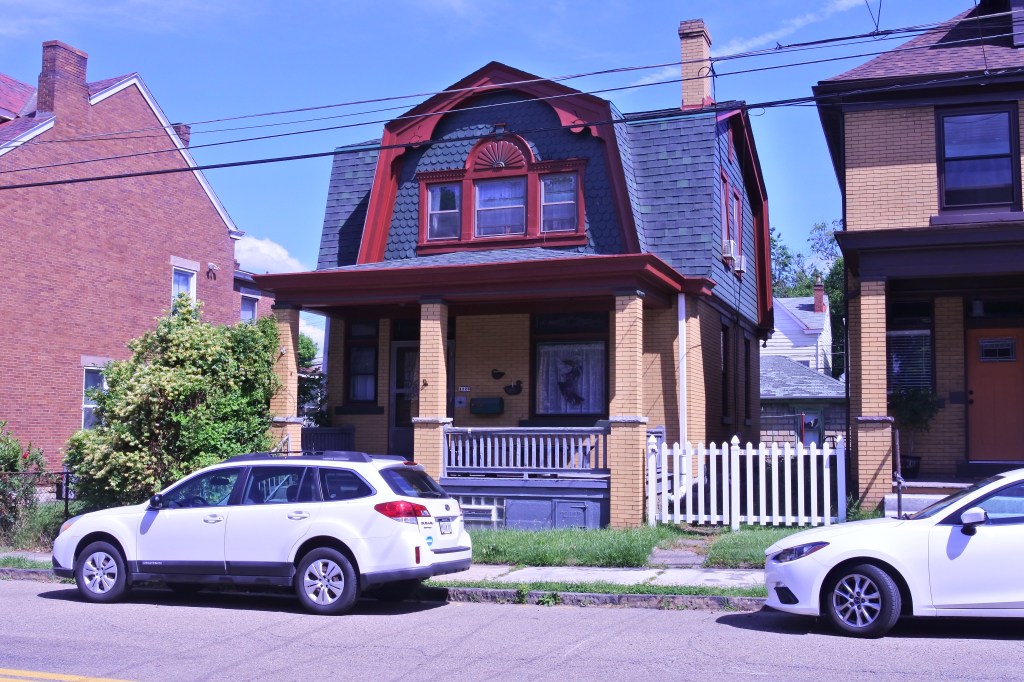


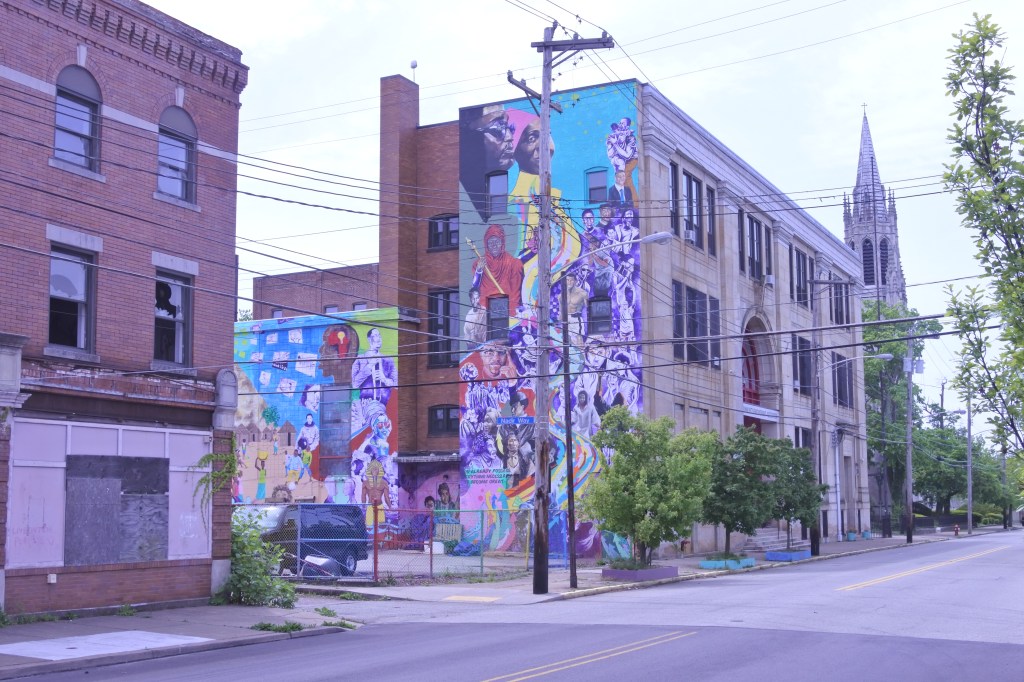


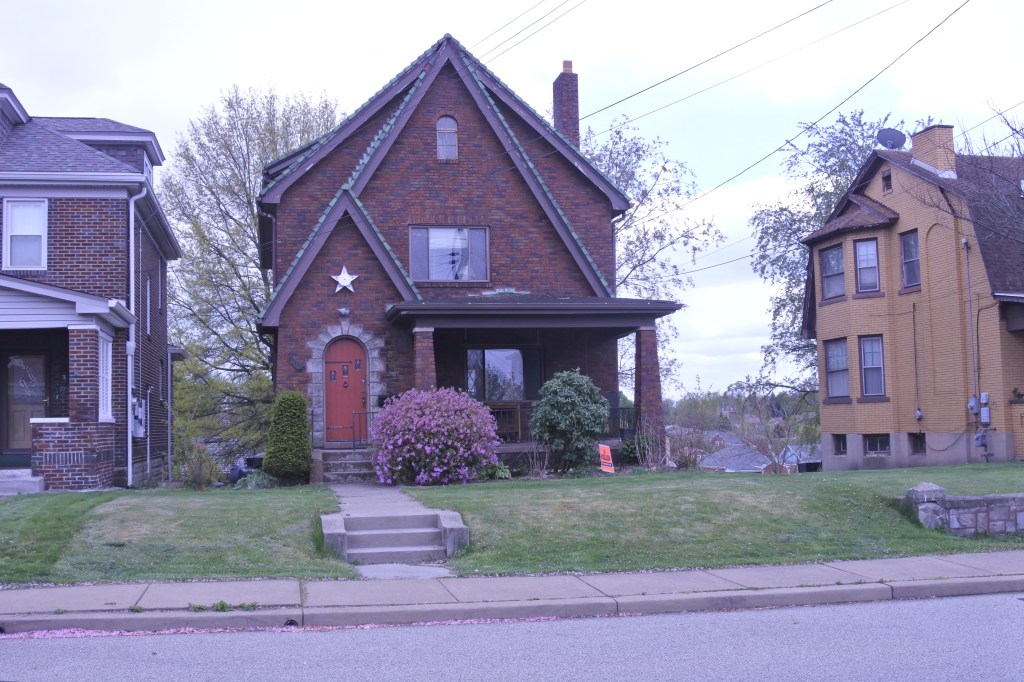
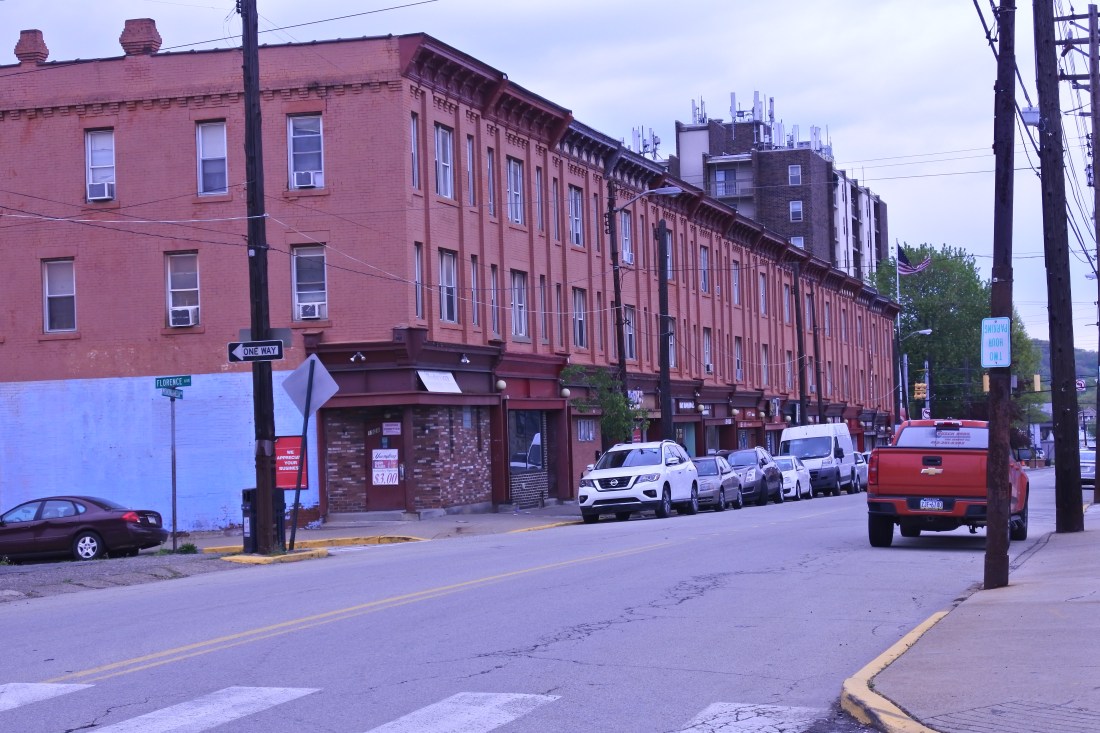


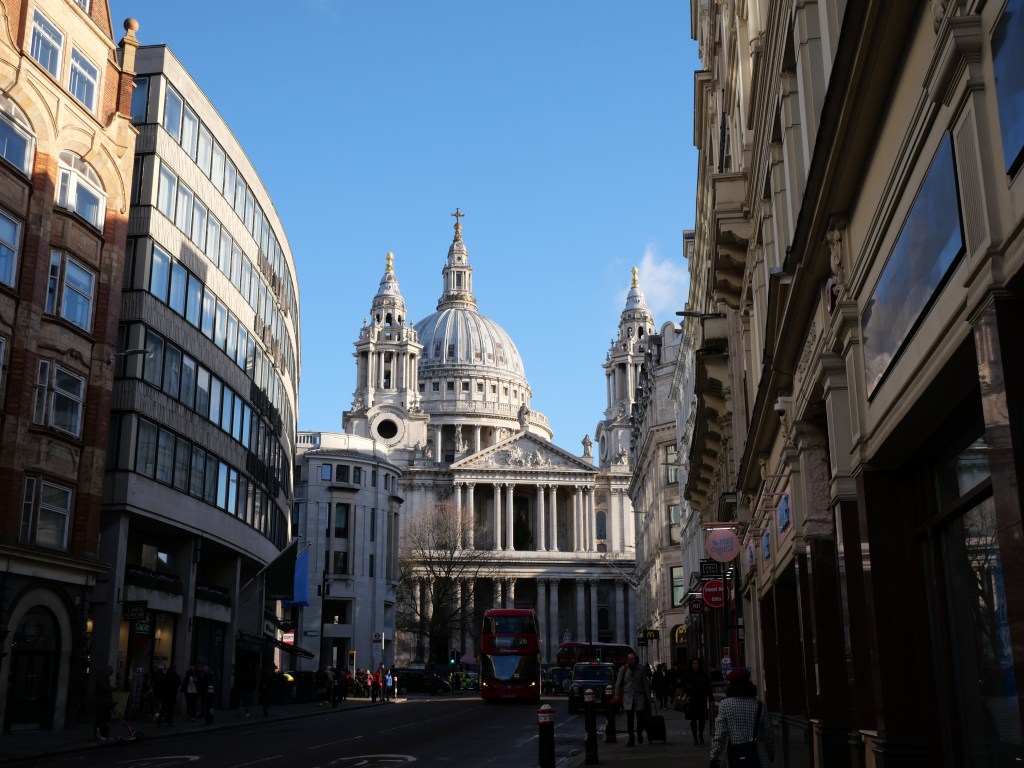
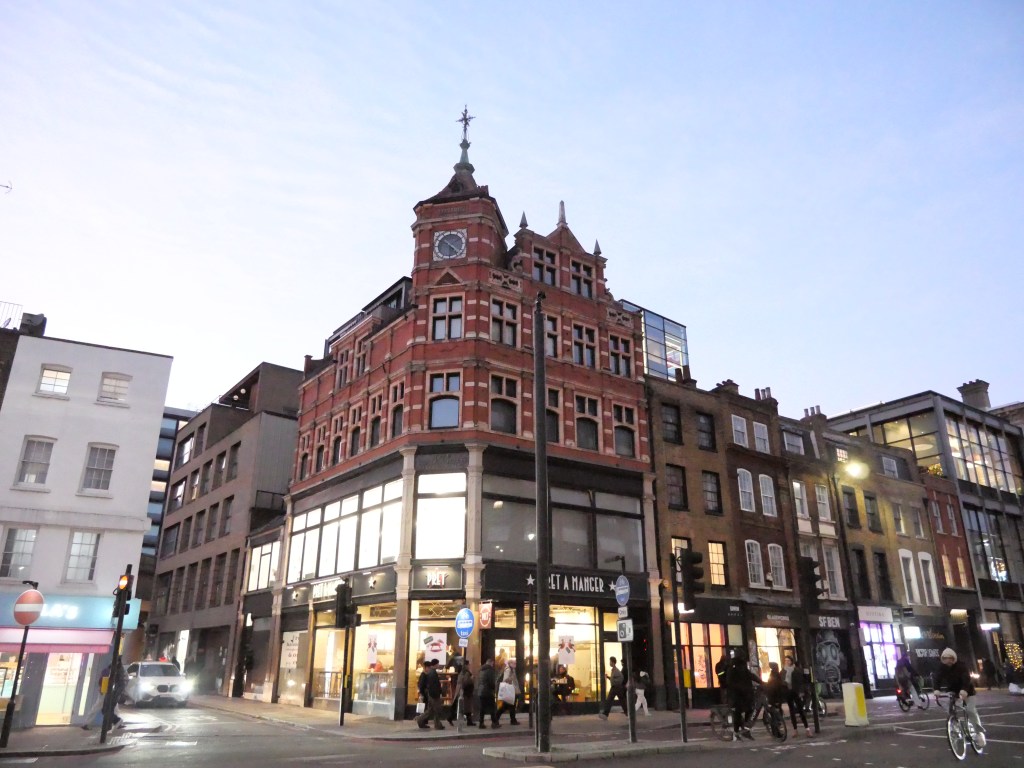
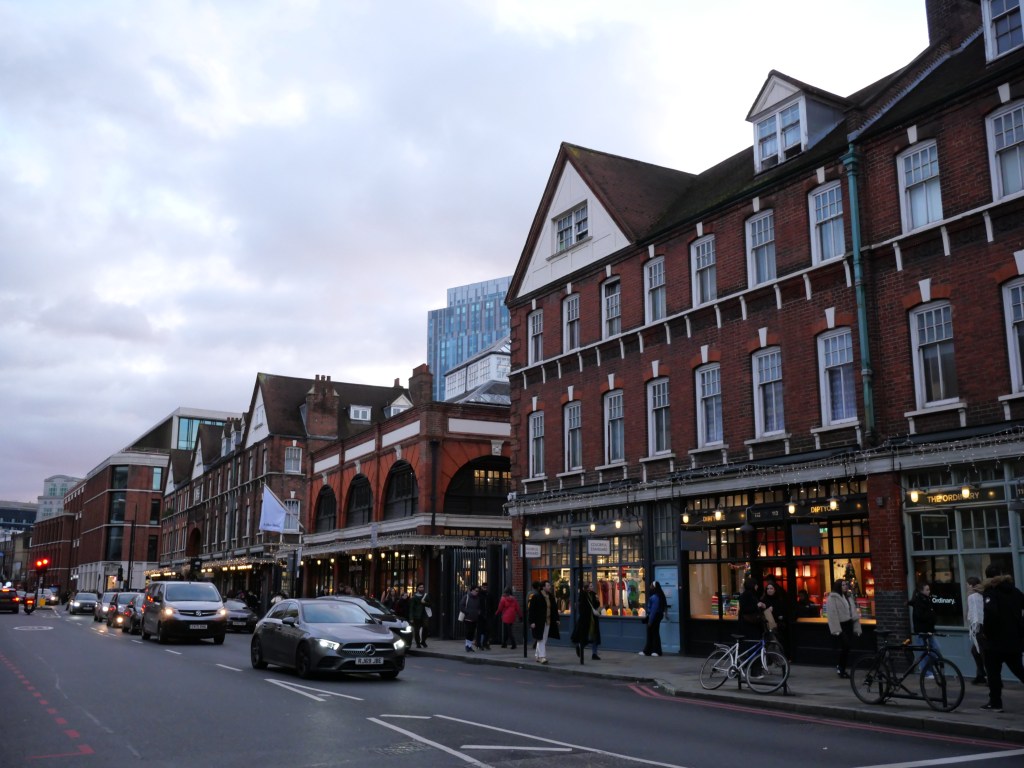
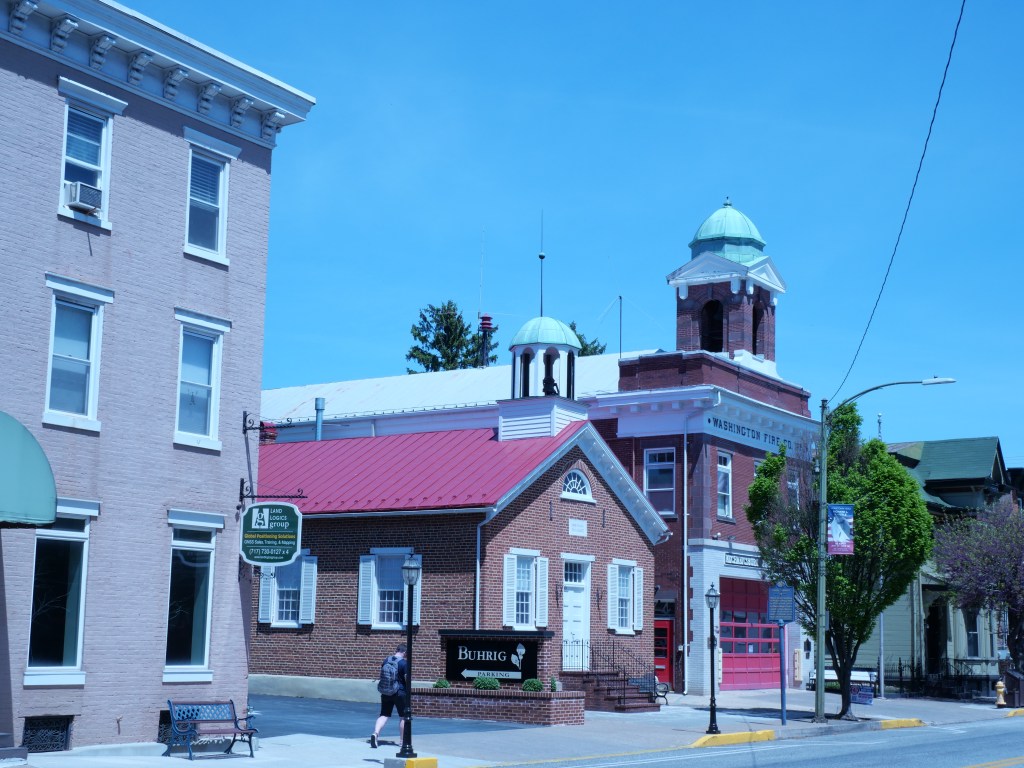
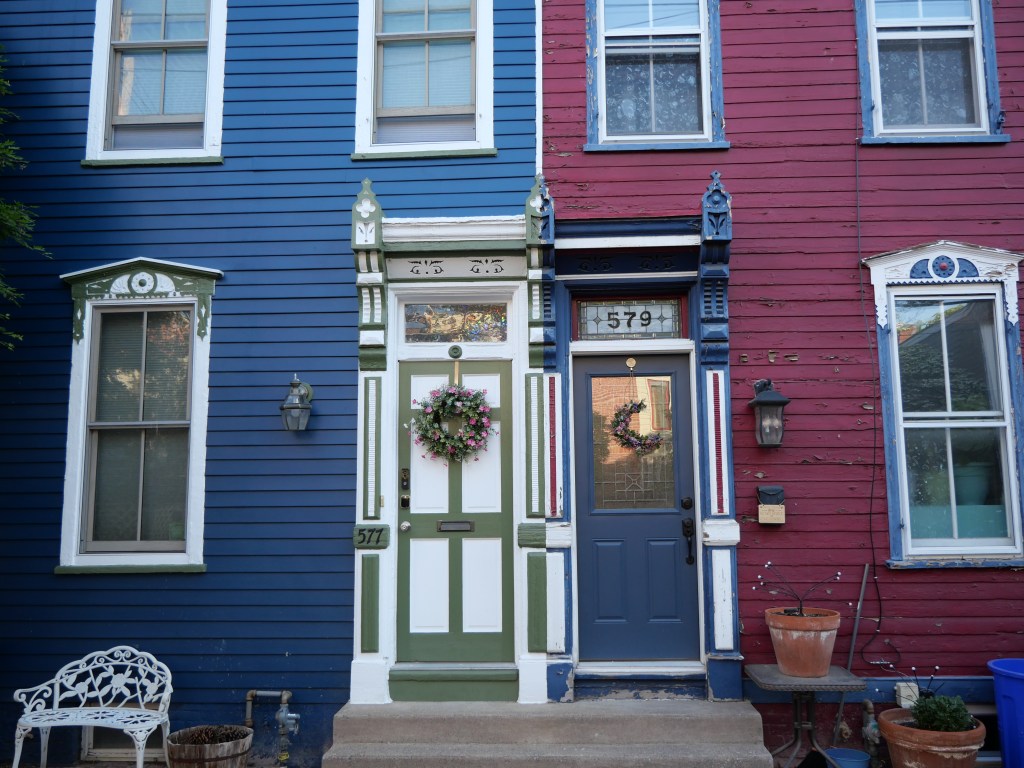
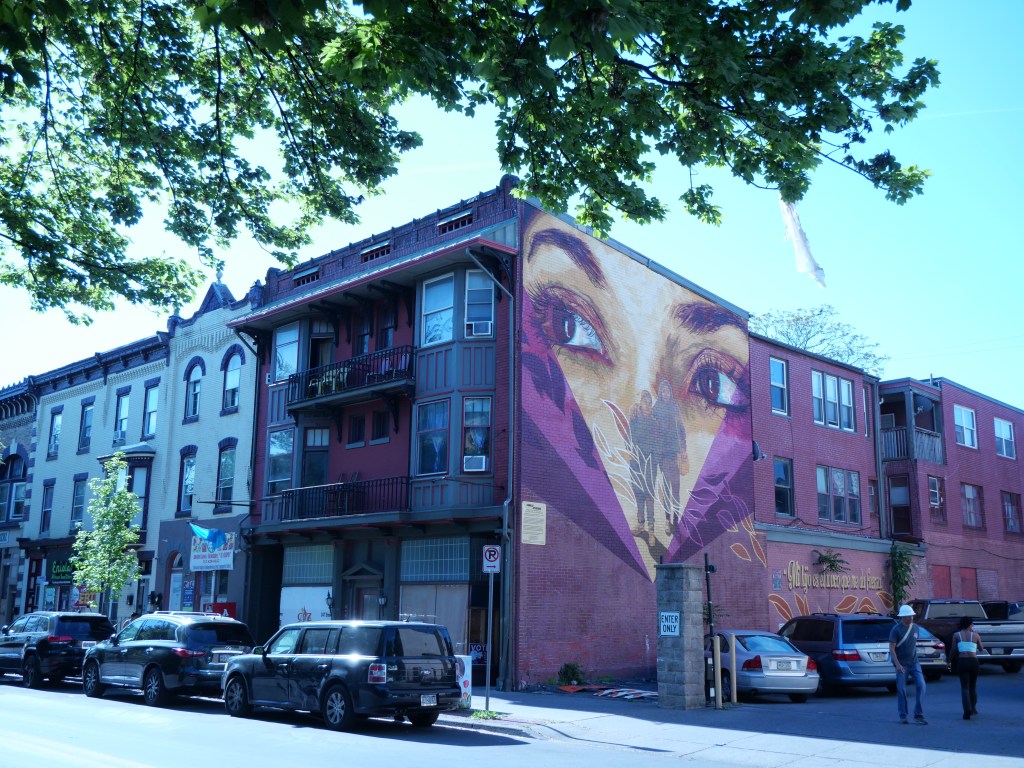
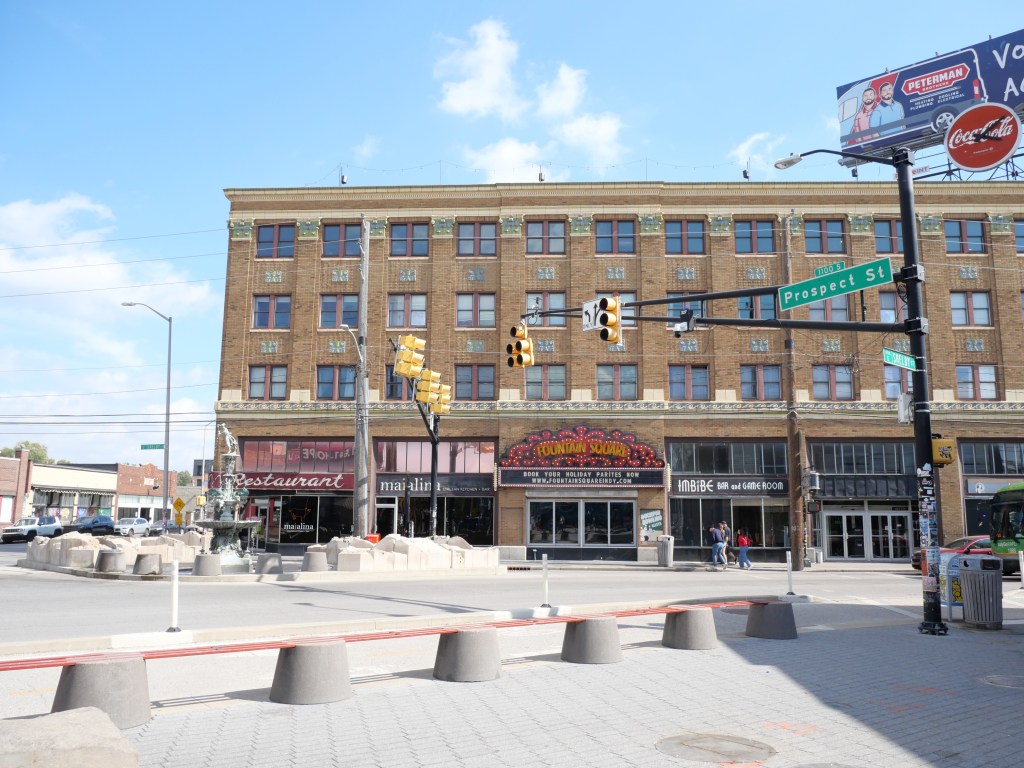
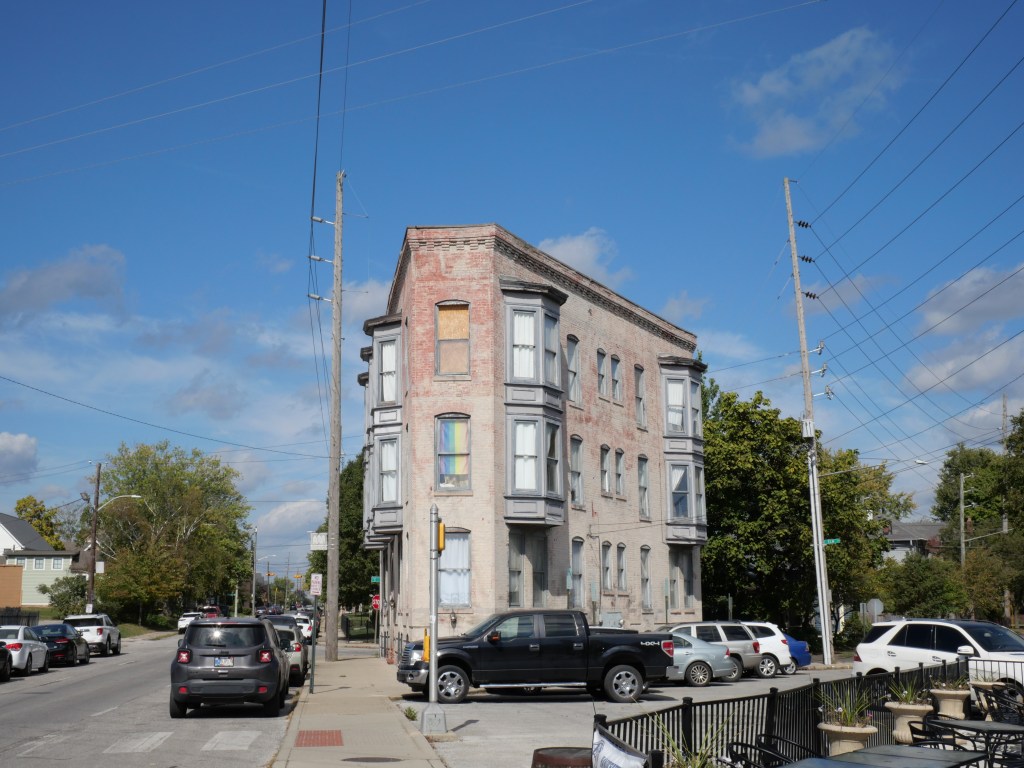
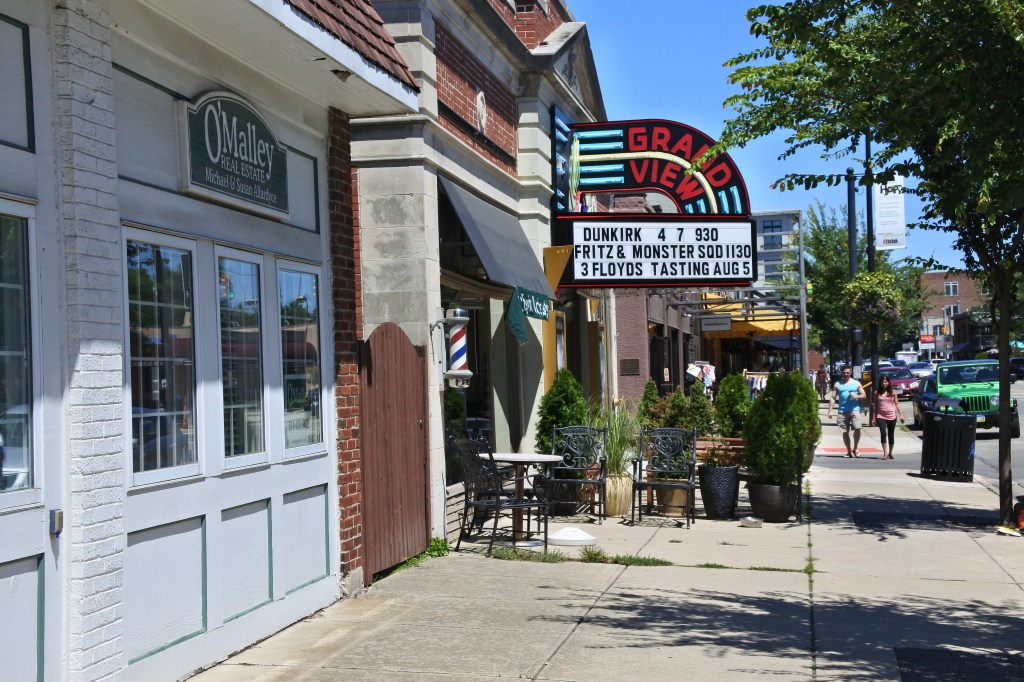
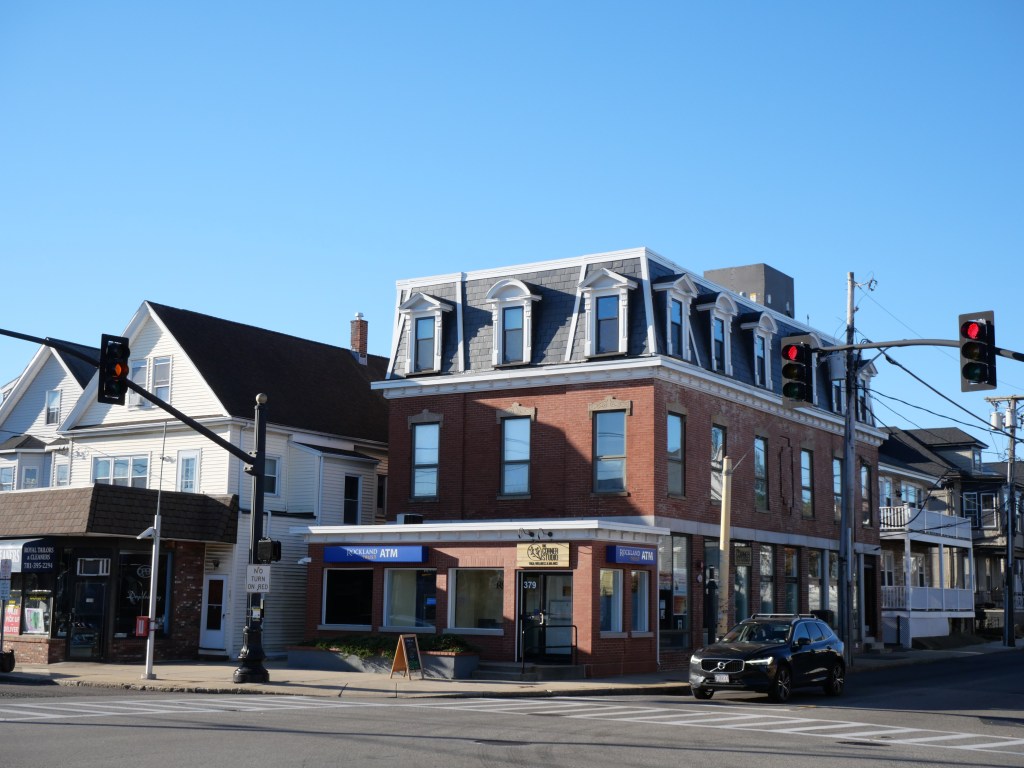
 Evaluating our Urban Communities [with a focus on America]