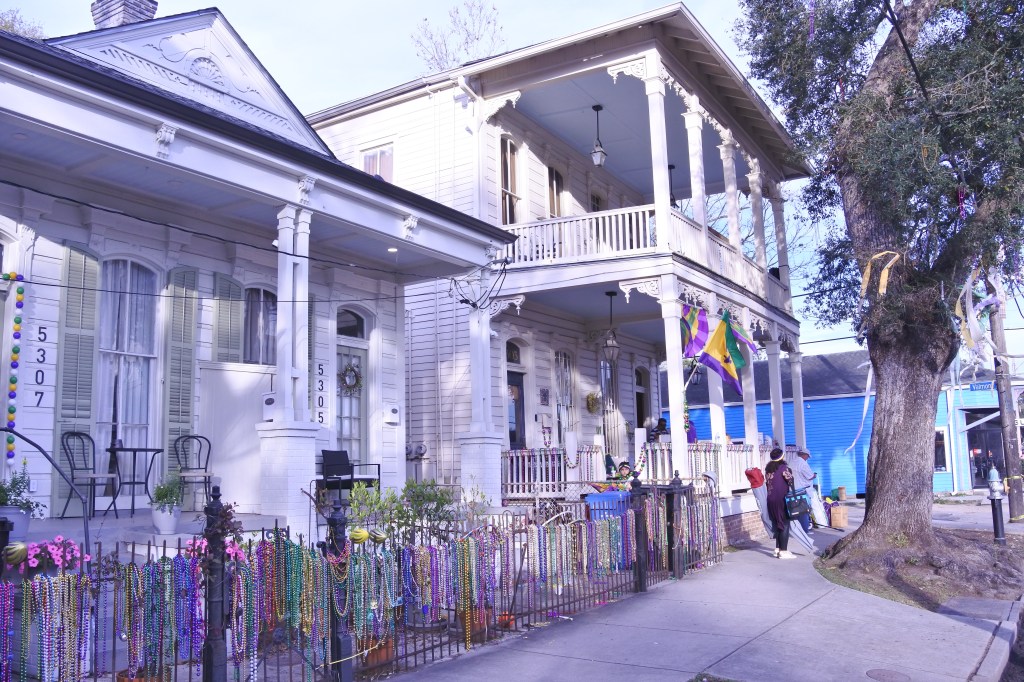
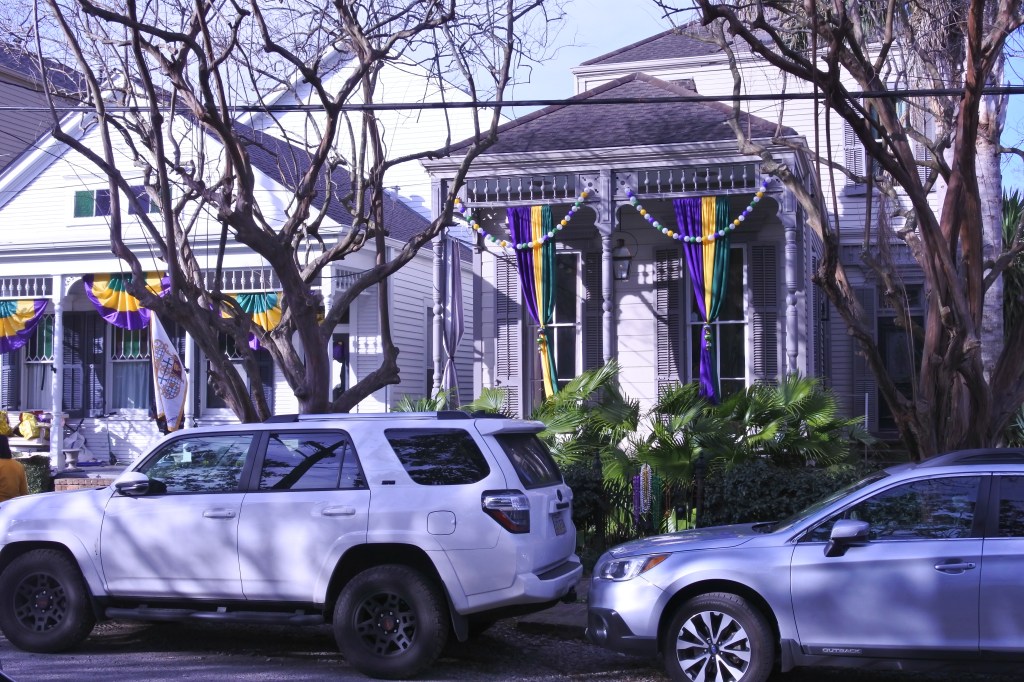
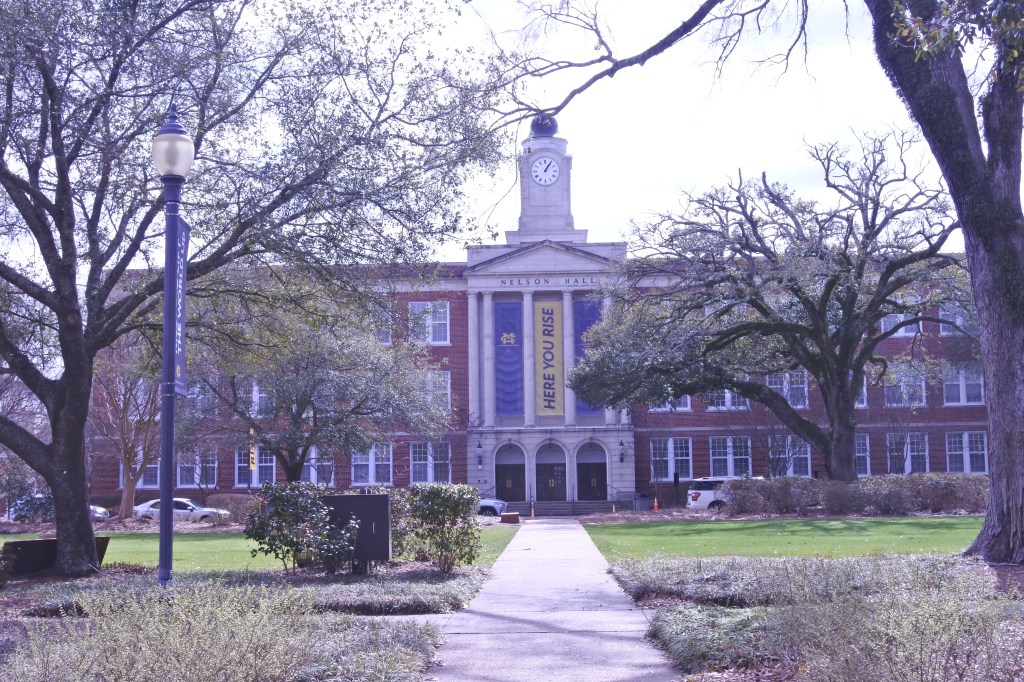
Clinton, MS- hosts Mississippi oldest College and now a Suburb of Jackson

The urban core of Clinton is very small (only .12 square miles) formed by College St. to the South, Clinton Pkwy to the East, West St. to the west and the rail road to the north.

In 1828, the city changed its name to Clinton in honor of DeWitt Clinton, the former governor of New York who led the completion of the Erie Canal. The first road through Clinton was the Natchez Trace. Clinton has the distinction of hosting’s the state’s oldest college, Mississippi College founded in 1826. Like many towns in the South, Clinton remained small before WWII fluctuating between 350-900 residents between 1880-1940. Clinton’s post war population boomed as it became a rapidly growing suburb in metro Jackson.

While Jackson is a pleasant and stable college town within a 15 minute drive of Dwtn Jackson it has a chilling racist past. In the 1870s during the reconstructionist era White insurgents disrupted a voting rally, attacking blacks in what was called the “Clinton Riot.” It resulted in the deaths of several white men and an estimated 50 blacks and was part of the movement in the south to reverse voting rights and the elections of African Americans.

The small historic core of Clinton is pleasant and generally walkable with several food & beverage businesses, some retail, attractive historic homes and commercial, nice tree lined streets, and convenient access to Mississippi College. It would be nice to see more density in the historic core with the additional of a couple mixed-use buildings catering to college students along with more walkable schools in the historic core. Really no public transit to speak of in Clinton and limited (if any) bus options to Dwtn Jackson.
Click here to view my Clinton, MS album on Flickr

URBAN STRENGTHS:

* Great access to Mississippi College, which employees about 1,000 people.
* Good connectivity.
* Great diversity, especially racial and economic.
* Attractive historic residential and commercial architecture. Attractive collegiate architecture as well.
* Excellent Tree canopy.
* Decent park including several sports fields, a pocket park and all the green space in the college quads.
* Culturally a good # of food & beverage bizs, a couple art galleries, a historic museum, a historic home and the performing arts coming from the college.
* Supermarket & Drug store just outside the Clinton Historic Core. Within the Historic Core there are a several boutiques & gift stores, a college bookstore, a bank, several salons, a post office, a couple medical offices, and several churches. Plenty of other retail amenities in Clinton but in the outskirts and not walkable to the core.
* Clinton is one of the most safe communities in MS.
* Nice block and 1/2 commercial node at Jefferson and Main. Good streetscaping and urban form here too.
* Decent pedestrian activity.

URBAN WEAKESSES:

* Low Density for an urban neighborhood.
* Decent sidewalk infrastructure but about 1/3 of all streets are without sidewalks and very few proper ADA curb cuts.
* Really not public transit to speak of here. Not even sure if there is a connection to Dwtn Jackson.
 * Dwtn Jackson is only a 20 drive to Clinton but all other modes of transit are very limited.
* No bike infrastructure to speak of here.
* Modern infill is very limited.
* A couple Christian schools within and around the Historic Core. Good public schools in Clinton but all in the outskirts and not walkable.
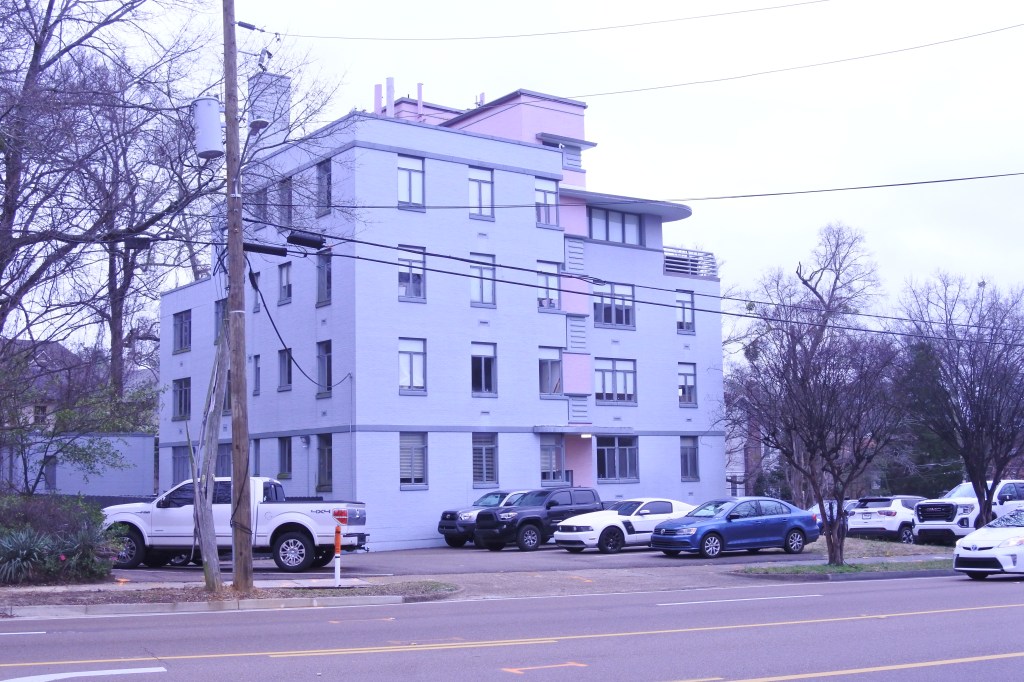
Belhaven- Jackson’s best Urban District

I included most of the traditional areas of Belhaven but excluded the area west of West St. as this is a rather blighted part of the neighborhood and the sliver between the railroad and highway to the east as this is an industrial area.

Belhaven is named after Confederate veteran Jones S. Hamilton’s house, which became the namesake of Belhaven University. Fortification Street, which runs East and West through Belhaven paved over what was once one of the last Confederate battle lines during the Siege of Jackson. Belhaven Heights is the neighborhood’s wealthiest enclave and noticeably more hilly than the rest of the district. Because it hosts several universities and hospitals many of Belhaven’s residents are either faculty or staff working at these institutions. The neighborhood is one of Jackson’s wealthiest communities.

Urban form is not great in Belhaven and the neighborhood lacks a convincing urban business node as found in Fondren. The most promising area for urbanity is the mixed-use node at Jefferson and Manship and the hospital district to the west. State Ave is very mixed-use but the urban form is uninspiring and autocentric. Most residential areas lack sidewalks but connectivity is still decent. For Belhaven to become an quality urban district it needs to densify and create more mixed-use urban infill along State Ave and around the Jefferson and Manship node.

Click here to view my Belhaven album on Flickr

URBAN STRENGTHS:

* Great access to Dwtn being just north of it.
* Decent connectivity.
* Excellent racial and economic diversity. Decent generational diversity.
* Belhaven is generally a safe area but the western edge is a bit rough.
* Several excellent schools along the northern border of Belhaven. A couple other schools throughout the neighborhood.
* No 1-bed homes but decent diversity elsewhere. 2-beds sell btwn 75K-300K, 3 & 4 beds sell btwn 130K-350K.
* Decent park amenities including a playground, recreational trail, a couple medium sized parks, decent quad open space in the two universities, and the expansive LeFleur’s State Park is on its Northeastern border.
* Good cultural amenities including a good # of food & bev businesses, a community theater, cultural amenities from the two universities, a couple live music venues, a College Art Museum, and several historic homes.
* Okay retail amenities too including a supermarket, a couple drug stores & banks, an interesting general store, a couple gift shops, a couple dessert joints & gyms, and convenient access to 3 hospitals and medical offices.
* Attractive first half of the 20th century architecture with some nice historic university buildings as well.
* Good tree canopy, especially north of Fortification.

URBAN WEAKNESSES:

* Low density for an urban neighborhood.
* Nice recreational path along the eastern boundary of Belhaven but not really no other bike infrastructure here.
* Other than the colleges, pedestrian activity is limited here.
* Rentals are pretty limited. Few 1-beds. 2-beds lease in the low-mid 1Ks. 3-beds lease btwn the mid 1Ks to 2K.
* Missing a local library & post office, few churches, and no department or big box stores.
* Most of modern in-fill is pretty ugly and auto centric but some decent urban infill around the Baptist Hospital.
* Urban form and streetscaping are generally sub par. Some hope at Jefferson and Manship with some mixed-use business opening and close proximity to the Baptist Hospital.
* Other than State Ave and Fortification, and a couple other spots, sidewalks are largely absent from the neighborhood.

Fondren- Jackson’s wealhiest community and home to the City’s highest concentration of hospital

I excluded the portion of Fondren north of the Eubanks Creek as this is the most suburban part of the neighborhood and most disconnected from the urban node along State St.

Fondren has an interesting history as it was once home to the Mississippi Lunatic Asylum and known as ‘Sylum Heights’. It was annexed by the city in 1925 and the Asylum was eventually replaced with a bustling and vibrant medical community, (i.e. University of Mississippi Medical Center and St. Dominic’s Hospital). The Neighborhood’s commercial district along State and Mitchell was built up by the 1930s and residential areas filled in by WWII. Like most of Jackson, Fondren was started to decline in the 1980s with the region’s intense movement away from the City into the suburbs. Fortunately Fondren residents rallied and were able to reverse course with a strong community organization (called Fondren Renaissance Foundation) and the neighborhood stabilized. Fondren along with Belhaven to the south are Jackson’s most prosperous neighborhoods and still manage to have good racial and economic diversity.

Fondren isn’t great from an urban perspective. The Mitchell and State Ave road is a decent two block urban commercial district and there is some urbanity in the hospital district, but most residential areas, albeit developed between the 1930s and 1950, lack sidewalks and have the density and connectivity more similar to a suburb. There has been some mixed-use infill along State Street. I hope this continues and connects to the Fondren Hospital district helping to create a real urban node in the neighborhood.

Click here to view my Fondren Album on Flickr

URBAN STRENGTHS:

* Good access to Dwtn given Fondren is only 2 miles away. Fondren also hosts an expansive Hospital Complex.
* Nice two block long commercial node along State St.
* Good diversity statistic especially economic and racial.
* Other than the western edge of the neighborhood Fondren is very safe.
* Decent # of rentals especially 2-beds. 1-beds lease around $850, 2-beds generally in sf homes lease btwn 1K-1.5K, and some 3-beds that lease for a bit more.
* No 1-bed homes but decent diversity elsewhere. 2-beds sell btwn 75K-225K, 3 & 4 beds sell btwn 125K-500K. Some larger homes sell for more.
* Very dense tree canopy outside of the hospital district.
* Good cultural amenities, especially for Jackson, including many food & beverage business centered around Mitchell and State Ave., a couple live music venues, a historic movie theater, a couple art galleries, and several museums along Fondren eastern border.
* Good retail amenities including a Piggly Wiggly, a couple grocerias, several drug stores & banks, some boutiques/clothing stores, good number of gift shops and unique retail options, a couple florists, a local post office, and several major hospitals and tons of medical offices

URBAN WEAKNESSES:

* Sidewalks existing on about a1/3 of the neighborhood and ADA curbs are even less frequent.
* Biking infrastructure is almost non-existent.
* Public Transit access is so so.
* Limited # of schools within Fondren but some excellent ones along its southern border with Belhaven.
* Only one smaller park within Fondren. Expansive state park on the SE corner of the neighborhood but located across a highway.
* Very low density for an urban district.
* Missing a local library, few churches, and no department or big box stores.
* Much of the retail is along auto centric roads and not terribly walkable.
* Much of the modern infill is auto centric strip development but some decent infill at Mitchell and State and the Hospital architecture is ok.

Zeeland Place/Zee Zee Gardens- Baton Rouge’s most Exclusive Historic Neighborhood

Zeeland Place/Zee Zee Gardens is a higherend mostly residential area developed between the 1930s-1950s. Unlike the Garden District or Capital Heights neighborhoods to the north, Zeeland Place never experienced any disinvestment and has remained one of Baton Rouge’s strongest real estate markets.

There is a decent concentration of restaurants, bars, and retail amenities along Perkins Rd and I-10 with some assemblance of urban form. But walkability isn’t great in Zeeland Place with mediocre public transit, a lack of sidewalks along residential streets, and very low density. But the neighborhood excels at more traditional suburban amenities including quality schools, low crime rate, good park access, a thick canopy, and well maintained homes. Zeeland Place has very convenient driving access to Dwtn and is pretty quick to bike to as well. Similar to Capital Heights, I don’t see much likelihood of a major urban transformation here but a good place to start would be creating more mixed-use apartments along the main throughfare, Perkins St.

Click here to view my Zeeland Place Album on my Flickr Page

URBAN STRENGTHS:

* Solid access to Dwtn especially via car and bike. Public transit access is okay.
* A couple dedicated bike stations located in Zeeland plus a dedicate bike path nearby running thru City-Brooks Community Park.
* Lots of family households in Zeeland Place.
* Not a ton of schools but a handful large ones that are rated well.
* Pretty thick tree canopy here.
* Good access to the expansive City Brooks Community Park, but not much else in Zeeland Place Parkwise.
* Crime is very low here. Probably one of Baton’s Rouge’s safest communities.
* Attractive 1920s-1950 homes

URBAN WEAKNESSES:

* Very low density for an urban area.
* Sidewalk comprise only about 1/3 of all streets and are concentrated on the main streets. Really not ADA curbs to speak of.
* Connectivity is so so. Good number of dead end and curvilinear streets.
* Limited economic and racial diversity as this is higher end White neighborhood.
* Rentals are limited in Zeeland Place. What does exist is on the higher end.
* For sale housing is generally higher end. No 1-beds but a fair amount of 2-beds including a handful of condos. They sell btwn 150K-500K. 3 & 4 beds sell btwn 250K-650K. Handful of mansions in the district that sell for around 1M.
* Okay culturally including a decent # of food & beverage businesses concentrated along Perkins, convenient access to a couple museums at the City Brooks Community Park and a golf course.
,* Okay retail amenities including a Trader Joe’s, a bookstore, a couple gift shops & boutiques, a several banks,  a book store, several salons, a couple churches, a dessert joint and post office.
* A handful of commercial bldgs with decent urban form along Perkins but mostly strip malls and auto centric bldgs.

Capital Heights- An attractive 1920s/30s Historic Neighborhood in Baton Rouge’s Midtown District

I choose a tighter review area for Capital Heights between just Government St to the north and Claycut Road to the south. Development started in Capital Heights in 1918 and filled in by the 1950s. The district experienced some deterioration in the 60s-80s but stabilized in the 1990s thanks to a strong civic organization and sense of pride in the neighborhood.

Capital Heights excels with attractive 1920s-1930s homes, convenient access to Dwtn, and typical suburban amenities like good schools, low crime, decent retail amenities and a pretty thick tree canopy. Unfortunately walkability isn’t great here due to a lack of sidewalks along residential streets, low density, mediocre public transit service, a quasi- autocentric commercial district along Government St. I’d obviously like to see a lot more density in the neighborhood. The logical place to start is to building mixed-use apartment buildings along Government St. It would take a drastic redesign of the community for it to become a quality urban area.

Click here to view my Capital Heights Album on Flickr

URBAN STRENGTHS:

* Solid access to Dwtn being only a 10 minute drive to Dwtn.
* Great street connectivity.
* Nice pair of dedicate bike lanes going west to east but not bike stations in Capital Heights.
* Great economic and generational diversity. Rather poor racial diversity as 90% of the neighborhood is White.
* No schools within Capital Heights but several quality schools in nearby Garden District and a couple to the north.
* Pretty good mix of moderate and more expensive for sale housing. Really only a few 1-beds but good # of 2-beds that sell anywhere btwn 135K-335K, 3 & 4 beds sell between 250K-700K
* Solid tree cover.
 * Attractive 1930s & 1940 architecture.
* Decent cultural amenities including good # of restaurants, bars, and cafes along Government St. A couple art galleries, a couple live music venue.
* Decent retail amenities include a supermarket & a couple specialty grocers, a drug store, A YMCA, a couple gift shops and creative stores, a couple bakeries, a bike shop, a furniture store, a post office, and a couple churches.

URBAN WEAKNESSES:

* Pretty low density of an urban district.
* Sidewalks and ADA curbs only exist along Government St. No sidewalks in the residential streets.
* Government St has few urban spots in Capital Heights but generally is pretty auto centric.
* So so public transit access.
* Rentals a bit limited but generally moderately priced. 1-beds lease 1K, 2-beds btwn 1K-1.5K, 3-beds btwn 1.5-2.5.
* Only a couple pockets parks within Capital Heights itself. Playground and golf course a block to the south.
* Other than some attractive mid-century architecture modern in-fill is modestly crummy auto centric infill.
* A couple decent stretches of urban form along Government St but generally is very autocentric. Streetscaping is decent however.
* Missing retail including a public library, hospital, medical offices, banks

Beuregard Town- A 19th Century District South of Downtown Baton Rouge

The Beauregard Town district is bordered by the freeway to the south and east, and North Ave to the north. This district goes all the way to the Mississippi River south of Government. North of here the western border is St. Louis St.

Beauregard Town is the second-oldest neighborhood in Baton Rouge and was designed during the Spanish period. With a unique street configuration, tree-lined boulevards at its borders, and open plazas throughout, it was envisioned as a new administrative center for the growing city as well as an elite new residential area. The neighborhood still contains important historic landmarks such as the Old State Capitol, the Old Governor’s Mansion, and other significant city and parish government buildings. The neighborhood’s plan was supposed to center on a cathedral square, from which four diagonally radiating streets led to open spaces and public buildings,. The street grid was realized but many lots remained empty until the late nineteenth century, when a building boom replaced open spaces set aside for public plazas. The neighborhood contains a diverse array of housing built throughout the 19th century as Baton Rouge’s growth was slow throughout much of the century.

From an urban perspective Beauregard Town benefits from its walkable proximity to Dwtn moderately priced historic homes, safety, and cultural amenities. But because growth was slow auto centric development and parking lots have scared much of the neighborhood’s fabric creating an often semi-urban environment. The district needs more density and retail options, better public transit, more walkable schools, and a complete rehaul to the auto centric Government Street corridor.

Click here to view my Beuregard Town Album on Flickr

URBAN STRENGTHS:

* Great access to Dwtn being adjacent to it.
* Great street grid including diagonal streets running to the center of the neighborhood.
* Good bike share coverage in Baton Rouge. Also a bike sharing lane runs down North Ave.
* Nice mix of affordable and moderately priced homes. A few 1-beds homes sell here for btwn 150K- the low 200Ks, 2-beds sell btwn 150L-350. 3 & 4 beds sell btwn 225K-450
* Generally a pretty safe area.
* Attractive late 19th century architecture with good variety of styles.
* Solid tree canopy.
* Good cultural amenities including a several restaurants, bars, a couple museums & casinos, a couple live music venues & night clubs, a couple breweries, the historic governor’s house, and convenient access to lots of cultural amenities Dwtn. 

URBAN WEAKNESSES:

* Very low density for an urban area.
* ADA compliant curbs are generally along  North Ave, Eastern Ave and Government St. Missing at most residential intersections.
* Decent but not great public transit access. Pretty limited for an inner city urban district.
* Not great demographic data on the neighborhood but appears to not have great racial and economic diversity.
* A couple good schools Dwtn and other small ones with mixed ratings.
* Rental options are moderately priced in Beauregard Town but pretty limited.
* In fill is a mixed bag. Good residential SF and MF buildings. Some crummy auto centric commercial bldgs esp. along Government St.
* Pedestrian activity is a pretty limited other than North Blvd.
* Retail amenities limited to a couple banks, gyms,. salons, several churches, and the main Dwtn library. Decent amount of dwtn retail amenities within 0.5-1.5 miles of the district.
* The main biz district Government St is pretty auto centric. So so urban massing through the rest of Beauregard Town but a good amount of surface parking.
* Parks are a bit limited in Beauregard Town but there is a nice recreational trail along the river, a pedestrian promenade within North Blvd. and several attractive plazas next to the public library and old Capitol Bldg.

West Riverside- Stable riverside neighborhood in New Orleans’ Uptown District

The West Riverside name is a modern invention by NOLA’s City Planning department to break up the vast Uptown/Carrollton Area. Not sure if locals even use the “West Riverside” name to refer to the neighborhood. Being along the river the West Riverside neighborhood really stops at Tchoupitoulas. South of here to the Mississippi River is a pretty inaccessible industrial area. The topology of the housing stock is mostly more modest shot guns and bungalows with some more regal Uptown housing mixed in. Housing prices, however, are almost as high as surrounding neighborhoods like Audubon and Uptown, which do have larger southern mansions.

West Riverside has a high level of walkability with convenient access to the lengthy Magazine business district, lots of bars, restaurants, & cafes mixed throughout the neighborhood, and good public transit access. There are several areas for improvement that prevent West Riverside from being a top NOLA neighborhood. That includes limited access to park and recreational space, mediocre schools, limited bike infrastructure,  a spotty tree canopy, and a rather autocentric/industrial corridor running down Tchoupitoulas Street. Like other Uptown neighborhoods, West Riverside could use more affordable housing options and racial diversity. 

Click here to view my New Orleans Album on Flickr

URBAN STRENGTHS:

* Decent urban density.
* Good public transit and solid access to Dwtn via biking, driving, and public transport.
* Highly efficient and gridded street grid.
* Good walkability thanks to hosting the Magazine commercial district throughout its entire length. Lots of mixed-use development through the district.
* Solid generational diversity with good age diversity and about 35% of households with kids.
* Good # of rentals, generally on the pricy side, but some more moderately priced options. 1-beds lease anywhere btwn 1K-2K, 2-beds rent btwn the low 1Ks to low 2Ks, also some 3-beds that lease anywhere btwn 2K-4K.
* ADA curb cuts exist on about 50% of all intersections. Generally good sidewalks but some bad spots in parts.
* Attractive historic housing but more modest that other Uptown neighborhoods with all the shot gun river houses here.
*Overall a very safe community.
* Good cultural amenities including a lots of good & bev bizs, several cafes and night clubs, and several live music venues.
* Solid retail amenities with 3 full service supermarkets, a couple drug stores, plenty of boutiques, gift shops & salons along Magazine Street, a couple book stores, a toy store, a couple banks, several florists, plenty of dessert shops, and a couple gyms. Also a public library, and a children’s hospital.
* Generally good urban massing along Magazine Street.

URBAN WEAKNESSES:

* Dedicated bike lanes along Napoleon but nowhere else. West Riverside is unfortunately outside of the dedicated bike share zone.
* Economic diversity is pretty limited as this is a solid upper middle class neighborhood.
* For sale hsg is generally pretty expensive but some more modestly priced smaller options. 1-bed homes sell anywhere btwn 200K- 600K. 2-beds sell btwn 350K-850K. 3 & 4 beds sell anywhere btwn 450K-1.3M.
* Really no dedicated affordable hsg in the neighborhood.
* Parks amenities are so so . Great access to Audubon Park in the western age of the neighborhood. Pretty limited park access in the eastern half of the district.
* A decent # of schools within West Riverside and nearby mixing a several private and public/charter schools. Public/charter schools are not ranked well.
* Missing a local post office, few churches here, only a handful of medical offices, and o chain clothing or department stores.
* Modern architecture is mainly limited to crummy strip malls along Tchoupitoulas St and Magazine St. Some good infill homes. Tchoupitoulas is has some pretty bad autocentric stretches.
* Tree canopy is so so.

Audubon- One of New Orlean’s Wealthiest Uptown Districts

Audubon is Uptown NOLA’s  largest neighborhood by far covering more or less the area between Lowerline St to the west and Jefferson Ave to the east with the subtraction of West Riverside along the Mississippi. The name Audubon comes from Audubon Park, one of the largest parks in the city. The area is also known as the “University District,” as it is home of Tulane and Loyola Universities, as well as the former St. Mary’s Dominican College and Newcomb College.

Audubon is one of New Orleans wealthiest neighborhoods never really experiencing disinvestment except perhaps along its north edge by Claibourne Avenue. The portion of the district between St. Charles and the Mississippi River contains the most attractive historic homes from the late 19th century. This is also where the attractive Magazine Street business district runs through the neighborhood and Audubon Park is located. The Northern half of Audubon (btwn St. Charles Blvd and Claibourne) is more modest early 20th century development where the universities are located but with limited retail options.

Audubon excels with many quality schools, great park amenities at Audubon park, good retail & cultural amenities, good walkability, and is one of NOLA’s safest districts. Areas for improvement in Audubon include more affordable housing, better bike infrastructure, and more retail amenities especially in the northern half of the neighborhood.

Click here to view my Audubon Neighborhood on Flickr

URBAN STRENGTHS:

* Solid urban density.
* ADA curb cuts exist on about 50% of all intersections. Generally good sidewalks but some bad spots in parts.
* Just under 70% White but good diversity with about 10% of the population being Hispanic, Black, and Asian respectively.
* Generally higher incomes here but still a good amount of income diversity across the board.
* Age skews with colleges kids with Tulane and Loyola Universities here but large number of families w/ kids throughout the district.
* Solid public transit and good access to downtown via driving, biking, or public transit.
* Very connected and gridded street grid but with some intrusions with the universities.
* Audubon is one of the safest neighborhoods in NOLA, which helps it hold such a high image.
* Solid Historic architecture esp. south of St. Charles Blvd.
* Excellent tree canopy in Audubon.
* Good # of schools, especially Catholic private schools here. Several public and character schools as well that are generally rated well too.
* Great park amenities thanks to Audubon Park along with includes several lagoons, the NOLA Zoo, a golf course, several playgrounds & ballfields, walking/biking trails, and park shelters. Several quads at Tulane and Loyola as well not  much else.
* Good cultural amenities including a decent # of food & bev businesses, theaters & performing arts centers at Tulane & Loyola, a couple live music venues, and a couple museums and historic homes.
* Good retail amenities too including a Wholefoods and a local supermarket, a couple pharmacies, several boutiques and gift shops, a local bookstore and a couple university bookstores, a couple banks, a toy store, plenty of salons & barber shops, a couple wine stores, several bakeries/dessert shops & gyms, post office and library in the universities, several churches, and convenient access to a children’s hospital. 

URBAN WEAKNESSES:

* Dedicated bike lanes along St. Charles but nowhere else. Audubon is unfortunately outside of the dedicated bike share zone.
* Good # of rentals but on the pricy side. 1-beds lease btwn the low 1Ks to low 2Ks. 2-beds lease btwn 1.5K-3K. Plenty of 3 & 4 beds leasing as well where 3-beds generally lease btwn 2K-4K.
* For sale housing on the expensive side too but some smaller more moderately priced options. Some 1-bed options that sell anywhere btwn 150K-500K, 2-beds sell btwn 300K-1 M. 3 & 4 beds sell btwn 450K-2M with some larger mansions selling for even more.
* Dedicated affordable housing in the neighborhoods seems pretty limited.
* Most retail is concentrated along Magazine Street in the extreme Southeast section of the neighborhood.
* Only modern in-fill is concentrated in the universities.

Hollins Market- Home to Baltimore’s Oldest Continually Operating Market

The Hollins Market neighborhood is anchored by long time Hollins Market, which is Baltimore’s oldest existing public market. In 1838 the market was rebuilt after a fire and expanded in 1864. The neighborhood has long been considered one of Baltimore’s most promising neighborhoods because of its proximity to the University of Maryland, Baltimore Medical Center, and Downtown. A slow rise in real estate values and renovations has likely been occurring since the 2000s. But Hollins Market was not as hard hit by blight and disinvestment as other surrounding West Baltimore neighborhoods. Baltimore Avenue, and the neighborhood’s western and eastern edges suffered the most disinvestment. Hollins Market has been building it image more recently thanks to the Sowebo Arts and Music Festival which draws hundreds of art and music lovers to the district every Memorial Day Weekend. Increasingly more and more students, young families, and professors have moved into the district.

From an urban perspective Hollins Market is mostly in tact and excels at solid walkability, great public transit access, good density, moderately price for sale product, good park, retail and cultural amenities, and attractive historic architecture. To be a great urban district Hollins Market needs better bike infrastructure, better ADA curb cuts, more rental options (esp. 1-beds), several key retail amenities, more walkable schools, and a stabilized and vibrant Baltimore Avenue.

Click here to view my Hollins Market album on Flickr

URBAN STRENGTHS:

* Good urban density.
* Highly convenient access to Dwtn across all modes. All 1 mile from Dwtn.
* Solid public transit access as well.
* Great connectivity with a gridded street grid and lots of smaller connecting alleyway streets. Some deadens however.
* Overall pretty safe neighborhood. Still some crime but neighborhood has benefitted from increased security and police presence from neighboring University of Baltimore, which has begun to buy real estate in the neighborhood.
* Good for sale housing market with some 1-beds ranging anywhere from 75K-200K. 2-beds sell btwn 100K-275K. 3 & 4 beds sell btwn 125K-400K.
* Several small to medium parks spread throughout the neighborhood.
* Decent tree canopy.
* Good cultural amenities including several restaurants and bars, a historic but small market, the Lithuanian Hall, a local puppet theater, the B&O Museum and Irish Railroad Museum. Also 1 mile from all the cultural amenities Dwtn.
* Retail amenities including serval local grocerias, a pharmacy, several local boutiques and gift shops, a couple banks, several salons & barber shops, a couple doctors offices, a couple churches, and the University of Baltimore Hospital complex is just east of the neighborhood.
* While there are lots of holes on Baltimore Avenue urban form, overall is pretty good in Hollins Market.
* Attractive historic architecture here mostly from the late 1800s but some mid century buildings too.

URBAN WEAKNESSES:

* Good sidewalks throughout but proper ADA curb cuts make up only 1/3 of all intersections.
* Really no dedicated bike lanes here and limited dockless bikes and scooters around.
* Families with Children is a bit limited but a good # of young adults and students living here thanks to University of Maryland’s presence nearby.
 * Some vacancy and grid exist (especially on the western and southern end of the neighborhood).
* Only one school, an elementary school is located in the neighborhood. Only a handful of schools in surrounding neighborhoods are generally not rated well.
* Limited 1-bed and 2-beds rental available. 1 beds range anywhere from $700 to the high 1Ks. 2-beds and 3-beds lease btwn the mid 1Ks and low 2Ks. 3-bed apts are the most available.
* Missing a dedicated cafe, art galleries, a full service supermarket, a brand name pharmacy, a hardware store,
* Baltimore Street, the neighborhood’s historic commercial district, is very blighted and has few occupied store fronts. Still much of it is in tact so there is great potential here for a wonderful community service biz district.
* Not much modern infill but some nice stuff along the eastern blocks of Baltimore as the University of Maryland creeps westward. Some ugly 60s & 70s along MLK Blvd.

East Broadway- Slowly emerging East Baltimore Neighborhood and Home to the Historic American Brewery

East Broadway’s development really started to take off in the 1870s with the construction of high-density, but low-scale two and three-story rowhouses until the 1930s Larger scale 3-story rowhouses are mostly evident along Broadway and Chase Avenues (western and southern edges, respectively). Historically, North Gay Street was the site of six breweries, which were established between 1853 and 1867. The American Brewery complex survives to document the lively brewery history of the area and was recently renovated. Though the area was historically middle-class, it has since the 1960s experienced significant economic depression, housing abandonment, and increased crime. The neighborhood was particular affected by the Baltimore riot of 1968 and in modern days was a filming location for The Wire e HBO series.

While much blight remains in East Broadway a strong stabilization and redevelopment initiative formed the TRF Development Partners (now Rebuild Metro) that has pumped millions into the neighborhood and stabilized and redeveloped hundreds of homes. The results of this initiative can be seen with a slowly emerging real estate market (newly renovated homes are now selling btwn 200K-300), and many well renovated apartment buildings. This is particularly evident along the western and southern edges of the neighborhood. With the momentum of this initiative and John Hopkins Hospital sitting less than 0.5 mile from the neighborhood’s southern borders, its only a matter of time before the neighborhood is fully stabilized. However, the revitalization of North Avenue, East Broadway’s historic commercial district, has seen very limited revitalization work. Retail and food & beverage business are very limited here.

Click here to view my Broadway East Album on Flickr

URBAN STRENGTHS:

* Solid public transit access.
* Excellent connectivity with a consistent grid, lots of smaller alley streets, and diagonal Gay St cutting through the length of the neighborhood.
* Decent park amenities including the Collington Park (a nice medium size square), the Collington recreational center, and Eager Park.
* Good # of rentals but few 1-beds. 2-beds lease in the mid 1Ks to 2K. 3-beds lease btwn the low 1Ks to 2K. This is moderate prices but pretty expensive when the medium household income is 35K.
* Most of Broadway East’s Historic Rowhouses are more modest grander and better maintained 3 story rowhouses along Broadway Ave and Chase. In-fill starting to fill in along Chase as well.

URBAN WEAKNESSES:

* Good density.
* Sidewalks are consistent but in varies states of condition. Property ADA curb cuts exist on maybe 25% of intersections.
* Ok bike infrastructure with one dedicated bike lane running north to south along Broadway Way Ave. Limited dockless scooters and bikes.
* Limited diversity across all metrics. This is a majority African American neighborhood with large impoverished and working class demographic. Increasing higher incomes coming into the neighborhood and new and renovated homes and built along the southern edge near John Hopkins Hospital.
* Good # of walkable schools in the neighborhood and area but most are ranked poorly.
* Safety is still a big issue here coupled with very high vacancy rate.
* Tree canopy is so so.
* The for sale hsg market is generally pretty depressed but some signs of market activity along the western and southern edges. Really no 1-beds. 2 beds sell btwn 65K-225, 3 & 4 beds sell btwn 50K-300K.
* Poor cultural amenities limited to a handful of restaurants and bars, the Nat Great Blacks in Wax Museum.
* Retail amenities are also very limited to several corner stores, several churches, a couple salons & barber shops. and the John Hopkins Hospital complex is 0.5 mile- 1 mile away. Some retail amenities around the hospital as well.
* North Ave was historically the main biz district of the neighborhood. Lots of vacancy here and few stores remain but the urban form is mostly in tact.