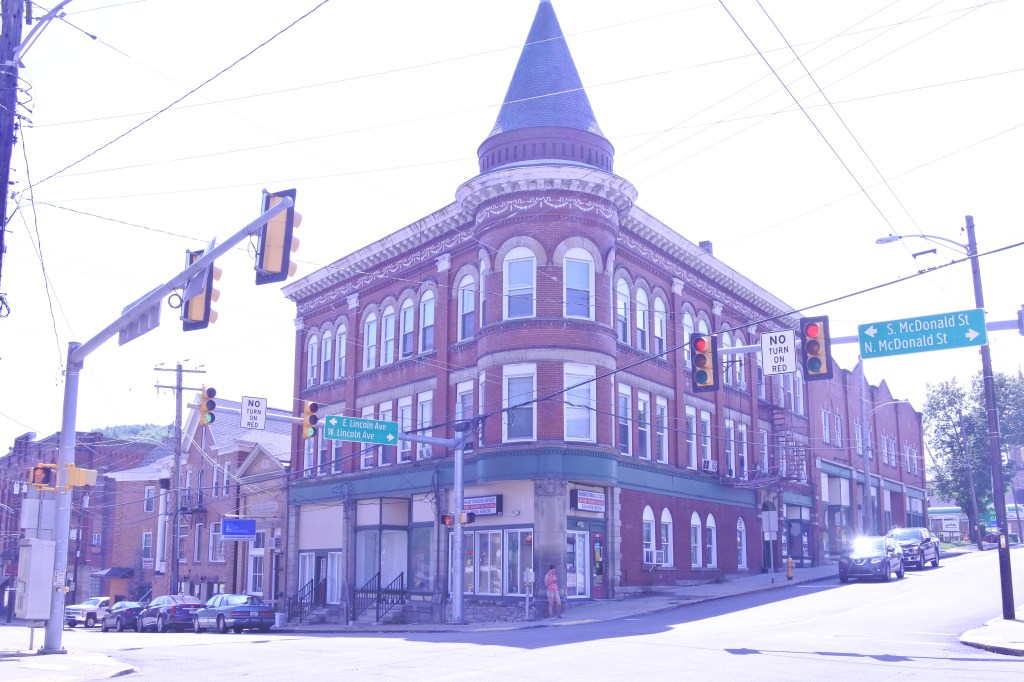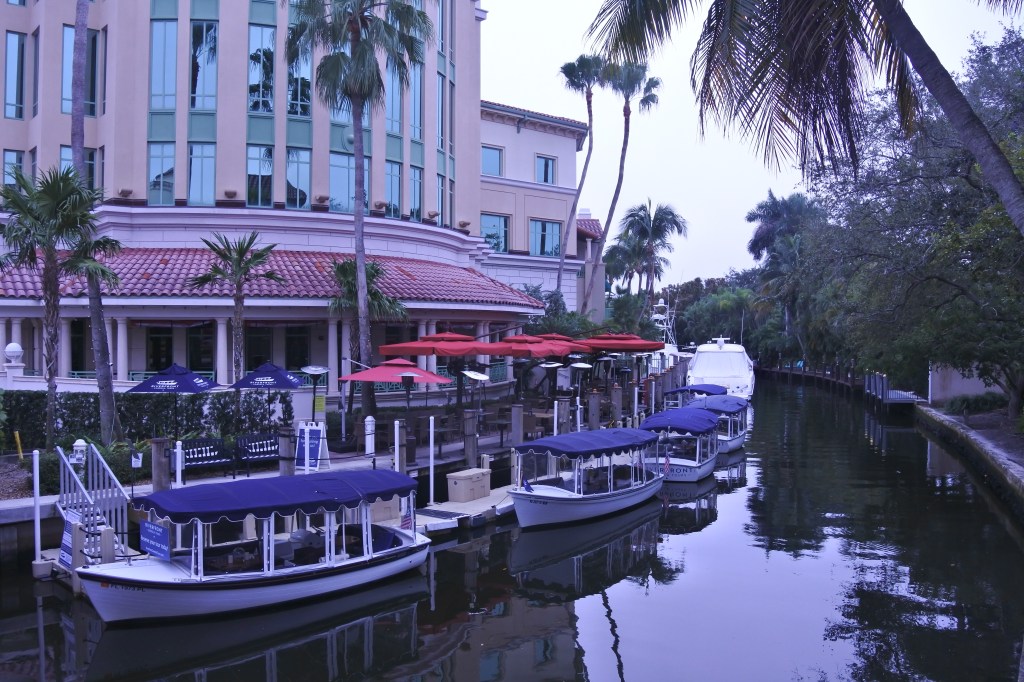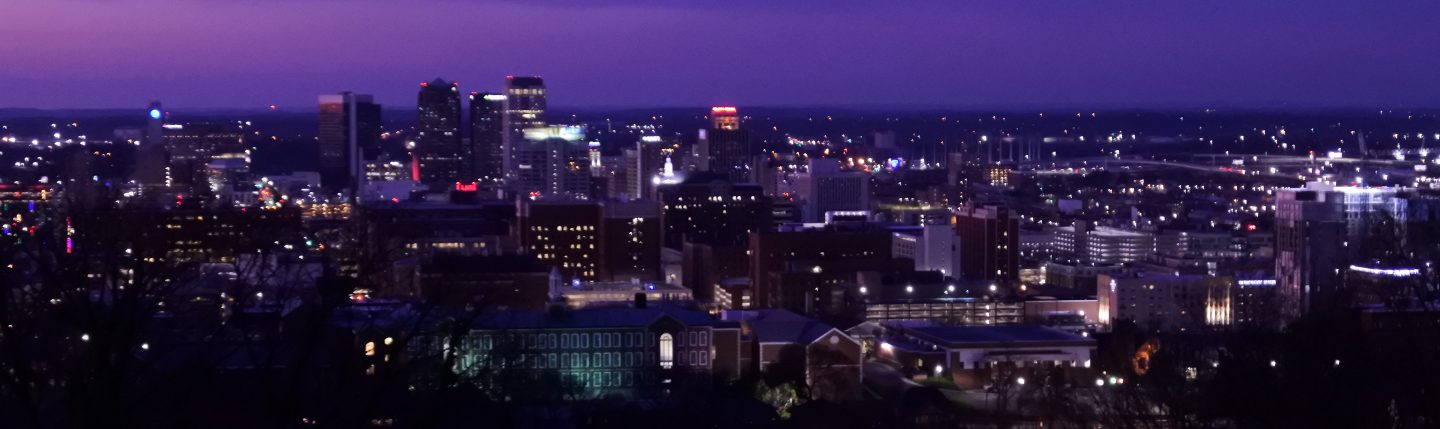
Coral Way- A decent urban Miami neighborhood linking Coral Gables to Downtown

Coral Way is a neighborhood in Southwest Miami built around Coral Way, a road established by Coral Gables founder George E. Merrick in the 1920s.  Some of the oldest sections of the neighborhood contain a mixture of Mission Revival Style and Bungalow homes, some Art Deco but also a lot more simple post-World War II dwellings. Coral Way is a historic urban boulevard lined with large Banyan trees creating one of the most beautiful corridors in South Florida. It also links Dwtn Miami to Coral Gables.

From an urban perspective Coral Way does well with moderate density, great access to dwtn accompanied with decent public transit, a solid set of restaurants & bars, lots of brand name retail in Miracles Marketplace mall, quality schools, great economic diversity, and a wide range of housing options, much more affordable than other inner-city Miami districts. But there are many areas of urban improvement for Coral Way as bike and park amenities are limited, few residents walk, much of the commercial along Coral Way is auto centric, and there is limited dedicated affordable housing. But Coral Way has good urban bones and infrastructure and could easily become a very successful urban district if its growth is directed towards creating quality mixed-use environments along Coral Way and other parts of the neighborhood.

Click here to view my Coral Way album on Flickr

URBAN STRENGTHS:

* Great access to dwtn with decent public transit access.
* Culturally diverse array of restaurants (Coral Way and Calle 8), good # of bars, Cafes. Some art galleries, some night clubs along Calle 8, no museums really.
* Good retail amenities but often in auto centric settings. There are 2 full service supermarkets, several drug stores. Miracle Marketplace (mini mall) includes Marshalls, Nordstrom, and many brand name retails. There is also a Sears, Hardware store, an office depot, big lots, plenty of salons & barbershops, post office, public library, plenty of churches, and Coral Gables & Miami Children’s neighborhood’s edges.
* Excellent economic diversity and decent family diversity.
* Good array of schools and generally well rated. Could use some more high schools though.
* Good mix of for sale options. 1-bed condos and SF homes sell btwn 150K-400K, 2-beds 200K-700K depending on size and quality. 3 & 4 beds 300K- 1M.

URBAN WEAKNESSES:

* Bike infrastructure is limited to one dedicated bike lane and one bike station.
* Very Hispanic dominated population near 80% but more diverse than neighboring Little East Havana.
* Park amenities limited to a couple small to medium parks. Maybe 3? Throughout a very large neighborhood.
* Generally a very safe district. The SW residential corner is a bit gritty but not terrible.
* Pedestrian activity is limited even though there is pretty good sidewalk infrastructure.
* Mix of attractive 30 & 40s homes and bland mid century design. Better homes in the center and east of Coral Way.
* About 1/2 of the urban commer is oriented on the street but most of it is bland.
* Urban form on Coral Way is a mixed bag. So is Calle Ocho. Dixie Hwy is very autocentric.
* Retail is pretty concentrated along Coral Way and Calle Ocho.
* Rentals are more expensive but cheaper than surrounding Miami neighborhoods. 1-beds lease btwn the mid 1K and mid 2Ks, 2-beds rent in the 2ks & 3ks, and 3-beds 3K-7K.
* Not much dedicated affordable hsg.

Miami’s Little Havana

 Originally a lower-middle-class Southern and thriving Jewish neighborhood in the 1930s, Little Havana emerged in the 1960s as the concentration of Cubans in the area grew sharply due to large numbers of immigrants fleeing Castro’s regime. Arriving residents expected their stay in Miami would be temporary, but this obviously was not the case and by 1970, the neighborhood was more than 85% Cuban.  While the pct of Hispanics here is still around 85%, it is much more diverse as Little Havana welcomes many newly arrived immigrants from Central and South America.

From an urban perspective East Little Havana does well as one of Miami’s most dense neighborhoods, has great access to Dwtn with quality public transit, lots of Hispanic cultural activity along with a decent night life, and some of the most affordable housing so close to Dwtn. It also has many well rated walkable schools and safety has improved significantly over the past couple of decades.

But there is still a lot of grit and underinvestment here and many auto centric/bland commercial stretches. Nice urban stretch along Calle 8 between 17th and 13th St and some good stretches along Flager St. Park and bike amenities are also limited along with economic and racial diversity. I anticipate with the real estate pressures in Miami that East Little Havana will continue to revitalize and create better urban in-fill. As long as the % of preserved affordable housing remains high and residents are given opportunities for home ownership, I welcome this change.

Click here to view my Little Havana album on Flickr

URBAN STRENGTHS:

* Great Density with 27K people per square mile.
* Generally very good ADA infrastructure and curb cuts throughout.
* Great access to downtown along with solid transit access.
* Excellent connectivity with a very consistant grid across the neighborhood.
* Good # of walkable schools and generally well rated.
* For sale housing is very affordable for Miami Standards. Lots of 1-beds selling  btwn 100K-300K, 2-beds sell anywhere btwn 100K-600K depending on size & condition, Nice 3 & 4 beds SF homes selling btwn 300K-500K generally.
* Rental prices are pretty expensive compared to for-sale prices in Little Havana but modest compared to most of Miami. Most 1-beds leasing in the 1Ks with some luxury product leasing in the 2Ks, 2-beds lease btwn 1.5K-3.4K depending on size and condition. Some 3-bed options lease btwn 2K-5K.
* Little Havana has thousands of dedicated afford. hsg units.
* Cultural amenities include a great array of Hispanic restaurants, a decent # of bars, several night clubs & art galleries, a handful of community theaters, an indie theater, and a couple of local museums. There are very concentrated along Calle Oche.
* Decent retail amenities including one supermarket and plenty of grocerias, several drug stores and banks, several boutiques & gift shops along Calle 8, lots of discount stores, several gyms, and tons of dessert places. There is also a local library, plenty of churches, and lots of medical centers (but no major hospital). 

URBAN WEAKNESSES:

* Bike infrastructure is so  with along one dedicated bike lane and a couple  of dedicated bike stations.
* Large majority Hispanic population of around 87%.
* Not great economic diversity as 28% of population is in poverty and the rest of the population is pretty working class.
* Little Havana is far less dangerous today than in its past but still higher crime than other parts of Miami.
* Tree canopy is decent but below average for Miami.
* Park amenities are limited to a handful of small and medium sized parks. Very lacking for this size of a neighborhood.
* Some nice art deco apartments sprinkled throughout (esp. along the easter edge) and nice historic commercial retail along Calle 8 but most historic and mid-century architecture is gritty and bland.
* Some newer multi-family developments have popped up throughout Little Havana and decent in-fill bldgs along Calle 8. But much of the newer structures are auto centric are pretty bland.
* Decent urban form along Calle 8 for 4 blocks and spots of Flagler but much of the biz district are autocentric.

Coconut Grove- Hosts Miami’s best Neighborhood Business District

Coconut Grove, also known as the Grove, is the oldest continuously inhabited neighborhood of Miami. The first hotel on the South Florida mainland was built here in 1882 called the  Bay View Inn Hotel and is located at  present-day Peacock Park. Coconut Grove was annexed into Miami in 1925.  In the 1960s, Coconut Grove served as the center of South Florida’s youth countercultural movement. The Village Center, three blocks radiating from the intersection of Main, McFarland, and Grand Avenues, is home to the majority of Coconut Grove retail and restaurant businesses. Like the rest of the neighborhood, this appears to have always been a pretty stable area. Coconut Grove experienced significant growth in the 1970s & 1980s with the construction of many new office and residential towers just east of the Village Center near the waterfront. 

Urban areas where coconut could improve upon include better sidewalk and ADA infrastructure. There are few residential streets with curb cuts. This is also need for better public transit in SW Coconut Grove, affordable housing, and more retail amenities outside of the Central Village Center. Residents living in NE and SW Coconut Grove cannot walk to most Coconut Grove amenities.

Click here to view my Coconut Grove Album on Flickr

URBAN STRENGTHS:

* Great racial diversity. Also decent economic and generational diversity too.
* Good access to Dwtn and decent public transit access.
* This is a very safe part of Miami.
* Very well rated schools, esp. private schools. Public school are good too but not a ton of them. Given how large the district is, schools are not always highly walkable to residents.
* Some affordable housing in Coconut Grove.
* Good array of parks type pretty well spread throughout the neighborhood.
* Excellent tree canopy.
* Culturally an excellent array of restaurants, bars, and cafes but all concentrated in the business district at Grand & McFarlane Rd. Decent # of museums and art galleries better spread through Coconut Grove. Also a cineplex and community theater here.
* Good array of retail options but the walkable ones are again concentrated at Grand & McFarlane. These include: many boutiques, clothing stores, a bookstore, several banks, desserts shops, gyms, and drug stores, a local post office, and many churches. the Mercy Hospital complex is also located here. Coconut Grove also hosts several supermarkets, many grocerias, a home depot but often in more auto centric locations.
* Pretty good modern in-fill. Some of it is bland and auto centric.
* Good amount of Office space in central Coconut Grove.
* Great urban form and streetscaping at Grand and McFarlane, decent form in the office area east of here. Grand St going west looses its form gradually with many vacant lots mixed in.  27th St is pretty auto centric. 

URBAN WEAKNESSES:

* Density isn’t great.
* ADA and sidewalk infrastructure not the greatest in Coconut Grove. Its great in the biz district but about 40% of residential streets have no sidewalks (esp. SW Coconut Grove), and over half have no curb cuts. Obviously ADA compliant curbs are rare.
* Good access to Dwtn and decent public transit (except in the SW Coconut Grove area).  Decent dedicated bike infrastructure.
* Due to a good number of gated communities and many dead end streets Coconut Grive doesn’t have the best connectivity.
* Rentals are rather expensive with studios and 1 beds leasing btwn 1.5K and the low 3Ks, most 2-beds btwn 2K-4K although some product leasing for even more, and 3 beds for 4K+
* For sale product is also expensive but plenty of affordable/moderately priced studios and 1-beds condos selling btwn 200K-500K, wide variety of price with 2-beds with a decent # of condos and SF selling btwn 250K-500K but plenty selling btwn 500K-1.5M, similar situation with 3 & 4  beds but even more expensive.
* Commercial uses are pretty concentrated to central Coconut Grove. Residents living in NE and SW Coconut Grove cannot walk to many retail amenities.
* Some nice historic mansions but most older architecture is blander mid-century design.
* Great pedestrian activity at Grand & McFarlane. Pretty limited outside of here.

The Miami Design District and the Buena Vista East Historic District

In this evaluation I included the Design District and Buena Vista East Historic District. This includes the area between I-195 to 48th Street and Miami Avenue to the railroad tracks.

In the 1890s, Buena Vista was a small village with many pineapple farms whose founding and growth paralleled Miami’s. During the Land Boom of the 1920s, the area was developed. Like most inner -city Miami the area fell into hard times during the 70s & 80s. Formally the Miami Design was a subdistrict for furniture and interior designers to showcase their work and was mostly a warehouse area. Miami native Craig Robins recognized the potential of the Miami Design District, and started acquiring buildings. His goal was to transform a forgotten part of Miami into a unique creative community through exceptional architecture, design and experiences.  Redevelopment began in the early 2000s. Throughout the 2000s, major public and private investments went into the Design District and by the 2010s high-end brands moved in. The district is now also home to many high end restaurants, cafes. bars, night clubs, the Institute of Contemporary Art and many art galleries. Its amazing how quickly this transformation was realized and achieved such a quality sense of place,

The Buena Vista East Historic District north to 48th street has benefited from the Design District’s revitalization with homes now selling btwn 500K-1M. Urban form has also improved along 2nd Ave. Sadly Miami Ave is still a very auto centric and a desolate Avenue. The main lack here is affordable housing. Even before the pandemic, rentals were severely limited but post pandemic single family home prices jumped 50-75% and now homes start at 500K. There is also a lack of recreational space, density needs to be improved (aka allowing residential within the design district), and some crucial neighborhood amenities are missing.

Click here to view my Flickr album on the Miami Design District

URBAN STRENGTHS:

* Overall very good ADA infrastructure, except for several blocks on the east edge that don’t have sidewalks.
* Great access to dwtn, good connectivity, and solid public transit access.
* A pair of north-south dedicated bike lanes but only one dedicated bike station.
* Great economic and racial diversity. Also solid generational diversity here with a high pct of family households.
* Decent schools amenities include a couple well rates high schools and elementary schools.
* Strong dense of place in the Design District. So  in the Buena Vista Historic District.
* Good historic architecture in the Buena Vista East Historic District. Even better modern in-fill especially in the Design District.
* Great urban form within the Design District (esp. with all the pedestrian walkways), decent urban form along 2nd Ave, poor urban form along Miami Ave.
* Cultural amenities include lots of restaurants, bars, & cafes, plenty of art galleries and art museums (including the Institute of Contemporary Art), a handful of night clubs, and a community theater.
* Tons of clothing and home good retail options in the Design District but very high end. More down to earther retail include plenty of dessert joints & bakeries, several gyms, a bookstore, a publixs, a couple drug stores,  local hospital, and still walkable access to the shops at Midtown Miami.

URBAN WEAKNESSES:

* Density is so so.
* Some nice plazas and pedestrians streets in the Design District but not much else parkwide here.
* No community library or post office. Limited # of churches and banks.
* For sale housing is expensive and limited 2-bedrooms (sell btwn 500K-900K. No 1 bed condos available. 3 & 4 beds sell anywhere btwn 500K to the low 1Ms. Princes appear to have increase 50%-75% from pre-pandemic to post.
* Rentals (except whole house rentals) appear to have been zoned out of existence here. Only whose homes seem to rent and they are very expensive.

Wynwood- Miami’s Ultimate Art District

Wynwood historically was known as Little San Juan or El Barrio, because of its historically large Puerto Rican population. Wynwood has recently come into the national consciousness due to the spectacular amount of mural and graffiti art located between Miami and 5th Avenue and 21st & 29th streets. This has only been a “thing” since 2009 when a local developer used art murals as a way to help revitalize the neighborhood. Apparently the murals are mostly replaced after only a couple years of standing. Wynwood walls (now an outdoor art gallery) was where this also started). Taking advantage of this buzz there is now a plethora of food & beverage options, nightlife, museums, and new development rising up in Wynwood. Along the district’s northern edge is the extensive lifestyle center of Shops at Midtown Mall. There is also the Wynwood Technology District, home to various technology based companies and the co-working space, LAB Miami.

Wynwood has certainly improved from an urban standpoint since 2010. But there is still room for much improvement as many vacant and underutilized land remains, lack of bike lane infrastructure, limited park amenities, and generally expensive housing. Wynwood also lacks a real center, something that could be rectified with a new centrally located urban plaza.

Click here to view my Wynwood Album on Flickr

URBAN STRENGTHS:

  • Overall ADA infrastructure is quite good in Wynwood.
  • Very good access to dwtn via all modes of transit.
  • Decent diversity esp. family diversity.
  • Culturally a wonderful array of art galleries, restaurants, bars, cafes, lots of interesting modern and pop art museums, plenty of night clubs, a couple of community theaters, and a wonderful array of art murals on countless buildings in the neighborhood.
  • Very good retail amenities too including two full sized supermarkets, many small grocerias, a couple drug stores, a target, a Marshall’s, a Nordstrom Rack, a Dick’s and several other brand name retailers at the Shops at Midtown Mall. There are also lots of boutiques, creative stores, lots of salons, tons of desserts shops & gyms, and a local post office.
  • Good array of walkable schools but some public options are rated poorly.
  • Lots of hype and buzz in Wynwood now on a national level.
  • Great urban in-fill with good form and often mixed-use.
  • Very good mix of uses throughout the district.

URBAN WEAKNESSES:

* Limited bike lanes throughout but good array of dedicated bike stations.
* A decent amount of rental product but expensive. Studios lease in the mid to high 2Ks, 1 beds rent btwn 2K-3Ks. 2-bed product leases btwn 2-4K. 3-beds 4-6K. Some affordable hsg in Wynwood but not a ton.
* For sale options tend expensive but not too bad. Studios and 1-beds condos sell btwn 250K-500K, 2-beds generally sell btwn 350K-800K, 3 & 4 beds are generally SF homes selling btwn 350K-650K.
* Park amenities are limited to a handful of medium sized parks.
* Still some dodgy areas but Wynwood is generally pretty safe.
* Some decent but plain mid-century architecture with the basic commer. bldgs and historic homes in the NW section of the district. But much of the historic fabric has been wiped away..
* No real center in Wynwood. There are two development clusters: Midtown Mall Mixed-use Lifestyle node and the mural art and retail node in the center of the district.
* Urban form is generally good where bldgs stand (esp. the newer infill) but plenty of surface parking and vacant lots that disrupt the urban continuity of the neighborhood. This fortunately will get better as things fill in.

Edgewater- A rapidly urbanizing district just north of Downtown Miami

While Edgewater filled in between the 1920s-1950, the district has experienced rapid urbanization over the past decades. This has lead to the replacement of much of the historic fabric with new high-rise residential towers, mixed-use construction, and new retail. To put this in perspective the neighborhood had 15K residents in 2000 and now is approaching 25K.

Some may lament the loss of the neighborhood’s historic fabric but I generally feel it was an urban improvement. The historic homes weren’t terrible architecturally significant and the neighborhood lacked good density and had rather auto centric business districts. What we are seeking with the transformation and densification of Edgewater is more vibrancy & walkability, better urban form, and more and more cultural and retail amenities. Even with these positive urban changes there are still may vacant lots and auto centric buildings to fill in. Edgewater also lacks bike lane infrastructure, and more affordable housing options. There really needs to be a push to construct more affordable housing here, but unfortunately I don’t see any signs of it.

Click here to view my Edgewater Album on Flickr

URBAN STRENGTHS:

  • Great density.
  • Being just north of Dwtn, very convenient access. Public transit options are also of a high quality and plenty of dedicated bike stations.
  • Overall very good racial and economic diversity.
  • A good # of walkable schools generally with solid ratings.
  • generally a safe district.
  • Margaret Pace Park is an excellent one at Edgewater’s southern edge. A couple other decent parks around here but not much else further north.
  • While there is certainly a fair amount of bland auto centric arch. (esp. along 2nd Ave) urban in-fill is generally pretty solid.
  • Culturally Edgewater has a diverse array of restaurants & bars, plenty of cafes, several art galleries, several local museums, a drive in movie theater, and the expansive Arsht Performing Arts Center & Carnival Studio Theater and Perez Art Museum are just south of the neighborhoods boundaries. Many Dwtn and Wynwood cultural amenities are also nearby.
  • Retail amenities include several Supermarkets & drug stores, a good # of boutiques and creative stores, plenty of gyms, banks and dessert shops, several churches, an Ace Hardware, and Target is walkable to many residents just over the neighborhood line in Wynwood.”

URBAN WEAKNESSES:

  • No really bike lanes.
  • For sale also ends to be expensive but decent moderate options oo. Many Studio & 1 bed condos selling btwn 100K-400Ks. Luxury 1-beds sell for more. Significant diversity w/ 2 beds selling anywhere btwn 200Ks-1M depending on condition and size of condo. Similar situation with 3-beds with price point ranging from 450K- mid 1 Ms. 4 & 5 beds are more expensive with many homes selling in the Millions.
  • Lots of rental product but very expensive. Studios lease in the low to mid 2Ks, 1 & beds rent btwn 2K-3Ks. 2-bed product leases btwn 3-5K. 3-beds 4-6K but some apts are even pricier.
  • Historic architecture limited to a sprinkling of remaining homes and small apts. Nothing spectacular and no historic district here.
  • Better urban massing than the Upper East Side but certainly plenty of Vacant Lots and autocentric areas along 2nd Ave and Biscayne Blvd.
  • No walkable post office or library in the neighborhood.”

Upper East Side- Home to Miami MiMo Architecture and a Solid Urban District

The Upper East Side is primarily a residential neighborhood of single family homes from the 1920s-1960s and many high rise residential towers clustered along the bay with Biscayne Boulevard running along the center of the neighborhood. There are two unique historic styles here: Miami Modern (MiMo) architecture along Biscayne Boulevard (mid-century hotels and condos), and the 1920s-1940s Mediterranean and Art Deco styles found in the Morningside Historic District.

Like much of urban Miami, the Upper East side fell on hard times during the 60s & 70s but had a major resurgence in the 90s and 2000s starting with the Morningside subdistrict. The area is now home to a wide variety of price points and housing styles. Upper Eastside also has solid park amenities, diverse ethnic restaurants and interesting cafes, stylish boutiques and some creative stores, lots of art galleries, and great racial and economic diversity.

Very an urban perspective quality urban form and streetscaping is spotty along the main commercial thorofare of Biscayne Blvd with lots of autocentric stretches, ADA infrastructure is hit or miss, density is pretty low leading to limited pedestrian activity, bike lanes are missing, and about 1/3 of the district is within a gated community. Fortunately these are all areas that can be fixed and I anticipate will improve as the neighborhood densifies and fills in.

Click here to view my Upper East Side Album on Flickr

URBAN STRENGTHS:

  • Incredible racial diversity. It doesn’t get much better than this in America.
  • Economic diversity is also near the ideal.
  • Decent family and age diversity.
  • Thee appears to be a decent amount of dedicated affordable units here. Medium rent is $1,200.
  • Several decent walkable schools within or on the western border of the Upper East Side.
  • Solid Park amenities with Morningside Park topping the list.
  • Excellent Tree Cover especially in the Morningside subdistrict.
  • Some really cool Mid-Century Hotels still line Biscayne Blvd and the gated community of Morningside has some wonderful 1920s-1930s homes but much of the neighborhood was blander 1930s-1950 architecture.
  • In-fill architecture is a mix of auto centric and pretty decent urban Apartments and Mix-use bldgs. Lots of high rise towers as well.
  • Culturally a good array of very diverse restaurants, lots of cafes and dessert spots, a couple community theaters, plenty of art galleries, a couple of local museums.
  • Generally pretty safe district with some sketchy pockets.

URBAN WEAKNESSES:

  • Roads are generally gridded and connected but 1/3 of all residential areas are within gated communities, providing only limited access to the public.
  • Decent dedicated bike coverage but very limited bike lane coverage.
  • Rentals are generally pretty expensive but some modest apts still available with some studios leasing around 1K. 1 & beds rent btwn 1.5K-3K. 3-bed product is pretty limited and expensive leasing anywhere btwn 3K-6K. Rentals are generally prohibited im the gated communities.
  • For sale also ends to be expensive but decent moderate options oo. Many Studio & 1 bed condos selling btwn 100K-300Ks. Luxury 1-beds sell for more. Significant diversity w/ 2 beds selling anywhere btwn 200Ks-800Ks depending if condo or SF home. Similar situation with 3-beds with price point ranging from 300K- low 1 Ms.4 & 5 beds are more expensive with many homes selling in the Millions.
  • Hit or miss with ADA current ramps but most areas have at least decent sidewalks.
  • Urban form is so . Biscayne is very much a mixed bag with clumps of decent biz clusters connected by autocentric stretches.
  • Okay retail amenities including a supermarket, a couple drug stores, a couple banks, a good # of boutiques & home good stores, . There is also a local library branch and the really cool Ironside complex but no post office.
  • Not great pedestrian activity.

Downtown Saint Petersburg, FL

“Downtown was the first part of Saint Petersburg that began to develop starting in the early 20th century. Shippingopened up with the dragging of the channel nearby and development began to grow exponentially Downtown. As St. Petersburg began as a tourist destination even from its early days, office has never had a major foothold here. Currently there are only about 10-20K office jobs Dwtn. Fortunately Dwtn has grown up to be a center of arts & cultural, a quality food & beverage scene, has many great waterfront parks, plenty of retails, and a good concentration of housing making it an attractive urban neighborhood. City leaders also had the vision to preserve much the City’s historic architecture (unlike Dwtn Tampa Bay) maintaining a wonderful concentration of historic buildings around Central Avenue. The urban form of the infill buildings is also pretty good.

Unfortunately due to a lack of walkable districts in St. Petersburg overall, housing is very expensive here. Other areas for improvement dwtn include more walkable schools, lack of some major dwtn amenities (i.e. convention center & dwtn library), missing transit line to the airport, and a good # of surface parking lots remaining on the western and southern edges of Dwtn. But with an on-going construction boom I anticipate Downtown St. Pete will get better and better and hopefully more office jobs will move here too.”

Click here to view my Downtown St. Petersburg Album on Flickr

URBAN STRENGTHS:

“* Excellent ADA and sidewalk infrastructure.

  • Solid density Dwtn.
  • Public transit is so in the Dwtn and surrounding neighborhoods but decent across St. Peterburg city limits and even decent to the northern suburbs.
  • Great street grid, good connectivity, and not too many wide 1-way streets.
  • Great bike lane system in the region and several dedicated bike lanes with Dwtn. Only Dwtn and a handful of inner city neighborhoods have dedicated bike stations.
  • Safety is generally very safe but some dead spots.
  • Much of Dwtn’s historic fabric remains and looks great. This is concentrated along Central Ave.
  • Modern in-fill is generally pretty good besides some of the design tackiness and auto centric bldgs on the edges of Dwtn.
  • Great tree canopy for a Dwtn.
  • Solid Dwtn vibrancy thanks to Dwtn’s decent population base.
  • Decent # of college students attending school within or near dwtn. USF St. Petersburg is just south of dwtn and enrolls 3,500 students. There is also a Dwtn Campus for St. Petersburg College.
  • Some very nice park spaces, especially along the waterfront. The crown jewel being the 26 acre St. Petersburg Pier, filled with many different recreational amenities.
  • Good cultural amenities including many great restaurants, bars, cafes, several breweries, tons of art galleries, both an independent theater & cineplex, and a handful of theaters (performing arts and live music)
  • Culturally a decent # of museum options (i.e. Fine Arts, History, Dali Museum, Holocaust, Chihuly, and lots of other smaller museums). Other Dwtn attractions include a soccer Stadium and the Devil Rays Stadium is just outside of Dwtn, a historic post office, and a decent # of gov’t bldgs.
  • Good retail amenities with 2 publixs, a couple drug stores, lots of brand name clothing stores, good # of boutiques, plenty of banks, lots of gift shops, a nice bookstore, plenty of dessert shops and gyms, a couple home good stores, plenty of churches, and two major hospitals on the edges.

URBAN WEAKNESSES:

“* Lots of for-sale housing options but generally expensive. 1-bed condo sell anywhere btwn 100-1M, 2-beds mostly 500K-1.5M but some cheaper dated options selling btwn 200K-500K, older 3-beds sell btwn 550K-850K, newer 3 beds sell anywhere btwn 1-3M. Lots of 3 bed options esp. for a dwtn. Only a handful of 4 & 5 beds.

  • Decent # of rentals but also rather pricey. 1-beds lease in the 2Ks, 2-beds rent in the 2Ks & 3Ks, only a handful of 3-beds leasing for a bit more. A handful of affordable senior bldgs.
  • Only a handful of small schools Dwtn. A couple larger ones in surrounding neighborhoods.
  • Some nice skyline angles but generally Dwtn is filled bland residential medium sized towers and limited office towers. Taller bldgs are also spread apart.
  • Urban form generally good but a sizable # of surface parking lots remain in the southern and western edges of Dwtn.
  • Dwtn’s traditional civic plaza, Williams Park is disappointing. Pretty well designed but overrun by homeless and limited events. The St. Pete Pier is taking over as the Civic heart of Dwtn with lots of events and festivals but doesn’t have great central location.
  • No Convention Center Dwtn, no major dwtn library (although there is a local branch).
  • Dwtn is not a great employment hub. Prob the lowest amount of any major city. Total jobs dwtn is somewhere btwn 10-20K. Job are concentrated in more suburban areas like the Gateway St. Petersburg by the airport.”

Downtown Tampa Bay

In this Downtown evaluation I included the traditional (Dwtn area north of I-618 ) and the sub districts Water Street and Channel Island between I-618 and the Ybor Chanel.

Given that Tampa Bay reached only 50K by 1920 and 100K by 1930 it’s not surprising that there are only a handful of historic mid-rise buildings. What is surprisingly is how little of Downtown’s pre-WII fabric remains. Post WWII Downtown Tampa Bay went all in with the Office Tower/Autocentric craze. Fortunately since the early 2000s civic leaders have focused on creating better quality park space and decent mixed-use housing and neighborhoods. This first began with a flurry of new construction in the Channel Island subdistrict and the Sparkman Wharf completed in 2018. More recently the Water Street district was revealed and is on course to finish the first phase by 2022. The new district is across 56 acres and includes 3,500 residential units, tons of office space and lots of new retail amenities. Revitalization efforts in the Downtown core have been slow and mainly one-off multi-family and mixed used developments. This has helped but the core of Dwtn still feels sleepy and bland. Lots of development activity occurring just north of Downtown in the South Nebraska neighborhood with the Encore! and GAs Worx Developments.

Once the above mentioned projects are completed, Dwtn Tampa will be a much more vibrant and 24 hour place filling in many of its dead spaces. But there is still much work to do in the core of Dwtn. Other areas of improvement needed for Dwtn include better retail amenities, more walkable schools, a more interesting skyline, direct transit connection to the airport, and need for more jobs. “

Click here to view my Downtown Tampa Album on Flickr. Click here for my Channel District Album. Here for Water Street.

URBAN STRENGTHS:

“* Overall very good ADA infrastructure especially in the traditional core of Dwtn.

  • Great bike lane system in the region and several dedicated bike lanes with Dwtn. Only Dwtn and a handful of inner city neighborhoods have dedicated bike stations.
  • Excellent economic diversity and solid racial diversity Dwtn.
  • Decent amount of affordable housing dwtn, especially along the north edge.
  • Excellent supply of for sale but on the expensive side. 1-bed condos sell between 250K- 550K, 2-beds 350-650K. Good amount of 3-bed supply but very expensive some sell around 600K but most around 1 M.
  • Good array of parks and recreational amenities including Lykes Gaslight Park, Courthouse Square, Fort Brook Park, Julian Riverfront Park, and Curtis Hixon Waterfront park- a solid and active civic plaza. Riverwalk trails outline most of Dwtn.
  • Dwtn has had a special improvement district in place since 94′
    *Much of the modern architecture from the 60s-90s is quite bland but the newer infill concentrated in the Channel Island and Water Street sub-district is pretty high quality.
  • Solid college enrollment Dwtn with just sky of 9K students at the University of Tampa (just across the River from Dwtn), 2K students at USF Health College, a couple other small satellite colleges, and several thousand students attending Hillsborough College & Brewster Technical College a couple miles from Dwtn.
  • Culturally a good # of restaurants, bars, and cafes, a decent # of theaters and a large historic movie house, lots of museums (i.e. Ship Museum, Aquarium, History Center, Art & Children’s Museum, and a couple local museums).
  • Dwtn also hosts a decent central library & post office, plenty of gov’t bldgs, a major convention center, but only the Hockey Area for Pro teams.
  • Retail amenities include 2 publics, several drug stores, tons of banks, some boutiques and creative stores, plenty of salons & barber shops, tons of dessert joints, some churches, and the Tampa General Hospital is nearby

URBAN WEAKNESSES:

“* Ok transit within Tampa Bay City limits. Very good dwtn and in a couple inner city district and fair transit connections throughout. Very limited transit options to surrounding suburbs and no transit access to the airport.

  • Only a handful of elementary schools located within dwtn but several quasi-walkable schools in adjacent districts.
  • Good supply but rental housing on the expensive side. Studios lease in the mid-high $1,000s, 1-beds ~ 2K, 2-beds in the 2 & 3Ks, and some 3-beds leasing btwn 3-5K.
  • Generally a safe dwtn but plenty of dead spots that make it feel unsafe.
  • The Skyline is pretty bland but a good concentration of verticality with 7 bldgs above 400 ft. Only a handful of mid-sized historic towers. The new high-rises in the Water Street sub-district is more interesting and will help with the skyline in the future.
  • Some nice historic arch dwtn but most of it has been torn down. Similar vibe to dwtn Houston here.
  • Vibrancy is not great, especially in the core of Dwtn but some pockets of vibrancy especially in Sparkman Wharf.
  • Culturally dwtn has a limited # of art galleries, live music venues, and some night clubs.
  • 70K jobs in dwtn Tampa (decent but not amazing for its metro’s size) Dwtn St. Pete prob reduces this jobs #. Office vacancy around 12%. Not bad.
  • No department stores.
  • Lots of dead spots and surface parking lots especially in the traditional core of Dwtn. With the massive Water Street development the urban fabric of the southern end of Dwtn will greatly improve. Even when there are bldgs with decent form, there is a lack of activity in many bldgs due to the office tower dominance. “

The Edge District- A great main street district just west of Downtown St. Petersburg

 I included everything west of MLK Blvd  and within the inner belt for this evaluation. The Edge district is concentrated around Central Avenue, Tampa Bay’s premiere main street that runs to Downtown and further west from the Edge District. The corridor has a great concentration of food & beverage businesses, boutiques and creative stores, murals, and a collection of mid-century modern furniture. The Edge district is also walkable to many parts of Dwtn and has quality bike and transit connections.

Central Avenue is a bit of an urban island however. Urban form in the rest of the neighborhood used in this evaluation are not great. South of Central is the MLB stadium where the Tampa Devil Rays play. The stadium is surrounding by a sea of parking. North of Central is a mix of historic residential and industrial blight. Some new apartment bldgs are starting to sprout up in the  neighborhood giving me hope that the areas north of Central Avenue will fill in and create a more seamless urban district.

Because of  a lack of housing in the district and quality urban neighborhoods in general in St. Petersburg, housing is quite expensive in the Edge District. Dedicated park space is also very limited, although residents have walkable access to several nice parks in adjacent neighborhoods. 

Click here to view my Edge District Album on Flickr

URBAN STRENGTHS:

* Great access to dwtn and decent transit access.
* Several bike lanes run thru the district along with good bike station coverage.
* Very diverse incomes but really just those who are professionals and those under the poverty line.
* Great racial diversity.
* Some affordable rentals in the Edge District Area
* Solid cultural amenities including many restaurants, bars, and cafes, a local magic theater, a couple live music venues, a MLB stadium, and good access to all the cultural amenities dwtn.
* Good retail amenities with a Public’s Supermarket, a drug store, lots of boutiques, home goods stores, several antique stores, lots of dessert shops, and a couple of gyms. 

URBAN WEAKNESSES:

* Density is pretty low.
* Good ADA infrastructure along Central Ave, 1st Ave, and Pinellas Trail but hit or miss outside of this.
* Poor generational diversity as few families live here.
* Really no schools within the Edge district but a couple okay schools located in adjacent districts.
* For sale hsg is generally pretty expensive but some affordable 1-bed condos selling btwn 150K-400K, 2-beds btwn 250K-550K, 3-beds btwn 300K-600K,
* Rentals are also pricy with studios leasing in the high 1Ks, 1-beds in the low-mid 2Ks, 2 beds in the high 2KS and 3Ks, and 3-beds are limited but expensive.
* Dedicated park spaces is very limited within the Edge District boundaries but still walkable access to walks in adjacent neighborhoods (Mirror Lake and Campbell Park
* General a safe neighborhood but lots of dead spaces and some blight.
* Great vibrancy along Central Avenue but pretty dead outside of here.
* No public library or post office, but located in nearby Dwtn. Also limited banks.
* Good urban form and Streetscaping along Central Ave and decent along 1st Ave and Pinellas Trail but pretty terrible outside of these streets. Lots of surface parking around Tropicana Stadium and lots of vacant lots and auto centric areas in the neighborhood.