Mechanicsburg, PA- Historic Suburb of Harrisburg

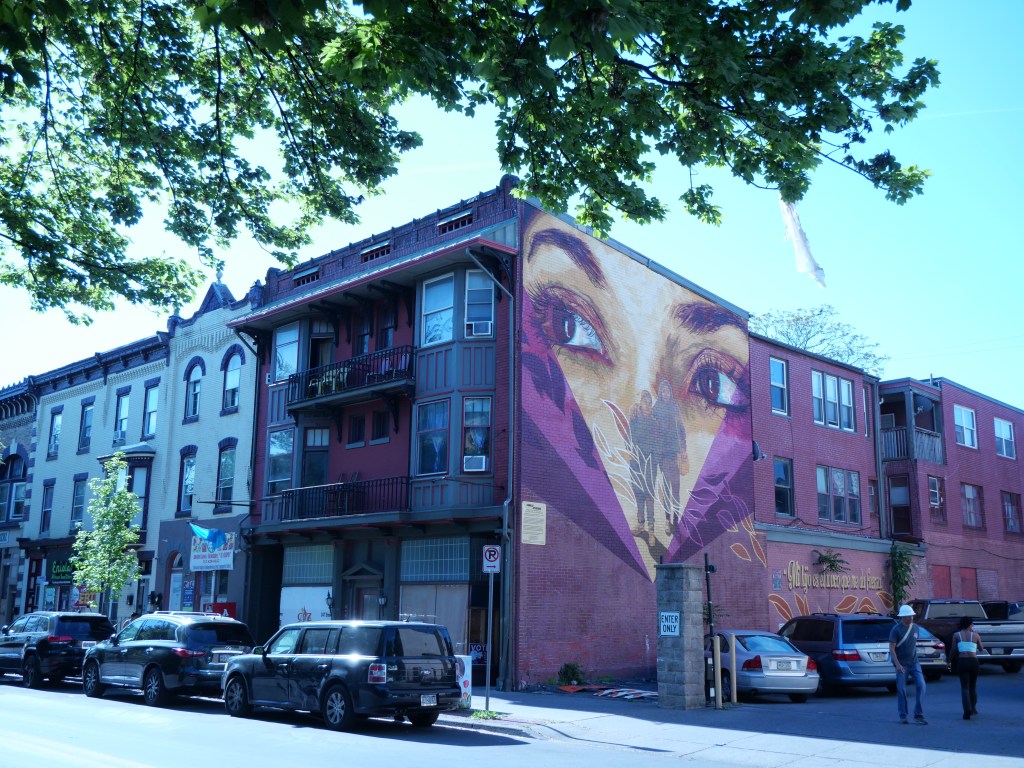
Mechanicsburg was named after a settlement of mechanics who made and repaired Conestoga wagons in the early 19th century. The town’s economic based changed in 1837 with the creation of the Cumberland Valley Railroad. The train became the town’s link to the world of business and industry spurring the creation of grain and feed companies, lumber yards, and numerous factories. By the Civil War era Mechanicsburg reached 2K residents and continued to grow steadily reaching 4K by 1900 and 7K in 1950. After decades of suburban growth thanks its proximity to Harris burgh and the recent new urbanist inspired “”Legacy Village community, the Borough exceeded 9K residents in 2020.

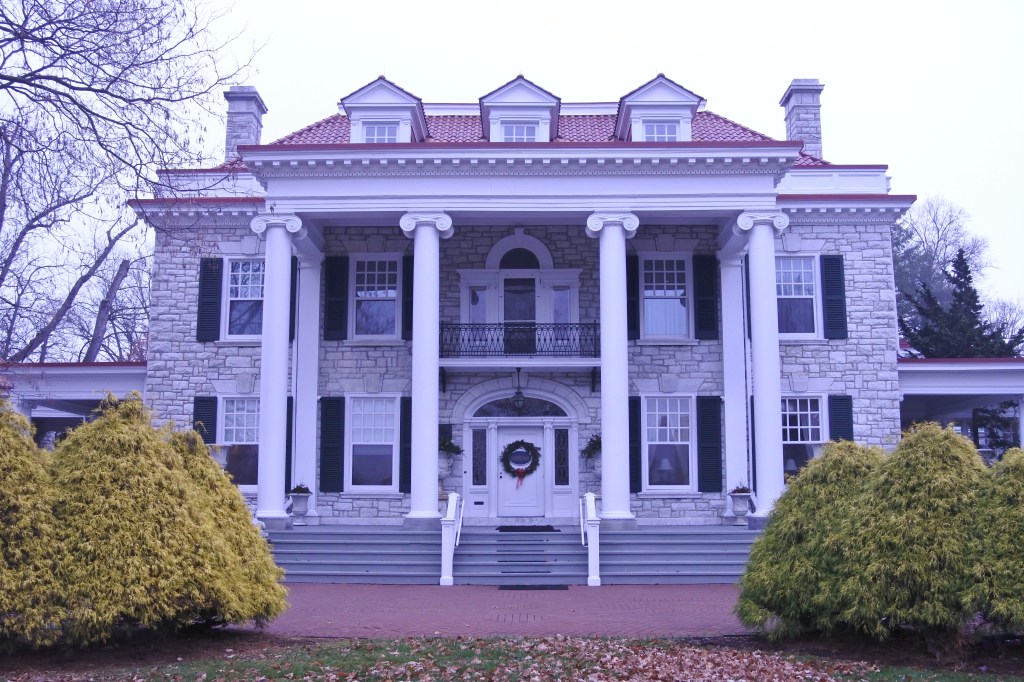
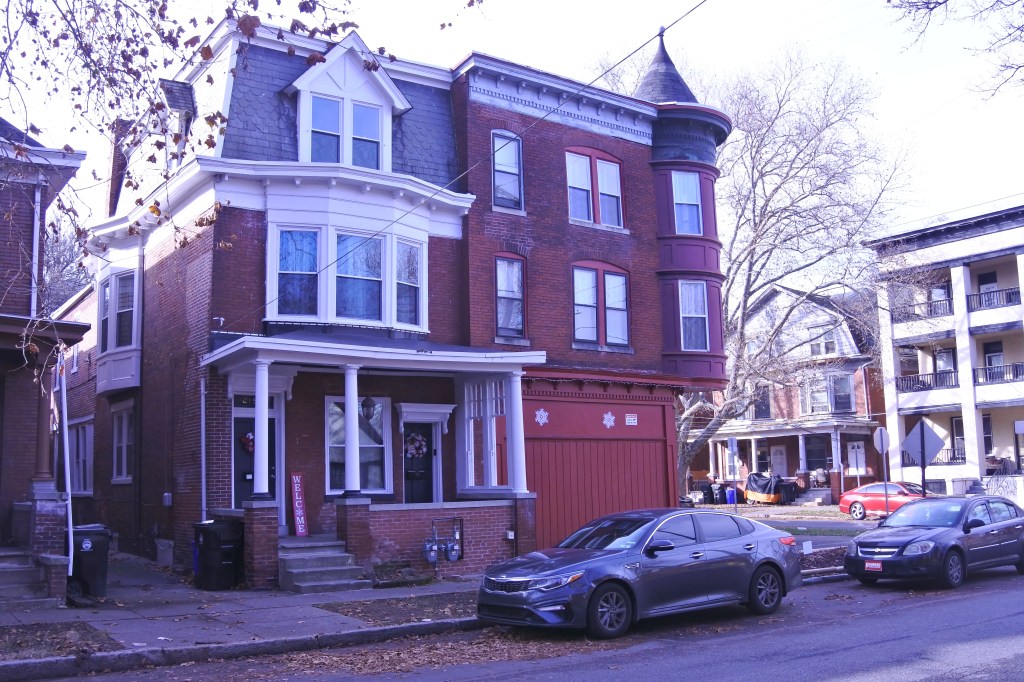
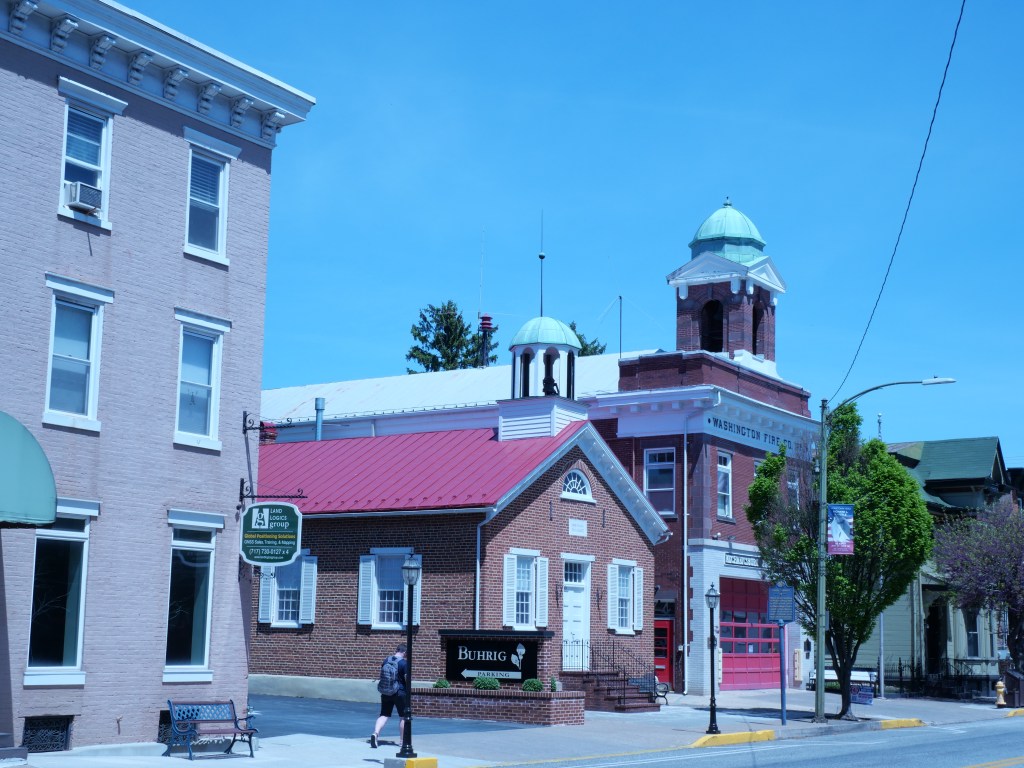
Thanks to its significant pre 1900 population, Mechanicsburg is a historic town with a largely urban and square mile core with decent retail amenities, good urban form, attractive park amenities, and a stable yet affordable housing market. For Mechanicsburg to become a top tier urban district it needs more population and urban in-fill similar to historic DC suburbs like Fredrick Maryland. I’m just not sure that Harrisburg has the economic dynamism to create just am urban suburb.
Click here to view my Mechanicsburgh album on Flickr

URBAN STRENGTHS:

* Overall good sidewalk infrastructure with about 1/2 of all curb cuts being ADA standard.
* Generally well rated public schools all within walking district of the historic Mechanicsburg. Also a couple of private schools too.
* Pretty high safety marks in Mechanicsburg.
* A couple expansive parks with numerous ballfields and sports facilities. Also an outdoor pool but not dynamic plaza and urban park in the core of the City. No Civic gathering space.
* Lots of attract mid-late 19th century architecture styles but lots of different eras representing up until the 1950s. A good amount of the historic stock is a bit gritty and more working class in fell. The historic stock is not on the same level as Fredrick MD or even York  PA.
* Solid urban massing along most of Main Street and the commercial blocks of Market are pretty solid urban form. Nothing particularly special about the streetscaping.
* Decent amount of rentals moderately priced. 1-bes lease btwn $900-1.6K, 2-beds  in the mid to high 1Ks and only a handful of 3-bed rentals.
* For sale prices are very reasonable with one condo bldg in a converted schools with 1-bed units selling around 150Ks, 2-beds range btwn 150K-250K depending on size & condition and 3 & 4 beds btwn 150K-450K.
* Decent retail amenities including a supermarket, a couple drug stores, a couple boutiques, antiques, gift stores & banks, a couple book stores, several dessert joints & bakeries, plenty of salons & barber shops, a couple gyms, plenty of churches, and a local public library.

URBAN WEAKNESSES:

* Population density is just under 6K per sq mile which isn’t great for an urban neighborhood but not terrible for an urban town in a metro area.
* So so connection to Dwtn Harrisburg being a 15 min drive and 30 min transit trip. Public transit isn’t great but at least exists.
* Bike infrastructure is non existent.
* Other than a handful of crummy autocentric uses, modern in-fill is non-existent here.
* So so cultural amenities including a handful of restaurants & bars, a couple cafes, a couple small local museums and a  local art gallery. 
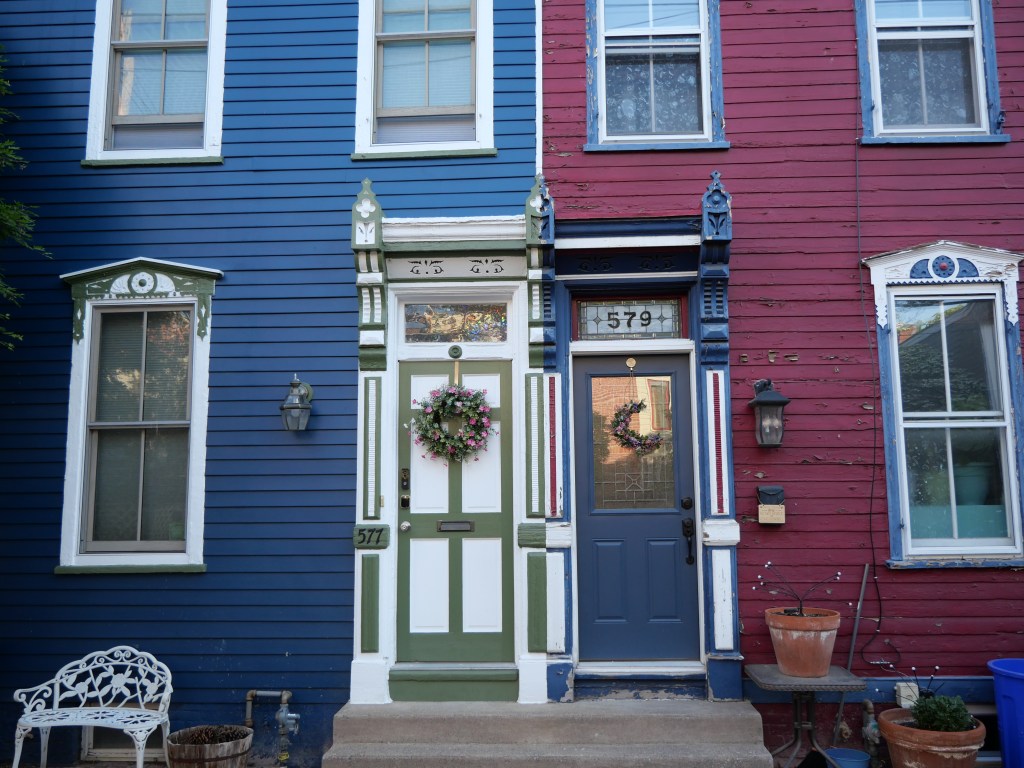
Shipoke- Small Historic Residential Enclove just South of Downtown Harrisburg

Shipoke was first settled by Europeans in 1710 as a small trading post before other areas of Harrisburg. Some of the oldest houses in Harrisburg line the narrow, winding streets of this compact, close-knit community. Shipoke is really what is left of Harrisburg’s Southend 19th century residential fabric that wasn’t swallowed up by Downtown, industrial development, or highway spurs. The neighborhood was in pretty rough shape in the 1970s after the extension of I-83 and flooding caused by Tropical Storm Agnes. But after many years of rehabilitation in the 80s and 90s, Shipoke has become a picturesque and affluent Harrisburg enclave located within walking distance of Downtown with gorgeous river views of the Susquehanna River.

From an urban perspective Shipoke is a mostly residential community with convenient access to cultural and retail amenities in Downtown Harrisburg located around 0.5 miles away. It also boast a nice array of moderate for sale options, good park amenities, and high levels of safety. For Shipoke to compete with Midtown as Harrisburg’ best urban district it needs an elementary school to make the district more attractive to families and more retail & cultural amenities located within the neighborhood.

Click here to view my Shipoke Album on Flickr

URBAN STRENGTHS:

* Sidewalk infrastructure is solid but because of the desire to keep the historic brick sidewalks there are few ADA standard curb cuts.
* Hard to get a solid population number by 1,000 residents seems about right get the district population to just shy of 15K per square mile.
* Excellent access to Dwtn Harrisburg being less than 1 mile to the core of Dwtn. Also convenient access across all modes of transit including a Capital Area Greenbelt bike path along the River.
* Solid racial diversity and ok economic diversity. This is def a higher end professional neighborhood.
* Nice historic for sale housing stock at pretty moderate prices considering Shipoke’s proximity to Dwtn. 2-beds sell in the 200Ks and 3 & 4 beds btwn 150K-400K.
* Solid park amenities for such a small district including a playground park, riverfront park along the Susquehanna River and a greenspace along the highway. City Island is also only about 1 mile away.
* Overall a very safe community.
* Some of the best preserved mid-late 19th century rowhouse architecture in the City. In-fill is a mixed bag. Some nice historically sensitive in-fill and solid modern but urban infill. Also some unattractive post War buildings (e.g.  parking garages, hotels, etc.
* Generally good urban form in the district but more autocentric uses in the northern edge of Shipoke and some unattractive highways and stroads sit on the eastern edge of the district.

URBAN WEAKNESSES:

  • Several well rated specialty public high schools and private schools Dwtn but no schools located within Shipoke.
  • Lots of young professionals and empty nesters. Few family households.
  • Rentals are mostly limited to whole home renovations but a pretty reasonable prices.
  • As this a primarily small residential neighborhood other uses are very limited. Within Shipoke there is a nice bar & restaurant, a couple historic museums, UPMC Hospital, cafe & bakery, a eye doctor. However as Dwtn is 0.5-1 mile away many retail & cultural are still walkable within Dwtn.

South Allison Hill- Harrisburg’s Immigrant Community Slowly Emerging from Decades of Disinvestment

Allison Hill (also known as The Hill) was named after William Allison, an early Harrisburg landowner who owned farms on the bluff outside of the then-Borough. Allison Hill encompasses the Mount Pleasant Historic District located in the western half of the district including a diverse array of mostly rowhouse styles from the late 19th century. Allison Hill quickly transitioned into the booming industrial heart of the city in the late 19th century. Initially Allison Hill attracted immigrants from primarily European countries but this has diversified since the 70s to include a diverse melting pot with immigrant groups from West African, Vietnamese, Indonesian, several Latin American countries and a significant African-American population.  Following its decline since the 70s The Hill has also become a hot bed of  artists and social justice activists. Disinvestment in he community peaked in the early 1990s and the neighborhood has someone stabilized since then thanks largely to an influx of immigrant families. However, Allison Hill has never really gentrified and still contains a large number of vacant properties, contains a high level of families living in poverty, has a higher crime rate than most of Harrisburg and lacks crucial retail and cultural amenities.

Thanks to its dense late 19th century rowhouse fabric, South Allison Hill still has a lot of positive urban attributes despite several decades of disinvestment. The neighborhood has excellent public transit service, convenient access to dwtn, and very affordable housing. With some investment and increase in economic diversity South Allison Hill could become a premiere Harrisburg  urban district and boast density levels higher than even Midtown.

Click here to view my South Allison Hill District Flickr Album

URBAN STRENGTHS:

  • Some of the best public transit access in all of Harrisburg and only a 5-10 min trip to Dwtn about 1-1.5 miles away.
  • Sidewalks are consistent throughout the districts.
  • Solid Density esp. for a community that has seen a lot of disinvestment since the 1970s.
  • Decent poverty numbers at about 20% but also a good # of middle income households too. Large Hispanic and Black populations but limited White populations.
  • Good array of late 19th century rowhouse architecture but not well maintained like Uptown & Midtown.
  • The urban form of the biz districts (Market, 13th, 17th & Derry) actually isn’t that bad in South Allison Hill outside of several concentrations of vacant lots and underutilized land uses. Limited crummy autocentric uses and several good clusters of urban commercial blocks, albeit underinvested.
  • Decent rental availability with lots of affordable options. 1-beds lease btwn 800K-1.1K, 2-beds btwn 800K-1.3K, and plenty of 3-beds leasing in the low-mid 1Ks.
  • Decent retail amenities including a bank, plenty of small ethnic grocerias, a dollar store, a couple drug stores, a local bakery & cafe, tons of barbers and salons, a bike shop, a couple churches and a health center.

URBAN WEAKNESSES:

* Sidewalks while plentiful are also very dated as Allison Hill has not seen major streetscaping reinvestment. Only about 1/4 of all curb cuts have been updated.
* No dedicated bike infrastructure here.
* Parks are very limited in South Allision Hill but at least the expansive Reservoir Park is just outside of the neighborhood.
* Tree canopy is so so and very hit and miss.
* While crime is not off the charts here Allison Hill does hosts some of the most dangerous pockets of Harrisburg and has a lot of blighted and unkept bldgs. But there are strong community ties here esp. among the immigrant groups making it safer. Neighborhood still has a pretty negative perception among locals.
* Western and southern edges are very industrial with unattractive often autocentric uses.
* The only schools located within South Allison Hill are 3 public schools of mixed ratings located in the SE corner of the district.
* Decent for sale inventory but generally very inexpensive. A handful of 1-bed condos selling btwn 50K-100K, 2-beds btwn 50K-150K, 3 & 4 beds btwn 50K-250K. Decent amount of renovated product selling over 150K.
* Cultural amenities are limited to several  restaurants and bars along with a  brewery. Plenty of Dwtn cultural amenities located only about a mile away.

Hershey, PA- Home to the Famous Chocolate Company and now a Sattelite Suburb of Harrisburg

I only included the walkable core of Hershey in this evaluation which is generally bound by Hockersville Rd to the west, Homestead to the east, Governor Rd to the south and the railroad tracks to the north. in the center and eastern parts of Derry Township

The town was founded by Hershey in 1903 for the company’s workers, and their homes had modern amenities. The town, however, has remained unincorporated and has always technically been part of Derry Township. The purpose of Hershey was to create a utopian worker town in a bucolic setting. This utopia however was shattered in 1937 with a strike and occupation at the chocolate factory, which ended violently when some strikers were severely beaten by a rally loyal to the company. Hershey did recover from this traumatic event and continued to grow and open up the amusement park to general visitors (as opposed to only Hershey Employees).

The core of Hershey is a decent urban environment with a small main street along Chocolate Ave, with the recent construction of Hershey Towne Square as a decent walkable shopping area. Lots of idyllic early 20th century single family American homes that have been well kept and retain their values. Hershey also has good suburb amenities including great parks, a rec center, quality schools, and safety. With the urbanization of its Downtown area, Hershey now has good retail and cultural amenities. For Hershey to become a better urban and walkable environment it needs better public transit and bike amenities, more apartment buildings, much more density and more urban infill and the conversion of 422 into a functional urban corridor.

Click here to view my Hershey album on Flickr

URBAN STRENGTHS:

  • Access to Dwtn Harrisburg isn’t great from Hershey but a good number of jobs in Hershey isn’t albeit not with great public transit access.
  • Pretty good ADA and sidewalk infrastructure. Sidewalks are consistent. ADA curb cuts are consistent along the biz district but exist on about 1/2 of all residential intersections.
  • Excellent schools in Hershey, which isn’t a surprise as this was a major priority of Milton Hershey and his legacy. All schools are located just southeast of the Hershey core, so walkable to many residents. The Milton Hershey Boarding school is also here, which provides free education to around 2K orphans.
  • Hershey is a very safe community with limited blight.
  • For sale housing is on the high side but decent diversity with a fair # of 2-bed condos/townhouses selling btwn 150K-500K, 3 & 4 beds sell btwn 300K and 800K with some mansions selling the low to made 1Ms.
  • Good but not great tree cover in Hershey.
  • Attractive historic homes in Hershey but not spectacular. Several historic institutions with grand architecture but few historic commercial building. Recently decent urban downtown in-fill has been constructed but still a decent amount of auto centric uses.
  • Great parks in Hershey including a large rec center, which is surrounded by extensive parks amenities (playground, tennis courts, ballfields), and a nice dwtn plaza (Chocolate town Park). Also extensive recreational spaces just outside of the Hershey core (Hershey Zoo, Hershey Gardens, Founders Park, Hershey Country Club, and Hershey Theme Park).
  • Much of Hershey’s cultural amenities are located on the edge of town requiring a car but a good array of restaurants, bars, cafes, the Hershey Story Museum, the Historic Hershey Theater, and a couple brew pubs).
  • Also decent retail amenities including a supermarket, Fresh Market (includes many local shops and farmer’s market vendors), a couple drug stores, several boutiques & gift shops, several banks, a couple florists, several dessert spots & a couple gyms, plenty of churches, a central post office and public library just on the edge of town, a couple doctor’s office and a major hospital sits on the south eastern edge of town.

URBAN WEAKNESSES:

  • Public transit is pretty limited in Hershey.
  • Not great density for an urban area.
  • Some dedicated bike lanes in Hershey but they don’t connect to Dwtn Hershey nor Harrisburg.
  • Rental product is moderately priced but just not a lot of it as few apartments exist in the center city.
  • Historically Hershey’s urban form and streetscaping has been pretty autocentric along 422 (the main thoroughfare going through Dwtn) but there has been some recent improvements to the Downtown core with new streetscaping and decent in-fill buildings along Chocolate Ave. Quality urban form does start to drop off along 422 outside of this core.”

Harrisburg’s Uptown District- a turn of the 20th Century District with Good Urban Bones Experiencing a Resurgence

The Uptown neighborhood began as a natural outgrowth of Harrisburg in the late 19th century as the wealthy built homes away from the congestion and pollution of the central City. The oldest parts of the district are located in its southern border near MacClay St where most of the homes are typical east coast rowhouses (except the detached mansions near the river). As one travels northward in Uptown the typology transition to lower density with more single family and duplexes. This transition turns completely to single family homes once you reach Italian Park, a wonderful urban park centered on a large manmade pond. Hurricane Agnes in 1972 caused significant flooding and damage to Uptown and created a great wealth divide in the neighborhood. Areas west of 4th avenue and north of Italian Park maintained their wealth and stability but blocks east of 4th Avenue where more working housing was construction and industrial uses were concentrated slipped into poverty and disinvestment. It is not until recent decades that blighted blocks  have begun to recover and there is still a lot of reinvestment needed in Uptown.

Uptown has good urban bones especially south of Italian Park with its rowhouse and gridded urban fabric. Sadly due to the disinvestment of the neighborhood and lack of a cohesive urban business district, Uptown really lacks retail and cultural amenities. Uptown hosts a lot of attractive housing that is relatively affordable and decent amount of rental stock. The neighborhood also hosts quality park amenities but could use more dedicated bike paths. What Uptown needs is more investment, especially mixed-use development east of 4th Avenue. This would go a long way in returning this district into the vibrant walkable community it historically was.

Click here to view my Uptown album on Flickr

URBAN STRENGTHS:

* Very convenient access to Dwtn. Only a 5-10 min drive, 10 min bike ride, and 20 minute bus ride.
* Great connectivity thanks to a grid and small blocks.
* Nice recreational drive and dedicated bike lane along the river but not much else from a bike infrastructure standpoint.
* Great economic and racial diversity .
* Really no 1-bed condos. For-sale housing is rather inexpensive especially considering this is an east coast City. Plenty of 2-bed rowhouses that sell anywhere from 50K-250, 3 & 4 beds sell between 60K-350. Some of the larger mansions sell around 500K.
* Decent number of rentals but also on the affordable side. Lots of 2 & 3 beds generally leasing in the low to mid 1Ks. But limited studio and 1-bed apartments. Good amount of dedicated affordable housing here.
* Decent parks including the charming Italian Park with its man made pond, recreation trail and sports fields; 7th & Randor Sports Park, a couple playgrounds, and the recreational trail along the Susquehanna River.
* Good tree canopy but certainly disparities between the wealth and poorer pockets of the neighborhood.
* ADA infrastructure is good in parts of Uptown especially closer to the Dwtn. The northern edge of the district often lacks curb cuts all together but there are always sidewalks here.
* Lots of attractive historic houses especially  the single family homes along the river and around Italian Park. Lots of good rowhouses especially that ones that are well maintained.

URBAN WEAKNESSES:

  • Only one walkable public elementary school within Uptown and a bunch of small private schools. Also a couple decent public schools in the adjacent Midtown district which is walkable to some Uptown residents.
  • Public transit is certainly not as good as it should be for a pretty dense inner city neighborhood.
  • Safety is a mixed bag in Uptown depending on whether you live in the stable or poorer parts of the neighborhood. Lots of blighted housing and vacant lots east of 4th Street but the City has done a decent job implementing a clean and green strategy for the vacant lots.
  • There isn’t a strong business district in Uptown. Instead retail is often low end (think convenience and dollar stores) and generally spread out or located with the Uptown Plaza Strip Mall. Retail amenities including a Save a Lot, plenty of groceries, a couple pharmacies, a couple clothing stores, several salons and barber shops, a couple gyms, a local library and post office.
  • Cultural amenities is very limited in Uptown. Within the neighborhood there is an art gallery and a couple bars… that’s it! All the cultural amenities are located in the adjacent Midtown district, which is walkable to some Uptown residents.
  • In fill is limited to several quality in-fill rowhouse projects but also some unattractive auto centric strip malls and industrial uses along 7th Ave.
  • Buz in Uptown has been historically poor but seems to be improving.”