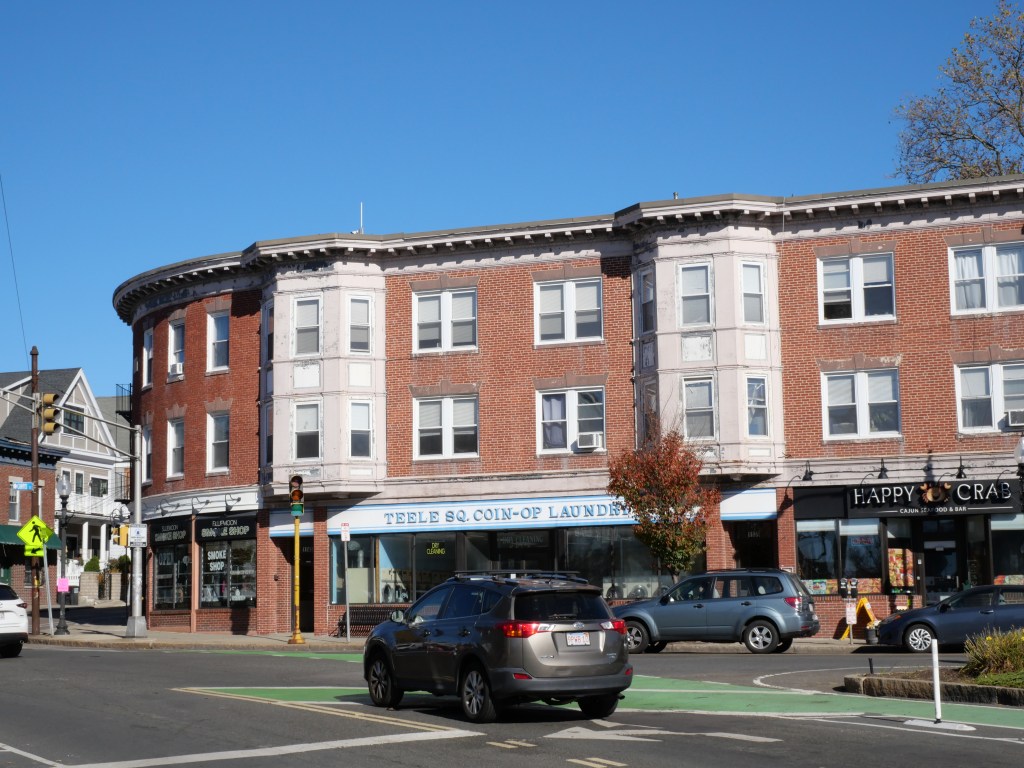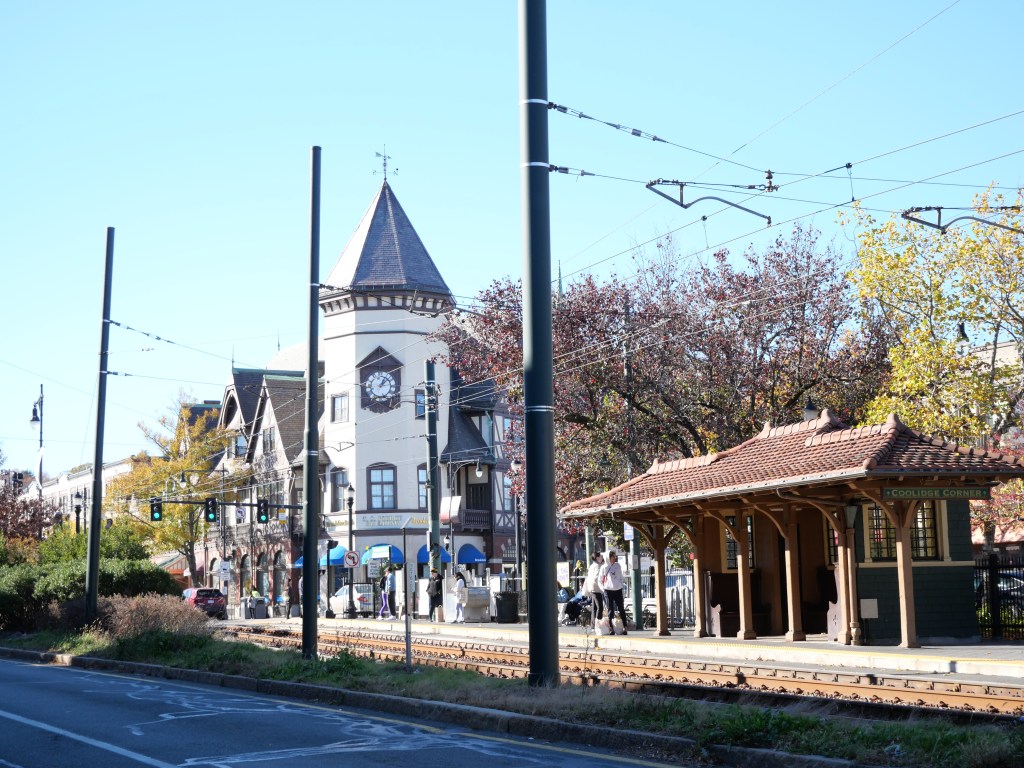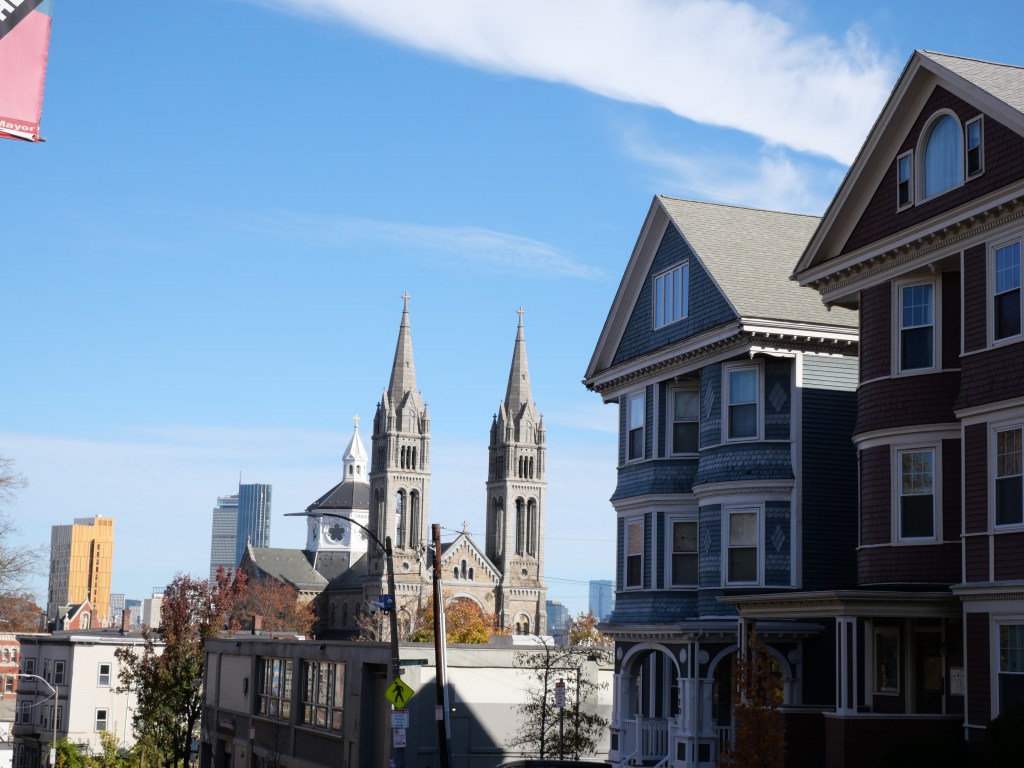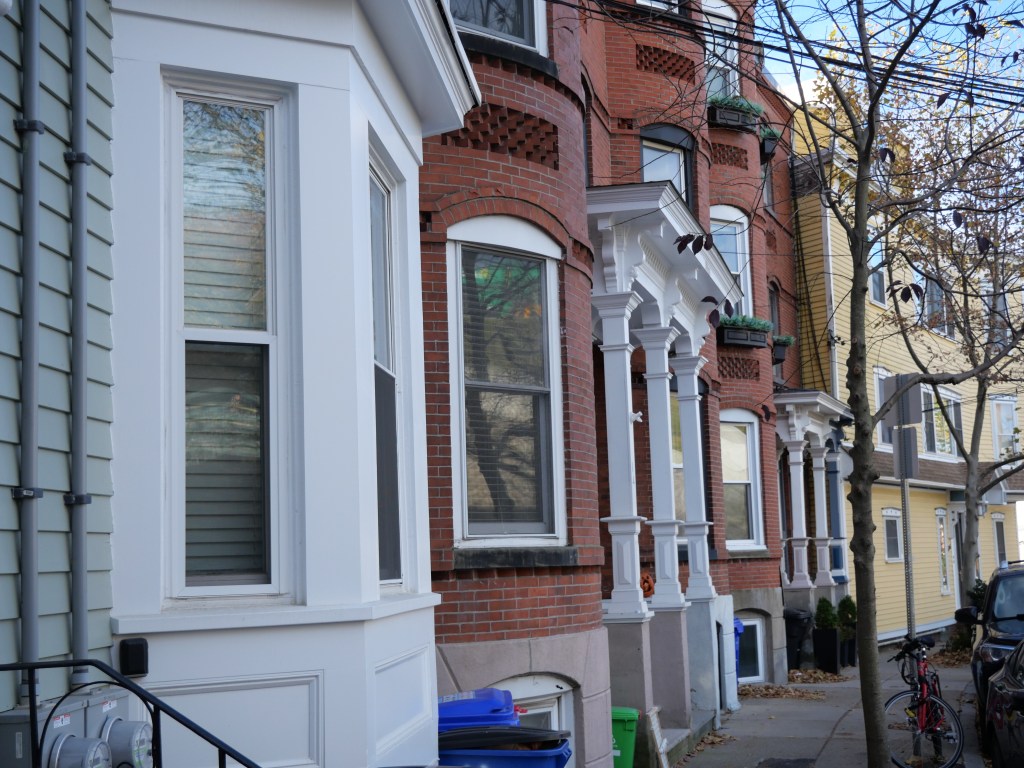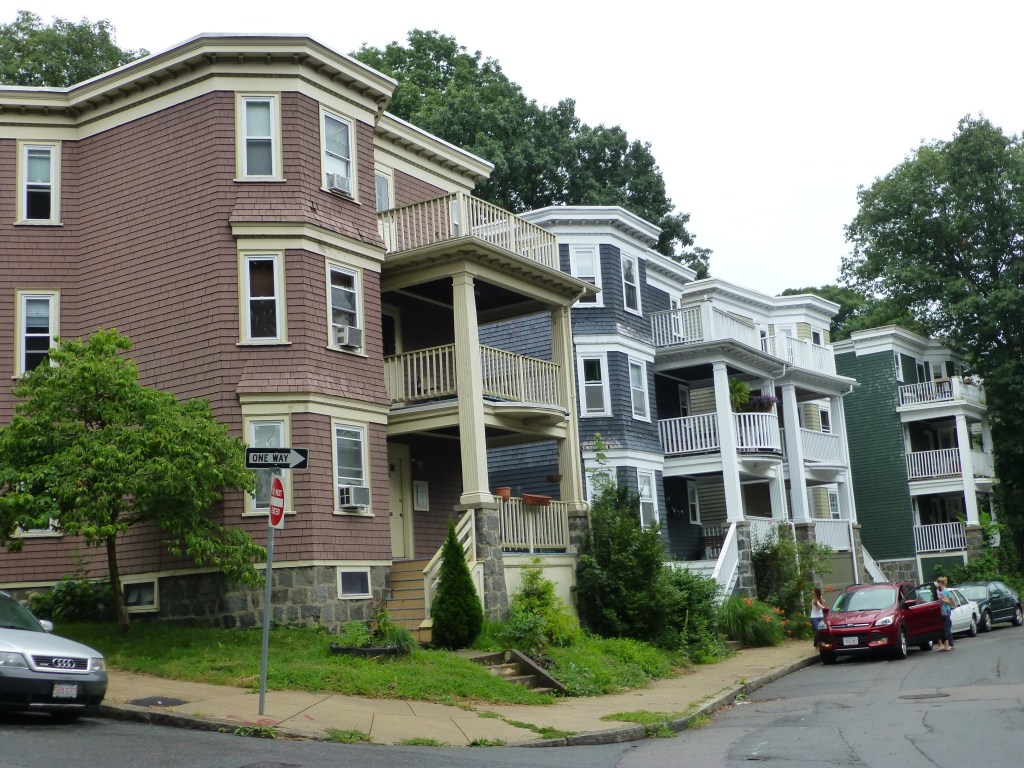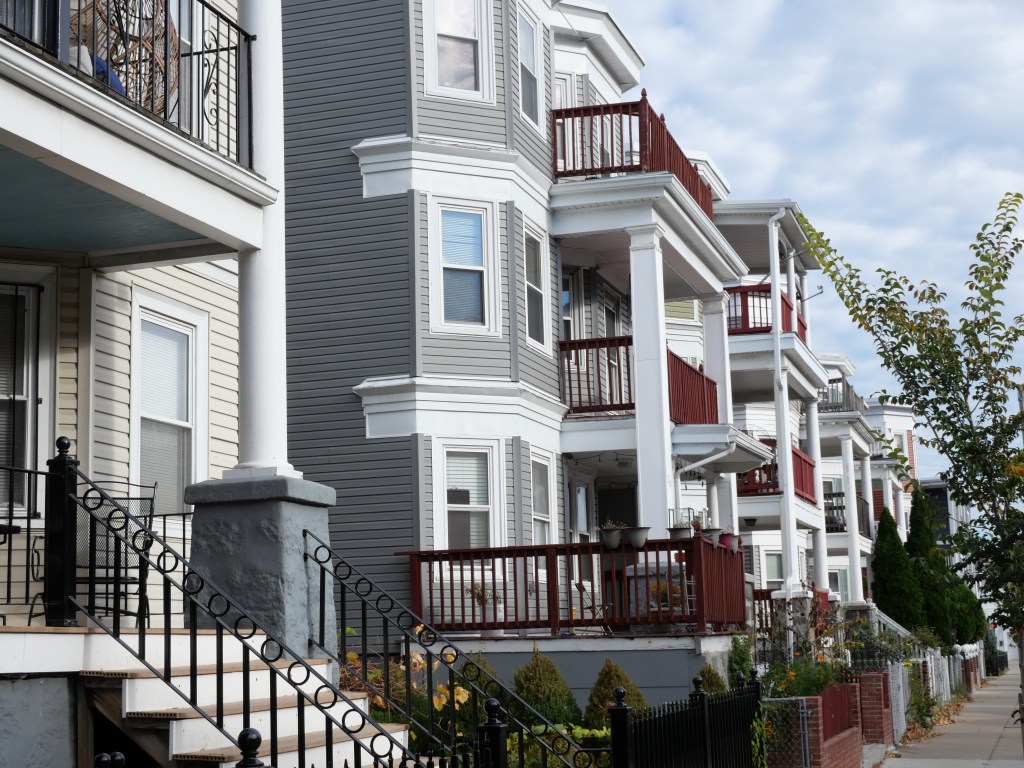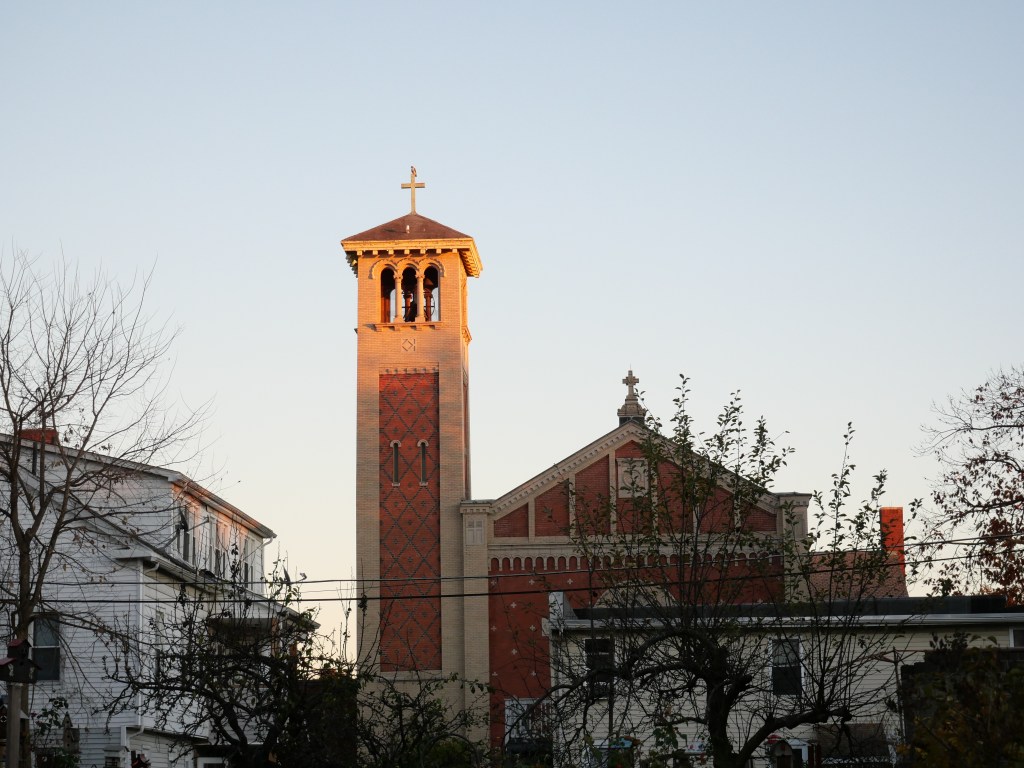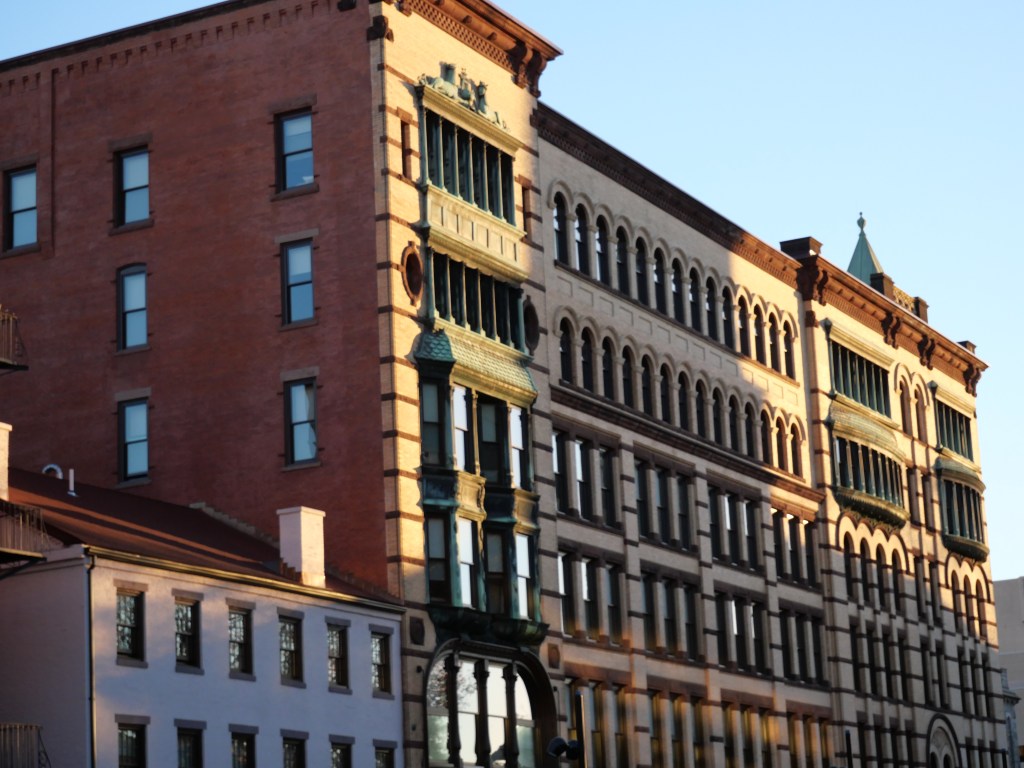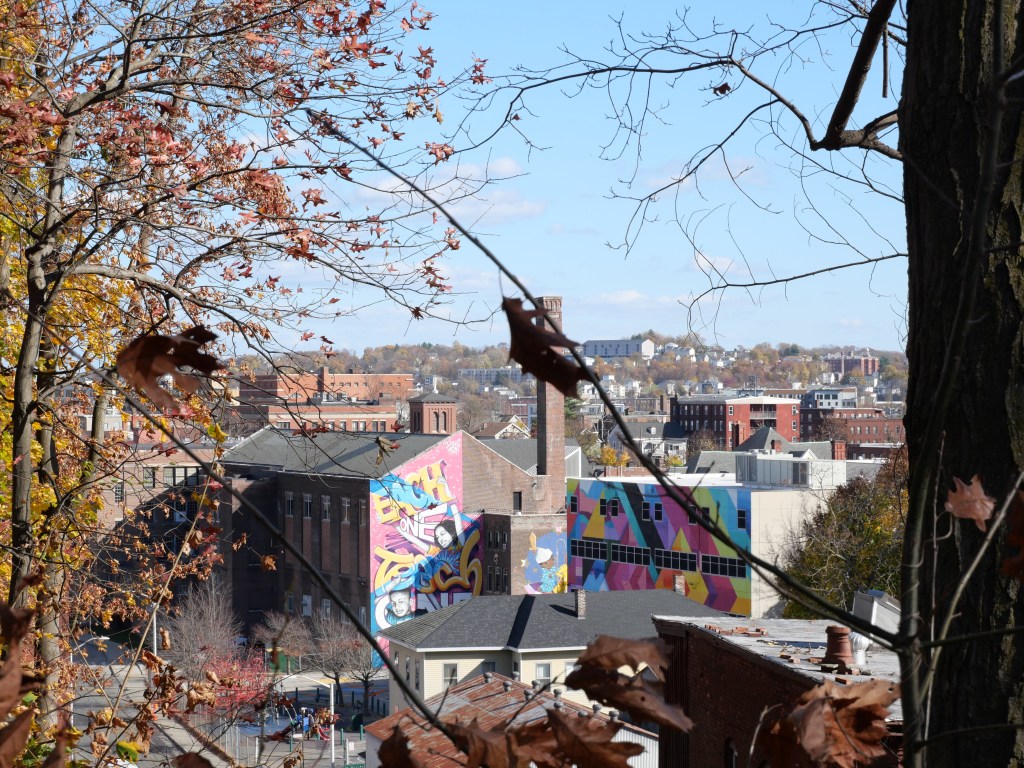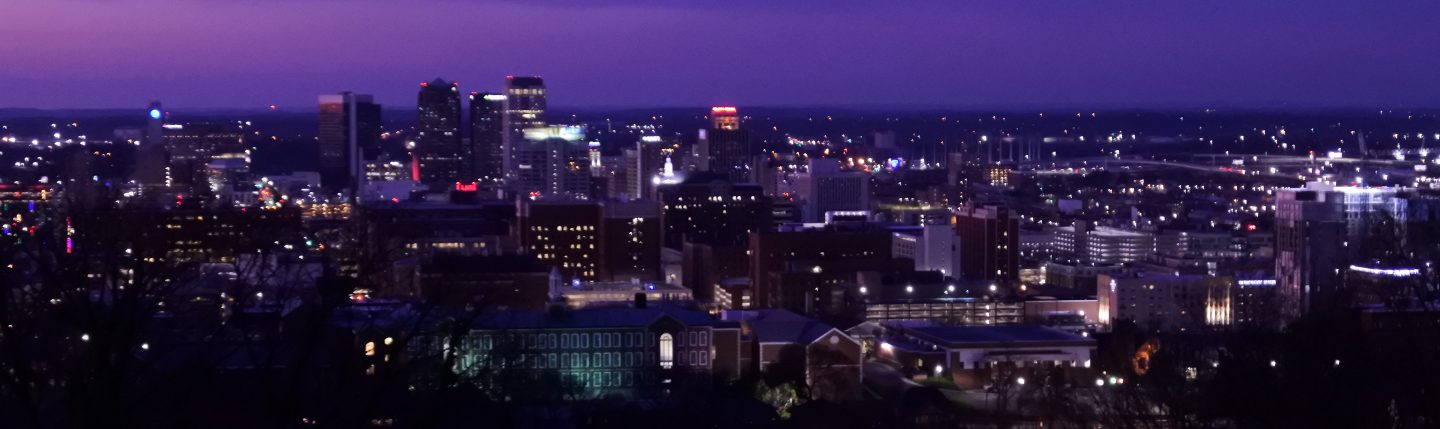
Smith Hill- Solid Inner City Providence Neighborhood just NW of the Capitol Bldg with so much potential

Prior to the mid-1800s, the area was considered rural escape from downtown, with few homes. However, in the late 1800s and early 1900s industrialization attracted immigrants from Ireland, Eastern Europe and the Balkans to work in nearby mills and in particular the Watershed Foundry Area along the Woonasquatucket River. I sense that Smith Hill never experienced widespread disinvestment and blight but it also is not one of Providence’s trendy gentrified neighborhoods. Stark income divisions exist on either side of the Smith Ave with many upper middle class families south of Smith and much more working class families north of it. This tracks with the location of the Smith Hill Historic District, which runs along the highway near dwtn, hosting some of the neighborhood’s best homes from the late 19th century. Smith Hill also hosts a unique historic district the “”Oakland Historic District”” preserving a very intact row of triple decker houses from the turn of the centry. The Watershed Foundry Area was redeveloped in the early 2000s with the closure of the Brown and Shape Manufacturing Company. At its peak the plant employed around 12K in WWII. This redevelopment has also lead to the cleaning up of the Woonasquatucket River and the Providence Place Mall opened in 1999 just across the highway.

From an urban perspective Smith Hill is a solid urban district with good bones. It has good public transit, excellent access to Dwtn, relatively affordable housing (compared to more gentrified Providence neighborhoods), good parks, a decent array of food & beverage businesses, and is a pretty safe area to live. But it really lacks retail amenities forcing residents to drive to surrounding neighborhoods or go to Providence Mall for all their shopping needs. Bike infrastructure is almost non-existent here and the schools leave much to be desired. My sense is that development and reinvestment will eventually home to Smith Hill. Hopefully this helps densify the neighborhood and attract better retail amenities along Smith and Douglas Avenues.

Click here to view my Flickr Album

URBAN STRENGTHS:

* Solid density number.
* Sidewalk infrastructure is good but ADA standard curbs are located on about half of all curb cuts.
* Very convenient access to Dwtn being only 1-1.5 miles away but even closer if you are trying to get to the State House or Providence Place Mall. Transit takes about 10 mins and a 5 min drive.
* Excellent racial diversity with 1/3 of the population being Hispanic and White. Large number of Black and Asian households as well. While about 1/4 of the population is in poverty still a strong middle class represented here.
* Average urban form along the two main commercial arteries (Smith and Douglas). Some good and in-tact stretches and some bad autocentric ones. While there has been some good reuse projects of the Foundry complex,  a large # of surface parking lots surround it. This is located along Promenade St.
* Mix of attractive and more gritty historic residential throughout most of Smith Hill. Some great homes  mid-late 19th century historic homes just south of Smith Street and near the Statehouse.
* Some low level crime but overall Smith Hill is pretty safe. While there is some grit and abandonded vacant lot, limited vacant structures.
* Nice array of small and medium sized parks spread throughout Smith Hill. Also a community rec center and outdoor pool.
* Decent cultural amenities including a diverse array of ethnic restaurants, several cafes & bars, a couple restaurants that do live music, performing arts at nearby Providence College, and convenient access to the cineplex in Providence Place Mall and pretty easy access to the cultural amenities dwtn.
* Fair # of rentals and pretty moderately priced compared to surrounding neighborhoods. Studios & 1 beds rent btwn 1.5K-2.5K, More 2-beds btwn 1.3K-3K  depending on age, and some 3 & 4 beds that rent btwn 1.8K-3K. Decent # of affordable rentals however.
* Ok or-sale options including some 1-bed condos that sell btwn 170K-350K, fewer 2-beds that sell in the 300Ks & 400Ks,  and 3 & 4 beds btwn 250K-600K.

URBAN WEAKNESSES:

* Limited bike lanes infrastructure in Smith Hill and no direct connection to Dwtn. So so coverage by the dockless bike system here.
* Not the best connectivity and grid for an urban district thanks to the highways, industrial areas and many dead end streets.
* So so tree canopy.
* The streetscaping is serviceable but tired and has not received any investment for awhile.
* Modern infill is limited to most autocentric crude. The market isn’t strong enough in Smith Hill for attractive urban infill.
* Some schools here is mixed ratings but poorer array of walkable schools than most Providence neighborhoods.
* Retail amenities for small locally owned businesses and boutiques are pretty limited.  But Smith Hill does have  an Aldi’s, a couple ethnic grocerias, an antique store, a local public library & post office, a bakery and ice cream store, several salons & barber shops, several churches and a good # of doctor’s offices and two major hospitals just west of the neighborhood. Smith Hill residents also have a convenient walk to Providence Mall which includes several brand name clothing stores, and dept stores.

Providence’s West End- A Historically Struggling Inner City Neighborhood Showing Signs of Life & Reinvestment

In the 19th century, the West End Area developed industrially and residentially with several factories built near the now-filled Long Pond. Development began to fill in in earnest in the Mid-19th century. The neighborhood was historically broken up by the section  Northland South of Cranston Street. North of Cranston Street became a white middle-class subdistrict of the neighborhood characterized by one and two family houses, while south of Cranson became double and triple decker houses built to accommodate increasing numbers of working class  Irish, French Canadians, and African-Americans families. This division in the neighborhood still holds today and the sub-section of the West End north of Cranston is significantly more affluent with more attractive and well maintained homes.  Following the urban decline of the 1930s, the West End ended a slow decaying period where more and for middle class residents replaced by larger numbers of working class families, especially Hispanic and African American. In past decade however, the West End has begun to revitalize as increasing numbers of affluent households (generally White) have invested in homes bringing new life to the attractive historic houses north of Cranston  but also converting many older houses into affordable rentals. While the revitalization are most evident north of Cranston, it has begun to spill out into other areas of the neighborhood. There is even new urban infill along Westminster (the north border of the district).

From an urban perspective West End has solid urban bones with a good walkable grid, solid public transit, excellent access to Dwtn, decent park & recreation amenities, and lots of solid walkable school options. There are lots of diverse housing options with prices cheaper than Federal Hill to the north. But the neighborhood still lacks the retail and cultural amenities of Federal Hill, a sign of the long rebuilding effort need to erase its many decades of decline. I hope that the West End can find a way to rebuilt without significant displacement of its many working class households. Given the neighborhood’s many vacant lots and underutilized space I’m hopeful it can find a way to do this, but attention will need to be paid to intentionally create affordable housing as reinvestment comes.

Click here to view my West End Album on Flickr

URBAN STRENGTHS:

* Solid density even with a decent amount of vacant lots.
* Pretty good ADA and sidewalks infrastructure but ADA standard curb cuts are in place on about 2/3s of all curbs.
* Convenient access to Dwtn only 1.5-2 Miles away 8 mins by car, 12 mins by bus, and 15 by bike.
* This is a major Hispanic neighborhood but still good diversity with large White, Black, and modest Asian population. A Quarter of the population is in poverty but still good income diversity.
* Many family households likely  due to the large Hispanic population.
* Not a ton of private schools but plenty of public ones and generally high ratings.
* Good # of rentals and more reasonably priced than neighboring Federal Hill. 1-beds lease btwn 1.3K-2.3K, 2-beds btwn 1.3K-3K, and a decent # of 3 & 4 beds btwn 2K-4K. A large # of affordable housing rentals here.
* Good # for-sale options including and cheaper than Federal Hill but still a pretty strong market. Some 1-bed condos that sell btwn 150K-300K, 2-bed btwn 150K-500K, and 3 & 4 beds btwn 250K-700K with a handful of more expensive options.
* Pretty good # of small and medium sized parks well distributed throughout. Also the West End Recreation center.
* Mix of attractive late 19th century wood frame homes of various styles concentrated around Dexter Field but most of the other houses and more working class structures.
* Decent cultural amenities including some restaurants, a couple live music venues and salsa clubs, a couple breweries, and the impressive Cranston Steel Armory. Good access to the cultural amenities in nearby Broadway at Federal Hill.

URBAN WEAKNESSES:

  • Decent # of vacant lots throughout the district although few vacant bldgs.
  • Okay amenities include a Co-op, plenty of ethnic grocerias and butchers, a drug store, a family dollar, plenty of salons & barber shops, several bakeries, a public library, plenty of churches, and a couple doctor’s office and decent access to the Rhode Island Hospital.
  • Really a lack of bike infrastructure other than some dockless bikes.
  • Tree canopy is so so. Generally better in the wealthier sections along the northern edge of the West End.
  • Historically West End was a pretty rough neighborhood but it has come a long way since the early 2000s with reinvestment and much less violent crimes. While vacant bldgs are limited, there are plenty of vacant lot and underutilized autocentric uses, a legacy of the neighborhood’s disinvestment.
  • Not much modern in-fill but some decent projects along Westminster. A good amount of autocentric junk on the Cranston and Elmwood Biz districts.
  • Urban massing is really hit or miss along Cranston, Elmwood, and Westminster. Getting better along Westminster thanks to recent in-fill projects. Some residential in-fill near the stronger parks of the district around Dexter Field.

Federal Hill- Home to Providence’s Little Italy Community and many great mid-late 19th Century Historic Mansions

Federal Hill received its name after a 1788 Fourth of July ox roast celebration on the plain adjacent to the hill. Federal Hill’s Atwells Avenue is named for Amos Maine Atwell, who led a syndicate of businessmen developing the western areas of the city in 1788. The area developed into a working class district during the early 19th century . In 1840, only the lower streets of the hill were occupied mostly by Irish immigrants who worked in the nearby textile shops and foundries. By the early 1850s, part of Atwells Avenue was clustered with two- and three-story tenements that housed the large influx Irish Immigrants fleeing the famine of 1845 to 1851. But by late 19th century, Federal Hill was increasingly Providence’s Italian enclave.  By 1900, the Hill was divided almost evenly between the Irish and the Italians. The Little Italy District is marked in the present day by The La Pigna (or The Pine Cone) sculpture hanging from its center – a traditional Italian symbol of welcome, abundance, and quality – over Atwells Avenue. 

While Federal Hill still hosts a strong Italian presence along Atwell Street it is much more than that. 20 % and 10% of the neighborhood is filled with Hispanic and Black families respectively making this a very racial and economically diverse community. The blocks surrounding Broadway host some incredible mid-late 19th century mansions of the Federal, Italianate, Second Empire, and Victorian styles. Broadway is also a solid commercial district on its own right. Westminster, the southern border of the district, is an up and coming area emerging from decades of disinvestment and contains the bulk of the neighborhood’s modern infill projects. The eastern edge of the neighborhood hosts the best mixed-use district in Federal Hill as it historically was a small manufacturing area. Overall Federal Hill is a very walkable neighborhood thanks to solid cultural & retail amenities, good public transit and bike access and convenient access to Dwtn (only 1-1.5 miles away). The neighborhood also hosts lots of rentals options (while running a bit expensive) and lots of different for sale options from 1-bed condos in divided up historic mansions to million dollar historic homes.

This is one of Providence’s best urban district but to become a top tier American  neighborhood Federal Hill could use some more density, urban in-fill development or remaining surface parking lots, esp., along Westminster, better tree canopy and some key retail amenities such as a supermarket and a local library and post office.

Click here to view my Federal Hill Album on Flickr

URBAN STRENGTHS:

* Solid urban density
* Excellent mid-late 19th century Federal, Italianate, and Victorian architecture concentrated in the blocks surrounding Broadway. Outside of this hub the historic architecture is much more modest and working class.
* Most intersections have ADA curb cuts but more so along the  major biz districts (Broadway, Westminster, and Atwells).
* Very convenient access to Dwtn only about 1 mile from Dwtn.
* A nice pair of dedicated bike lanes including a north to south route through the neighborhood and a good route to Dwtn. Decent # of dockless bikes here too.
* Good racial and excellent economic diversity with a large Hispanic population and most Asian and Black. While there is a 1/4 poverty rate in the neighborhood there is still a high medium income here and good diversity of household incomes.
* Overall this is a very safe neighborhood with some lower level crimes and gritty apartment buildings especially north of Broadway.
* Some mixed-use in-fill throughout Federal Hill but especially along Westminster and the eastern edge of the district. But also some auto centric in-fill too esp. along Westminster.
* Good number of schools here with a mix of private, public, and charters across all ages. Generally good ratings except the public HS.
* Lots of rentals but pretty expensive. Studios & 1 beds rent btwn 1.5K-2.2K, 2-beds btwn 1.8K-3K and plenty of 3 & 4 beds that rent btwn 1.8K-4K. Decent # of affordable rentals however.
* Lots of for-sale options including plenty of 1-bed condos that sell btwn 150K-400K, 2-bed btwn 200K-650K, and 3 & 4 beds btwn 250K-1 M
* Decent parks including several small-medium parks within Federal Hill or nearby. Also a quality recreation center w/ an outdoor pool.
* Solid cultural amenities including plenty of restaurants, bars, & cafes including a concentration of Italian businesses along Atwell St (Providence’s Little Italy District), a couple art galleries & breweries, a couple live music venues including one in the historic Uptown Theater, also a couple night clubs as well.
* No supermarkets but this neighborhood is old school with a strong Italian vibe that remains leading to plenty of Italian grocerias & bakeries, and a couple butchers. Othe retail amenities include a drug store, several boutiques & clothing stores, plenty of gift stores, a bookstore, several dessert joints & bakeries, a couple gyms, a bike shop, a couple antique stores, several doctor’s office while no local hospital, several churches, and plenty of butches and salons.
* Good amount of retail even on primarily residential streets.

URBAN WEAKNESSES:

  • Generally good urban form but some pretty extensive parking lots along Westminster and in the southeastern edge of the district.
  • Tree canopy is so so and lacking in the more working class typology streets.
  • No supermarket nor local post office or public library but these do at least exist dwtn only a mile away.”

Downtown Providence, RI

Current day Dwtn Providence was originally  known as “Weybosset Neck” or “Weybosset Side”. It was first settled by religious dissidents from the First Congregational Society in 1746. Their settlement was located near present-day Westminster Street. Downtown did not witness substantial development until the early 19th century, when Providence began to compete with Newport RI thanks to the British destruction of much of Newport. From there on Dwtn Providence developed like typical American dwtns first becoming a warehousing, storage, and general goods district, then hosting a concentration of Department stores, offices, and theaters in the early 20th century.

But like most American Dwtn’s, Providence was scared and isolated by significant highway development receiving an innerbelt looping around 2/3s of the downtown area and isolating it from South Providence, West End, Federal Hill, and the Smith Hill neighborhoods. By the 1970s downtown was widely seen as a dangerous place to be after dark and witnessed significant disinvestment and abandonment. Johnson and Wales University used this opportunity to purchase many of the vacant properties for cheap and significantly expanded its main Dwtn campus and in the process helped stabilize Dwtn. The 1980s and 1990s kicked off major reinvestment projects in Dwtn including reopening access to the city’s natural rivers, Water place Park new development around the Capitol, and the opening of Providence Place, an extensive mall with several department stores and Cineplex.  Significant investments were also made to bolster the arts lead by the Providence Performing Arts Center and Trinity Repertory Company.

From an urban perspective Downtown providence punches above its weigh class for a metro at just over 1.5 M. It has a compact historic core which is generally in tact with a great array of historic bldgs, solid dwtn population, good retail amenities (thanks to the Providence Place Mall), good cultural amenities, compact feel and good walkability including the ability to walk to Brown in 10-15 minutes, large college presence, and well connected by bike and transit modes. But for this to become a top tier American Dwtn it needs to reinvent itself in the wake of the Covid-19 shuffle. Recent news articles point to a Dwtn which is struggling to maintain its vitality with the decrease in dwtn workers. Downtown Providence needs to build on its quality built environment and compactness and truly become the 5 minute neighborhood it was meant to be. There are many surface parking lots, especially on the southern edge of Dwtn and in the Jeweler Subdistrict screaming for new density and housing.

Click here to view my Downtown Providence Album on Flickr

URBAN STRENGTHS:

* Solid population for a  dwtn.
* Great public transit within Providence with 7.5 rating. Public transit to the suburbs is a mixed-use bag with better transit in the older suburbs than the newer ones.
* Decent dedicated bike lanes within Providence and Dwtn but not as fully as one would like. Some good lengthy bike lanes out to the suburbs but not plentiful. Providence has dockless system across the City but not as good as dedicated bike sharing stations.
* Excellent Historic architecture, mostly late 19th century 4-6 story bldgs but also some boutique skyscrapers too.*
* Most intersections have ADA curb cuts and good sidewalks.
* Not the most gridded Dwtn but lots of short blocks.
* Excellent racial and economic diversity metrics Dwtn.
* Some amenities dwtn for kids including the History & Children’s museum, Hockey Team, and winter ice rink.
* Generally a very safe dwtn with low levels of crime and limited blight.
* Very nice cluster of private, public, and arts schools in the heart of Dwtn with mixed ratings. Several quality schools on the western edge of Dwtn including the highly rated Classical High School with 1,000 students.
* Also good college presence dwtn with several satellite campus dwtn, the heart of Brown University is only a 15 min walk with several colleges located closer, and Liston Community college is located just south of Dwtn.
* Decent # of rentals but market rate is generally expensive. 1-beds lease btwn 1.8K-the low 3Ks, some 2-beds in the 2Ks & 3Ks, and some 3-bed product. Plenty of permanent affordable rentals however.
* Solid parks in Dwtn including a recreational trail running along Providence River, the new 195 District Park & Station & Waterfront Park, the Civic hubs of Burnside & Biltmore Parks, and several smaller plazas.
* Compared to most dwtn’s surface parking lots aren’t terrible. Only a handful in the core of Dwtn but they become and more and more pervasive as one heads to the southern end of Dwtn (the Jewelry District).
* Solid cultural & regional amenities including plenty of food & beverage bizs, plenty of art galleries, plenty of nightclubs & a handful of live music venues, lots of performing arts venues, (both old & modern), a cineplex, several museums & historic sites (esp. when you count statehouse and those across the river), a convention center. Excellent concentration of gov’t offices  across local and state.
* Solid retail amenities including a couple drug stores, the Providence Place Mall (which is pretty healthy with lots of clothing stores, food options, retail stores and several; dept stores) several boutiques, gift stores, book stores and churches in the Historic dwtn. Also a handful of dessert joins, gyms, home good stores but less than most dwtns. A major hospital is just south of dwtn.

URBAN WEAKNESSES:

  • Dwtn population is largely students and young adults.
  • No supermarkets dwtn but there is a Trader Joe’s just across the river.”
  • Dwtn providence is not the most vertical dwtn or extensive but a nice cluster of bldgs btwn 300-430 feet topped out by the antique Industrial Nat Bank Bldg. The modern skyscrapers that surround it a decent.
  • Okay for sale product too with 1-bed condos selling btwn 250K-500, some 2-beds btwn 500k-750K, but limited 3-beds.
  • Dwtn employment in Dwtn Providence isn’t great. Probably somewhere btwn 20K-30K.
  • Decent but not top notch urban infill. Lots of quality urban infill for 1990s/early 2000 standards but the design is pretty bland yet with decent urban form. The modern office towers are decent but not distinctive, also some unattractive 1960s-1970s apartment bldgs surrounding the Cathedral.
  • Streetscape is fine but generally pretty dated and often narrow.
  • Sports amenities are limited to the Bruins hockey arena, a minor league team. # of restaurants is a bit limited for a dwtn area.

College Hill- A Once Thriving North St. Louis Urban District named after St. Louis University.

The area was originally called the Town of Lowell but got its name because it was the location of the Saint Louis University College Farm acquired by the University for garden and recreation purposes in 1836. The farm was subdivided in the early 1870s and the development of College Hill began with its annexation into the City of St. Louis in 1871. The neighborhood’s most iconic remaining landmarks, The Grand Avenue Water Tower, was built in 1871 and was thought to. be the largest perfect Corinthian column in existence. Another great monument,  the Bissell Tower, was built in 1887. The neighborhood filled in between 1880 and 1920 with a mixture of townhouses and four family flats along with some single-family brick dwellings. The area’s historic commercial center was located along East Grand around the Old Water Tower with a strip along W. Florissant Avenue. This neighborhood was a vibrant and very walkable district into the late 1960s. But the 1970s, with white flight and the expanding area of concentrated Black poverty in North St. Louis, was disastrous for College Hill. The vast majority of structures have been demolished here and the neighborhood’s population now sits at about 10% of its peak. College Hill has lost significantly more of its built environment comparted to neighboring O’Fallon’s Park.

On the bright side, half of College Hill’s residents are homeowners who don’t appear to be going anywhere soon. Given College Hill’s convenience of Dwtn St. Louis (4 miles), solid public transit, great park amenities, and great connectivity and urban grid it is only a matter of time before this once great urban neighborhood comes back, but it could still take a couple decades given the fact that the City of St. Louis is still loosing population.

Click here to view my College Hill Album on Flickr

URBAN STRENGTHS:

* Sidewalks generally consistent but only about  1/4 of all intersections are ADA accessible.
* Decent public transit access and very convenient access to dwtn being just a 25 min bus ride and 10 min drive. Also only a 25 min bike ride.
* Excellent connectivity.
* Decent # of families with kids.
* Limited parks within College Hill but some great ones located on the edge of it (Fairground Park, O’Fallon Park, and Hyde Park.
* Decent tree canopy.
* College Hill has two iconic historic water towers (i.e. Grand Avenue & Bissell Street).

URBAN WEAKNESSES:

  • This is over a 90% Black neighborhood but some economic diversity.
  • Limited bike lanes within College Hill but some decent bike paths just outside of the neighborhood and not too hard to get to the Mississippi Riverfront trail that then feeds to Dwtn.
  • Decent public elementary schools here but only a handful of other smaller private schools and a poorly rated public high school located not too far away.
  • Limited rentals listed on the market. What does exist is probably pretty cheap.
  • For sale housing market is pretty limited too. What does sell homes in generally btwn 50K-150K.
  • Generally pretty high crime rates here and lots of vacancy and blight.
  • Some decent historic architecture but what is still standing is often blighted. Modern in-fill is very limited.
  • There is essentially no open businesses or cultural amenities within College Hill. Some retail amenities in neighboring O’Fallon Park.
  • Since of the bldgs. are gone in the historic commercial districts (Grand Blvd and Florissant) there is not much urban form to speak of. The streetscaping is better along Grand as the sidewalks are often overgrown and missing on Florissant.
  • Poor density for an urban area.”

University City- An Inner Ring Urban St. Louis Suburb named after Washington University

In the late 19th century University City was primarily a small farming communities. Development of the area really began in the turn of the 20th century largely influenced by Woman magazine editor Edward Gardner Lewis’s decision to break ground for his publishing company’s headquarters: the Magazine Building (now City Hall) in 1903. The building is an ornate octagonal 135-foot tower. He also built several other City Beautiful monuments including  Egyptian temple, the Art Academy, and the Lion Gates and incrementally sold off his land holdings around the Magazine Bldg. University City was formally incorporated in 1906and named after Washington University. Between 1910 and 1920, the City was exploding. By the 1920s, University City’s main business corridor, Delmar Boulevard, also referred to as the Loop, was a vibrant streetcar shopping destination. Like inner St. Louis neighborhoods, University City was affected by urban sprawl and white flight. Large numbers of African American families displaced by St. Louis’ extensive urban renewal projects moved in north of Olvie Blvd. Amazingly this black/white divide still largely exists in University City. The city has also had a large middle-class Jewish presence. University City lost about 30% of its population from its peak in 1960s but it appears it’s close to stabilizing at around 35K residents.

From an urban perspective University City is pretty walkable (especially around the Loop area). But it has solid public transit throughout most of this evaluation area and a couple smaller urban biz nodes throughout. Retail and cultural amenities are solid and there are lots of well dispersed parks. There is also a good array of rental and for sale price points making the City accessible to middle and upper middle class households. To become a top tier urban district University City needs more density and expanded mixed-use urban nodes. It also needs better schools, and to better racially integrate the City.

Click here to view my University City Album on Flickr

URBAN STRENGTHS:

* 90% of streets have sidewalks and about 65% of curb cuts are to modern standards.
* Good access to Dwtn via transit is you live close to one of the light rail stops or close to the St. Louis border (about 30-40 mins). The western edge is more like 50 mins away. Easy 15-20 min drive to Dwtn throughout.
* Most of the review area is well served by public transit thanks to several light rail stations on the southern edge.
* Overall University City is a pretty walkable City across walking, public transit, and driving. Most of its commercial activity is concentrated in the Loop in the extremely eastern edge of the City but some other smaller commercial notes (i.e. Delmar & North/South Rd, around he Forsyth Blvd station, and pretty convenient access to Dwtn Clayton for those living on the southern edge).
* Decent economic diversity likely thanks to the student population.
* Overall a very safe City, especially the area included in this evaluation.
* Good park amenities including many well distributed small-middle sized parks, a well funded pool & recreation center, and pretty convenient access to Wash U and Forest Park on the City’s Southeastern border.
* Other than the Delmar Loop area, tree canopy is excellent here.
* Good for sale housing diversity with a good number of condos selling btwn 100K-300K, mix of 2-bed condos and modest SF homes that sell btwn 150K-400K, tons of 3 & 4 beds product ranging anywhere from 300K-850K. Housing market is significantly cheaper north of Olive Blvd. The larger mansions sell for more like 1 M.
* Decent amount of rental product but clustered around the Loop, Midland Blvd,  I-170/Forsyth Blvd. 1-beds lease btwn 800K-1.8K, 2-beds btwn 1K-2.5K, & more well dispersed 3-bed rentals (in a lot of SF homes) ranging anywhere from 1K-3K.
* Solid cultural amenities (mostly concentrated along Delmar) including plenty of restaurants, cafes, & bars, and several live music venues. Also a handful of art galleries and a performing arts theater located outside of the Loop and Wash U has an Art Museum and performing arts theater.
* Lots of nice historic homes from the 1910s-1940s but also some more modest brick ranges from the 1940s & 1950s mixed in. Great historic commercial bldgs along Delmar Blvd.
* Generally good urban form with just a couple of autocentric uses and blocks.
* Pretty retail amenities but 2/3s of amenities are concentrated in the Loop or along the Autocentric Olive Blvd not included in this eval. This includes several supermarkets & drug stores, decent # of clothing/boutiques, a couple gift stores & book stores, a couple banks, several dessert joints, a couple gyms, a couple local post offices, a public library, a couple doctor’s offices and plenty of churches.

URBAN WEAKNESSES:

* Decent density for an inner ring suburb but lower than most urban St. Louis Neighborhoods.
* The larger blocks of connected  but many of the residential streets have deadens, are curvilinear or are closed to thru traffic, a common feature of St. Louis.
* Some short dedicated bike lane segment but nothing terribly useful. Like the rest of St. Louis there is no bike sharing system in University City.
* Quite the racial divide within University City. South of Delmar is 90-95% white. North of Delmar to Olive Blvd is a bit more diverse. North of Olvie is very Black with higher poverty rates. Some pockets of Asian populations thanks to Wash * Schools are pretty underwhelming for a relatively affluent inner ring suburb. Mixture of low and medium ratings for the public schools and only a handful of private schools. At least most of the schools are located within the more walkable part of University City.
* The worth urban form in University City includes the massive surface parking lot behind Delmar & Kingsland Ave and Forest Park Parkway (basically a highway) cutting through the southeastern edge of University City.

Dutchtown- South St. Louis’ Historic German Community now one of its most Diverse Neighborhoods

Dutchtown gets its name as it was the  southern center of German-American settlement in St. Louis with rapid development beginning here in the 1870s with the development of the Commons. Dutchtown continued to fill in all the way until about WWII. Post War Dutchtown, like most older inner city St. Louis neighborhoods, began to loose population. It wasn’t until the 90s that African American families began to fill the void and resettle in the neighborhood as Black families from north of Chippewa were displaced by gentrification. By the 2000s significant numbers of Latinos and Asians relocated to Dutchtown and helped slow down the neighborhood’s population loss and helped the neighborhood keep more of its structures intact than other St. Louis’ communities. Dutchtown saw a drop of only 18K-15K from 1990 to 2020. But the influx of new residents has been mainly working class families and Dutchtown still struggles with high commercial vacancies and some residential vacancies, which an influx of higher income families would certainly help stabilize.

Dutchtown is also home to several long standing dessert joints well known in St. Louis (i.e.  Ted Drewes frozen custard stand,  Merb’s Candies, and Dad’s Cookies). Downtown Dutchtown is located along Meramec Street between South Grand Boulevard and Compton Avenue. Some commercial activity extend northward along Grand Boulevard and along Chippewa but there are a lot of autocentric spots along these blocks. Dutchtown is still an incredible affordable place to rent or buy. One can purchase a nice home here for 200K and rent a nice 2-bed apt for around 1 K. What the district needs is an influx of more households with income to help fill out many of the vacant retail spaces along with quality urban in-fill along Grand Avenue (north of Meramec) and Chippewa St. Hopefully this can be done with an anti-displacement model of encouraging homeownership for existing residents and allow more density in the community for newcomers to arrive.

Click here to view my Dutchtown neighborhood on Flickr

URBAN STRENGTHS:

* Solid density at just under 11K residents per square mile.
* While most of the housing is working class housing, a very interesting mix of typology spanning from the 1880s-1930s from late 19th century Italianate styles, early 20th century 1-story shotguns in a unique brick St. Louis Style, larger vict A frame homes from the 1910s but in brick, many different types of apt bldgs,  1920s-1930s bungalows and tudors from the , and even some 1940s brick range homes.
* Sidewalk infrastructure is fine but ADA curb cuts only include about 40% of all intersections.
* Solid public transit access.
* Solid park amenities starting with Marquette Park which includes an outdoor pool, playground, and recreation center. Several other small-medium parks concentrated in the northern half of the district.
* Excellent diversity  indicators esp. racial and economic. The district is about 45% Black but large White, Hispanic, and Asian populations.
* Decent schools including a couple public elementary schools with a 5 rating and several smaller private schools and a large Catholic HS.
* Decent retail amenities including an Asian grocery store, a dollar store, a couple drug stores, several clothing & consignment stores, a couple home good stores, several dessert joins, a couple banks, a book store, a public rec center, a local post office, and a couple churches.

URBAN WEAKNESSES:

* Limited bike lanes within Dutchtown but there are two lengthy bike lanes on the western and eastern edges of the neighborhood that connect all the way to dwtn.
* Lots of rentals and very affordable. Some studios that lease btwn $500-$800, 1-beds lease btwn $600 to the low 1Ks, 2-beds btwn $800 to the low 1Ks, and 3-beds in the 1Ks.
* While its block by block crime is pretty high in Dutchtown still, especially for south St. Louis.  Some abandonment and grid, especially in the commercial areas, but limited abandonment with residential structures.
* Modern in-fill is pretty much non-existent other than autocentric crab concentrated along the northern extent of Grand Blvd.
* Good urban form and streetscaping is concentrated along a couple blocks of Meramec a couple blocks east of Grand Blvd. Grand Ave is hit or miss but becomes very autocentric and blighted near Chippewa. Chippewa is very hit or miss.
* Cultural amenities are not inspiring but a decent number of restaurants (several ethnic ones), some bars but very divy, and a handful of cafes. Not much else.
* For-sale options are affordable but limited diversity. 1-beds are very limited. 2-beds sell btwn 75K-175K, 3 & 4 beds btwn 100K-225K.

Marine Villa- South St. Louis Neighborhood sandwiched between Cherokee and Jefferson/Broadway showing signs of life

The neighborhood’s name is a tribute to the many rivermen who once lived and worked in the area. Originally part of the St. Louis Commons, this area was subdivided and gridded in 1855. The Lemp Brewery relocated from downtown to the northern edge of the Marine Villa neighborhood in the 1860s, and the neighborhood saw an influx of German immigrants. By the 1890s the streetcar came through the neighborhood along Broadway creating an explosion in population and construction. Yet Marina Villa experienced serious disinvestment especially in the segment of the neighborhood south of Broadway Ave. The northern half of the district has benefitted from the reinvestment along Cherokee St. While Marine Villa is still loosing population it is at a much slower rate than it was before 2000. There are also some signs of life in the housing market.

From an urban perspective Marine Villa needs to continue to build off of its strong edge along Cherokee St and relatively healthy housing market north of Broadway. This includes the Jefferson Business District which grows more stable the closer to Cherokee one gets. Hopefully the planned north-south Green Line becomes a reality as it could really transform the neighborhood and bring back a historic streetcar line. Marine Villa simply needs more density and investment which would drive better retail & cultural amenities to areas outside of just Cherokee Street and clean up the significant amount of blight south of Broadway.

Click here to view my Marine Villa Album on Flickr

URBAN STRENGTHS:

* Sidewalk infrastructure is fine but ADA curb cuts only include about 1/2 of all intersections.
* Decent tree canopy throughout Marine Villa unless it’s a more industrial section.
* Nice bike path that cuts through Marine Villa and connects all the way north to Dwtn. Convenient access to dwtn across all modes being only an 8 minute drive or a 25 min bus ride.
* Solid diversity indicators esp. racial and generational. The neighborhood is 1/2 Black but with large White and Hispanic populations. Economic diversity is not a great as there is still pretty high poverty (20%) and mostly low-moderate incomes.
* Some rentals but not a ton. 1-beds lease btwn $800- the low 1Ks, 2-beds in the low-mid 1Ks. Some 3 & 4 beds as well that generally lease in the mid-high 1Ks.
* Very attractive historic bldgs and breweries along Cherokee St (the main biz district) or a couple blocks south. Generally solid stock all the way to Broadway. South of Broadway there are more mid century ranch homes mixed in and the historic stock is less well maintained.
* Good urban form and streetscaping along Cherokee St. Decent urban form along Jefferson. Broadway Ave however is pretty blighted and autocentric.
* Cultural amenities are concentrated along Cherokee and including a nice array of restaurants, bars, and cafes along with a couple  local breweries in historic brewing bldgs. Also a live music venue, and  couple historic mansions.
* Several boutiques, gift stores, and antiques/home good stores especially along Cherokee St known as antique row. Also a couple book stores, several salons & barbers, a couple doctor’s offices, a Save-a-Lot, and a couple dessert joints.

URBAN WEAKNESSES:

  • Good amount of blight still remains across Marine Villa especially south of Broadway. Crime is def higher than the City’s higher end districts but appears pretty average for St. Louis.
  • Below average density for an urban district. Marine Ville was historically much denser.
  • The street grid gets messed up by Broadway Ave cutting across it and the industrial uses.
  • Some decent parks in adjacent neighborhoods but literally none within Marine Villa.
  • Several smaller schools within or nearby Marine Village but the few that are rated are rated poorly.
  • Not a ton of for sale product on the market in Marine Villa, which tells me the % of homeowners is likely pretty low or the price points are low enough that few homeowners list on the MLS.
  • Modern in-fill is very limited in Marine Villa. What does exist is generally auto centric crud.
  • Missing several key retail amenities including churches, drug stores, etc.”

Forest Park Southeast- Home of the Artsy “The Grove” Business District and a Successfull Revitalization Effort

While railroad lines passthrough the area in the Civil War, development did not come to Forest Park SE until after it was annexed into St. Louis in 1876. It was at this time that the City’s limits shifted westward from Grand Boulevard to Skinker Boulevard. In the late 1800 multiple streetcar lines were extended westward and the neighborhood grew rapidly  centered on the  vibrant commercial district on Manchester Avenue. While its proximity to industry and railroads made it less desirable, Forest Park SE was ideal to house a diverse working-class population. By 1910 Forest Park SE was largely built and the neighborhood remained a stable working class enclave until the 1960s when the twin forces of deindustrialization and suburbanization resulted in severe disinvestment and depopulation. By the 1990s, Forest Park SE  had high crime and 1/3 of its population in poverty.  But this state of disinvestment thankfully did not fester  the 1990s brought revitalization thanks to the arrival of many LGBT-oriented businesses along Manchester Avenue.  By the end of that 20th century, local business owners began marketing  the Manchester business district as “The Grove”.  Thanks to its proximity to Central West End and the Washington University Medical Center the gentrification of Forest Park SE  continued into the 21st century. The tireless work of the Washington University Medical Center Redevelopment Corporation (WUMCRC) also played a large roll in the neighborhood’s comeback as over 500 vacant properties,  concentrated in the southern half of the neighborhood, were revitalized . Thanks to these efforts the community’s population finally rebounded between  2010-2020 gaining over 500 new residents. Sadly the racial demographics of the neighborhood have shifted tremendously  since 2000 moving from a 77% Black population to  around 25%.  While many White households have moved in, the neighborhood’s Hispanic and Asian population has increased.

This is a solid neighborhood from an urban perspective with great food & beverage bizs along the Grove, decent retail amenities, and even some restaurants/bars sprinkled into residential blocks. The Forest Park SE housing market has stabilized offering a great variety of rentals and for sale 2-4 bedrooms ranging from 250K-550K. The Community also offers good public transit, convenient park access thanks to the close proximity of Forest Park, and a very artsy eclectic historic vibe creating a buzz for the neighborhood. However, for this to be a top tier urban district is needs more housing & density which will hopefully fill in needed retail amenities along with better schools and bike infrastructure.

Click here to view my Forest Park Southeast Album on Flickr

URBAN STRENGTHS:

* Good sidewalk infrastructure with about 65% of all ADA curb cuts are up to standard, very high for a St. Louis neighborhood.
* Solid public transit access thanks to the neighborhood’s close proximity to a train station. Dwtn is only 30-35 min via public transit and also close the Central West End which has a lot of medical jobs.
* Excellent racial and economic diversity. Not a ton of family households however.
*Good pedestrian access to the SE corner of Forest Park and Hudlin Park even with the Highway barrier. A couple small and medium parks within the neighborhood.
* Lots of rental options with 1-beds ranging in price anywhere from 850$-2K, 2-bed btwn the low 1Ks- the upper 2Ks, and 3-beds btwn 2-3.5K. This is more expensive than the majority of St. Louis neighborhoods but also a decent # dedicated affordable rentals.
* Nice mix of historic and new construction housing but mostly 3 & 4 bedrooms. Good # off 2-beds which sell btwn 250K-450K, 3 & 4 beds sell btwn  300K-550K.
* Solid cultural amenities including plenty of restaurants, bars & cafes, a couple breweries and art galleries, and plenty of night clubs and life music venues. Also decent access to the museums in Forest Park but generally about a 2 mile walk.
* Attractive mostly modest brick historic homes from the late 19th century. Very attractive historic commercial bldgs along Manchester Ave.
* Urban form is generally good along Manchester Ave and most residential streets but you get a fair amount of autocentric industrial uses along the edges of the neighborhood and lots of underutilized surface lots.
* Decent retail amenities including a couple grocerias (no supermarkets here), a couple of banks, a decent # of clothing stores & boutiques,/gift shops, several dessert joints & bakeries, a couple gyms, tons of salons & barbershops, several churches, a local post office, and a couple local health centers.
* Lots of murals and arts along the Grove.
* Good mix of uses throughout the district including several restaurants/cafes/bars mixed into the more residential streets.

URBAN WEAKNESSES:

  • Poor bike infrastructure within Forest Park SE but good dedicated connections on the western and eastern borders allowing one to bike into Dwtn or out to the western edge of St. Louis.
  • so so density.
  • Generally a pretty safe area but definitively some grid on the edges of the neighborhood and lingering crime from 2 decades ago.
  • Tree canopy is so so in the residential streets and non-existent in the industrial areas.
  • The only schools located within Forest Park SE is a poorly rated Elementary School and large pre-K. Some schools on the periphery of the neighborhood but mixed ratings.
  • Missing several key retail amenities including a supermarket, a local library, bookstores, hardware store, etc.”

Botanical Heights- Successfull Revitalization Story of a South St. Louis Neighborhood ravaged by the I-44 Freeway and Crime & Drugs Issues

The area, originally referred to as McRee Town, was developed as a working-class neighborhood in the late 19th century with a mix of single-family and multi-family homes. But the neighborhood faced many challenges in the post War era including the construction of Interstate 44, and by the 80s and 90s major crime and drug issues leading to a concentration of low income African American Households. By 2000 over 50% of remaining structures in the neighborhood were vacant and in disrepair. But the community responded and by 2007 the local CDC, the Garden District Commission, took an aggressive approach buying out blocks of housing and restabilizing them or building new construction. 

Botanical Heights received its rebranding in the early 2000s as the community sought a fresh start. From an urban perspective, this is a solid district but still has missing pieces before it becomes a top tier neighborhood (i.e. more density, better parks, more rental diversity, better schools, and more amenities in the business district). Tower Grove Avenue is an attractive two-block biz node but largely contains food and beverage businesses. But the core revitalization strategy of the Garden District Commission has been successful and now for sale homes sell anywhere from the 200s, topping out at around 500K.  Given the neighborhood proximity to Dwtn, the Central West End, and other stable and attractive South St. Louis neighborhoods, the trajectory of the neighborhood seems good. I just hope it can retain its economic and racial diversity.

Click here to view my Botanical Heights Neighborhoo on Flickr

URBAN STRENGTHS:

  • Solid public transit access thanks to decent access to the light rail just north of the neighborhood. Thanks to good transit access and several dedicated bike lanes, there is good access to Dwtn among all modes.
  • Good sidewalk infrastructure and about 50% of all curbs are ADA compliant.
  • This was previously a pretty poor and Black dominate neighborhood. Since 2000 Botanical Heights has moved from 88% Black to 50% Black welcoming more white households with means. Many would call this gentrification but having concentrated Black poverty in a community isn’t a positive outcome either. The neighborhood is also pretty family friendly as well.
  • Nice mix of historic and new construction housing but mostly 3 & 4 bedrooms. The handful of 2-bed sell in the 200Ks and 300Ks 3 & 4 beds sell btwn 250K-500K.
  • Solid historic fabric in the residential and commercial areas. Also lots of residential in-fill housing including a mix of more traditional brick homes and modern infill.
  • Decent cultural amenities including a fair number of restaurants, bars & cafes concentrated along Tower Grove Ave. Missouri Botanical Gardens is also located just south of the neighborhood.

URBAN STRENGTHS:

  • only a handful of parks within the neighborhood but pretty close proximity to Missouri Botanical Gardens and Compton Hill to the south but I-44 separates them.
  • So so urban density.
  • There is a history of high crime in Botanical Heights but this is much improved since the 2010s. Still some blight especially along the industrial edges.
  • Tree canopy is a bit sparse in spots but improving thanks to the stabilization of the neighborhood.
  • Rental options are pretty limited. Some 1 & 2 beds. 1-bed lease in the low 1Ks and 2-beds in the 1Ks. More 3-bed options that lease from the mid 1Ks to the mid 2Ks.
  • School options are so so. A couple of private elementary schools within Botanical Heights. Several mixed-rated public schools on the edges of the neighborhood and also a really well rated public high school just east of it.
  • Urban form is mixed. Decent urban form along the two block biz district on Tower Grove Ave. Not as nice along Father Biondi ( the eastern edge). Along plenty of industrial uses along the edges of the district.
  • Beyond food & beverage businesses, retail amenities are pretty limited. There are a handful of boutiques, a running store, a couple bakeries/desert joints, several doctor’s offices and a major hospital on the eastern edge of the neighborhood. The extensive Forest Park SE biz district is only a 1-15 min walk from Botanical Heights.”