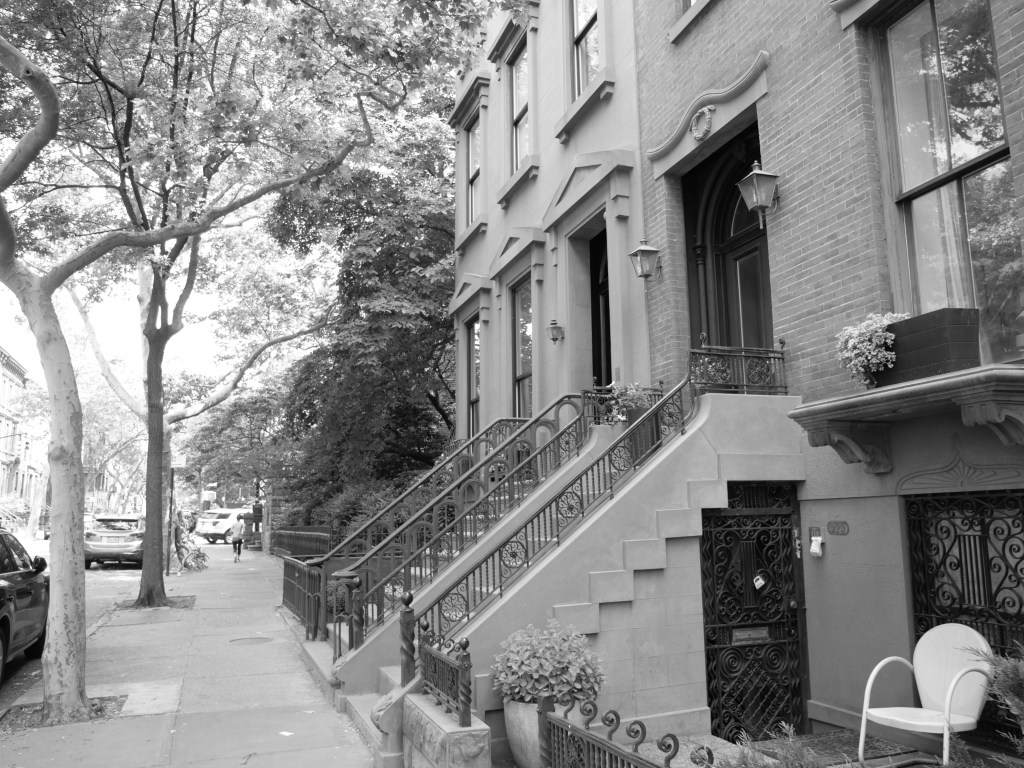
The Carroll Gardens neighborhood was named after Charles Carroll, the only Roman Catholic signer of the who immigrated from Ireland. As the neighborhood witnessed a large influx of Irish Immigrants in the mid-19th century this was a good fit. Irish Immigrants were followed by Norwegian immigrants later in the 19th century. The development of South Brooklyn was spurred in the 1840s with the creation of the Green-wood Cemetery and the desire to connect the cemetery to Manhattan.. Ferry lines and streetcar lines were built to achieve such a connection and this began the neighborhood’s development centered around Carroll Park Brooklyn’s third-oldest park. At this time building codes required several streets south of Carroll Gardens to be set back further from the street than was common in Brooklyn. With the draining of the Gowanus Creek, surrounding swampland, and the creation of Gowanus Canal development boomed in the neighborhood as the Carroll Gardens Historic District was born with the large set backs. These set back brownstones were included in a Historic District in the early 1960s and is concentrated between 1st Place and 5th Place. By the late 19th century Italian immigrants began migrating into the neighborhood drawn by jobs at the nearby Brooklyn Navy Yards. The Irish and Italian clans were often at odds but by the 1950s most of the Irish population left the neighborhood. The creation of the Brooklyn-Queens Expressway helped give Carroll Gardens a separate character separating it distinctively from Red Hook, a deeply working class Italian neighborhood. By the 1960s young middle-class professionals began to move to Carroll Garden and this began the neighborhood’s gentrification process. The Italian population remained strong through much of the 20th century but by 1980 it started to drop off decreasing to only 22 % by 2012. More recently French immigrants have moved into the neighborhood opening lots of French bakeries and restaurants.
This is a very solid neighborhood from an urban perspective with great retail and cultural amenities, great public transit and bike amenities, good schools, high level of safety and in general an ideal walkable neighborhood. Expensive housing, especially for-sale options, is the biggest challenge facing the neighborhood. I would like to see the north half of the neighborhood (outside of the Carroll Historic District) opened up for new development with large affordable requirements. There is very limited modern in-fill in the neighborhood. The neighborhood could also use some park amenities, an additional supermarket, and more name brand retail.
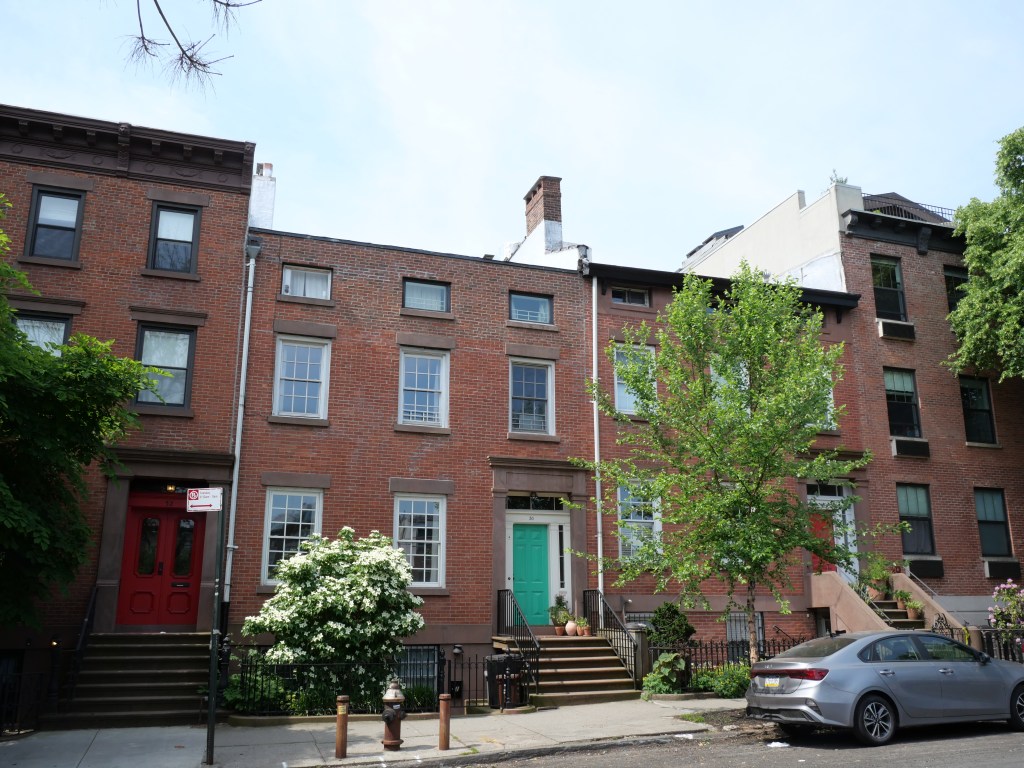
Click here to view by Carroll Gardens Album on my Flickr Page
URBAN STRENGTHS:
* Excellent density at 54k people per square mile.
* Great public transit access.
* Great ADA and sidewalk infrastructure. A handful of intersections are without updated ADA curb cuts.
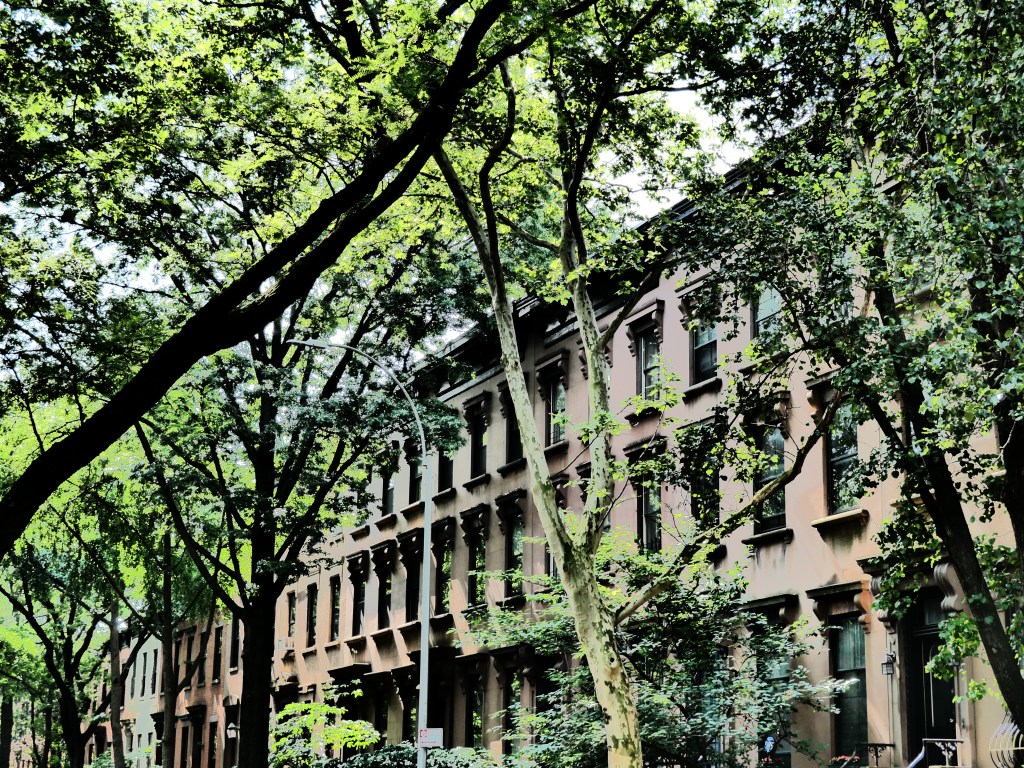
* Good tree canopy but lessens on the eastern edge with Gowanus.
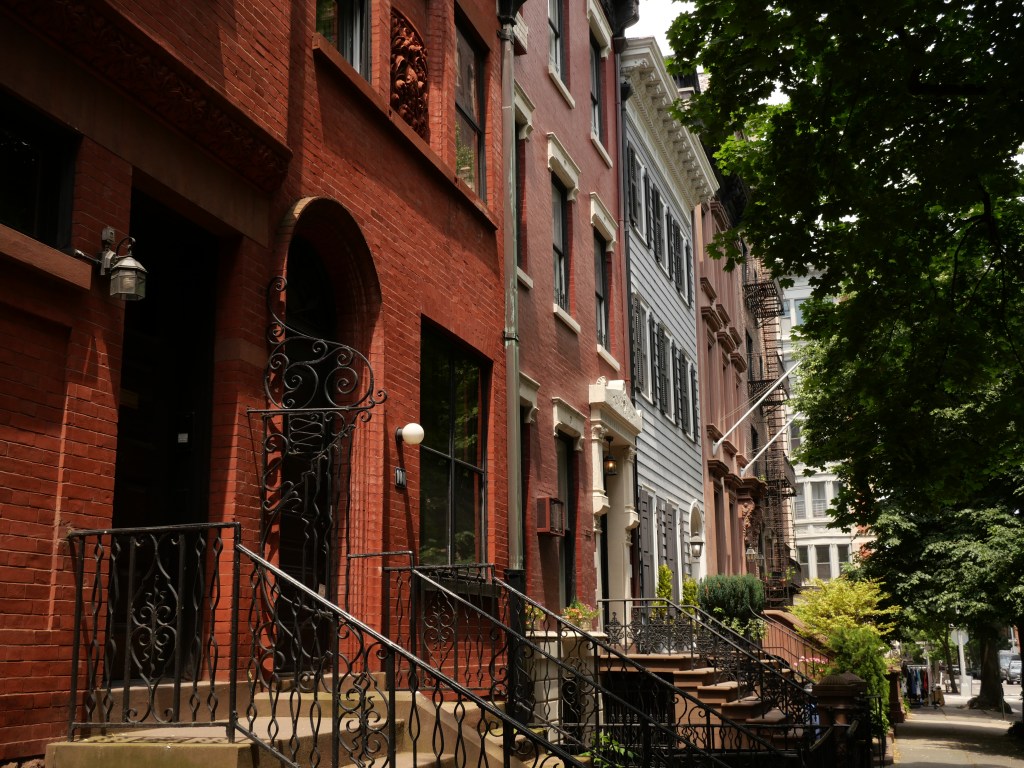
* Generally excellent urban form except along the eastern edge of the neighborhood along Smith St where some industrial uses remain. Solid urban streetscaping as well.
* Great access to CBD’s being a 10-15 minute train ride to Dwtn Brooklyn and 30 minute train ride to Lower Manhattan and Midtown. Also excellent bike infrastructure including several dedicated bike lanes and bike share stations.
* Very safe community.
* Decent number of families living here.
* Good walkable schools including several well rating public grade schools. Also plenty of decent sized private schools that are K-8. Several high schools as well but generally specialty ones.
* Good amount of rental product as well but also very expensive. Studios & 1-beds lease btwn n the 2.5K-4.5K, 2-beds btwn 3K-5.5K. Some 3-beds. ranging btwn 3K-6K. Good number of rental stabilized units however and the number of rentals below 2K exceeds the # above 2K.
* Tons of restaurants, bars, & cafes and a handful of breweries. Only a handful of non-food & beverage cultural amenities including some art galleries & night clubs, a performing arts theater and indie theater, a couple local museums.
* Excellent retail amenities including a supermarket & several groceries, a couple drug stores, great # of boutiques/gift stores,/home good stores, a couple book stores, a hardware stores, several gyms and tons of dessert joints, a couple bike shops, several florists, some churches a public library, an ambulatory center is located within Cobble Hill and a major hospital & lots is only 10-15 min walk.
URBAN WEAKNESSES:
* Very limited urban in-fill but the very newer buildings that do exist are of sound urban design. This lack for in-fill is not really a detriment to the urbanity of Carroll Gardens.
* Not great racial diversity as over 70% of the residents are white but better economic diversity.
* A lot of for sale condo product but generally very expensive. Limited # of studios but plenty of 1-beds selling btwn 600K-3M. But most of these units sell btwn 750K-1.5M. 2-beds range btwn 850K-4M with most units selling btwn 1.2M–2.5M. Good # of 3-beds but very expensive ranging anywhere from 750K-4.5M with most product selling btwn 1.8M-3.5 M. A lot 4-bed product generally selling btwn 1.6M-4.8M.
* Decent park access including several small but efficient parks..
* Community post office is just south of the neighborhood. Also no walkable access to any Department stores, Home Depots or the big box chain stores.



 Evaluating our Urban Communities [with a focus on America]