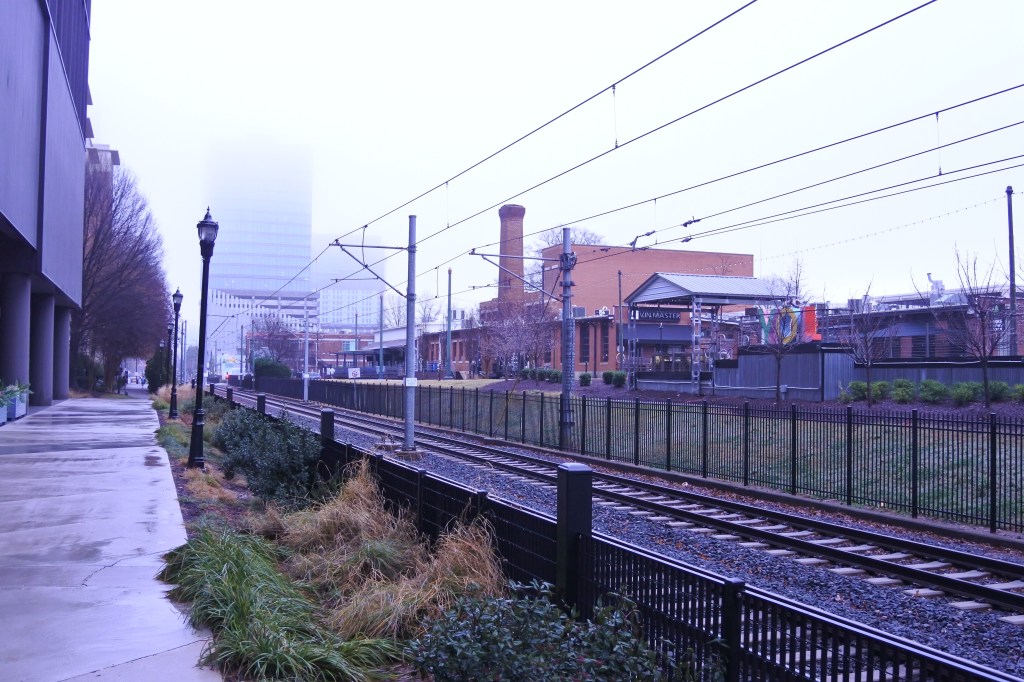
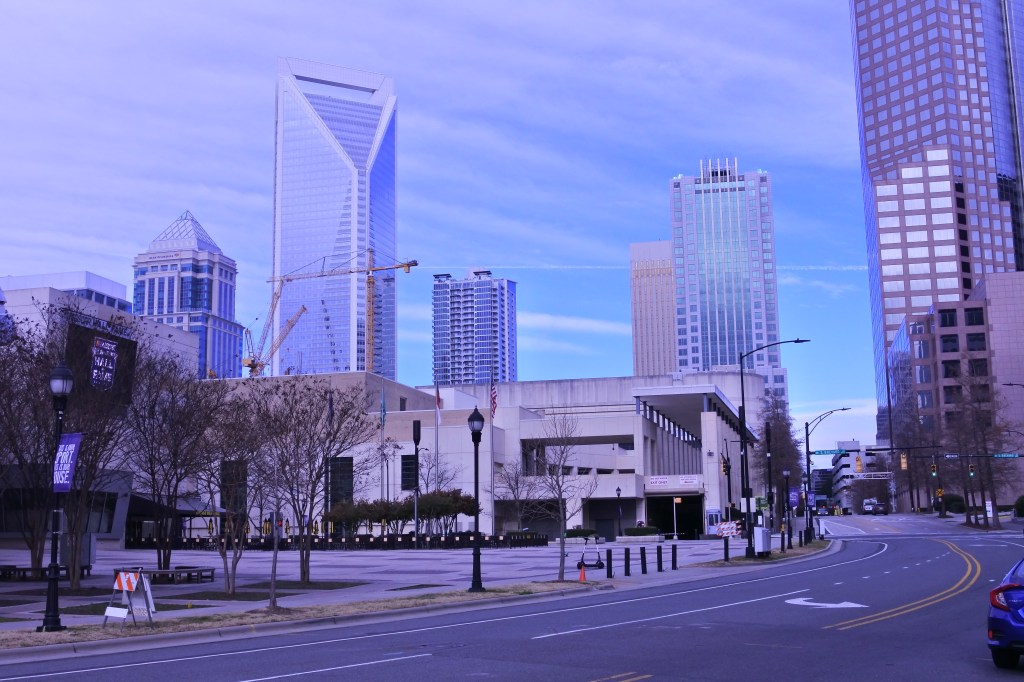
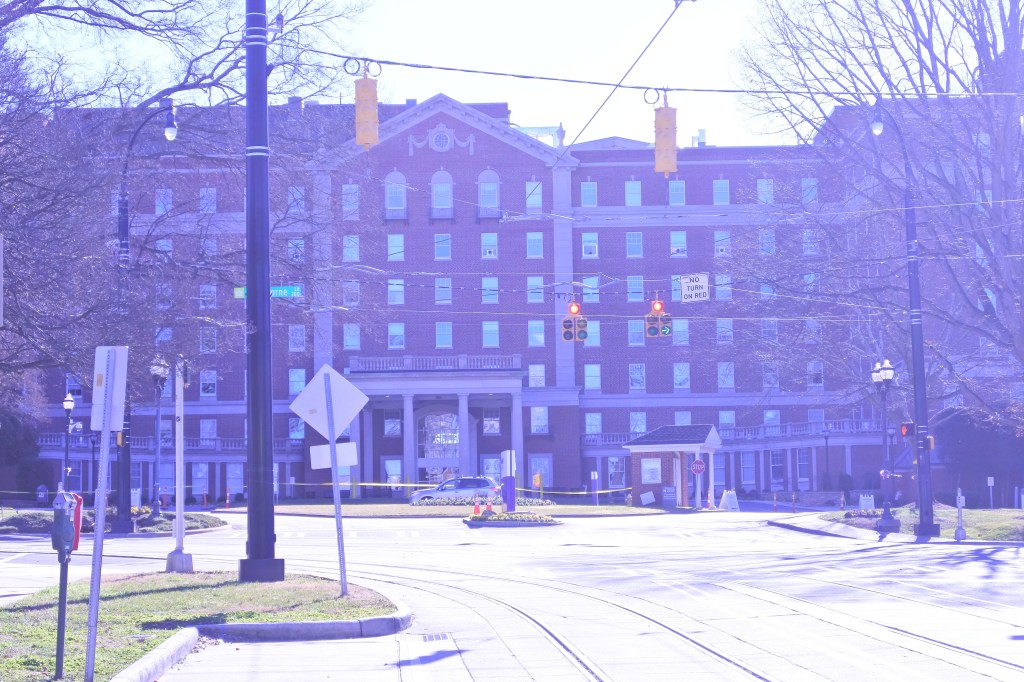
Rock Hill, SC- A Major Charlotte Suburb and South Carlina’s 5th Largest City

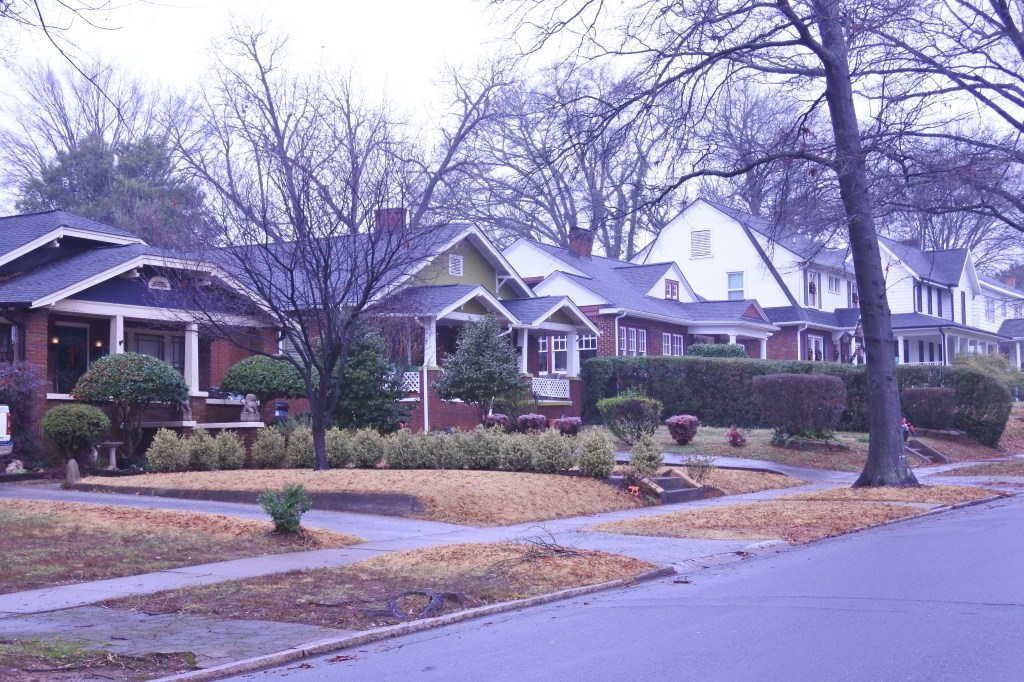
Its very difficult to create a defensible urban evaluation area of urban Rock Hill. I did my best to include only areas built before WWII with sidewalks and limited blight. I used Lucky Lane and State as the rough western boundary, the southern border is Albright Rd, Spenser, Eastbrook, Willow brook, and Charlotte as the eastern border, Cherry as the northern border, but north of Dave Lyle Blvd I only include the area between White St and Charlotte St.

Rock Hill is 5th-most populous city in South Carolina. The city is also home to three colleges, including Winthrop University, which enrolls 6K students. Rock Hill was a tiny settlement until the construction of the railroad in the 1850s. Due to its position on the railroad, Rock Hill became a transfer point for Confederate soldiers moving supplies to and from the front. Most of the merchants in Rock Hill around 1870 were former Confederate soldiers; many were entrepreneurs who were new to town, trying to start over. The town was not officially incorporated until 1870. The City’s population quickly grew to 5,500 by 1900 and then 15,000 by 1940s. After the WWII,  most of the City’s growth was come from sprawl, which got supercharged with the City being within the rapidly growing Charlotte Metro area. By 1980 Rock Hill reached 35K souls and currently sits at 75K residents.

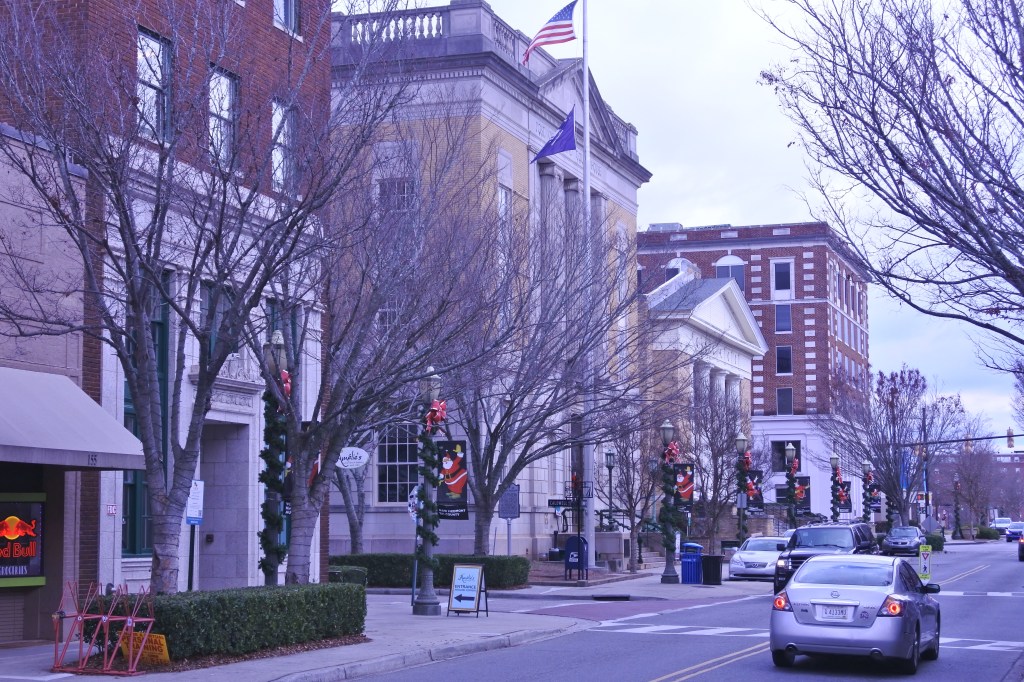
Rock Hill has done a good job stabilizing its Dwtn and turning it into a destination and more recently a place to live. Main Street has a great streetscape and urban fabric. But when the urban fabric quickly turns into surface lots and low intensity uses in the ring outside of Dwtn. Residential areas west and south of Dwtn are spotty with some intact streets but others that contain many vacant lots. North of Dwtn the residential areas are more intact thanks to their proximity to Winthrop University. Some apartments buildings are popping up on the edge of Dwtn. Hopefully this trend continues and the core of Rock City continues to densify.
Click here to view my Rock Hill Album on Flickr

URBAN STRENGTHS:

* Dwtn Charlotte is  a1/2 ride with no traffic. Bus service to Dwtn is pretty infrequent.
* Good economic diversity across Rock Hill as a whole but very concentrated poverty south and west of Dwtn. Similar trend with racial diversity.
* Excellent age diversity thanks to the college and many families living here.
* Sidewalks and ADA curb cuts are pretty good across the City but certainly better at Winthrop University and Dwtn than the poorer neighborhoods to the south and west of Dwtn.
* Several decent elementary schools within central Rock Hill but not walkable middle or high schools.
* Good array of rental options with studios and 1-bed units leasing btwn $800-mid 1Ks, 2-beds lease btwn 1K-2K, and a handful of 3-beds that lease in the 2Ks.
* For sale housing is pretty affordably priced. 2-beds lease btwn 80K-400K, 3 & 4 beds sell anywhere btwn 150K-750K.
* Good parks including a several dwtn plazas, a large cemetery, a Botanical Garden, and a large park with sport fields, and a major recreation center.
* Overall a pretty safe community but a decent amount of blight remains.
* Good architecture dwtn including a good mix of historic and quality urban in-fill. Some nice housing north of Dwtn but a good amount of autocentric uses along the main streets outside of Dwtn.
* Good urban form in the core of Dwtn
* Cultural amenities are concentrated in the small Dwtn core including a good array of food & beverage businesses, several theaters, a handful of art galleries, a handful of night clubs, several museums, and the cultural amenities of Winthrop University.
* In the dwtn core this is a nice array of boutiques, clothing stores, banks, a book store, a couple home good stores, a dwtn public library, and several churches.

URBAN WEAKNESSES:

  • No bus service in Rock Hill but there are several decent shuttle routes connect the core City and to the University. There is also commuter service to Dwtn Charlotte which is over an hour.
  • Pretty low density for an urban area but par for the course in the Carolinas.
  • Biking infrastructure is non-existent.
  • Ok retail amenities including.
  • The Dwtn core is missing important neighborhood amenities including a supermarket, drug store, etc. Some of these are located in the suburban shopping mall located on Cherry Rd just north of the University. Outside of this shopping mall and the Dwtn core, retail amenities are pretty limited.
  • Good pedestrian activity in the Dwtn core but limited outside of it.”
Wesley Heights- a Gentrifying Charlotte’s Westside Neighborhood with one of the City’s best Historic Districts

“I followed the standard boundaries for Wesley Heights with the exception of extending it southward to I-77. Wesley Heights was first developed after 1911 and includes one of Charlotte’s most in-tact historic districts including a nice mix of Bungalows, Craftsman, Colonial Revival, and Tudor Revival style architecture. Wesley Heights had a downturn post WWII thanks to white flight and historically had issues with crime. But the neighborhood has turned the corner taking advantage of the general rise in value across Charlotte. Wesley Heights has seen newer in-fil development especially on its edges including mixed-use apartments along Morehead, a major townhouse development (sky Terrance Towns) in a former industrial area, and attractive new urbanist development along the Steward Creek Greenway.

Wesley Heights also has a wonderful greenway with multiple arms spreading across the neighborhood, which also hosts paved recreational trails connecting seamlessly to Dwtn. The district has lots of housing product mixing new and historic for-sale options but lacks much affordable housing. Tree canopy is generally thick and lots of food and beverage amenities. But like most of Charlotte urban neighborhoods Wesley Heights needs more density to be able to support more retail amenities and ultimately improve its walkability. The neighborhood also only has one walkable school and poor urban form along Freedom Dr and Thrift road.”

Click here to view my Wesley Heights Album on Flickr

URBAN STRENGTHS:

  • Great set of dedicated bike lanes with great connections to Dwtn.
  • Lovely new urbanist development with even some attached housing on the western edge of the neighborhood.
  • Excellent access to Dwtn which is just to the easter of Wesley Heights across all modes of transit.
  • Solid diversity categories, especially age and economics.
  • Historically a higher crime area but this has changed significantly as the neighborhood has gentrified. Generally considered very safe.
  • Market rate housing is diverse and plentiful here with a good mix of historic and new product. A handful of 1-bed condos selling in the 200Ks. Good array of 2-bed product including SF homes, Townhouses and condos. Range anywhere from 260K-700K. 3 & 4 beds sell btwn 400K-900K.
  • Good # of rentals but 1-beds are a bit limited. Lease in the low-mid 1Ks. 2-beds are more plentiful and lease btwn the high 1ks to mid-2ks. Good # of 3-beds but pretty pricey. Lease in the mid 2ks-mid 4Ks.
  • Excellent park amenities with the Irwin and Steward Creek cutting through most of the neighborhood and creating several greenways and very wooded paths. Bryant Park also sits on the southern edge.
  • Good tree canopy with the exception of the more industrial western edge of the district.
  • Generally attractive architecture with interesting mix of historic and quality urban in-fill. Still some crummy autocentric and industrial uses in parts.
  • Decent pedestrian activity thanks to all the greenways and urban node on Morehead.
  • Good food & beverage amenities and art gallery and convenient access to all the Dwtn cultural amenities.

URBAN WEAKNESSES:

  • Pretty low density of an urban area.
  • Good elementary school just to the north in Seversville. Some decent schools in neighboring neighborhoods but not walkable to Wesley Heights residents.
  • As Wesley Heights gentrifies there seems to be less and less affordable product. Not enough dedicated affordable hsg is being built.
  • Not much other than food & beverage amenities for cultural amenities.
  • Ok retail amenities including a couple boutiques, several furniture stores, a bike shop, a couple banks, several salons, only a couple churches.
  • Decent urban massing along Morehead but Freedom Dr and Thrift Rd are very autocentric and industrial.

Villa Heights- One of Charlotte’s First Working Class Suburbs now Undergoing Rapid Gentrification

Villa Heights originated around 1900 as a new suburb but a working class community. Villa Heights along with Belmont and Optimist Park  were Charlotte’s first entirely working-class suburbs. This represented Charlotte’s growth as a City as it became a major textile producer. Like most other Charlotte suburban areas, Villa Heights had only white residents until the major urban renewal projects of historic black neighborhoods like Brooklyn (the modern day 2nd Ward) in the 60s. Sadly the influx of African American residents lead to White flight and an increase in poverty, crime, and blight for the neighborhood. But Villa Heights stayed in much better condition than neighboring Optimist Park and much of its historic SF homes remain.

Village Heights has gentrified significantly in the past couple of decades like much of inner City Charlotte and this has lead to new multifamily construction along Davidson, new townhouses along Parkwood and the Villa Avenues, renovation and new construction of single family homes and less and less affordable product. Homeownership is certainly out of the reach of working class families but some product selling in the 300Ks & 400Ks is still affordable to middle class professionals. The gentrification of Village Heights has improved its urbanity as the major thoroughfares (Davidson, Parkwood, the Villa, and Mattheson) are urbanizing albeit still have lots of dead spaces and auto centric uses. Bike lane, ADA curb cuts, and sidewalks existing along the main roads but sidewalks are missing in about 1/2 of the residential streets. Villa Heights also has good public transit access & convenient commute to Dwtn, excellent diversity (esp. racial), a thick tree canopy, good parks, lots of apts, and good food and beverage amenities. To become a solid urban district Village Heights needs to build up its business district, densify, create more affordable housing options, build new walkable schools in the neighborhood, and add some key retail amenities (i.e. more local shops, post office, and public library). With Charlotte’s rapid growth I feel Villa Heights will continue to urbanize but hopefully with more attention to creating a higher quality urban environment.

Click here to view my Villa Heights album on Flickr

URBAN STREGNTHS:

  • Excellent Racial Diversity with about a 40% white and Black population with decent Hispanic population.
  • Solid public transit access thanks largely to good access to several Blue Line stations. This comes with convenient access to Dwtn as well with good bike and transit access along with convenient car access.
  • Good economic diversity and decent age diversity.
  • Historically the neighborhood had some safety issues but this is rapidly improving.
  • Very thick tree canopy.
  • Attractive early 20th century single family homes.
  • Some good urban infill along Davidson but some autocentric commercial uses along Parkwood and The Plaza.
  • A moderate # of apartments but on the expensive side. More focused on 2 & 3 beds. 1-beds lease in the mid to high 1Ks. 2-beds mid 1Ks to mid 2Ks and 3-beds 2K-5K.
  • For sale is generally SF homes but a handful of condos selling in the 300Ks. 2-beds sell btwn 300K-700K with a handful of condos selling in the 300Ks. 3 & 4 beds sell anywhere from mid 300Ks to low 1Ms. As you can see a handful of moderately priced homes but more for sale product is pretty expensive.
  • Expansive Cordelia Park sits in the SW corner of this district with a public pool. A couple other smaller parks with playgrounds spread throughout the district.
  • Decent food and beverage amenities with a good # of restaurants, the urban district market (a small food hall), breweries, and cafes along Davidson (near 24th) a handful along Plaza, which is a pretty residential and semi-autocentric road.

URBAN WEAKNESSES:

* About half of the streets are without sidewalks but when sidewalks exist there is generally good ADA curb cuts. Main streets have sidewalks.
* Pretty low density for an inner city neighborhood.
* Pedestrian activity is pretty limited. Some along the commercial node on Davidson.
* Really no affordable housing here.
* One quality walkable elementary school in the neighborhood. Well rated but not walkable Montessori school in neighboring NoDa and not so well rated public high school to the south.
* Really not other cultural amenities other than food and beverage stores.
* So so retail amenities thanks to a supermarket, drug store, a couple boutiques, a bakery, several salons/barbers, a couple gyms,. several churches,  and a couple medical offices.
* No public library or post office in Villa Heights.
* Urban massing of the main streets (Davidson, Parkwood, the Villa, and Mattheson) is improving with new urban apartments and townhouses but still plenty of dead spaces and autocentric uses.

Optimist Park- A Historic Disinvested Innercity Charlotte Neighborhood Experiencing a Construction Boom thanks to the Blue Line

Optimist Park began developing by the turn of the 20th century but would never became as dense and built out as other inner ring Charlotte neighborhoods like Dilworth or Elizabeth. Mills and factories opened in the areas along the railroad line  (now where the LYNC Blue Line is located) and simple single family homes were built for the workers. In the 50s & 60s the neighborhood become increasingly Black as African American families needed affordable housing after major urban renewal projects, most notably the wholescale demolition of Charlotte’s historic Black neighborhood “Brooklyn” which is now the modern day 2nd Ward, caused widespread displacement.  Optimist Park quickly became a low-income enclave of the City and fell into disrepair.

With the construction of Charlotte’s new light rail system in 2007 large scale multi-family homes began to replace low intensive land uses. Even with a significant number of new apartment buildings, Optimist Park still has a very low-density for an urban neighborhood. Development is focused along Brevard Street (close to the light rail), the southern edge of the neighborhood adjacent to Dwtn, and along Davidson & 34th where some retail exists. The opening of the 25th Street station in 2018 supercharged development demand in the neighborhood. But much of the neighborhood remains low-density single family development and the main arterial road (Davidson) is still very underdeveloped. As the neighborhood fills in it will certainly become more walkable but I would be nice to see more intentionality with rebuilding the neighborhood with a sense of place, with significant affordable housing, more schools, better bike infrastructure, and important neighborhood serving retail amenities.

Click here to view my Optimist Park Album on Flickr

URBAN STRENGTHS:

  • Pretty optimal economic diversity and good racial diversity. Most of the neighborhood are young professionals.
  • Excellent public transit and very convenient access to Dwtn.
  • Some condos units are reasonable prices with 1-beds selling in the 200Ks. 2-beds sell for 300K-500, 3 & 4 beds sell btwn 350K-1 M depending on size and age.
  • Tons of rentals available but moderate to expensive in price. Studios lease in the low 1Ks, 1-beds in the low-mid 1Ks, 2 bed around 2K and even some 3-bed units that typical lease in the mid 2Ks.
  • Better cultural amenities including the Optimist Park Food Hall featuring many restaurants, bars, and cafes. Also several breweries and cafes spread throughout the district a couple art galleries, a couple night clubs, and convenient access to the cultural amenities in Dwtn to the south and NoDa to the north.
  • Good park amenities including the medium sized Cordelia Park which includes a pool, the expansive Little Creek Greenway that runs north to south just a couple blocks east of the neighborhood, and a decent recreational trail that runs along the light rail line.
  • Overall a pretty safe neighborhood.
  • Lots of urban in-fill that is generally of good quality. Home historic homes remain but not much.
  • Still lots of good tree canopy but this is incrementality being reduces as the neighborhood urbanizes.

URBAN WEAKNESSES:

  • Limited biking infrastructure.
  • Very low density for an urban area, but this should shift quickly as the neighborhood is built out with high density apartment buildings.
  • Not great connectivity thanks to all the railroads and historic industrial uses here.
  • No walkable schools in the neighborhood but a couple in adjacent areas.
  • Really no dedicated affordable housing.
  • Some retail amenities here but not great. Optimist Park hosts a supermarket, a couple boutiques and salons, several gyms, a couple vintage stores, several bakeries and dessert joints, a couple churches.
  • Overall lack of cohesion in Optimist Park. A couple good nodes on Davidson and near the light rail station but lots of dead spaces that still underdeveloped.
  • Much of Davidson simply lacks buildings, which is odd for the neighborhood’s main thoroughfare. A decent nodes is emerging at Davidson & 34th and Brevard St and the area adjacent to dwtn continue to fill in with lots of apartment bldgs (but generally limited retail space).
  • Still not enough population or retail in the neighborhood to foster lots of pedestrians.”

Brookhill- Another booming urban district in Charlotte adjacent to the trendy South End District

I only included the half of Brook Hill east of Tryon as it is significantly more urbanized. West of Tyron is largely  mid-century low density project housing, but urban mixed-use developments are incrementally replacing parts of it. Fortunately 100 of the mid-century projects will be renovated and preserved as affordable housing, providing crucial affordable housing as the neighborhood continues to gentrify.

Brookhill is very young professional oriented and thus most of the residents are renters. But a sizable amount of 2-bed condos and 3-bed townhouses are filling in. Brookhill was historically a mid-century low century warehouse area with limited historic single family homes. Given its proximity to Charlotte’s new light rail, and parallel recreational trail, it became an ideal place for new urban apartments with lots of retail and food & beverage amenities. Given its proximity to the two light rail stations and the trendy South End neighborhood Brook Hill is arguably one of Charlotte’s top 5 urban districts. But the district has been rather haphazardly developed and thus lacks a strong sense of place and quality connectivity. It also lacks important urban amenities more conducive to families including larger single family homes, few parks, limited walkable schools and a lack churches, medical offices, a public library, and post office. Quality urban development is well on its way to transforming the previously autocentric South Blvd but Tyron Avenue remains very car oriented. But with more urbanization, Brookhill will continue to densify and urbanize hopefully with better comprehensive planning and placemaking. than the previous decade of development.

Click here to view my Brookhill neighborhood on my Flickr Page.

URBAN STRENGTHS:

* Excellent public transit access including a light rail line running along the eastern edge of the district.
* Very convenient access to Uptown across all modes of transit. A  well design bike/recreation trail runs alongside the transit line.
* Great retail amenities including a small format Lowe’s and smaller format hardware store, a Publix’s, several high end clothing and furniture stores, a couple drug stores, a large array of home good and furniture stores, and boutiques, a couple banks, and the Atherton Mall and great urban format mall with lots of amenities. Broomhill also contains a several dessert joints, several gyms, a miniature golf course,
* Excellent economic diversity and solid racial diversity as almost half of the population are minorities.
* Great cultural amenities including tons of restaurants, bars, several breweries and cafes, a couple art galleries, a couple live music venues.
* Tons of rental product but on the more expensive side. Studios sell anywhere btwn 1.5K-2K, 1-beds lease btwn 1.4K-3K, 2-beds btwn 2K-4K, and  even a lot of 3-beds product, which lease  btwn 2.5K-4K. Thankfully a couple 100 units from the 1950s Brook Hill village product development will be preserved.
* Lots of quality urban infill but almost all are larger block apartments with ample parking underneath creating not the best urban fabric nor imaginable neighborhoods. Still a lot of bland post WWII warehouses remain in Brookhill.
* Urban infill is certainly improving the urban massing on the district but plenty of autocentric uses remain especially along Tyron St. Urban design of the neighborhood is also not cohesive and each new apartment product seems to be on an island as opposed to messing with the neighborhood as a whole.

URBAN WEAKNESSES:

* Only a couple dedicated bike stations on the edges of Brookhill.
* Streets do connect but very sinuous and often large blocks.
* Most of the population are young adults so not a ton of generational diversity.
* Missing places of worship, a post office, public library, and hospital or medical offices.
* Parks are limited  in Brookhill to only a recreational trail and the southside recreational park on the southern edge of the neighborhood.
* Tree canopy is so so.
* Some for sale product but on the expensive side. Really no 1-bedroom condos. 2-bed product sells around 400K-500k. 3 & 4 beds sell btwn 500K-700K.
* No schools in the Brookhill boundaries but some small schools on the edges.
* Really no historic buildings left in the neighborhood.
* Pedestrian activity is so so.

Charlotte’s Uptown- the largest CBD of the Carolinas

Uptown Charlotte is split into four wards intersected by the crossroads of Trade and Tryon Streets. I used the borders of Interstate 277 and the railroad (to the north). Traditionally Dwtn extends all the way north to 277 but this area feels like a separate district to me. The term “Uptown” referring to the geographic location of Tryon and Trade Street, sitting at a higher elevation than the rest of the city. Much deliberation went into whether to use Uptown or Downtown or even City Center. Uptown eventually won out with City Center meaning Uptown and surrounding inner city neighborhoods.

The 1st Ward , once considered one of the most dangerous areas in Charlotte, has been redeveloped thanks to a HUD Hope VI grant into a mixed income district. Urban form here is ok as all housing is new. Not really mixed-use, but some good urbanism near Tyron and First Ward Park is attractive. The 2nd Ward  was formerly the location of the predominantly black neighborhood, Brooklyn, before urban renewal took over. Probably one of the biggest tragedies in Charlotte resulting in a uninspiring modernist environment.  Uptown’s third ward hosts the bulk of “Dwtn fabric” surrounding a streetcar line and Tyron Street. Lots of good mixed-use development, skyscrapers, cultural assets, sport stadiums, and the attractive Romare Bearden Park. The 4th Ward   can be considered a stand alone neighborhood as well but is integrated seamlessly with Dwtn. It contains Charlotte’s best Victorian turn of the century architecture with sensible modern in-fill and many great mixed-use amenities.

With the under development of the 1st & 2nd Wards, Uptown Charlotte has plenty of areas that need further urban development and infill to have the complete Dwtn package of vibrancy and walkability. Given the furious pace of new construction, I’m hopeful this will eventually occur. 
Click here to view my Uptown Album on Flickr

URBAN STRENGTHS:

* Great ADA infrastructure and generally good sidewalks, but street can be very wide and auto centric making it uncomfortable to be a pedestrian.
* Good population density in Charlotte but often pretty spreadout. 4th Ward has excellent density.
* With all most all the building being new its fortunately that much of it is quality design and good form. Generally the best architecture is concentrated in the core (Tyron & Trade) and in the 4th Ward. The 2nd Ward is spread out with unattractive buildings and the first ward is a mix of decent residential bldgs.
* Public transit is better is Charlotte than one would expect providing excellent service to Dwtn and to surrounding inner city neighborhoods. A couple miles out transit service is so , but limited outside of the City (keep in mind that Charlotte includes lots of suburban areas.)
* Great connectivity but lots of high traffic one way streets.
* Great dedicated bike lanes Dwtn and to inner ring districts. Decent connect out to the post WW II districts. Bike sharing system is limited to Dwtn and a handful of inner city neighborhoods.
* While almost exclusively modern, Charlotte has a great skyline lots of concentrated high rise towers.
* Great array of for sale housing Dwtn with a fair amount of moderately priced options. 1-bedrooms generally sell in the 200Ks, 2-bedrooms are generally 300K-400K but more expensively luxury product, good amount of 3 bedrooms but generally very expensive. Nice array of rentals priced similarly to most Dwtns… 1-bedrooms in the $1,000s. 2 bedrooms btwn 1.5K & 3K,  and a good array of 3 bedrooms.
* Culturally a good amount of restaurants & bars but pretty average for American Dwtns, lots of theaters (only one is historic), an Imax, several live music clubs, a handful of art galleries, and a great array of museums. Regional amenities include the convention center, a wonderful dwtn library, several stadiums hosts a professional football, basketball, hockey, and minor league baseball.
* Several high quality recreational spaces & parks along with many small corporate plazas. But no definitive civic gather spot.
* Schools include a couple elementary schools, a high school, and school for children w/ cognitive disabilities. Pretty good college presence with several dwtn only campus enrolling 6-7K students and Piedmont Community College located just outside of Dwtn.

URBAN WEAKNESSES:

* Next to Las Vegas, Dwtn Charlotte has the least amount of historic architecture. Certainly a feeling of sterileness with all of its newness and lack of character.
* Uptown has a very strong office market with high rents and low vacancies. Total jobs is 70K, still much lower than comparable cities like Cleveland or Cincy, but trends are certainly good.
* Dwtn retail amenities is still lackluster. While there is a  supermarket, several drug stores, plenty of banks, only a handful of boutiques and creative stores. No bookstore.
* Solid urban form along the main streets of Tyron and Trade but pretty poor in the southern half of Dwtn (1st & 2nd Wards)

South End/Wilmore- Charlotte’s hottest mixed-use neighborhood

Wilmore is the larger district, which technically includes the South End District. South End really wasn’t a “neighborhood” until recently. The Wilmore district is mostly attractive 1920s-1940s bungalow and arts & crafts housing. The South End is the portion of Wilmore running along the Lynx Blue line (built in 2007). Historically the South End area hosted Charlotte’s first railroad line, connecting the City to Columbia and Charleston in 1850s. As time passed, a thriving manufacturing community sprang up along the tracks, centered on the booming textile industry. Industry decline by the 1980s, and the South End became notorious for abandoned buildings. The new Blue Line and the general “return to the city” movement sparked an explosion of renovations and new mixed-use construction in the South End. In 2018 the South End was named one of the fastest-growing submarket in the United States for apartments.

Wilmore/South End’s success is creating gentrification issues for this historically African American neighborhood. It is hard to purchase a nice home here for less than 400K. I also observed the South End demographic was mostly young profession and white, not the kind of diversity desirable in a dense urban area. Other deficiencies in the district include a lack of walkable schools, limited pedestrian infrastructure in Wilmore, and the density is still low for an urban neighborhood.
Click here to view my South End and Wilmore Districts on Flickr

URBAN STRENGTHS:

* Great public transit and very convenient access to dwtn among all modes of transportation.
* Great racial and economic diversity in Wilmore. I fear though, that is historically African American district is being displaced with the rapid increase in real estate prices here.
* Excellent urban infill (prob the best in Charlotte) with larger mixed-use structures near the light rail and plenty of attractive historic looking infill homes within Wilmore.
* Good supply of rentals but generally expensive… 1-bedrooms lease btwn $1,000-$2,000, 2-bedrooms in the high $1,000s and $2,000s, and 3-bedrooms in the 2K and 3Ks. 
* Several nice parks (i.e. Wilmore & Revolution Park) site on the north edge of the district. Nice bike/recreational trail along the light rail line.
* Solid tree canopy.
* Great array of restaurants, bars, cafes, and live music venues concentrated in the South End areas.
* Solid urban form in the south end and with good streetscaping. The other biz district along Tyron still feels very auto centric.
* Good array neighborhood amenities especially in the South End including lots of small retailers, boutiques, furniture/design stores, post office, several banks, an office depot, Lowes, a couple drug stores, and several super markets

URBAN WEAKNESSES:

* The south end portion of the district near the light rail has excellent walkability. More mixed in the residential portions of Wilmore where sidewalks are sometimes missing and its very unpleasant to cross Tryon St. as a pedestrian.
* For Sale housing is generally expensive. Modest SF cottages and bungalows generally sell in the high 200Ks to 500K. Renovated SF and new construction sell btwn 500-700K. Some large condo product selling in the 400Ks & 500Ks.
* Really no museums, art galleries, or theaters, although one is along about 1.5 miles to dwtn.
* No schools in Wilmore and few nearby. 

Plaza Midwood- another Comfortable pre-WW II Charlotte Neighborhood

Plaza-Midwood was first established in 1910 as a streetcar suburb of Charlotte along Central and likely Plaza Avenue. Developed filled in by WWII creating a pleasant leafy bedroom community. The neighborhood experienced a couple of decades of disinvestment, especially Centre Ave. But things started to turn around by the 1990s and the neighborhood is one of the most expensive in Charlotte with a pretty vibrant mixed-use biz district.

Yet many parts of the Plaza-Midwood feel pretty suburban with large lot homes, disconnected streets without sidewalks and auto centric stretches along Center Avenue. Access to walkable schools and recreational amenities is also lacking here. More dense in-fill development will go a long way to improving Plaza-Midwood from an urban perspective.
Click here to view my Plaza-Midwood album on Flickr

URBAN STRENGTHS:

* Convenient access to Dwtn with decent transit (better close the Plaza Blvd).
* Several dedicated bike lanes run throughout the neighborhood and a couple bike stations in the SW corner.
* Great tree canopy.
* This is a very safe neighborhood.
* Very attractive historic housing and some good commercial infill along Central although so of it is pretty auto centric.
* Good access to a lot of cultural and retail amenities along Central Ave including many restaurants, bars, & cafes, live music venues, small breweries, a supermarket, drug store, public library, post office, a book store, many boutiques, several antiques, and several hospitals in the adjacent district.
* Plaza Blvd is very comfortable to pedestrians helped by its medium crossing.

URBAN WEAKNESSES:

* Very low density.
* Connectivity, sidewalk and ADA infrastructure are so . Plenty of unconnected streets and missing sidewalks.
* For Sale housing is generally very expensive. Some for sale product reasonably priced. 1-bedroom condos and most, unrenovated bungalows sell in the high 100s & 300Ks. Modest SF but well maintained homes sell btwn 300K-700K,  larger homes 700K to 2 Million.
* Some rentals but generally expensive… 1-bedrooms lease btwn $1,000-$1,500, 2-bedrooms in the $1,000s, and 3-bedrooms in the low 2K and 3Ks.
* Recreational amenities a bit limited. They include a medium sized park and a golf course.
* Schools are limited to a couple pre-schools and middle-high transitional school.
* Quality urban massing in the urban biz districts (i.e. Central & Pecan Ave) is a mixed bag of auto centric strip malls & parking lots and quality form. Form falls apart further east along Centre.

NoDa- Charlotte’s successful arts based revitalization story

I didn’t include the portion of NoDa between the railroad tracks and route 29 as it contains limited urban fabric.

NoDa is short for “North Davidson”. The area began as a self contained industrial village and development began in the early 1900s leapfrogging over undeveloped parts of the City. The main industry was mill and textile manufacturing. Worker’s housing was provided by the companies in small by sturdy bungalows and arts and craft homes. Things begin to deteriorate after WWII with the closing the mills and textile industries.  By the 1970s housing were deteriorating and many storefronts were vacant. Fortunately revitalization began in the 1990s fueled by an arts based renovation strategy. Investment continued over the past decades and its now safe to say that NoDa has been stabilized with most homes selling between 300-600K. This also brought back the historic commercial district at Davidson and 36th Street. NoDa now hosts Charlotte’s largest historic business district.

But there are plenty of areas that NoDa can improve. For one, there is only one school in the entire neighborhood, sidewalks are missing on many streets, and the Plaza Ave business district along NoDa eastern edge is pretty blighted and auto centric. There is also need for more density which could help provide more neighborhood amenities and vibrancy. 
Click here to view my NoDa album on Flickr

URBAN STRENGTHS:

* Excellent public transit access including a light rail line running thorough and convenience access to Dwtn .
* Sidewalks are spotty as many residential streets don’t have them but where they do existing ADA infrastructure is current.
* Nice dedicated bike lane cutting down 36th thru the heart of Noda but no bike sharing stations.
* Excellent economic diversity and good racial and generational diversity.
* Large supply of rental housing generally skewing expensive. 1-bedrooms lease btwn $1,000-$1,500, 2-bedrooms in the $1,000s, and 3-bedrooms in the low $2,000s.
* Good tree canopy.
* Attractive historic archiecture and great urban infill.
* Great array of restaurants, bars, cafes, and breweries. Also lots of live music venues including a converted historic theater, and a few art galleries. Theneighborhood hosts regular gallery crawls.
* Retail amenities include  two supermarkets, a drugstore, many boutiques and creative stores.
* Generally a pretty safe district but certain still blight esp. along the eastern edge.
* Noda hosts the best historic neighborhood business districts in the city at 36th and Davidson St. extending several blocks. The Plaza Ave biz district along the eastern edge of the neighborhood is very auto centric and pretty blighted.

URBAN WEAKNESSES:

* Street grid is good in the core of Noda but its great along edges of the neighborhood.
* For Sale housing is pretty expensive. Some for sale product reasonably priced in the 200K and low 300Ks. This include modest SF homes and 1-2 bedroom townhomes/condos. Most homes selling btwn 300K-500K. High end product selling btwn 600K-800K.
* decent recreation amenities including two neighborhood parks and the larger North Charlotte Park.
*  No museums, or historic sites.
* Missing a bookstore, public library, post office, and the nearest hospital is 10 minute drive. No major retailers here either.
* Schools limited to a Montessori an a couple of pre schools.
* Nice amount of pedestria activity at 36th and Davidson, but pretty quite otherwise. 

Elizabeth- Charlotte’s main urban Institutional District

* Great access to Dwtn and high quality transit service including a light rail line that runs through the district.
* Dedicated bike lanes and bike sharing stations are concentrated in the north section of the district.
* ADA and sidewalk infrastructure is generally good but can be uncomfortable for pedestrians to cross several busy streets.
* Lots of attractive historic Pre WWII Single family homes in the residential areas of Elizabeth.
* Quality tree canopy, especially in the residential portion of the district.
* Large supply of rental housing generally skewing expensive. 1-bedrooms lease btwn $1,000-$1,500, 2-bedrooms in the $1,000s to the low $2,000s, and 3-bedrooms in the high $1,000s and $2,000s.
* Independence Park is an expansive, centrally located park with lots of recreational amenities. Other parks in Elizabeth include: Chantilly Park, Colonial Park, Elizabeth Park (more of an urban plaza), and convenient access to Little Sugar Creek bike & recreational path.
* Culturally a nice array of restaurants, bars, & cafes, several live music venues, live performances at Central Piedmont Community College, and a couple art galleries.
* Good retail amenities including convenient access to several supermarkets, a target, drug stores, a handful of boutiques & creative stores, a public library, lots of bank branches, and several hospitals- some of the best in the regional are located here. The Midtown shopping district is adjacent to Elizabeth and includes a Target, Marshall’s, BestBuy, West Elm, and much more.
Click here to view my Elizabeth Album on Flickr

URBAN STRENGTHS:

* Decent racial diversity but limited economic and generational diversity. Large student population here and only 1/4 of households have children.
* For Sale housing is almost as expensive as Dilworth. Some for sale product reasonably priced. 1-bedroom condos sell in the high 100s & 300Ks. Modest SF homes sell btwn 400L-800K,  larger homes 800K to 1.25 Million.
*  No museums, Historic theaters or historic sites, but good access to museums located Dwtn.
* Schools are limited to an elementary. Some schools nearby in adjacent districts.
* Urban infill is a mixed bag. More recent in-fill has decent design and good urban form but lots of ugly auto friendly institutional bldgs from the 60s-90s.
* Urban massing of commercial districts and mixed-use bldgs is also a mixed bag. Lots of surface parking and vacant lots here around the institutions (esp. hospitals).
* Decent vibrant at commercial nodes (10th Street, 7th & Pecan/Hawthorne, and Elizabeth Ave) but lots of dead zones.

URBAN WEAKNESSES:

Some overlap btwn my evaluation areas of Elizabeth and Commonwealth along 10th Street.

Elizabeth began to rapidly developed after 1902, when a trolley line was completed. The neighborhood was annexed into Charlotte in 1907. The district is home to the City’s first public park (Independence Park) and home to many large early 20th century single family homes which sale generally close to 1 Million. Elizabeth can be divided into two halves: the primarily institutional north (home to Central Piedmont Community College,  Novant Health Presbyterian, Atrium Health Mercy, and many churches); and the primarily residential southern half. Several quality urban pockets stand out in this semi-autocentric neighborhood (i.e. 10th Street, 7th St & Pecan, & Elizabeth Ave).

The most important area for Elizabeth to improve is filling in with dense mixed-use development the many surface parking lots and vacant lot surrounding the large institutions. This could help create a wonderful urban district connecting seamlessly to Downtown and other inner ring neighborhoods. Improved urban massing is also needed along the major commercial corridors mentioned above. All this would help boast density, making Elizabeth more walkable and amenity rich.