West Des Moines (Valley Junction)- Des Moines’ Best Urban Suburb

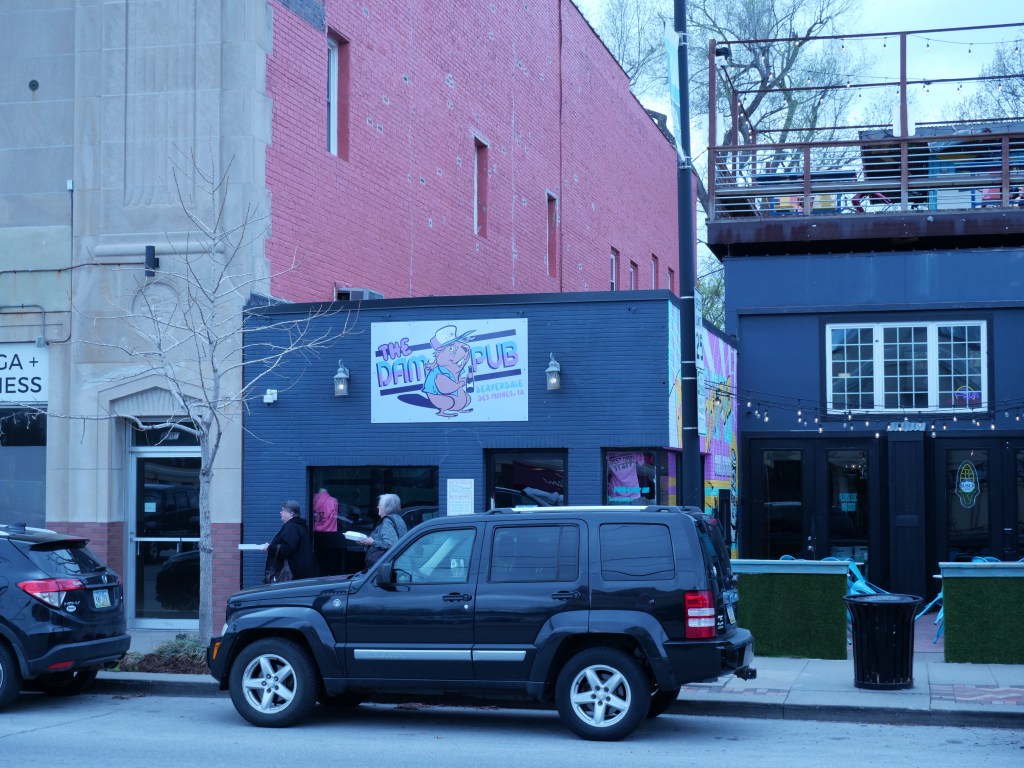
West Des Moines, originally known as Valley Junction dates back to its founding in 1893. The area was initially developed as a hub for the railroad. This strategic location helped the town grow rapidly creating an impressive main street that still remains in-tact with many businesses.  In 1938, the name was officially changed to West Des Moines to better reflect its geographic position and growing status as a suburban community as the community expanded westward.

Throughout the 20th century, West Des Moines expanded significantly, transitioning from a small railroad town into a bustling suburban area. The population exploded from 5K in 1950 to 31K in 1990. The post-war era saw a boom in residential development. The construction of major highways, such as Interstate 235 and Interstate 35, further facilitated this growth. Wes Des Moines has since doubled its population and now sits at 70K.

The Valley Junction portion of Wes Des Moines and surrounding residential streets is a comfortable walkable neighborhood with great retail and cultural amenities concentrated along 5th Avenue, and good suburb amenities (i.e. schools, safety, and parks). For sale housing is cheap here but the type of housing stock is limited as rentals are sparse and condos non-existent. For Valley Junction to become a top notch urban area it needs a lot more density, better transit access, more vibrancy (especially outside of 5th Ave), more mixed use developments, and a taming of several stroads including Railroad St, W 63rd, and Grand Avenue.

Click here to view my West Des Moines album on Flickr

URBAN STRENGTHS:

  • Solid diversity indicators especially economic.
  • A couple of extended bike lanes the pick up on the edge of Valley Junction that traverse to Dwtn and far west into West Des Moines. No dedicated bike stations however.
  • Good access to Dwtn especially by bike and driving.
  • Overall a very safe community with really no blight.
  • Good Sidewalk and ADA infrastructure but ADA standard curbs are missing in about 25% of intersections and not as consistent as Des Moines neighborhoods.
  • Excellent historic commercial architecture along 5th Street but the historic residential stock is so so and pretty working class.
  • Some excellent urban commercial infill in spots along 5th Street but also some awful autocentric corridors and uses along Railroad ,W 63rd, and Grand Ave.
  • Several quality walkable public elementary and middle schools in Valley Junction. The high schools is a couple miles away in the suburban part of the community.
  • Great park amenities including the gigantic Holiday Park Baseball Complex, Jordan Creek Recreational Trail, and several medium sized parks often connected to public schools.
  • Good cultural amenities especially food & beverage businesses. Also several art galleries, a couple event spaces, and several bars that host live music.
  • Good retail amenities too including a supermarket, pharmacy, tons of boutiques, gift shops, and unique independent stores concentrated on 5th Avenue, a public library, book store, a post office, plenty of dessert joints, a couple gyms, a couple banks, several antique stores, plenty of salons, and several churches.

URBAN WEAKNESSES:

  • Some good pedestrian activity along 5th Avenue but not much outside of it.
  • Missing larger big box stores and medical offices and the hospital are not walkable to Valley Junction residents.
  • Pretty low density for an urban area. Same with the transit access.
  • For sale housing is pretty plentiful and affordable. Really no condo options and housing options is pretty limited. 2-beds sell btwn 70K-275K. 3 & 4 beds sell between 100K-330K.
  • Rental options are pretty limited but on the affordable side.”
Capitol East- Home to Des Moines’ Mexican Community

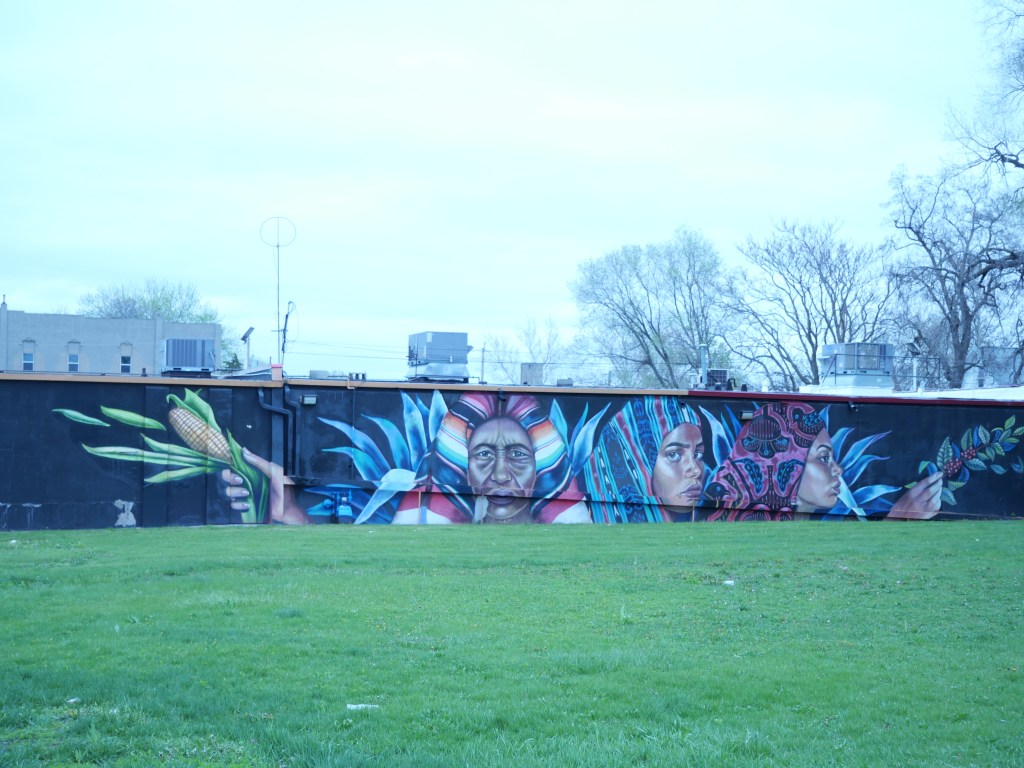
Capitol East is one of Des Moines’ older neighborhoods dating back to the late 19th century. Capitol East’s proximity to the state capitol building also made it a desirable location for state employees. The neighborhood originally was a nice mix of  working-class families and professionals but by the mid-20th century it faced significant decline. Capitol East has been slow to recover as is reflected in its low population density and the many vacant lots remaining in the neighborhood. Some stability has begun to occur thanks largely to an influx of Mexican immigrants to the community. Some new construction has also begun in the neighborhood as developers begin to take advantage of Capitol East’s convenient location just east of the Capitol complex and only 2 miles from Downtown.

Even with its great location only 2 miles east of Dwtn I do not consider Capitol East a viable urban district. It has simply lost too much of its population and urban business fabric along Grand to be considered walkable to me. But given its urban bones and street grid there is hope that Capitol East will fill in and became a great urban district one day. Hopefully with a mixture of immigration and interest from professionals desiring to live close to Dwtn development will pick up here.

Click here to view My Capitol East Album on Flickr

URBAN STRENGTHS:

  • Excellent diversity metrics especially racial. There is a large Mexican population here but also large Black, White and mixed-racial groups.
  • Very convenient access to Dtwn being only 2 miles away but bike and transit access are underwhelming considering the proximity.
  • Very consistent ADA curb cuts and generally consistent sidewalks but due to many vacant lots, many of the sidewalks have not been maintained well.
  • 3 solids park well dispersed throughout Capitol East.
  • Decent Tree canopy.

URBAN WEAKNESSES:

  • Public transit access is ok especially considering how close the neighborhood is too dwtn.
  • Lots of vacant lots and older industrial sites in the neighborhood.
  • Very low density for an urban district.
  • A walkable public grade and high school here but very poor ratings.
  • Rentals are cheap but listed ones are very limited.
  • For-sale housing is generally very affordable with 2 beds selling anywhere btwn 70K-150K, 3 & 4 beds sell btwn 70K-270K.
  • Crime seems a bit high in Capitol East but not crazy. Lots of vacant lots here and some blighted buildings.
  • Some nice historic commercial buildings but the residential homes are very working class and unadorned.
  • Not much modern in-fill but what does exist is generally auto centric crap.
  • Some urban commercial fabric along the Grand Avenue but lots of holes and vacant lots. The semi-commercial streets of 14th & 15th streets are very autocentric.
  • A good number of restaurants, including several Mexican restaurants, and a couple bars. Other cultural amenities are limited.
  • Retail amenities are also pretty limited but there are several Mexican grocerias here, a couple boutiques, a coupe salons”

North of Grand/Woodland Heights- Solid Urban Neighborhoods West of Downtown Des Moines

The North of Grand neighborhood dates back to the early 20th century as a streetcar suburb for the upper middle class.  North of Grand remained a relatively stable neighborhood even during the post WWII decline of many inner city Des Moines neighborhoods. Currently it is a much sought after neighborhood which still contain a good amount of available starter homes and affordable rentals. Woodland Heights to the east on the edge of Downtown is more of a mix of late 19th century and early 20th century housing, generally more modest than the North of Grand neighborhood. Woodland Heights experience more blight and disinvestment but has stabilized nicely and contains a significant amount of new construction.

North of Grand/ Woodland Heights is a solid urban district with convenient access to Dwtn and a decent walkable/bikeable neighborhood. Typical suburban amenities with a good tree canopy, safety, decent schools with decent urban amenities thanks to a good # of cultural amenities and some walkable retail along Ingersoll. Also good housing diversity with a good # of affordable for sale homes. This is an great value for your urban living that can often only be found in midwestern cities.

For the North of Grand/Woodland Heights neighborhoods to become a top tier urban districts it needs a lot more density especially along he Grand/Ingersoll corridors. I’d also like to see more retail amenities, parks, and some more walkable schools here.

Click here to view my Woodland Heights and North of Grand Albums on Flickr

URBAN STRENGTHS:

* Excellent sidewalk and ADA infrastructure. 
* Very convenient access to Dwtn across all modes of transportation. A nice east to west bike lane and a couple bike share stations on the eastern edge of the district.
* Pretty good diversity metrics, especially economic diversity.
* Overall very safe neighborhoods.
* Attractive historic homes but nothing spectacular. Limited historic commercial.
* Good tree canopy.
* Most cultural amenities are along Ingeroll Ave the northern border of the neighborhood. Good food and beverage amenities, a couple art galleries and a couple night clubs. Several historic homes open for tours through the neighborhood.
* While Ingersoll is semi-autocentric an excellent streetscaping project is underway greatly improving the urban design. More and more urban in-fill buildings are being built generally moving west from Dwtn.
* Lots of affordable for-sale product and decent diversity but limited 1-bed options. 2-beds sell anywhere from 80K-275K including some condos along Grand. 3 & 4 beds sell btwn 100K-400K
* Decent # of rentals pretty moderately priced. 1-beds lease btwn $800-1,500. 2-beds for $850 to 2K. 3-beds in the 2Ks.

URBAN WEAKNESSES:

  • Retail amenities are also concentrated along Ingeroll but a bit limited. This includes a drug store, office max, supermarket a block north of the neighborhood, several banks, a couple boutiques, a couple florists, a couple dessert joints & gyms.
  • Density is so so for an urban area.
  • Parks within the neighborhood are limited to the Woodland Cemetery and a playground. Greenwood-Ashworth Park is just south of the neighborhood borders and this is one of Des Moines’ best urban parks.

Greenwood/Liden Heights Historic District- Des Moines premier Historic Mansion District

I combined several historic mansion districts from the turn of the century including Linden Historic Heights District, Greenwood, and Terrace Hill Historic District. They are all similar in character and urban design. I used Grand as the northern border, MLK Highway as the eastern, Greenwood park as the eastern, and the railroad tracks as the southern. While I used Grand as the official north border I still consider Ingersoll, a block north of here to be the business district serving the neighborhood.

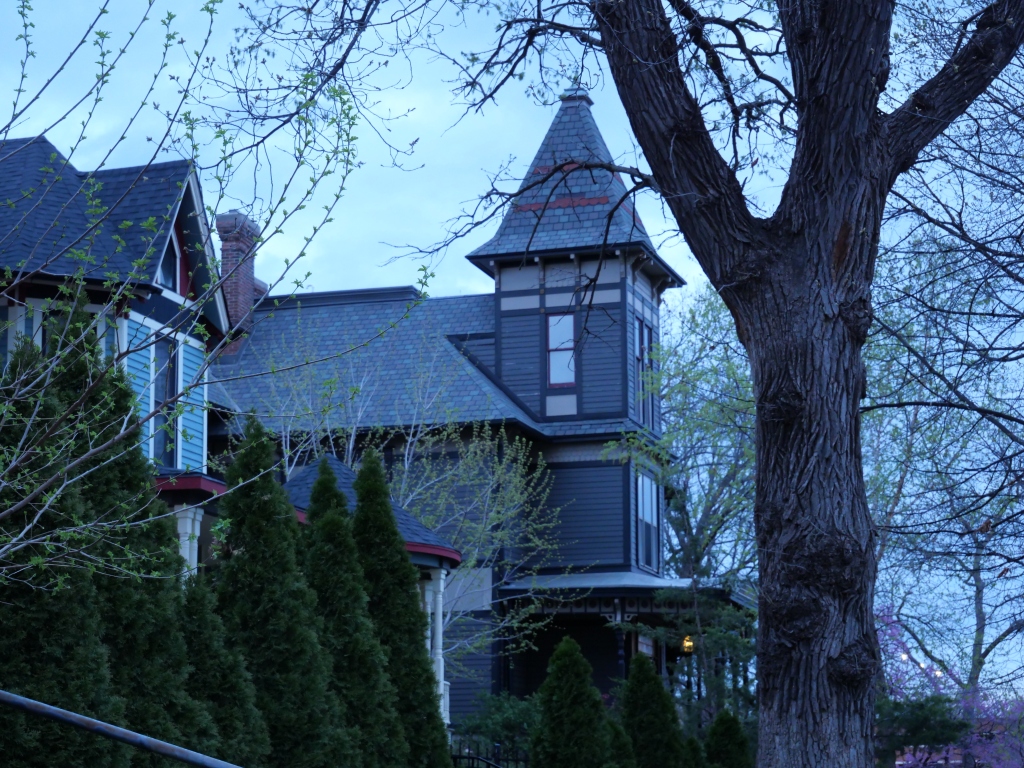
The Terrace Hill neighborhood is the closest to Downtown and contains the oldest housing stock from the late 19th century including many well preserved Victorian Era mansions. The Terrace Hill mansion, official residence of the Governor of Iowa is also here.  Further west in the Linden Heights and Greenwood neighborhoods the housing stock is a mix of early 20th century mansions spanning each decade until the 1950s.  Greenwood Park in the western edge of this evaluation area is one of the city’s oldest and most beloved parks.  The neighborhood is also one of Des Moines hilliest areas whose terrain lends itself well to grand trees and curvilinear streets.

While the district has amazing historic mansions the density is very low for an urban area. The northern edge of the district along Grand and Ingersoll is what allows the district to still function as a relatively urban and semi-walkable neighborhood. Grand host larger condos and apartment buildings from the early-mid 20th century and Ingersoll is a decent urban commercial district seeing a excellent recent streetscaping project and lots of quality urban in-fill close to Dwtn. The district has a wonderful array of housing options and price points and quality schools as well. What the neighborhood really needs to become a top tier urban district is more people and mixed-use projects, consistent side walks in the residential areas, better racial and economic diversity, more public transit options, and more retail amenities.

Click here to view my Greenwood Historic District Album on Flickr

URBAN STRENGTHS:

  • Very convenient access to Dwtn being about 2 mile away. But some points of the neighborhood have limited access via transit and bike given the hills.
  • Good generational diversity.
  • Gorgeous historic mansions.
  • Very safe community. Really no blight.
  • Decent school access including a walkable public school for every grade. Decent ratings as well.
  • Good # of rentals mostly concentrated along Grand. 1-beds rent anywhere btwn $700-1.5K, 2-beds btwn $900 and 1.5K. Only a handful of 3-beds.
  • Good # of for sale condos concentrated also along Grand selling anywhere from 100K-450K, great variety of 2-beds selling anywhere btwn 150K-1M including condos, townhouses, and SF homes. 3 & 4 beds sell anywhere btwn 230K-1.5M with a decent # of condos/townhouses mixed in with the SF homes.
  • Good parks including the moderately sized Greenwood-Ashworth Park with a rose garden and the expansive Water Works Park along the Raccoon River with a rec trail running alongside it.
  • Excellent Tree canopy.
  • Most cultural amenities are along Ingeroll Ave the northern border of the neighborhood. Good food and beverage amenities, a couple art galleries and a couple night clubs. Several historic homes open for tours through the neighborhood.
  • While Ingersoll is semi-autocentric an excellent streetscaping project is underway greatly improving the urban design. More and more urban in-fill buildings are being built generally moving west from Dwtn.

URBAN WEAKNESSES:

* Very low density for an urban district.
* About half of the streets don’t have sidewalks but when they do they typically have ADA standard curb cuts. Consistent sidewalk and ADA infrastructure on Grand Ave.
* Public transit is decent along the blocks closest to Grand but quickly drop off the further south one goes.
* No bike infrastructure in the district but there is a good bike line along Ingersoll along with a couple of bike stations  on it.
* The streets connect and there are no cul du sacs here but very curvilinear roads with long complicated blocks.
* Racial diversity is pretty low as this is ~ an 85% White neighborhood. Economic diversity is similar.
* Retail amenities are also concentrated along Ingeroll but a bit limited. This includes a drug store, office max, supermarket a block north of the neighborhood, several banks, a couple boutiques, a couple florists, a couple dessert joints & gyms. 

Beaverdale- an attractive 1920s-1940s urban district in Northwest Des Moines

Beaverdale is a charming neighborhood in Northwest Des Moines, known for its distinctive brick homes, often referred to as “Beaverdale Bricks.” This area, developed primarily between the 1920s and 1940s, features many tree-lined streets and a strong sense of community cohesion.

Beaverdale excels with good parks, an attractive 2-block urban commercial district at Beaverdale and Sheridan, lots of food & beverage amenities, decent retail amenities and relatively affordable housing stock. While there are lots of for sale options, rentals are pretty limited. Beaverdale also has very convenient access to Dwtn being just 10 mins away (by car) with ok bike and public transit access as well.  For Beaverdale to become a premiere urban district it needs more people and more density. They can start with promoting 4-5 story mixed-use development along their commercial corridors and allowing duplexes and triplexes in their single family zoned districts. Schools are also limited and poorly rated.

Click here to view my Beaverdale Album on Flickr

URBAN STRENGTHS:

* Generally very good sidewalk and ADA infrastructure. Only a handful of streets without sidewalks and curb cuts.
* A couple dedicated bike lanes but no dedicated bike stations.
* Great access to dwtn being only a 10 min drive and 25 min bus ride.
* Excellent generational and economic diversity.
* Overall a very safe community with very little blight.
* Decent amount of affordable housing here even including a Coop.
* Good housing diversity even some smaller 1-bedroom cottages which sell between 85K-150K. 2-beds sell btwn 140K-350K, and 3 & 4 bedrooms sell btwn 150-475K.
* Pretty good park amenities including 3 medium sized parks and a pool but a couple other parks nearby.
* Excellent tree canopy.
* Attractive historic homes from the 1920s-1950 but not spectacular.  Pretty nice historic commercial districts on the 2-block biz district on Beaver.
* Good food & beverage amenities concentrated at the commercial node at Beaverdale and Sheridan, but not much else culturally.
* Decent retail amenities including a hardware store, a meat market, a supermarket, a couple drug stores, several gift shop/boutiques/clothing stores, a florist, a bookstore, a post office,  a couple banks, a major veterans hospital complex and several doctor’s offices,  several dessert joints, a couple gyms, and about 5 churches.

URBAN WEAKNESSES:

* low density for an urban district.
* So so transit access.
* Racial diversity is pretty limited as 80% of the residents are white.
* Only a couple elementary schools but both aren’t rated very well.
* Rentals are pretty limited but very affordable.
* Decent amount of autocentric development on the northern half of Beaverdale and Douglas Ave.
* Good urban form along a couple blocks of Beaverdale but most of the neighborhood has semi-autocentric biz districts with some 

Carpenter/Drake Park- Early 20th Century Des Moines Neighborhoods located just east of Drake University

Both neighborhoods were developed in the early 20th century with a mix of Victorian, Craftsman, and early 20th-century bungalows. The neighborhoods have a nice mix of students and families with more families living in Drake Park. Both communities also have walkable access to the University Avenue Business District and easy access to Dwtn (only a 10 minute drive and 20 minute bus ride).

Drake Park and Carpenter have been located on Des Moines’ racial blight line (MLK and Forest Ave) for many decades and you can tell as homes are worth less than its adjacent neighborhood Drake to the West. Carpenter has experienced as decent amount of blight and demolition as well. MLK and Forest avenues are actually pretty blighted along with the eastern half of University Ave. Redeveloping these important corridors and building new in-fill in the Carpenter neighborhood are key improvements to move these neighborhoods into the same urban category as Drake. Other important urban improvements include better bike infrastructure, more well rated schools, more diverse housing stock, more parks, and several important retail amenities (i.e. supermarket, drug store, and local shops). But the momentum seems to be in place as University and Forest Avenue have seen some new construction recently. Now is the chance for affordable housing to be constructed in anticipation of revitalization and gentrification.

Click here to view my Carpenter Album and here to view my Drake Park Album on Flickr

URBAN STRENGTHS:

* Solid urban density.
* Excellent racial diversity and decent economic diversity but Carpenter Park is significantly poorer and less economically diverse than Drake Park.
* Overall safe community but a some blight and a decent # of vacant lots in Carpenter.
* Very good sidewalk and ADA curb cut infrastructure throughout both neighborhoods.
* Good tree canopy.
* Decent cultural amenities including several restaurants, bars and especially cafes, a couple live music venues, a historic theater, and the cultural amenities of Drake University a couple blocks away.
* Decent retail amenities include a hardware store, several banks,  a couple dessert joints, several salons & barbers, several churches including a Bascilica, a post office, and a couple medical offices.

URBAN WEAKNESSES:

  • Few family households living here.
  • Bike infrastructure is virtually non-existent. Decent in neighboring Drake University however.
  • Some rentals but generally very affordable and not much price point diversity.
  • For sale market is pretty limited across but neighborhoods but particularly depressed in Carpenter. In Drake Park larger renovated homes top out at 380K with high prices closer to the Drake neighborhood.
  • Only one elementary public school in the neighborhood and its not rated well.
  • So so park amenities with Drake Park being the premier one. The decent size Good Park is only several blocks east of Drake Park but not parks in Carpenter.
  • Missing a full service supermarket, drug store & local public library. There are also few boutiques and unique gift shops, and not as many overall retail services as you would expect for a stable neighborhood hosting a college.
  • Good urban form on the two blocks of University closed to the Drake Neighborhood but falls off pretty quickly as it moves eastwards. MLK and Forest are also quasi-commercial streets but pretty blighted. They more or less form the boundaries to Des Moines’ most blighted and poorest community to the north and to the east.”


Drake, Des Moines- Home of Drake University and a comfortable early 20th century walkable neighborhood

The Drake Neighborhood is an early 20th century diverse community centered around Drake University. Drake forms the backbone of the more affluent early 20th century neighborhoods in Northwestern Des Moines north of I-235. Drake has many components of a comfortable walkable neighborhood including decent public transit access, excellent sidewalk and ADA infrastructure, a decent commercial district along University Ave, and a well integrated University campus with its surrounding urban neighborhood. Drake also boast great racial and economic diversity and offers a hosts of rental and for-sale housing options with lots of affordable options.

For Drake to become a premiere urban district it needs better bike infrastructure as there are essentially not dedicated bike lanes in the neighborhood, more public green space and well rated schools, and more urban density which will help foster many missing retail amenities (i.e. supermarket and more local unique shops).

Click here to view my Drake Album on Flickr

URBAN STRENGTHS:

  • Decent public transit access and convenient access across all modes to Dwtn only 3 miles away.
  • Several dedicated bike stations in and around Drake University but surprisingly no dedicated bike lanes in the neighborhood.
  • Good diversity metrics especially racial thanks to Drake University’s demographics.
  • Good for sale diversity but with limited 1-bed condos homes and on the affordable side 2-beds sell btwn 100K-270K. 3 & 4 bed sell btwn 100K-450K.
  • Lots of rentals but also on the affordable side. 1-beds and studios lease btwn $700-$900. 2-beds btwn $850-1.5K and some 3-beds for a bit more.
  • Overall excellent sidewalk and ADA infrastructure.
  • Overall a very safe community with blight limited to the Northeastern edge of the district.
  • Attractive historic residential and decent urban infill with a mix of autocentric and urban infill surrounding Drake University.
  • Decent urban form especially the three urban biz blocks along University by Drake University. Solid Streetscaping throughout the neighborhood.
  • Good tree canopy.
  • Good cultural amenities including several restaurants, bars and especially cafes, an art museum at Drake University, a couple live music venues, a historic theater, local performing arts center, and the cultural amenities typical of a university.
  • Retail amenities include a health food store, drug store, several banks, a university bookstore, a couple dessert joints, several salons & barbers, several churches, a post office, and a couple medical offices.

URBAN WEAKNESSES:

* Decent but not great density for an urban area.
* Several schools on the outskirts of Drake but poor or mediocre ratings.
* Parks amenities are a bit  disappointing limited to a couple medium sized parks on the edges of the neighborhood. Lots of greenspace in Drake University but only semi-open to the public.
* Missing a full service supermarket & local public library. There are also few boutiques and unique gift shops, and not as many overall retail services as you would expect for a stable neighborhood hosting a college.

Downtown Des Moines, IA

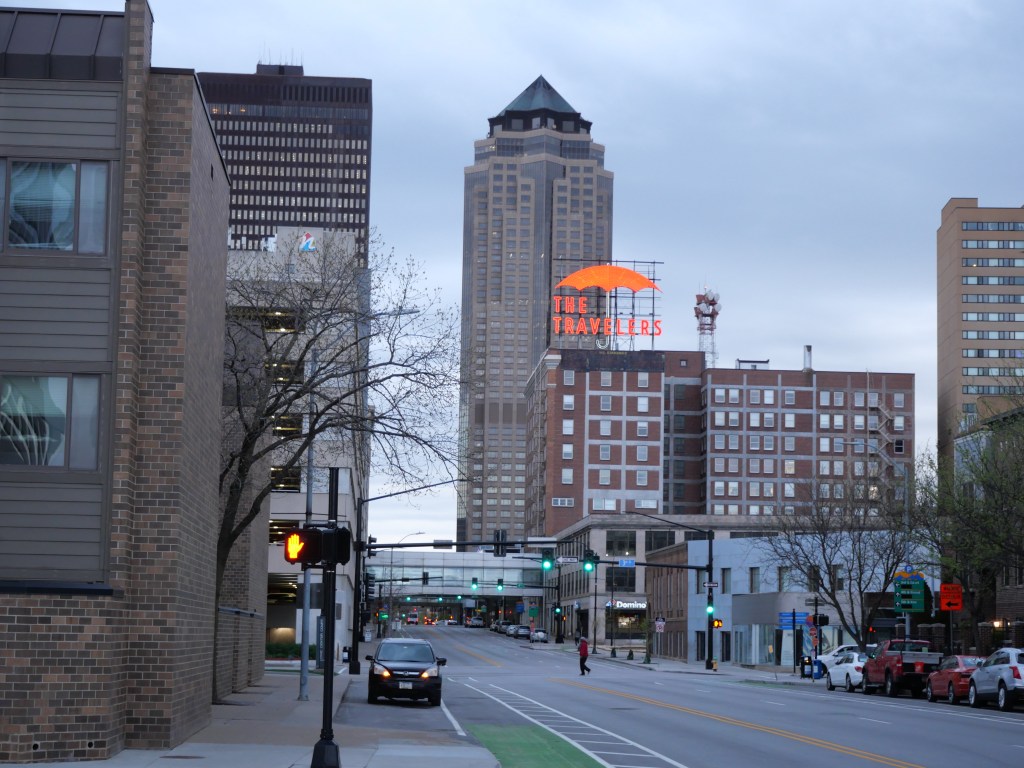
For the downtown evaluation I include 15th St as the western edge, I-235 as the north, and MLK as the southern edge. Between MLK and the river is a former brownfield that is slowly being redeveloped as mixed-use fabric. This should be nice when it is finished but is still long way to go before its a cohesive neighborhood and partially removed from the rest of Downtown.

Downtown Des Moines like most American cities is the place where Des Moines was founded starting with the establishment of  Fort Des Moines in 1843. The area served as a military outpost designed to control conflicts between Native Americans and settlers. By 1851, it was incorporated as a city and quickly grew thanks to its strategic location at the confluence of the Des Moines and Raccoon Rivers. City leaders wisely created greenspace and civic centers along both sides of the rivers (instead of industrial uses) and created the Civic Center Historic District flanked by several early 20th century Beaux Arts buildings on both sides of the river. By the mid to late 20th century Downtown Des Moines hosted several large corporations typically specializing in insurance and finance each with their own expansive headquarters. Like other northern midwestern cities, Des Moines also invested in a pretty extensive skywalk network over four miles long.

While Dwtn hosts an impressive 70K dwtn workers this has created lots of dead parking spaces, office towers without much street activity, and a lack of activity after 5 PM. Fortunately Civic leaders have woken up to this reality and over the past 2 decades investments have made Des Moines better for living and hanging out. Other key revitalization efforts include the  face lift of the Walnut Street Corridor with new streetscaping and opening of high end retail and restaurants. Major investments were made to the 1.2 Riverwalk where the Civic Center Historic District is located.  The Western Gateway was redeveloped as a 7 block long  Sculpture Park boasting 28 pieces of art and over 4.4 acres of green park space. Investments have also been made in the Court Avenue District hosting a collection of wonderful late 20th century commercial buildings and now the main night life hub of Dwtn.  But for Dwtn Des Moines to top the list of mid-sized City Downtowns it needs more multi-family buildings developed on existing surface parking lots, less parking garages, more local retail and boutiques that help drive active street life and reduce dead spaces.

Click here to view my Downtown Des Moines Album on Flickr

URBAN STRENGTHS:

  • Excellent sidewalk and ADA infrastructure throughout all of Dwtn. Almost all curb have modern ADA standards.
  • Decent population for a Dwtn area.
  • Excellent logical grid Dwtn but too many wide one-way pairs and its too easy to get to Dwtn by car.
  • Pretty good bike infrastructure in Dwtn Des Moines including several dedicated bike trails and riverfront trail and solid bike sharing system that covers Dwtn and several inner city neighborhoods. Pretty good network across the regional with several expansive trails connecting to Dwtn running along the rivers. Decent connections to inner city neighborhoods and expansive trails in the Western Des Moines suburbs.
  • Museums dwtn include Science Center, several historic sites, minor league ball park & arena.
  • Decent rental supply and pretty affordable compared to other US cities. Studios lease btwn $800-1K, 1-beds btwn 1K-1.8K, 2-beds btwn similar price but a bit more expensive but 3-beds are very limited.
  • Lots of for sale product as well and pretty affordable with 1-beds selling btwn 150K-400K. 2-beds sell btwn 200K-500K, and a decent amount of 3-beds selling anywhere btwn 350K-700K.
  • Good parks in Dwtn Des Moines including an extensive waterfront and recreational trail, the well designed Cowles Commons, the several block long Pappajohn Sculpture Park, and several smaller plazas.
  • Des Moines has really two civic plazas (Pappajohn Sculpture Park and Cowles Commons) with Pappajohn as the heart now of Dwtn. But are relatively new parks.
  • Good cultural amenities including excellent food & beverage amenities, several art galleries, the outdoor sculpture park at Pappajohn, several performing arts centers, a handful of live music venues including a jazz club, several night clubs, and a decent # of museums. Other major Dwtn amenities include a major convention center, an arena, ballpark, and a major Dwtn public library.
  • Dwtn Des Moines has just over 70K employees a very impressive number of its metro size and has recovered better than most American Dwtns with a pandemic workforce of 80K.
  • Dwtn is overall pretty safe and clean. Not much grit here.
  • Solid skyline for its size of size pretty filled out vertical and visually interesting.
  • Nice concentration of historic bldgs on Court St and the riverfront but only a sprinkling of historic structures elsewhere.

URBAN WEAKNESSES:

  • While young professionals are growing in Dwtn still a dipropionate amount of people in poverty living Dwtn.
  • So so transit access being good Dwtn, north, northwest and slightly west and east of Dwtn. Sub par transit access in south Des Moines which is pretty suburban. Western suburbs of Des Moines have the best transit access but good transit access is limited out here.
  • Children’s museum is out in the Western Suburbs.
  • Two schools within Dwtn and one on the boarder with Sherman Hill. The High School rates well but not the grade school. Still nice to have walkable schools dwtn, which many cities cannot claim.
  • Some important retail amenities exist Dwtn including a supermarket, plenty of banks, a handful of clothing stores & gift stores, several dessert joints & gyms, several churches and a major Hospital. But Dwtn lacks the independent stores and boutiques common in most dwtn likely due to the fact that Dwtn caters mostly to office workers and residents and that many of these stores exist across the river in East Village.
  • No major universities Dwtn but several smaller satellite campuses. Drake university is the closest larger university 3 miles to the northwest.
  • Some nicer modern infill apartment bldgs and iconic commercial towers but much of Dwtn is filled with rather bland office towers and lots of parking lots.
  • So so pedestrian activity.”

Sherman Hill- Des Moines’ best Historic District just West of Downtown

Sherman Hill is one of Des Moines’ oldest neighborhoods but newer than East Village. The neighborhood began developing in the 1870s named after Hoyt Sherman, a prominent local figure and brother of Civil War general William Tecumseh Sherman. Sherman Hill was the City’s first wealthy suburb as large Victorian homes were built here. in the late 1800s. Apartment buildings were constructed in the early 20th century as the neighborhood filled in and the wealthy moved further west to neighborhoods like Greenwood and Linden Heights. By the mid-20th century, Sherman Hill experienced  several decades of decline due to suburbanization, highway construction and many of the mansions were subdivided into smaller apartments But a historic preservation movement began in force during the 1970s and fortunately most of the grand homes were saved. Present day Sherman Hill has done well in the “return to the City” movement in Des Moines and several new food & beverage business opened here and new apartments and townhouses are being built on the southern edge of the district.

Thanks to the period of apartments in the early 20th century and subdividing of large mansions, Sherman Hill has a great diversity of rental housing and even for sale housing with a good amount of 2-bed condos, medium sized townhomes, and larger mansions that are relatively modest in price (400Ks & 500Ks). Sherman Hill also has a great tree canopy decent park amenities, great sidewalks and ADA infrastructure and walkable access to Dwtn along with some retail and cultural amenities of its own. For Sherman Hill to become a premiere urban district it simply needs more people. Hopefully dense infill continues along the southern edge on Grand & Ingersoll.

Click here to view my Sherman Hill District on Flickr

URBAN STRENGTHS:

* Excellent Sidewalk and ADA infrastructure.
* Decent bike infrastructure including several bike stations and a couple bike lanes running through the neighborhood. Solid public transit access as well.
* Very racially diverse and decent economic diversity although poverty is still high here.
* Lots of rentals available with studios leasing around $750, 1-beds lease btwn $800-1.4K, 2-beds in the low-mid 1Ks, and even some 3-beds the lease btwn 1.5K-2K.
* Pretty good for sale diversity too. Some 1-beds that sell  200K-350, 2-bed btwn 150K-400 with lots of condo options, and 3 & 4 beds sell btwn 200K-500K with a handful of more expensive mansions.
* Generally pretty safe community but does get some of the Homeless population spilling over from Dwtn.
* Excellent tree canopy except the southern edge of the district.
* No parks within the Sherman Hill boundaries but the excellent Western Gateway Park sits at the southeast corner of the neighborhood. Also the Woodland Cemetery to the west and a decent playground.
* A handful of restaurants & bars and a cafe within the neighborhood along with a couple breweries. Also a historic performing arts space, a couple night clubs, a live music venue, a couple historic mansions and good access to all the cultural activities Dwtn.
* Not a lot of retail in Sherman Hill but some important amenities including a supermarket, drug store, major hospital along with a couple boutique, banks, gyms and salons, and several churches. Good access to all the dwtn retail amenities too.
*Excellent historic homes along with some good in-fill.

URBAN WEAKNESSES:

  • Large young adult population living here and no a ton of age diversity or households with kids.
  • Density is pretty low for an urban district.
  • A couple grad schools in the neighborhood; one rated well, the other poorly. Several other schools in the area but at least 1/2 mile away.
  • Grand and Ingersoll on the south edge of Sherman Hill is pretty autocentric but some hope with recent infill. MLK on the western edge is just a wide boulevard with noting on it.”

East Village- Des Moines’ best urban district sitting between Downtown and the Iowa Statehouse

East Village was platted in 1854 but wasn’t settled in large numbers until the 1870s & 1880s primarily with Scandinavian and Eastern European Jewish immigrants.  East Village has undergone several transitions starting as a primarily residential immigrant neighborhood, transitioning to a largely commercial district during the turn of the 20th century, experiencing significant urban renewal in the mid 20th century as the Iowa Capital complex continued to swallow up more land, and more recently experiencing rebirth and gentrification.

East Village was well positioned for urban renewal sitting between Downtown to the West across the Des Moines River, and the Iowa State Complex to the east. Thankfully much of the neighborhood’s urban fabric, especially between Walnut and Grand Avenues remained relatively in tact, allowing several streets to form the best mixed-use district in Des Moines outside of Dwtn.  In the past decade urban in-fill has augmented the on-going restoration of historic mix-use buildings filling in dead spots and adding much needed population to East Village. The District also has a plethora of locally owned stores, great nightlife and food & beverage amenities, and is Des Moines’ most walkable neighborhood being only a 5-10 walk to Downtown. To advance to the next level as an urban district East Village simply needs more people and infill development to fill its many surface parking lots and dead spaces especially along its southern edge, which is still largely industrial. I’d also like to see better tree canopy, more walkable schools and important retail amenities (i.e. drug store, supermarket, etc..)

Click here to view my East Village album on Flickr

URBAN STRENGTHS:

  • Great access to Dwtn being just across the river with easy access across all modes of transit.
  • Solid public transit access and decent bike infrastructure including a couple bike lanes and several bike stations.
  • Pretty good ADA and sidewalk infrastructure with most intersections containing modern ADA curb cuts.
  • While about 25% of East Village residents live in poverty there is still a decent amount of economic diversity thanks to the most professionals living here.
  • Overall a very safe community but a decent amount of dead spaces along the southern edge of East Village.
  • Decent parks including the large riverfront park and the extensive mall around the State Capitol building and a couple plazas.
  • Best urban core of East Village is between Walnut and Grand with Locust street as the most cohesive street.
  • Good mix of historic and urban in-fill.
  • Excellent food & beverage amenities, plenty of clubs, a couple live music venues, a couple art galleries, several museums and memorials (around the Statehouse). Also convenient walkable access to Dwtn cultural amenities too.
  • Good retail amenities too including a couple grocerias, several banks & ATMS, plenty of boutiques and gift shops, several books stores, plenty of dessert joints, a several antique and home good stores, a couple bike shops, no local libraries but several State of Iowa libraries including a gorgeous one in the state capital bldg, and several churches.

URBAN WEAKNESSES:

* Density is pretty low for an urban district.
* Large college and young adult population but limited family households here.
* Some for sale product including a decent # of 1  & 2 bedroom condos selling between 150K-300K.  A medium sized townhouse development was recently constructed  Robert Ray Asian Garden called “The Banks”. These mostly 3-bed condos sell btwn 500K-800K. Not much else because these clusters.
* Some rentals here but not as paying as you would think. Studios & 1 beds lease btwn $800-1.3K, and 2 beds lease around 1.5 and some 3 beds as well.
* A couple schools on the edge of East Village but generally poor ratings.
* Tree canopy is spotty and completely missing in spits especially the more industrial southern edge of East Village.
* Outside of the Walnut-Grand core the urban form of East Village deteriorates and is spotty but more and more quality in-fill and being built.
* Several important missing amenities including a full service supermarket, drug store, post office, medical offices and gyms.