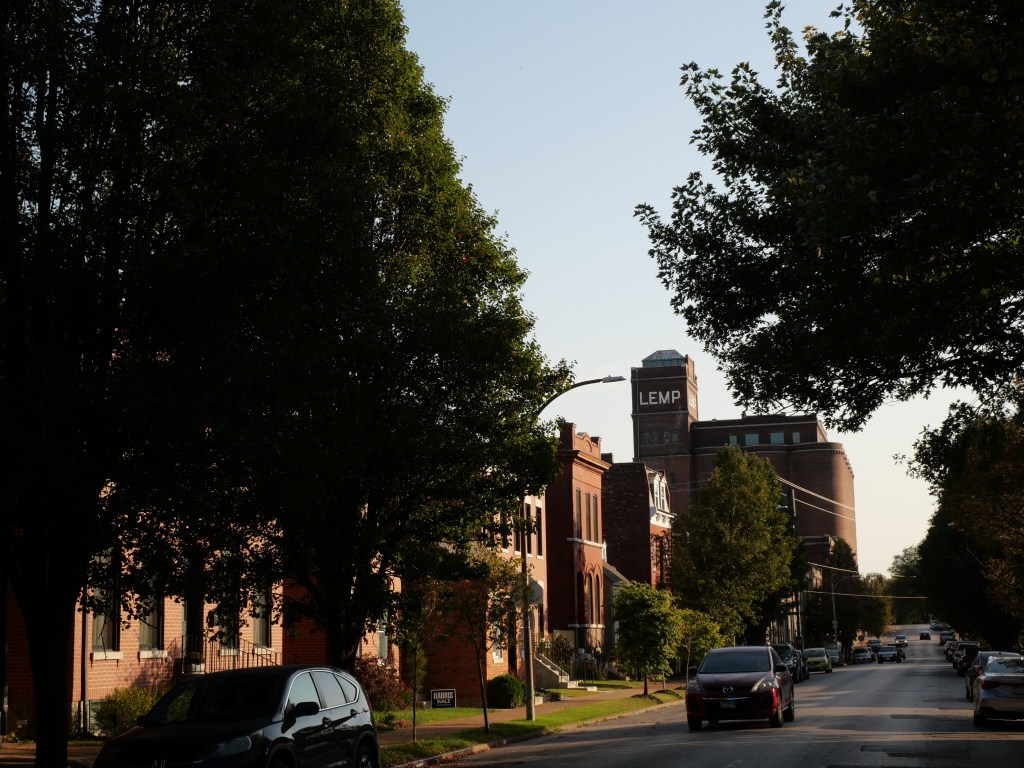
The area was originally called the Town of Lowell but got its name because it was the location of the Saint Louis University College Farm acquired by the University for garden and recreation purposes in 1836. The farm was subdivided in the early 1870s and the development of College Hill began with its annexation into the City of St. Louis in 1871. The neighborhood’s most iconic remaining landmarks, The Grand Avenue Water Tower, was built in 1871 and was thought to. be the largest perfect Corinthian column in existence. Another great monument, the Bissell Tower, was built in 1887. The neighborhood filled in between 1880 and 1920 with a mixture of townhouses and four family flats along with some single-family brick dwellings. The area’s historic commercial center was located along East Grand around the Old Water Tower with a strip along W. Florissant Avenue. This neighborhood was a vibrant and very walkable district into the late 1960s. But the 1970s, with white flight and the expanding area of concentrated Black poverty in North St. Louis, was disastrous for College Hill. The vast majority of structures have been demolished here and the neighborhood’s population now sits at about 10% of its peak. College Hill has lost significantly more of its built environment comparted to neighboring O’Fallon’s Park.
On the bright side, half of College Hill’s residents are homeowners who don’t appear to be going anywhere soon. Given College Hill’s convenience of Dwtn St. Louis (4 miles), solid public transit, great park amenities, and great connectivity and urban grid it is only a matter of time before this once great urban neighborhood comes back, but it could still take a couple decades given the fact that the City of St. Louis is still loosing population.

Click here to view my College Hill Album on Flickr
URBAN STRENGTHS:
* Sidewalks generally consistent but only about 1/4 of all intersections are ADA accessible.
* Decent public transit access and very convenient access to dwtn being just a 25 min bus ride and 10 min drive. Also only a 25 min bike ride.
* Excellent connectivity.
* Decent # of families with kids.
* Limited parks within College Hill but some great ones located on the edge of it (Fairground Park, O’Fallon Park, and Hyde Park.
* Decent tree canopy.
* College Hill has two iconic historic water towers (i.e. Grand Avenue & Bissell Street).
URBAN WEAKNESSES:
- This is over a 90% Black neighborhood but some economic diversity.
- Limited bike lanes within College Hill but some decent bike paths just outside of the neighborhood and not too hard to get to the Mississippi Riverfront trail that then feeds to Dwtn.
- Decent public elementary schools here but only a handful of other smaller private schools and a poorly rated public high school located not too far away.
- Limited rentals listed on the market. What does exist is probably pretty cheap.
- For sale housing market is pretty limited too. What does sell homes in generally btwn 50K-150K.
- Generally pretty high crime rates here and lots of vacancy and blight.
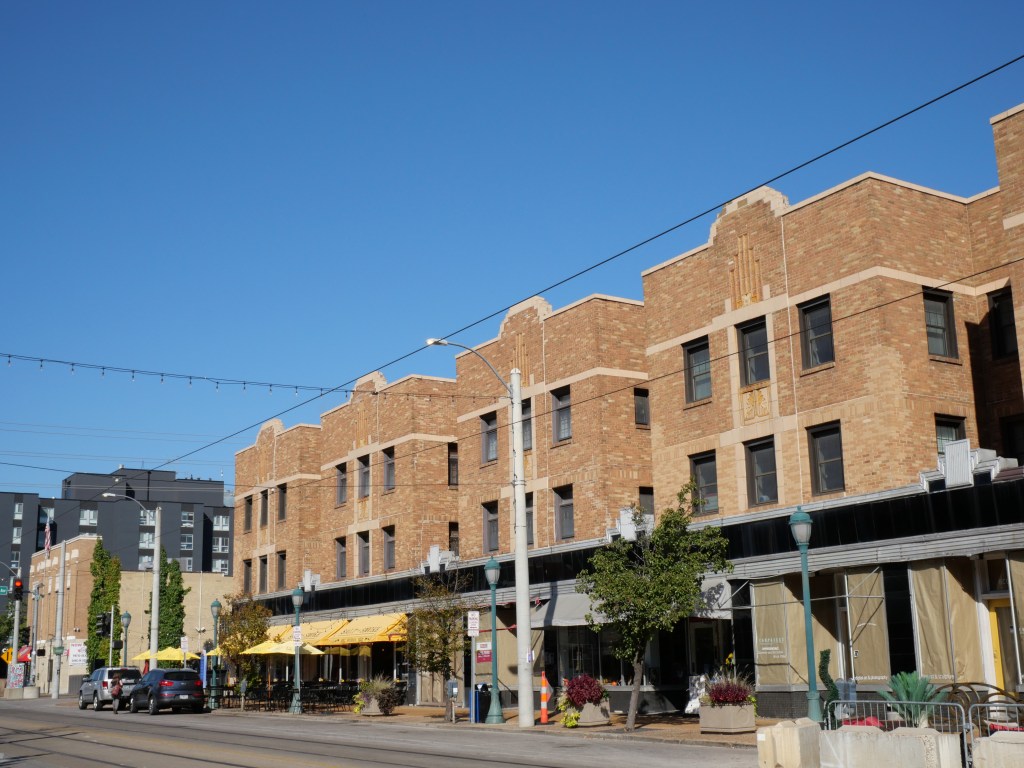
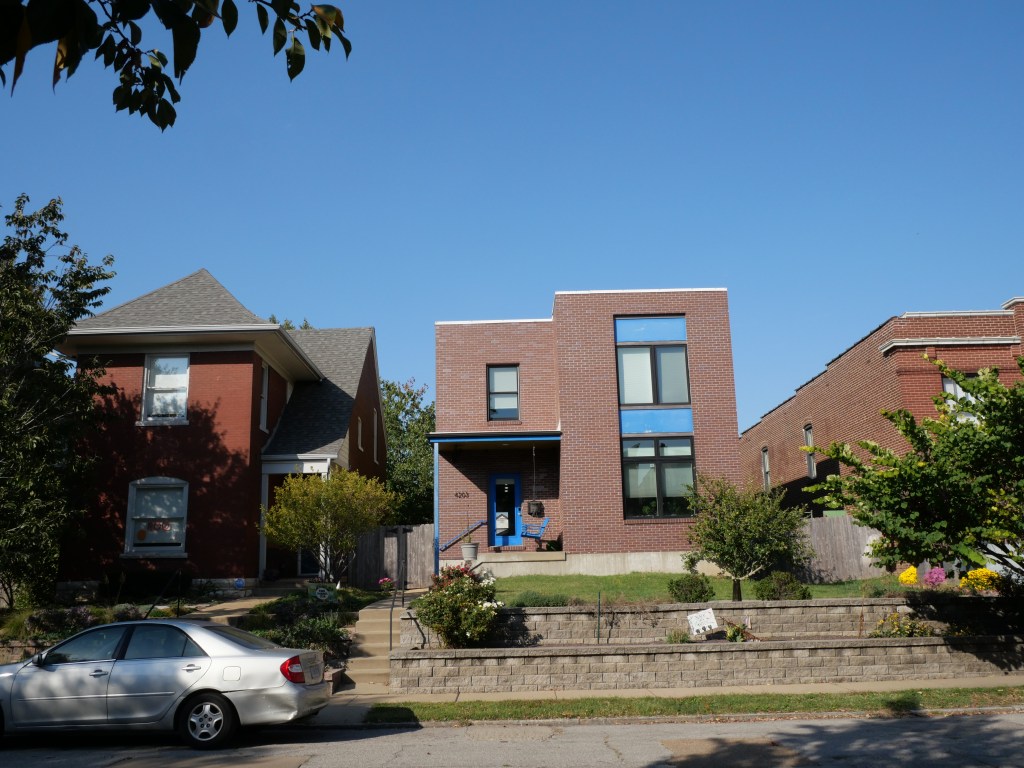
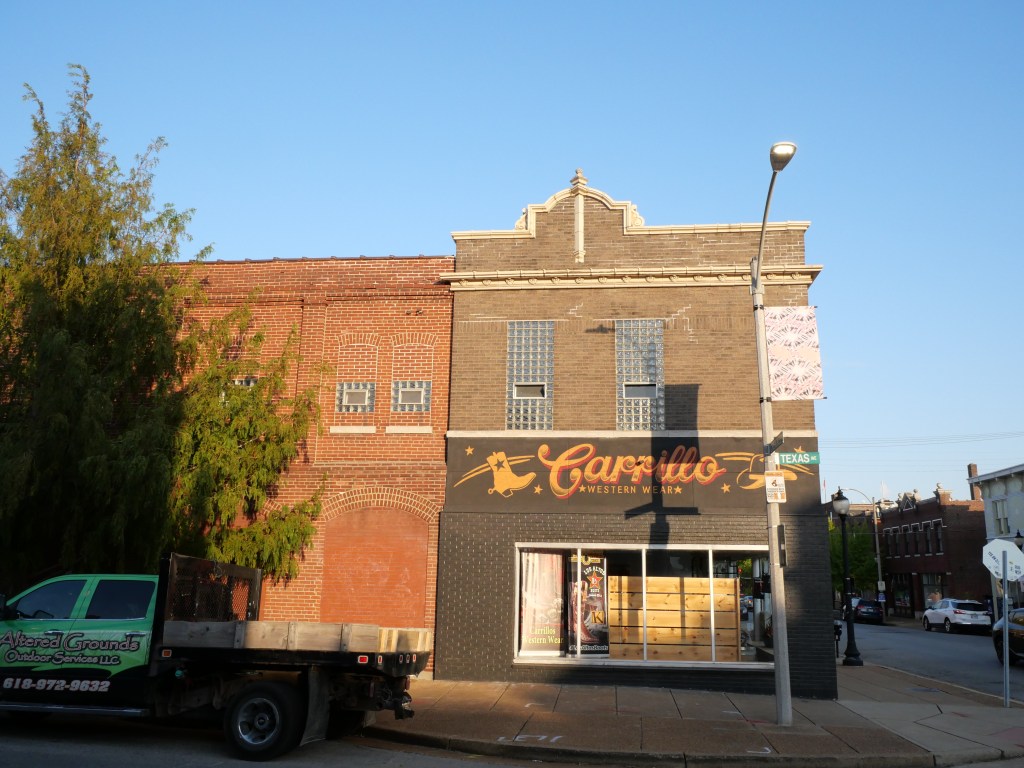
- Some decent historic architecture but what is still standing is often blighted. Modern in-fill is very limited.
- There is essentially no open businesses or cultural amenities within College Hill. Some retail amenities in neighboring O’Fallon Park.
- Since of the bldgs. are gone in the historic commercial districts (Grand Blvd and Florissant) there is not much urban form to speak of. The streetscaping is better along Grand as the sidewalks are often overgrown and missing on Florissant.
- Poor density for an urban area.”


 Evaluating our Urban Communities [with a focus on America]