The area witnessed an influx of Scotch-Irish immigrants in the late 1770s but it wasn’t until the construction of several branch lines through the community in the early 1870s that the settlement took off. The community was incorporated as Scottdale Borough in 1874 and by 1880 it had 1275 residents. The economy quickly transitioned from agriculture to manufacturing and mining and became the center of Henry Clay Frick’s coke interest where The H. C. Frick Coke Company was headquartered. But like many other rustbelt boomtowns in the area, Scottdale quickly declined starting in the 1930s when it reached a peak of 6700 residents. Scottdale now sits at 4,400 residents and the only major factory that remains is Duraloy Technologies.
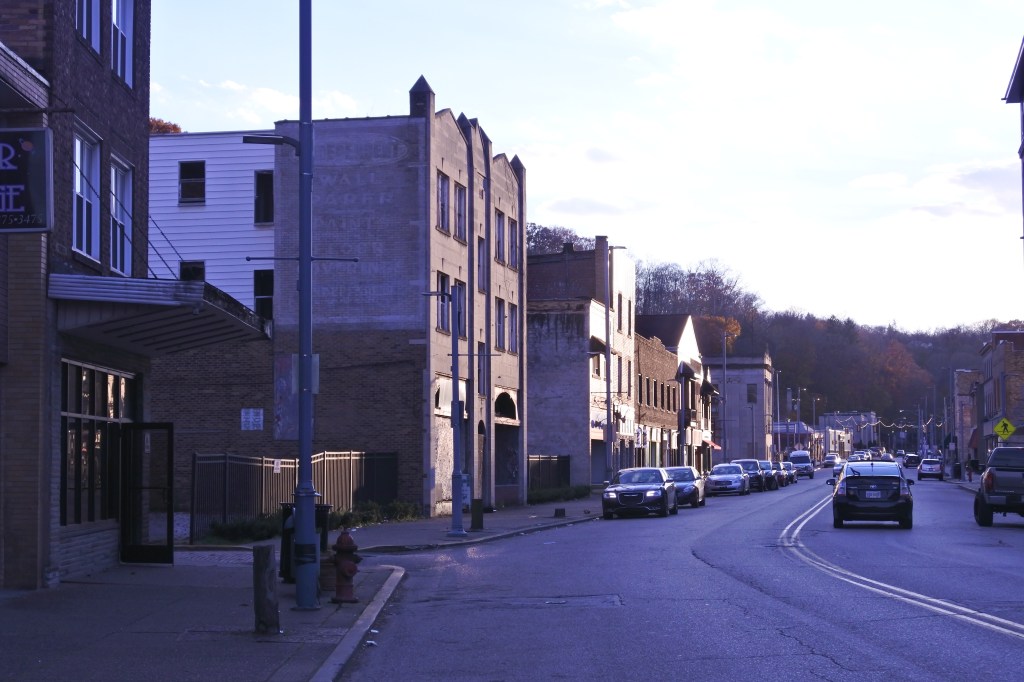
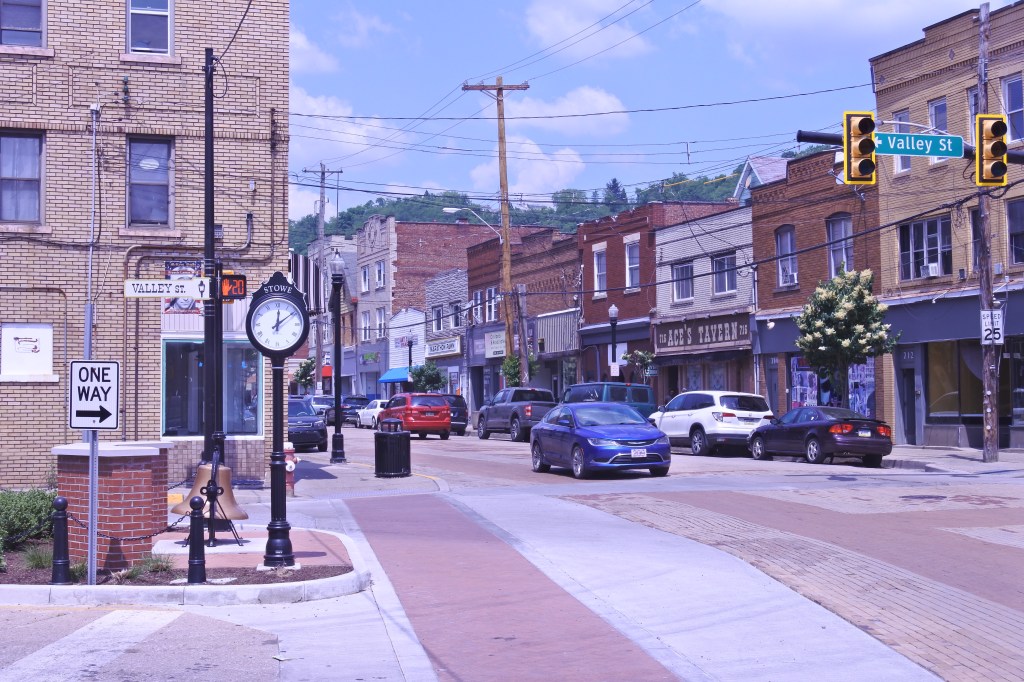
From an urban perspective Scottdale still retains a solid 2-block historic business district on Pittsburgh along with a semi-urban biz district running several blocks of Broadway. Even with its steep population decline Scottdale doesn’t have widespread vacancy and retains many attractive historic homes. The community is also safe and served well by many parks and decent retail amenities. Median household wealth runs about 55K, higher than many other rustbelt cities in the area. I don’t see Scottdale urbanizing/densifying anytime soon unless the Borough encounters a major influx of immigrants. At best it can hope to remain course, which apparently there are signs it is succeeded at as the population was flat between 2010 and 2020.
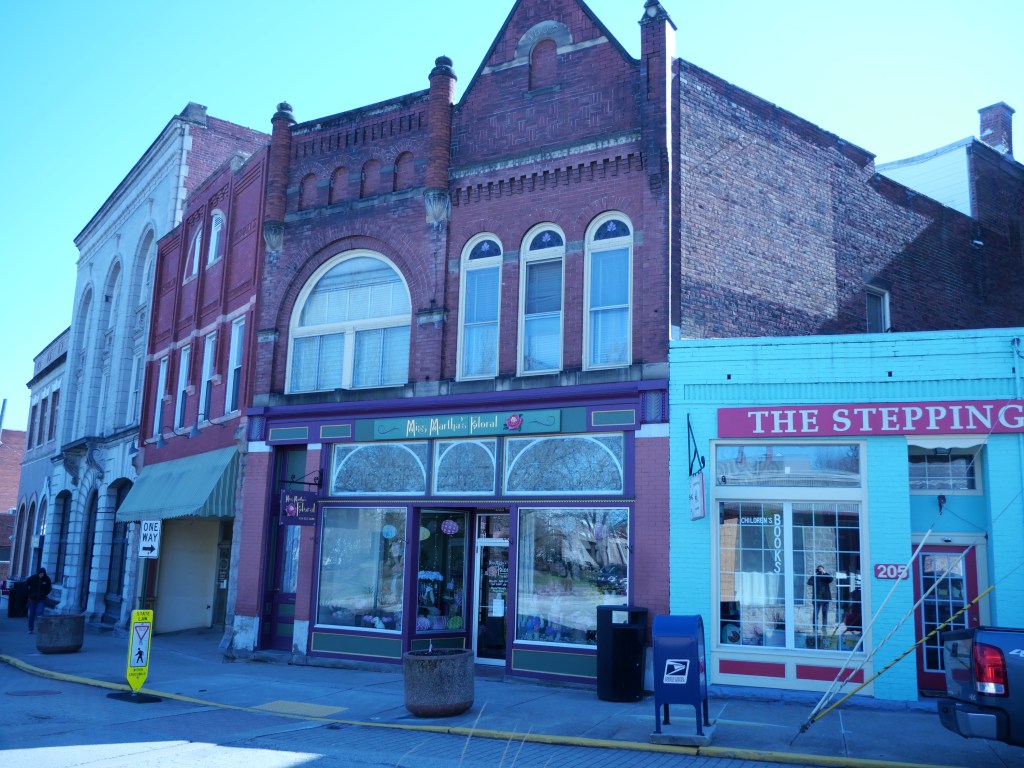
Click here to view my Scottdale Album on Flickr
URBAN STRENGTHS:
* Sidewalk infrastructure is so so with about 1/3 of streets without sidewalks and about half of all intersections with ADA curb cuts.
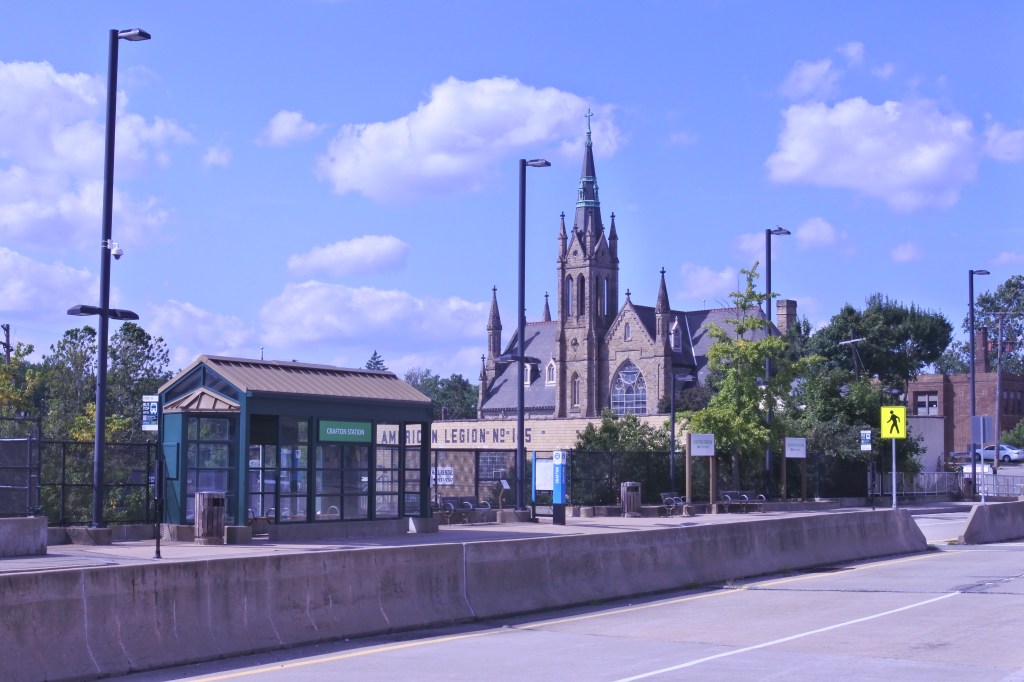
* Public transit is pretty limited.
* 45 min drive to Dwtn Pitt (no transit access) and 25 min drive to Dwtn Greensburg, which is a small county seat job center. 40 minute transit trip.
* Good connectivity.
* Bike infrastructure in the City but nice recreational trail connecting the City to Mt. Pleasant (Coal & Coke Trail).
* Rental listings (at least listings) are very limited.
* Housing is very affordable but not a ton of variety. Larger 4 & 5 bedrooms top out at around 300K.
* Not much modern in-fill and what exist is generally autocentric crud along Broadway.
* Streetscape along Broadway and Pittsburgh is functional but warn and outdated.
* Some cultural amenities including several restaurants & bars, a couple cafes, a performing arts theater, a couple historic sites,
URBAN WEAKNESSES:
* Sidewalk infrastructure is so so with about 1/3 of streets without sidewalks and about half of all intersections with ADA curb cuts.
* Public transit is pretty limited.
* 45 min drive to Dwtn Pitt (no transit access) and 25 min drive to Dwtn Greensburg, which is a small county seat job center. 40 minute transit trip.
* Good connectivity.
* Bike infrastructure in the City but nice recreational trail connecting the City to Mt. Pleasant (Coal & Coke Trail).
* Rental listings (at least listings) are very limited.
* Housing is very affordable but not a ton of variety. Larger 4 & 5 bedrooms top out at around 300K.
* Not much modern in-fill and what exist is generally autocentric crud along Broadway.
* Streetscape along Broadway and Pittsburgh is functional but warn and outdated.
* Some cultural amenities including several restaurants & bars, a couple cafes, a performing arts theater, a couple historic sites.



 Evaluating our Urban Communities [with a focus on America]