Washington, PA- Heart of the Whiskey Rebellion

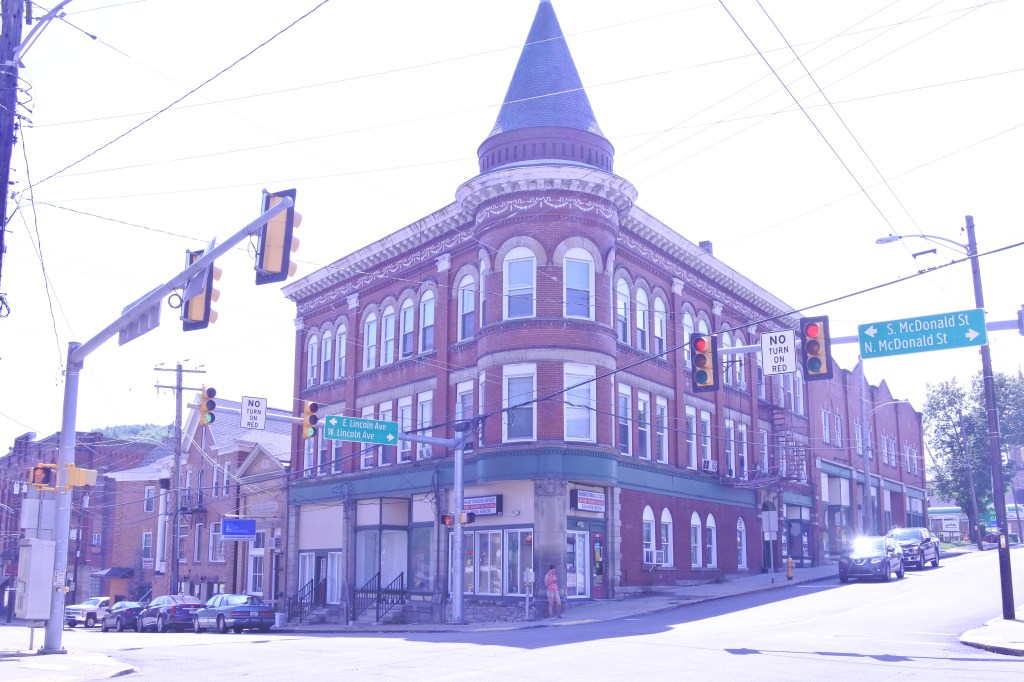
Washington PA has a long history going back to colonial times. Washington was first settled by colonists around 1768 by mostly Northern Irish and Scottish immigrants. It is not surprisingly then that an open rebellion broke out when the new US government decided to tax the Whiskey production in Western PA. This resulted in the well known ‘Whiskey Rebellion’ of 1791. Fortunately things settled down in Washington and the Washington & Jefferson (a small liberal arts college) was established and the town was incorporated as a borough in 1810. Washington is also located along the Marcellus Shale  formation and had several oil booms in its history including the turn of the 19th century and more recently.  Washington’s population peaked in 1950 at 26K souls but has decreased in half to only 13K today. Fortunately its decline slowed significantly between 2010 and 2020.

Given its significant population decline its not surprising there are many blighted areas of Washington, but it has not completely lost its form and many of the Downtown buildings (especially along Main St) are still in-tact. There are some signs of rebirth as population decline is slowing and new food and beverage businesses are opening again downtown. Washington also has several walkable schools with decent ratings, lots of affordable housing, and decent cultural and retail amenities. To become a quality urban environment again Washington needs more people and businesses. The City also suffers from a lack of any bike infrastructure, limited public transit access and park spaces, and a pretty high crime rate.

Click here to view my Album on Flickr

URBAN STRENGTHS:

* Good generational diversity (thanks in large part to the college) and economic diversity.
* Several walkable schools with decent ratings.
* Some rentals available and very affordable.1 & 2 -beds lease btwn 700K-1,000, and 3-beds btwn 1K-1.5K
* For sale is also very affordable . Very limited 1-bed product selling btwn 40K-75K. 2-beds btwn 50K-250K, 3 & 4 beds is similar but with some product selling btwn 250K-300K.
* ADA infrastructure is very good in parts and pretty bad in others.
* Culturally a decent # of restaurants & bars, a couple cafes breweries & art galleries, a couple local museums and local theaters. Washington also has a local symphony and good performing arts coming from Washing & Jefferson College.
* Decent but not great retail amenities including a Shop n Save and large Mexican grocerias & local farmer’s market, several dollar stores, a couple drug stores, several consignment shops & gift stores, a couple antique stores, several banks, a dwtn library & post office, a local hospital, and plenty of churches.
* Urban form and streetscaping is good in Dwtn but pretty poor outside of Dwtn. 

URBAN WEAKNESSES:

* Density is pretty low.
* There is a local; Washington Co transit system and a commuter bus to Dwtn but I sense its pretty limited. Commute takes over an hr to Dwtn. To drive to Dwtn Pittsburgh is 40 mins.
* No bike infrastructure here.
* Only one park within my evaluation area although there are several on the edges of the City. Pretty limited park amenities overall.
* Crime is high in spots but overall not terrible in Washington. Certainly areas of blight still remain.

Avalon, PA- A quaint Pittsburgh inner-ring suburb along the Ohio River

Avalon was incorporated as a distinct municipality in 1875 starting out as a small community of a couple hundred families. The City  was named after the legendary island of Avalon (“land of apples”) on account of there being several orchards in the area. By 1900 the borough reached 2,000 people and with the help of a streetcar and train line it reached 6,000 by 1940. Population maxed out at 7,000 souls in 1970 and Avalon has been losing people ever since and is down to 4,500 currently. Yet Avalon still feels very in tact and has been a recent destination of single family home renovations and strengthening real estate market.

Avalon also has decent main street buildings that with more investment in the community could lead to many more locally owned businesses and vibrancy. Other urban assets include: a good mix of affordable and moderately price rentals and for sale options thanks to the community’s flexible zoning laws, good tree canopy, solid parks, safety, excellent economic diversity, and decent historic architecture.

Urban areas where Avalon could improve include much more bike infrastructure, more retail and especially cultural amenities, and better urban massing along the state route 65, a very autocentric boulevard.

Click here to view my Avalon, PA album on Flickr

URBAN STRENGTHS:

* Sidewalks are on 95% of the streets but ADA current ramps are more often absent.
* Overall a pretty safe community.
* Excellent economic diversity and very good generational diversity.
* Good access to downtown with both good driving and bus access.
* Decent rental options and affordable. 1-beds lease for $700-1K, 2-beds around $1,000s  and 3-beds in the low $1,000s.
* Good for sale diversity as well with a good # of 1 bed condos selling btwn 50K-125K, 2 beds btwn 75K and high 100Ks, 3-beds a bit more expensive extending into the low 200Ks, and 4 & 5 beds into the high 200Ks and low 300Ks.
* Great tree canopy especially in the hillside areas.
* Solid park amenities around Spruce Run.
* Pretty good historic architecture.

URBAN WEAKNESSES:

* No bike lanes infrastructure.
* Cultural amenities are pretty limited to several restaurants & bars, and some chain coffee stores, a small local theater.
* Retail amenities are a bit better including several clothing stores, a bank, a drug store, florist, a couple barbershops & salons,  several auto centric businesses on 65 and walkable access to a supermarket (and many other amenities) that’s located in adjacent Bellevue.
* Decent but not great schools access with one well rated elementary schools and the schools in Bellevue (some school district) are somewhat walkable.
* Some very crummy modern in-fill along 65 but some good modern apartments/condos.
* Urban massing is a mixed bag. Pretty awful along 65 as its a auto centric blvd but very good massing along Lincoln Ave.

Emsworth, PA- a sleepy Pittsburgh historic suburb along the Ohio River

This small borough along the Ohio River in Allegheny County  Population arose in the 1870s and grew to 1,000 residents by 1900 taking advantage of its proximity to factory jobs along the Ohio and convenient rail service to Dwtn Pittsburgh. Emsworth’s population peaked in 1970 with just over 3,000 residents but has shrunk by about 1,000 souls. 

Emsworth’s attraction lies in its convenience to Dwtn; only a 15 minute drive and around a 30 minute bus ride to during commuting hours. It also has a stable set of single family homes in a quite and safe neighborhood setting. This has led to rising homes prices and it is now difficult to purchase a nice home here for less than 200K. But from an urban perspective there are lots of deficiencies mainly due to the Borough’s lack of retail and cultural amenities. Density is also low and ADA and bike infrastructure are lacking. My hope is that Emsworth and its neighboring inner ring suburbs urbanize and densify around improved public transit connections. There are plans by the Port Authority to re-open dedicated rail to the north Ohio river suburbs.

Click here to view my Emsworth Album on Flickr

URBAN STRENGTHS:

* Density access is so  but only a 15 minute drive to Dwtn and 20 minutes if you time the bus right. Oakland about 40 minutes by bus.
* Solid economic and generational diversity.
* Some nice historic homes but nothing spectacular.
* Solid tree canopy.
* For sale homes are moderately priced but stable. Product sells anywhere btwn high 100Ks to the low 300Ks.
* Emsworth Community Park is a solid and expansive park really nothing else.

URBAN WEAKNESSES:

* Urban density is rather poor.
* No dedicated bike lanes.
* ADA infrastructure and sidewalks are pretty hit or miss. Generally sidewalks but more often than not ADA infrastructure is not up to date.
* Limited racial diversity.
* Limited modern in-fill and most of it is auto centric.
* Some mixed-use development on Centre, which has decent urban, massing but most of the commercial is along state route 65 which is auto centric. It has sidewalks but they are located right next to fast moving traffic.
* The only school in the City is a small but quality Catholic High School. At least its walkable.
* Rentals are also moderately priced but very limited.
* Cultural amenities limited to a handful of restaurants, bars, a brewery, and a art gallery.
* Retail amenities limited to a handful of salons, a barber shop, a chiropractor, several churches, and some auto centric retail uses.

Olde Kensington- a renewed industrial hub on Philly’s Northside

Like most inner-city Philadelphia neighborhoods, Olde Kensington has roots in colonial Philadelphia. It was conceived in 1730 by  a wealthy provincial councilor named Anthony Palmer to become a mirror of upscale London, with regal sounding street names like Hanover, Prince (Girard) and Bishop (Berks). Gradually, however, it proximity to the waterfront and rail lines lent the neighborhood more to manufacturing and Olde Kensington ultimately became a quite the North Philly industrial hub centered along American St. One can still see vestiges of its regal ambitions with grand Italianate flats along 2nd Ave.

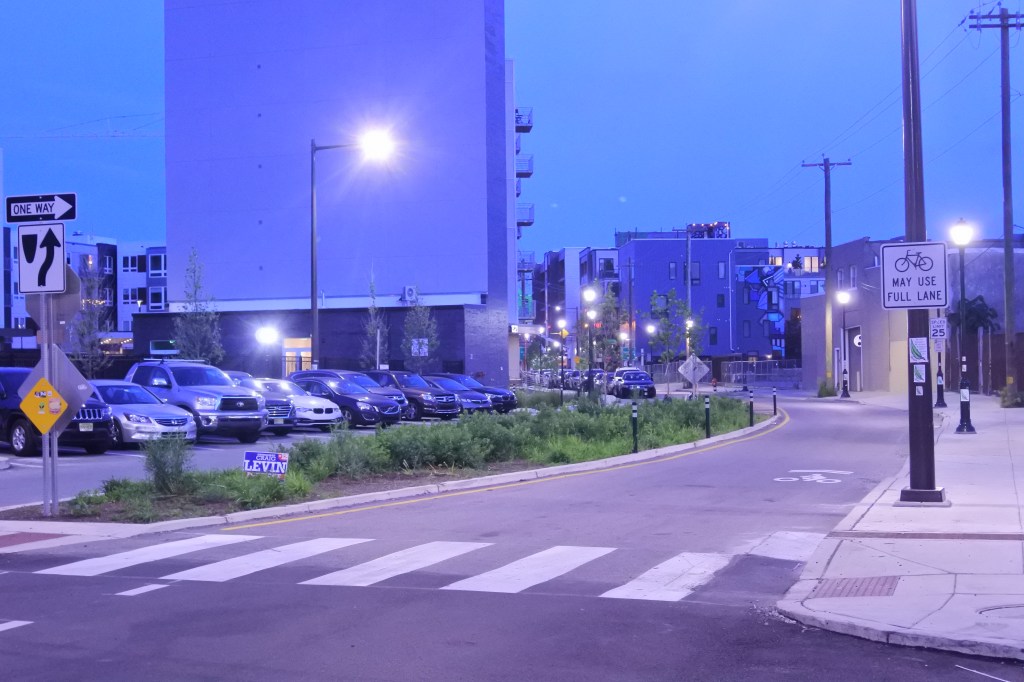
After World War II, the neighborhood began to decline due to deindustrialization and abandonment became commonplace in Olde Kensington, although not as widespread as other North Philly neighborhoods like Sharswood or Cecil B. Moore. Since the 2000s the gentrification of the surrounding districts of Northern Liberties and Fishtown spilled over into Olde Kensington drawn by its more affordable rents and loft spaces. Many industrial spaces have also been converted into artistic workspaces and interesting mixed-use buildings. The City recently made major infrastructure investments  along American St, giving it a road diet and adding dedicated bike lanes, and creating a boulevard. The neighborhood is now seeing significant renovation projects and in-fill leading to a rapid ride in housing costs.

The biggest missing piece in Olde Kensington from an urbanist perspective is more retail amenities. Girard is the closest thing the district has to a business district but its not very consistant. Park amenities and Bike infrastructure are also limited. I hope the district can produce more affordable housing to offset district’s rapid price increases. There are plenty of vacant lots remaining.


Click here to view my Olde Kensington Flick Album

URBAN STRENGTHS:

* ADA curbs are pretty consistant along the commercial streets but hit or miss on the residential streets. But better than most Philly neighborhoods.
* Great racial diversity. Also very good economic distribution but too high of a poverty rate (around 25%).
* Cultural amenities include a very diverse array of restaurants, several bars, distilleries, and breweries, a handful of art galleries, a couple local museums, and a local theater. Also convenient access to the plethora of cultural amenities in adjacent Northern Liberties and Fishtown.
* Neighborhood amenities include convenient access to Acheme Markets, many ethnic grocerias, several drug stores, several boutiques, convenient access to a couple post offices and a library, a couple bike stores. Several churches open across a decent diversity of denominations but not a ton. These are concentrated along Girard Street but decent mix of uses throughout. Also good access to amenities in surrounding districts like Fishtown and Northern Liberties.
* Only a handful of smaller schools within Olde Kensington but plenty in surrounding neighborhoods that are still very walkable.
* Generally very good architecture with the historic warehouses, a fair amount of more elaborate rowhouses mixed in and great urban in-fill.
* Urban massing is generally pretty good but some vacant lots and industrial uses still existing along American and Cecil B. Moore. Urban streetscaping is pretty tired and uninspiring with the major exception of American St. which is getting a complete make over and road diet. 

URBAN WEAKNESSES:

* Bike infrastructure a bit limited. Only dedicated lanes along American Street and a handful of dedicated bike stations.
* Generational diversity is deceit but not great.
* For sale prices are beginning to look like Northern Liberties in Olde Kensington, especially the eastern half and southern edge. Still some modest price homes selling in the high 200Ks and look 300Ks. There are mainly smaller condos/townhouses. The majority of homes selling anywhere between 400K-800K. These are either renovated or new product.
* Rentals are pretty expensive as well with 1-bedrooms leasing in the $1,000s, 2 bedrooms in the mid 1000s to low $2,000s. and 3-bedrooms in the 2Ks and low 3Ks. Some dedicated affordable apts are present here.
* Park amenities within and near Olde Kensington but there is the Hancock Playground  and Cruz playground/recreational center.
* No active hospitals within or adjacent to the neighborhood.
* Crime does not appear to be a major issue in Olde Kensington but still a decent amount of blight remains here.
* Tree canopy is wanting. 

Fishtown- One of my favorite Philly neighborhoods

Fishtown is a largely working class Irish Catholic neighborhood, but has recently seen a large influx of young urban professionals and gentrification. The name Fishtown derives from the major original occupation of its residents. Early settlers were fishermen and over time they controlled the fishing rights to both sides of the Delaware River from Cape May to the falls at Trenton, NJ. The neighborhood was originally built up by German immigrants in the early-mid 19th century followed by Polish and Irish Catholic immigrants in the late 19th century. Poverty grew in Fishtown in the 70s-80s after many good jobs left during the deindustrialization era, however many of Fishtown’s workers stayed keeping the neighborhood for slipping into widespread poverty like so many surrounding North Philly districts.

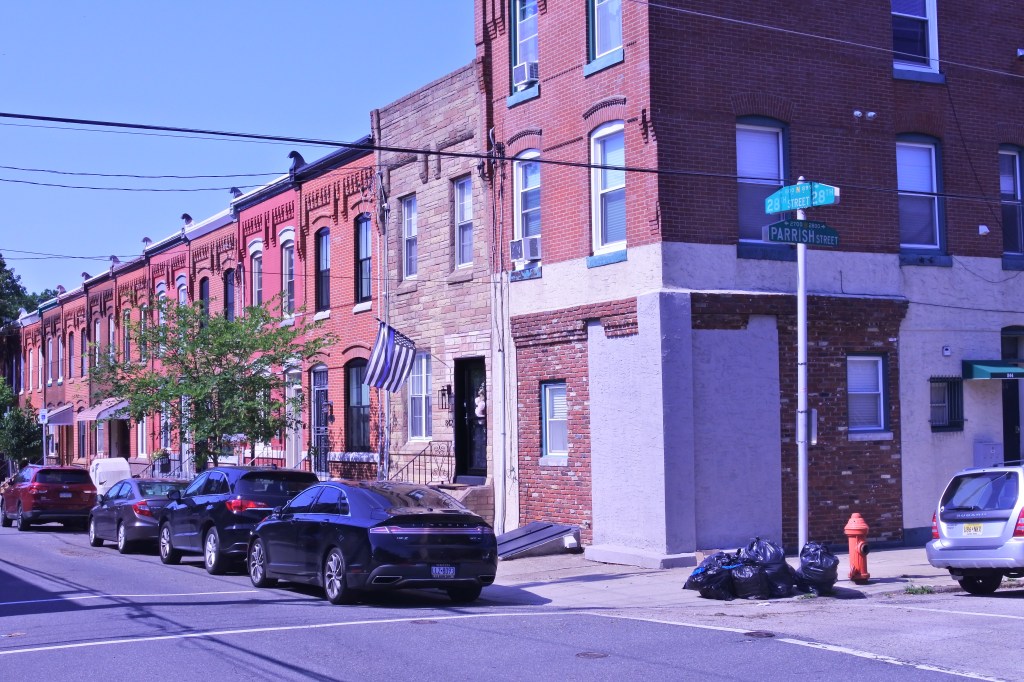
This neighborhood is one of my favorites in Philly. This may surprise some, but Fishtown’s recent revitalization builds upon an existing neighborhood with quality urban fabric. Fishtown is very similar to the better South Philly neighborhoods but it still retains good economic diversity and its improving its racial diversity. Housing is certainly increasing here but much lower the “hot” neighborhoods like Northern Liberties to the south. Plenty of 2 & 3 bedrooms selling for 200K/300K. Fishtown’s recent gentrification has certainly added to its retail and cultural amenities. My biggest concern for the future is that rising housing prices will spiral out of control as this is such an attractive urban area. City leaders would be wise to building a significant amount of affordable housing here immediately. Other urban metrics where the district could improve include better street trees and bike infrastructure, ADA curbs, and more generational diversity. 

Click here to view my Fishtown Album on Flickr

URBAN STRENGTHS:

* Excellent density at nearly 25K per square mile.
* Solid architecture both modern infill and historic buildings.
* Great access to Dwtn as its well connected to a heavy rail line, short drive, and very bikeable via Delaware Avenue.
* Bike infrastructure is good but not great. Delaware and York have dedicated lanes and a handful of dedicated bike stations.
* While housing is getting price here lots of for-sale variety and sales prices thanks to the diverse housing stock. Plenty of smaller 2 & 3 bedrooms (rowhouses & condos) selling in the 200Ks and low 300Ks in good condition. Medium sized renovations or new construction 3 & 4 bedrooms selling between 350-500K. Higher end and larger product selling between 500K-800K. This is mostly new construction.
* Nice array of well dispersed smaller/diverse parks. Decent riverfront park as well.
* Great cultural amenities including a plethora of restaurants, bars, breweries, and cafes. Also a good amount of art galleries, a couple local theaters and live music venues.  No museums though.
* Good retail amenities as well including several smaller grocerias, a food co-op, and two discount groceries. Also convenient access to Giant, which is just over the line in Northern Liberties. Other amenities include a couple drug stores, lots of banks, great array of unique and creative stores, boutiques, thrift stores, a post office, and public library.
* Lots of walkable elementary/middle schools in Fishtown w/ generally decent rankings. View high schools.
* Commercial districts generally have very good urban form but decent streetscaping.

URBAN WEAKNESSES:

* Good ADA infrastructure on commercial streets (Girard & Frankford) but hit or miss in the residential streets.
* Rentals are pretty plentiful but on the higher end. 1-bedrooms  lease in the low-mid $1,000s, 2-bedrooms generally in the high $1,000s and low $2,000s, and good amount of 3-bedrooms leasing anywhere between the high $1,000s and 3Ks.
* Some dedicated aff. housing but certainly less than ideal.
* Delaware Ave is pretty industrial and doesn’t have the best urban form or streetscaping. 

Poplar- Philly’s Northside district with aspirations to become a truly mixed-income neighborhood

Originally, the neighborhood was composed mostly of single-family row houses and with some industry and active commercial streets along Girard, Broad, Ridge, and Spring Garden. The depression interestingly lead to widespread disinvestment in Poplar several decades before its adjacent northside neighborhoods. This prompted the City to raze much of the historic fabric in the 1930s and build Richard Allen Homes, one of the City’s first large public housing projects. The Richard Allen Homes remained Poplar’s defining physical characteristic for the next several decades. Budget cuts by the City in the 60s lead to an egregious degree of deterioration compounded by poorly planned open spaces. This encouraged crime and gave Poplar notoriety as a center for crime and drug trafficking in the 1970s and 1980s. Allen Homes and the Cambridge Plaza high-rise were demolished in the early 2000s and replaced with more suburban-style duplexes and single-family homes. I find most of this replacement housing rather bland and unsensitive to the surrounding urban context, but the redevelopment appears to have greatly reduced blight and crime in the neighborhood.

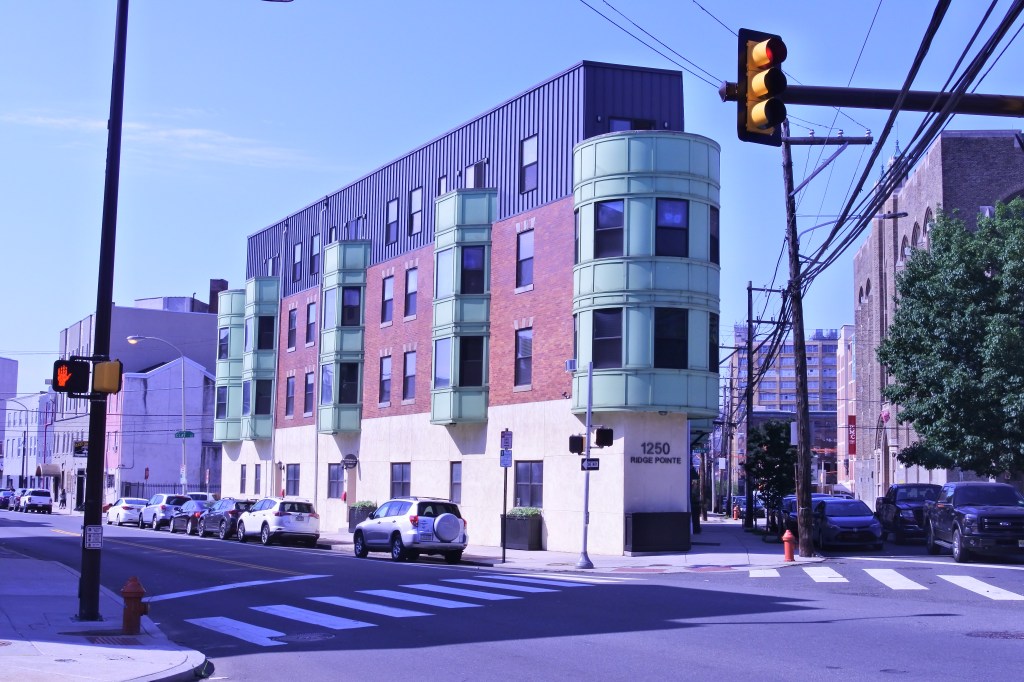
The edges of Poplar is where the best urban fabric remains. Broad Street still retains much of its grand mid-level urban fabric housing a good array of cultural amenities. Its intersection with Ridge Street has become an excellent urban node with TOD like development near the Fairmount Metro Station. Spring Garden is gritty but is becoming an interesting historic mixed-use area. There is also a good amount of historic rowhouses along the southern and eastern edges of the neighborhood. Girard Street is the least attractive thoroughfare sadly succumbing to the twin forces of blight and auto centric development. My hope is the neighborhood becomes a shinning example of a mixed-income neighborhood. Poplar already hosts a high percentage of affordable housing and has significant room of new market rate development. The neighborhood could use particular attention to building up its retail/neighborhood amenities along its commercial corridors, reconstructing Girard street, eliminating remaining blight, and creating more parks and recreational amenities.

Click here to view my Poplar Album in Flickr

URBAN STRENGTHS:

* Great public transit access and convenient access to Dwtn.
* Good array of dedicated bike lanes and a handful of bike stations in the district.
* Great racial diversity in the district.
* Tons of subsidized units. In really they probably make too high a pct% of the housing units but seem like a good building point as the district fills in with market rate housing. Market rate rentals concentrated along the SW edge, Girard Street, and the Poplar’s east border with Northern Liberties. Some 1-bedrooms leasing in the low to mid $1,000s. 2-bedroom are more plentiful and rent the whole range of $1,000s. Also some 3-bedrooms lease in the 1Ks and 2Ks.
* Decent tree cover helped by all the recent Public Housing Projects.
* Cultural amenities concentrated along Broad, Spring Garden and near Northern Liberties. They include a good array of restaurants, a decent # of bars, cafes & breweries, several art galleries, Philly MOCA, the Jewish Museum of Art, the Met and a couple live music venues.
* Retail amenities are ok. They include an Aldi’s but plenty of little grocerias, several drug stores, a public library, post office, a handful of banks and boutiques, and a Target just SE of the Poplar boundaries.
* Pretty good school options including several decent public and charter schools within the district. Easy access to several more in surrounding areas.

URBAN WEAKNESSES:

* Most intersections have curb cuts but most do not have up to date ADA curbs.
* Economic diversity seems to be slowly improving but still a very high poverty rate (42%). Family diversity not great. Only 30% of households are family households.
* For sale homes are very concentrated in the southern and east district edges. Decent amount of condos and smaller 2 & 3 bedroom flats selling in the high 200Ks and 300Ks. Should be more of this product however. At least 1/2 of the for sale product is larger/higher end homes selling between 400K-700K.
* Recreational amenities aren’t great but several worth mentioning including Poplar Park, the John F Street Community Center, an Carrie Turner Community Park. Some parks within a 1/3 mile of the districts boundaries.
* Good amount of blight still in the community but much of it cleared away by urban renewal. Girard def the most blighted/autocentric/uninspiring street in the district. Crime is prob still moderate but much better than past decades.
* The District’s best urban form and streetscaping is along Broad, Spring Garden and the Southern and eastern edges of the neighborhood. This is also where the best historic architecture lies.

Sharswood- North Philly’s next district to revitalize

Sharswood is a small neighborhood located between Cecil B. Moore, 25th Street, Ridge, and College Ave. The district is named after Georges Sharswood, a Pennsylvania jurist. The district is comprsied of mostly 3-story large rowhouses built in the 1870s-1890s. Like much of North Philly, the district experienced significant disinvestment starting in the 1960s. Sharswood was hit especially badly and has lost nearly all its business districts along Cecil B. Moore and Ridge Ave. The neighborhood has only recently begun its long path to revitalization starting with quality historic renovations and a sprinkling of infill rowhouses. The Philly Housing Authority is also investing heavily with its new headquarters and a mixed-use development along Ridge Ave.

Hopefully Sharswood’ revitalization continues with a healthy amount of affordable housing mixed in. Its seems to be moving in that directly. More of a challenge than building new housing will be recreating the district’s historic business districts along Ridge Ave and Cecil B. Moore. But the neighborhood has a lot going for it with its close proximity to Center City (2.5 miles) and stable adjacent districts to the west and south (Brewerytown and Francisville to the west and south). 
Click here to view my Sharswood Album on Flickr

URBAN STRENGTHS:

* Great public transit service and solid access to Central City.
* Solid racial and family diversity.
* Rental housing is certainly cheaper than most Philly neighborhoods but more than you expect with a district that still has a lot of blight and disinvestment. 1-bedrooms go in the lot-mid $1,000s. And 2-bedrooms in the mid-high $1,000s. 3 bedrooms around 2K. But this is nicely renovated apts. Plenty of affordable hsg in the neighborhood. The Housing Authority is currently constructing a new mixed-use development on Ridge Rd.
* For Sale prices are definitively on the upswing here, but still a good mix. Unrenovated 2&3 bedrooms selling in the high 100Ks and low 200s. Smaller but renovated homes selling in the 200ks-mid300Ks. Larger renovated or new build selling between mid 300Ks to about 500K. Few condo units.
* Good connectivity and decent neighborhood border but few landmark buildings or nodes to create a strong sense of imageability here.
* Mix of quality and bland modern infill. There is more and more quality contextual in-fill rowhouses popping up but also a large affordable housing development from the 1990s that is quite bland.
* Nothing special about the streetscape of Ridge and Cecil Moore but at least the sidewalks are in decent shape and new ADA curb cuts have been installed.
* Good density even though the district has largely emptied out from its historic peak population. 

URBAN WEAKNESSES:

* Most intersections have curb cuts but most do not have up to date ADA curbs.
* Bike access not great. The district does include a couple dedicated bike stations but no bike lanes.
* High poverty rate at 30% but still some economic diversity here.
* Tree cover isn’t that great here.
* Few parks within the district (other than a couple urban gardens and small plazas). A couple of nice recreational centers in nearby districts.
* Cultural amenities are limited as there are few restaurants, no bars or cafes. At least the district is within a mile of some descent biz district (Girard in Brewerytown and Broad St).
* Neighborhood services aren’t much better. But some services remain including a local pharmacy, plenty of mini marts/small grocerias, and a public library.
* Crime is certainly above average and plenty of blight here, even though some revitalization efforts are underway.
* A nice array of walkable schools within Sharwood but generally of poor quality.
* Urban form is good where buildings are still standing. Lots of vacant lots along Cecil Moore and Ridge, the historic biz districts.
* Sharswood is still considered a rough district but some buzz and new in-fill development started around 2019-2020. 

Brewerytown- Philly’s historic Germantown

I used the boundaries of Cecil B Moore and Popular to the north and south and Fairmount Park and N 25th to the west and east.  Brewerytown got its name because of the numerous breweries that were located along the Schuylkill River during the turn of 20th century. Proximity to the river and nearby farmland allowed these establishments to flourish. By the early 20th century Brewerytown was a thriving German settlement. Two world wars and prohibition certainly did a number on the German heritage of Brewerytown but its wasn’t until the 1970s that the neighborhood went down hill. North Philly’s economic depression spread to the district, especially the north and eastern edges. Sadly much of this was along racial lines.

Brewerytown benefitted from the slow revitalization expansion  of the Fairmount neighborhood from the south, although its pretty clear that the southern half of the district witnessed much less deterioration than the northern half.  Brewerytown’s biz district Girard Ave is an attractive in-tact district with a good mix of businesses and restaurants but definitively still gritty. Many of the breweries on the western edge of the district have been renovated into lofts and plenty of good infill as well. Master St is more or less the dividing street between blight and renovation. The contrast is stark juxtaposed with blocks that have new in-fill and others with almost none and plenty of vacant blocks.

Hopefully the renovation of the rest of Brewerytown continues to the northern and the eastern sections of the neighborhood. While this will certainly raise gentrification concerns there is actually a nice array of price points with for-sale options. Rental housing, however, is much more expensive. Hopefully affordable rental housing will be more intentionally built. Brewerytown could also use better bike infrastructure and tree cover, more consistant ADA infrastructure, a complex streetscaping rehaul on Girard, and more neighborhood services and cultural amenities. 
Click here to view my Brewerytown album on Flickr

URBAN STRENGTHS:

* Solid density.
* Good diversity especially economic diversity. The median income hovers around the City average of 47K. Mix of all types of incomes although still too much poverty (around 1/3 of households).
* Excellent array of price points of for sale housing. Good array of modest 1-3 bedroom flats and condos selling in the high 100Ks and 200Ks. Modest but well renovated or new construction selling in the 300KS and 400Ks. The top end of the market are large new (or recently renovated) 3 & 4 bedrooms selling in the 500Ks & 600k.
* Quality park and recreation assets esp. with Fairmount park on the neighborhood’s eastern border. Athletic Recreation Square also bring a rec center, pool, playground and Jefferson St. Park a basketball court & playground.
* Culturally a nice array of restaurants, bars, and cafes especially along Girard the district’s primary main street. Also a handful of art galleries and breweries.
* Solid neighborhood amenities including: a bike shops, a pharmacy, several local clothing stores, an ALDI’s supermarket, several hair salons, a butcher shop, a bank.
* A decent 3 of walkable schools within and nearby the district, but generally ranked poor or mediocre.
* Solid modern in-fill architecture particularly good with fitting into the existing urban form.
* Generally very good form including the main biz district along Girard. The vacant lots of the district northern and eastern edge certainly takes away from Brewery town’s overall urban form.

URBAN WEAKNESSES:

* Generally good ADA infrastructure limited ADA current ramps on residential districts.
* Bike infrastructure could be better. District includes one dedicated bike lane running along Fairmount Park and a handful of dedicated bike stations.
* Good array of rental housing but a bit on the expensive side. 1-bedrooms lease in the low-mid $1,000s. 2-bedrooms span the $1,000s topping out around 2K. 3-bedrooms a mix of the mid 1,000s to 2Ks.
* No theaters or museums within Brewerytown  but only about 1.5-2 miles from many options in Logan Square.
* Still a lot of blight and abandonment in the northern half of the district (north of Master’s Street). Amazing how start the change is from one block to another.
* Streetscaping is fine but nothing inspiring. I wish they would invest in a revamped streetscape along Girard.
* Tree cover is not great but not terrible. Certainly much to be desired including only a smattering of trees along Girard. 

Spring Garden- A Stately District in North Philly

 The Spring Garden district is between Fairmount Ave and Spring Garden St, Fairmount Park and Broad Street. The district goes back to the early 1800s as estates close to Fairmount Park were subdivided up and filled in. The district really took off between 1850 to 1876 and grew to over 60K. The district is still dense but hosts about half this population. Thanks to its extensive history, Spring Garden hosts a diverse array of attractive historic styles including Italianate, Second Empire, Queen Anne, and Venetian Gothic. Most streets contain the classic Philly “terraced” set ups with small gardened plots, often raised, in the front of homes. Most rowhouses are of the denser 3+4 story variety highly conducive to single floor flats.

Spring Garden is only 1 mile from City Hall, the heart of Central City. This gives the district convenient access to the many amenities of Central City (e.g. great museums, culture & night life, job access, park amenities, and even good retail options. Spring Garden also has solid neighborhood retail and restaurant options along Fairmount Ave. and Spring Garden St., many walkable schools, and quality urban form. Because of its convenient access to Central City its not surprising how expensive Spring Garden is. The district has decent racial and income diversity, but poor generational diversity as few families reside here. Other than creating more affordable housing, my hopes for Spring Garden is that it’s eastern border along Broad St. fills in with quality mixed-use development. This would bring more amenities and vibrancy to the district.
Click here to view my Spring Garden album on Flickr

URBAN STRENGTHS:

* Excellent multi-model options and very walkable neighborhood. Dwtn less than a mile away.
* Nice park assets with convenient access to Fairmount Park. The Spring Gardens and Clemente Park also provides a diversity of recreational amenities right in the middle of the district.
* Solid tree cover, especially the western half of the district. 
* Maybe a bit gritty along Broad St. but otherwise a very safe district.
* Excellent historic architecture, especially the mid-late 19th century mansions near Fairmount Park.
* Nice array of walkable school options both public and private covering most age groups. Also good access to some quality school options dwtn as well.
* Solid urban form in the biz districts. Good streetscaping on Broad, decent on Fairmount, but uninspiring along Spring Garden.
* Solid cultural amenities when one also includes the amenities within 1 mile walk. Within the district  there are a decent # of restaurants, bars, and cafes especially along Fairmount and Spring Garden. The neighborhood also hosts the Jewish Museum of  Art, the Philadelphia Museum of art and the quirky Keen Collection. One also needs to include the many museums located on the district’s southern border (e.g. Museum of Art, Barnes Foundation, Rodin Museum, Franklin Institute, and much more).
* Good retail amenities. Supermarket’s include a couple local stores, ALDI’s and Wholefoods, several drug stores. Other amenities include:  a hardware store, bookstore, plenty of banks, a bike store, boutiques, and a decent amount of unique stores along Fairmount and a Target only 1/4 mile from the district. 

URBAN WEAKNESSES:

* Generally good ADA infrastructure but up to date ADA curb ramps are missing at most intersections.
* Majority of residents are young adults and limited family households.
* Median incomes are pretty high but still a decent diversity of incomes.
* For sale housing is pretty expensive but a good amount of moderately priced 1 & 2 bedroom condos selling in the 200Ks, 300Ks & 400Ks. Some 3-bedrooms in the 500Ks & 600ks but plenty more expensive. 4-bedrooms start around 700K and go up into the low 1 Millions.
* While there is a good amount of  rentals they are pretty expensive. 1-bedrooms going in the low to mid $1,000s. 2-bedrooms high $1,000s and low 2Ks. 3 beds in the $2,000s.
* Modern in-fill is pretty limited but some nice contextual historic infill and modern condos near Fairmount Park.

Fairmount- An attractive Philly neighborhood well on the road to recovery

There are several sub-districts in Fairmount. I decided for evaluation purposes, due to size and individual identity, to include Francisville in this eval but to exclude Spring Garden as a separate district. The neighborhood boundaries are therefore Spring Garden to the South, Popular/Girard to the north, Broad to the east, and Pennsylvania Ave. to the west.

Prominent city families established countryseats in Fairmount in the 1700s & 1800s especially along the Schuylkill River. The Eastern State Penitentiary was built further inland in 1829. Development really came in force in the mid-late 19th century with the construction of many rowhouses to support a growing number of factories and breweries in the area. Francisville likely was a separate village established along a stagecoach stop.

Historically  Fairmount was home to working class and middle class families. A divide occurred in the 1960s where the eastern  half of the district (generally east of Corinth), primarily centered on the Francisville sub-district,  fell into disrepair and blight. West of Corinth remained stable. Sadly this was largely along racial lines. South of Fairmount Ave is the Spring Garden district which historically was a high-end district with larger flats. The western half of Fairmount also gentrified first. It is only within the past decade that areas east of Corinth have seen significant investment. Because of the deep distress of the neighborhood, investment is bringing an explosion of in-fill and thankfully of a high urban quality.

Most of the commercial amenities are along Fairmount Ave. Ridge Ave and Broad Ave were historically thriving business districts but are taking longer to recover than near by residential areas. In 5 years I’m confident that Ridge Ave will once again be a thriving biz district resembling Northern Liberties in many ways. Hopefully the same is true for Broad Avenue. That street is just to well built and iconic to remain blighted and underutilized.
Click here to view my Fairmount and Francisville Neighborhood on Flickr

URBAN STRENGTHS:

* Great Density, transit access, and overall walkability.
* Fairmount sits only 1-1.5 miles from Downtown.
* Good bike access with a bike lane along Fairmount Ave and Pennsylvania Ave along with several bike stations.
* Very attractive rowhouses with a mix of higher end and worker housing. Very attractive historic commercial bldgs along Broad St.
* Generally West of 22nd Street is most White and east is mostly Black. But the with revitalization, the line is being more blurred. Median income follows very similar lines.
* About 50% of households are family, a high pct for the City.
* Excellent modern in-fill with a high level of urban form closely resembling the form of historic buildings.
* Great access to the main recreational amenities of Fairmount Park, esp. the western half of the neighborhood. Also a nice recreational amenities at Francisville Playground (Rec center, pool, playground, and ballfield). Really no other rec spaces in the district.
* Fairmount, Broad, and Ridge are the main comm. areas but also some businesses mixed into residential areas in the western half of the District.
* Generally good urban in the biz districts but some auto centric dead spots along Broad and Ridge. Hopefully with rapid redevelopment (esp. on Ridge) these wholes will be filled in with good form.
* Good of array of decently rated schools. Lots of private school options. Girard College is basically a boarding school for the underprivileged.
* Solid cultural amenities when one also includes the amenities within 1 mile walk. Within the district  there are a decent # of restaurants, bars, and cafes especially along Fairmount. A couple great live music venues including the Met Philadelphia, and the South jazz club is just south of Fairmount. The district also hosts Eastern State Penitentiary. One also needs to include the many museums located on the neighborhood’s boundaries or within a mile walk (e.g. Museum of Art, Barnes Foundation, Rodin Museum, Franklin Institute, and much more).
* Solid retail amenities esp. when you include stores in adjacent district but walkable. There is an Aldi’s & Whole foods on the neighborhood’s edge and a small grocery within it. Other amenities include: a couple drug stores, a hardware store, bookstore, plenty of banks, and a decent amount of unique stores along Fairmount. Target is 0.5-1 from the district depending were you live. 

URBAN WEAKNESSES:

* For-sale Housing getting expensive but still a good amount of moderately priced housing existing. 2-3 bedroom rowhouses selling in the 300Ks & 400Ks Larger/newer or more renovated homes selling between 500K-800K.
* Lots of rental options but also pretty expensive. 1-bedrooms leasing around $1,000s and 2-bedrooms in the mid 1,000s-$2,000. Some dedicated rentals mixed in.
* Decent tree cover in the western half of Fairmount not so great around Francisville. Sadly this matched closely race and wealth lines of the two areas.
* Generally a safe community although still some blighted areas and rough patches along the eastern edges of the district.
* Generally good ADA infrastructure but some missing sidewalks (sometimes due to development) in Francisville and not consistent ADA modern ramps, esp. in the res. streets.