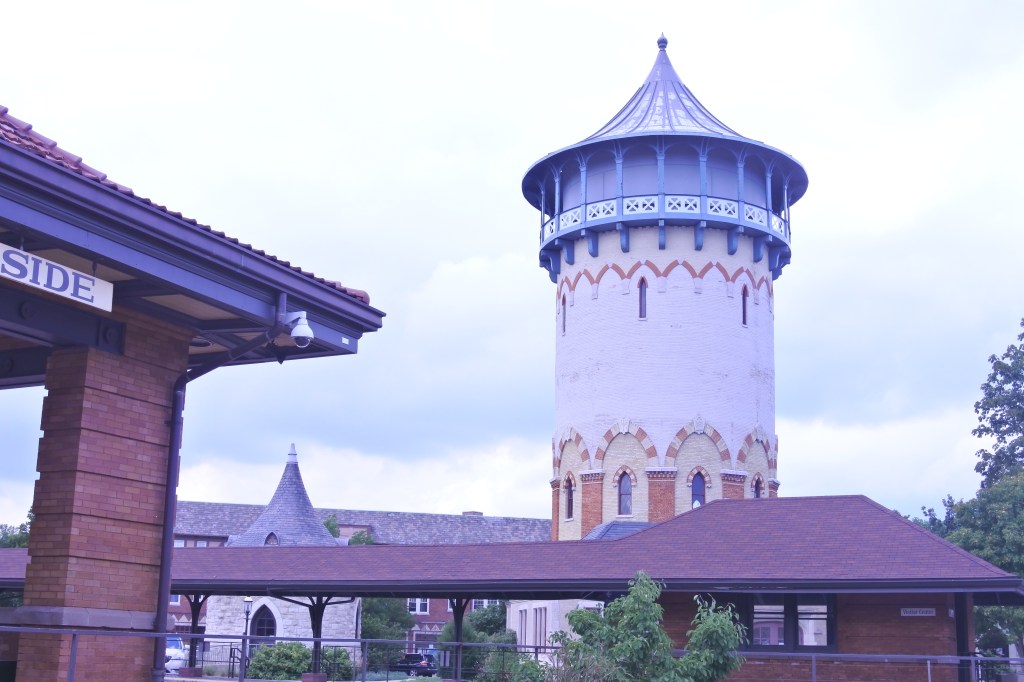
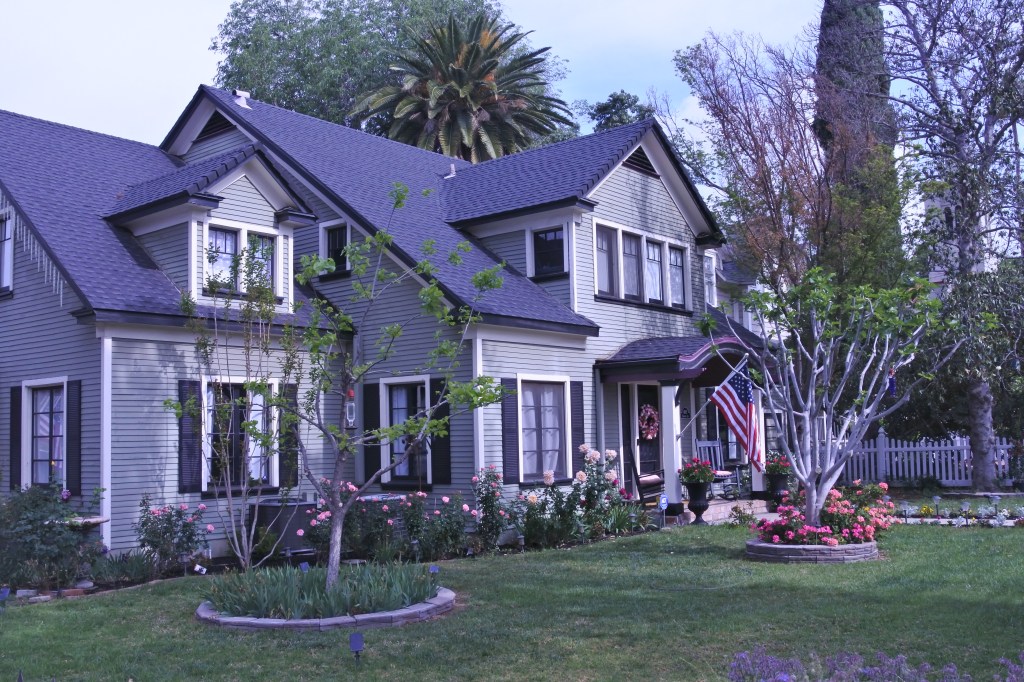
“Riverside and Brooklyn (neighborhood just to the north) saw modest growth until 1887, when the city of Jacksonville annexed them and established a streetcar line. The neighborhood really exploded between the Great Fire of 1901 and Florida’s real estate bust in the 1920s. This was a great period to develop architecturally as some many different revival styles were in vogue. Riverside probably contains the best diversity of historic home styles in all of Florida. Riverside and Avondale helped to preserve their architectural legacy by creating one of the City’s largest historic districts in 1974. Riverside also became a cultural center for Jacksonville’s LGBTQ population and is now one of the City’s most in-tact urban districts.
In additional to preserving many of its historic homes, Riverside all has three commercial districts making it one of Jacksonville’s most walkable neighborhoods. These districts include several blocks of King St. and the Five Points commercial district centered on Park St. and a more limited biz district along Stockton St. The neighborhood also has typical suburban amenities including good schools, safety, solid park space, and extensive tree canopy. The neighborhood excels at providing a diversity of for sale and rental options and price points and has solid cultural and retail amenities. Riverside escaped, for the most part, the post WWII disinvestment of many parts of the City except for the north edge of the neighborhood along I-10 where many homes are dilapidated or demolished. Not surprisingly this was the part for the neighborhood with the highest concentration of African Americans historically. This area is slowly rebounding but lacks sidewalk and ADA infrastructure. For Riverside to become a premiere urban district it needs additional density to drive better walkability and amenities. I’d also like to see more bike infrastructure and more park amenities in the north edge of the district.

Click here to view my Riverside and here to view my Five Points Albums on Flickr
URBAN STRENGTHS:
- Pretty good grid and connectivity.
- Go access to Dwtn across all modes of transit. Decent bike connection to Dwtn and pretty good transit service. Only a 10 M drive to Dwtn.
- ADA infrastructure is pretty good sidewalks exist on about 80% of streets (less so in the more blighted areas along I-10) and ADA standard curb cuts existing on about 40% of intersections with better consistency in the biz districts.
- Pretty good schools with several well rated elementary schools and a high school, albeit not rated well.
- Good for sale diversity including a good # of 1-bed condos that sell btwn 150K-330K, 2-beds sell btwn 100K-500K (some more expensive) with lots of diversity and 3 & 4 beds sell anywhere btwn 150K-1 M with some price mansions & bay front condos.
- Good amount of rental product and decent amount is moderately priced. 1-beds lease anywhere btwn $850-2K, 2-beds btwn $900-2.5K and a good # of 3-beds homes for a bit more.
- Overall very safe but some blighted areas remain around 1-10.
- Several quality parks but I’d like to see several more in the Northern edge of the district where none exist.
- solid tree canopy across most of the neighborhood.
- Lots of attractive historic homes throughout. Modern in-fill is pretty good but a decent amount of autocentric commercial uses.
- Excellent food & beverage amenities, several breweries, several art galleries, the Cummer Art Museum, a couple historic homes and several night clubs.
- Good retail amenities including a couple supermarkets, a farmers market, several drug stores, plenty of boutiques & gift shops, a couple book stores, banks, plenty of dessert shops, a couple gyms, several antique & home good stores, a public library, a major hospital, plenty of medical offices & churches.
URBAN STRENGTHS:
- No bike share stations in the neighborhood or across Jacksonville.
- So so density for an urban area.
- Some economic and racial diversity but the district is majority white and affluent with the exception of the low income parts near I-10. Neighborhood is also pretty old on average with limited family households.”
 Evaluating our Urban Communities [with a focus on America]