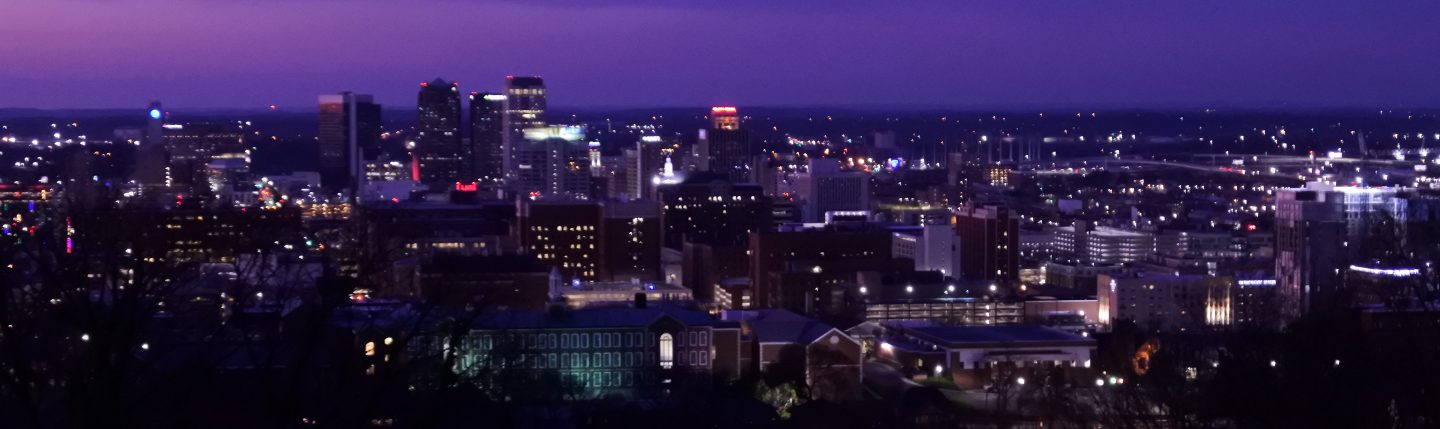
Bartow, FL- Largest city south of Tampa Bay in 1900, now part of the Lakeland Metro Area

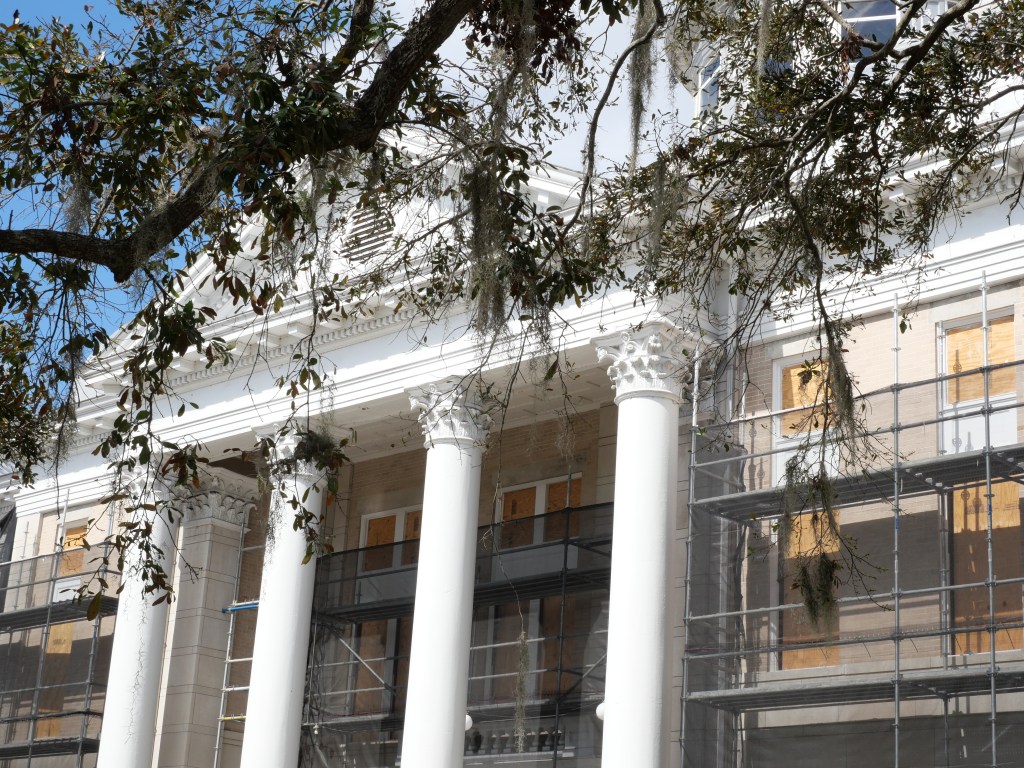
The City was found in 1851 as Fort Blount but this was quickly changed after the Civil War to rename it in honor of Francis S. Bartow, the first brigade commander of the Confederate Army to die in combat. Bartow recovered slowly from the war reaching only 400 residents by the 1880s and the first Polk County Courthouse was built in 1867 firmly establishing Bartow as the county seat. The 1880s and 1890s were a period of rapid growth moving the City’s population from 386 residents to 1,983. Bartow became a major hub of the phosphate industry and by the turn of the century, it was the most populous city south of Tampa on the Florida peninsula – larger than even Miami or West Palm Beach.  However, for most of the 20th century, Bartow’s growth was modest, especially in comparison to the rest of the county and state. This was largely due to the City being hemmed in by surrounding phosphate mining companies. By the 1910 Lakeland had surpassed it in population and Winter Haven surpassed it in 1950. Bartow is expecting to grow rapidly in the next decade thanks to the annexation of 18,000 acres of former phosphate mining land.

Bartow’s Main Street is by far its best urban attribute, lined with attractive early 20th century commercial buildings for several blocks. However, for a City that reached over 6K residents by WWII the surrounding residential and mixed/use streets are not particularly dense or urban filled with many parking lots, autocentric buildings, and missing sidewalks. The remaining population of what I consider to be Dwtn Barlow is just shy of 1,000 residents. While the Main Street remains strong, there hasn’t been a strong demand to live in the core of Bartow in the Post WWII era. This is reflected by the City’s Centers relative affordability where one can easily buy a 3-bed house a block from Main Street for 200K-300K. There are decent retail and cultural amenities Dwtn but a lack of walkable grocery stores or pharmacies and other standard retail amenities. The most important way to improve Dwtn Bartow is to build more housing, esp. apartments, which are very limited. This would drive better retail and cultural amenities and perhaps lead to more walkable schools in the City Center.
Click here to view my Bartow, FL Album on Flickr

URBAN STRENGTHS:

  • Solid diversity metrics for Bartow (which I reviewed Citywide). Solid racial diversity with large Black & Hispanic populations and excellent economic diversity. This is also a pretty “”young”” town for Florida standards with a good number of families.
  • Attractive historic architecture mixing lots of different residential styles form the late 19th century to the 1930s. Solid historic main street as well.
  • For sale homes are pretty affordable but no smaller condos available. 2-beds sell btwn 100K-250, 3 & 4 beds sell btwn 130K-500K.
  • Decent cultural amenities including a good number of restaurants, bars, and cafes. Also a couple breweries, an art gallery, several local museums and historic homes.
  • Decent retail amenities Good number of clothing & home good/gift stores, a couple antique stores, several dessert joins/bakeries, 3 bookstores, a handful of banks, a couple gyms, a dwtn post office, several churches. No walkable pharmacies, public library or grocery stores.
  • Excellent streetscaping along Main Street. Generally pretty good urban form along it as well. Urban form and streetscape drop off outside of Main street with more surface parking lots, autocentric buildings, and streets without sidewalks (even mixed-use streets).

URBAN WEAKNESSES:

  • Overall Sidewalk and especially ADA infrastructure are spotty in central Bartow. Only Main Street is consistent.
  • One can make the drive to Downtown Lakeland and Winter park in under 30 minutes but the bus ride is pretty awful (1-1.5 hrs.).
  • Not great population density at around 4K.
  • Very limited public transit. There is a nice bike route between Bartow and Lakeland but really no routes within the City of Bartow.
  • Really only one park in Dwtn Bartow, Ft. Blount Park. The larger parks in Bartow are all located on the edge of town and not walkable.
  • Apartments are very limited in Dwtn Bartow. Really only homes available for rental.
  • Walkable schools dwtn are limited to a well rated public elementary school and smaller parochial school. One has to drive to middle and high school options.
Dixieland- Lakeland’s first “Suburb”

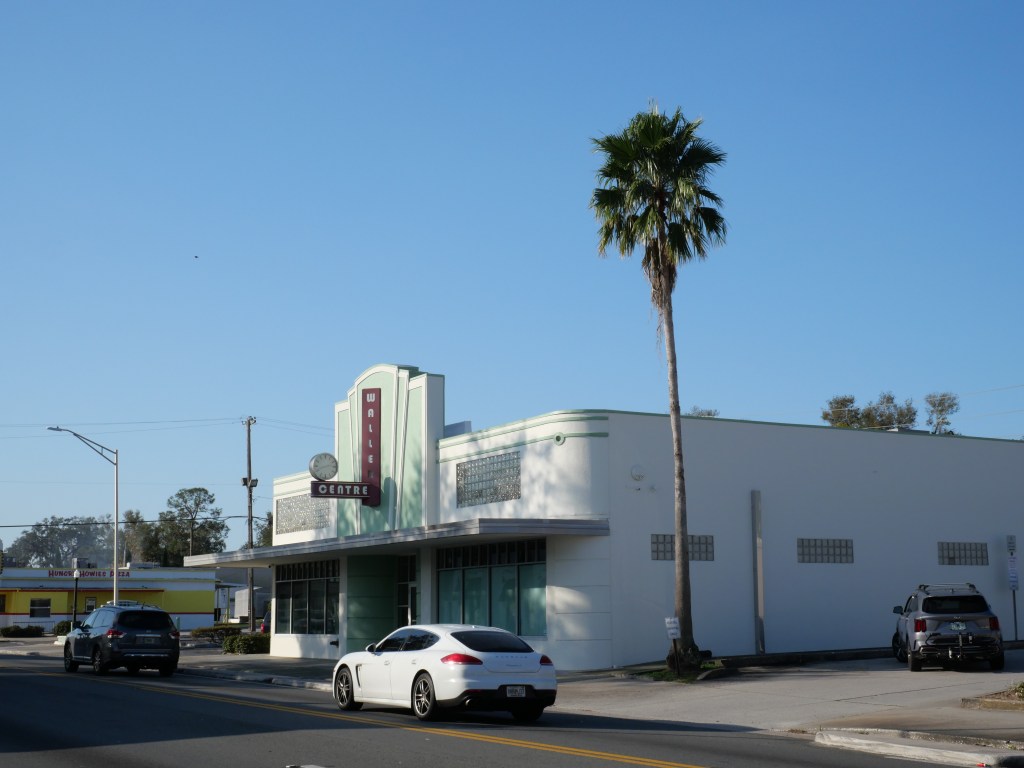
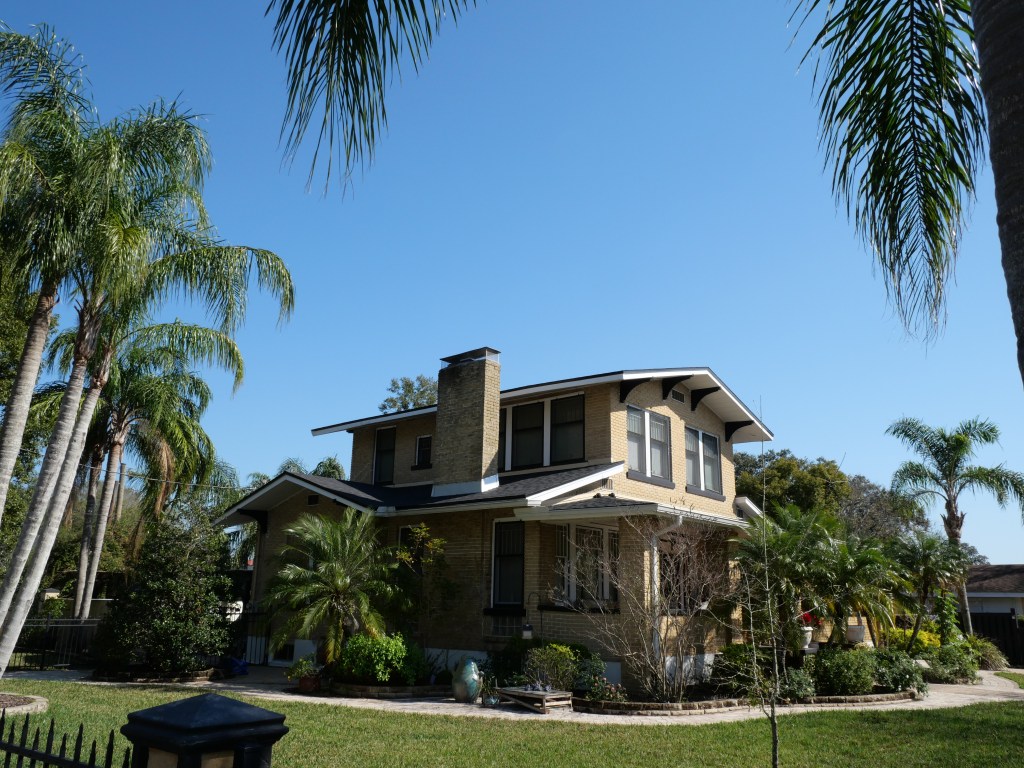
Dixieland like East Lake Morton and South Lake Morton, also contains a historic district that was designated in 1994. The Dixieland neighborhood was originally an area of 160 acres developed by Henry Bascum Carter and C. W. Deen in 1907. IT was referred to by the local press as a fashionable Lakeland suburb. The neighborhood really started filling in during the Florida housing boom of the 1920s with development ending around WWII.

For Lakeland standards, this is a solid inner city district. But East Lake Morton and South Lake Morton are much better urban districts. Dixieland’s best assets are its proximity to Dwtn, housing affordability, decent retail and cultural amenities thanks to Florida Avenue, and low levels of crime and vacancy. Dixieland has even lower density than East Lake/South Lake Morton, mediocre transit access, limited rental housing, hit or miss sidewalk and ADA infrastructure, limited bike lanes, and few walkable schools. Like East Lake/South Morton, Dixieland would greatly benefit from increased density but a change in mindset towards less car dependency would also greatly benefit the district.

Click here to view my Dixieland Album on Flickr

URBAN STRENGTHS:

* Solid historic residential buildings from the early 20th century. Some decent historic commercial architecture too.
*  Decent tree canopy.
* Most residents are only 1 mile from Dwtn.
* While there are really no 1-beds available plenty of 2 & 3 bedrooms with a good amount of affordable options ranging btwn 100K-350K. 3 & 4 beds sell for btwn 200K-600K.
* Solid park amenities including a couple medium sized parks and a nice rec trail along Lake Hunter.
* Solid historic residential buildings from the early 20th century. Some decent historic commercial architecture too.
* Decent tree canopy.
* Ok cultural amenities including several restaurants & bars, a couple cafes and the Pink Piano Bar. Also convenient access to Dwtn’s cultural amenities.
* Decent Retail amenities include a drug store, some boutiques & gift stores, an antique store, a local bookstore, a couple dessert joints, a local gym & church, and a couple health centers.
* Some low level crime issues but overall a pretty safe community with limited vacancy.

URBAN WEAKNESSES:

* Ok public transit access. Better the closer one gets to Dwtn.
* Decent amount of rentals. Only a handful of 1-beds the rent around 1K. More 2-beds that lease in the 1Ks. 3-beds lease for around 2K. Really no dedicated affordable housing options in the district.
* 6.0 Sidewalk and ADA curb cuts are hit or miss with pedestrian infrastructure deteriorating the further west you go in the district.
* Bike infrastructure largely doesn’t exist.
* Not great walkable schools. Several elementary/middle schools but all located on the edge of the district with mixed rating. No walkable high school.
* Population density is more on par with a post WWII suburb. 

East Lake Morton & South Lake Morton Historic Districts- Lakeland’s best Urban Neighborhoods

Both the East Lake Morton and South Lake Morton neighborhoods were designated as historic districts helping to preserved limited early 20th century residential architecture mostly consisting of bungalows and Arts & Crafts from the 1920s & 1930s. There are also examples of Victorian, Queen Anne, and Spanish Revival homes These neighborhoods by far, contain the best concentration of early 20th century architecture in Lakeland. From an urban perspective the density of the districts isn’t great but the neighborhoods are no more than 1.5 miles from Dwtn Lakeland with solid public transit and walking paths. The districts also boast decent housing diversity & affordability, good cultural amenities, solid tree canopy and high levels of safety.

Florida Ave forms the only consistent urban business district on the western edge of the South Lake Morton Historic District and it is a mixture of quality urban form and semi-auto centric form. Some mixed-use streets in East Lake Morton but no solid urban biz district here. At least the neighborhood is super convenient to Downtown. The neighborhood could use much better bike infrastructure, more walkable schools, better retail amenities, and a lot more density (which would make the aforementioned items more feasible). 

Click to view my East Lake Morton and South Lake Morton Historic District on Flickr

URBAN STRENGTHS:

* Excellent sidewalks and ADA curb in East Lake Morton. More hit or missing in Southern Lake Morton with some streets even without sidewalks.
* Downtown is no more than 1.5 miles away from the furthest points of the district and a very comfortable walk from Easter Lake Morton.
* The parts of the district closest to Dwtn have great public transit but this quickly drops off the further dwtn one is.
* Overall very safe communities esp. Southern Lake Morton.
* Attractive early 20th century architecture with a lot of variety in styles.
* Solid urban canopy esp. in Southern Lake Morton.
* Medium Income is a bit on the higher end but still a decent amount of income diversity.
* Decent rental options with a fair amount a 1-beds lease btwn 1K-1.5K, 2-beds btwn 1.5K-2K but 3-beds are limited. Some affordable rentals concentrated in East Lake Morton.
* Limited small condo options but decent amount of  2 beds sell btwn 200K-550K. Very diverse price point for 3 & 4 bedroom homes running anywhere from 200K-800K and some options for around 1 M
* Cultural amenities including a decent amount of restaurants, bars, cafes, and a couple breweries. The district also includes several museums (mostly art), a handful of theaters and live music, and the cultural amenities from Florida Southern College. Good access to the cultural amenities of Dwtn as well.

URBAN WEAKNESSES:

* So so density but not bad for a Florida urban district.
* Bike infrastructure is essentially non-existent.
* So so pedestrian activity.
* Decent residential infill but some unattractive autocentric bldgs along Florida Ave & S. Ingraham.
* Urban massing is hit or miss along Florida Ave. Urban massing is solid along residential streets.
* Decent diversity in East Lake Morton with sizable Hispanic and Black populations but Southern Lake Morton is mostly White.
* Parks are a bit limited but residents do have convenient access to three lakes (i.e. Morton, Mirror, and Hollingsworth. Nice recreation path surrounding Lakes Hollingsworth and Morton. Barnett Family Park is an excellent more formal park in East Lake Morton.
* Ok access to schools including several small elementary schools of mixed ratings. Now walkable high schools.
* So so retail amenities including some boutiques  & gift stores, a couple antiques, banks, a pharmacy, a couple bookstores, several dessert stores, a couple gyms, a handful of churches