Downtown Hartford, CT- More than just the Insurance Capitol of the World

I used pretty standard boundaries to measure Downtown Hartford, but excluded Downtown North of it is a mostly vacated district.

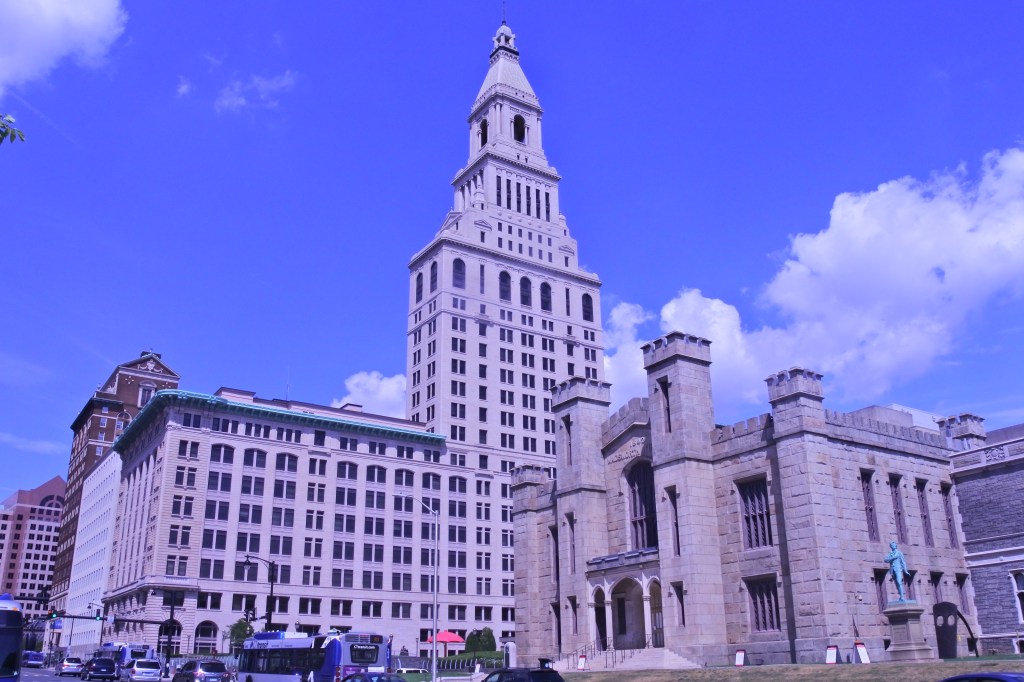
Downtown Hartford is similar to other east coast midsized cities like Syracuse, Albany, Scranton, Allenton… compact with great historic architecture, but still struggling to rebound from disinvestment. Yet Hartford still excels as a major employment hub hosting over 80K jobs bolstered by being the state capital and hosting many corporate headquarters. Insurance is one of Hartford’s strengths earning it the nickname the “Insurance Capital of the World”.

Dwtn Hartford also contains many great cultural amenities including a gorgeous statehouse, Fredric Olmsted designed park located right in its heart, a gorgeous historic train station and many museums including the Wadsworth Atheneum, the oldest public art museum in the US. Some live, work, play momentum has come within the last decade adding more vibrancy and night life. But dwtn Hartford still has a ways to go before being a truly mixed-use center. Plenty of parking lots in the NW section of Dwtn to in-fill with dense apartment buildings to help make this happen.

Other urban attributes Dwtn Hartford could improve upon include better bike infrastructure, more economic & racial diversity among its residents, a real civic gathering space, and more neighborhood amenities like a supermarket and larger format retail.
Click here to view my Downtown Hartford album on Flickr

URBAN STRENGTHS:

* Excellent public transit within Dwtn, Hartford City Limits, and well out the Hartford Metro area. Decent access btwn dwtn and the airport via an express bus line.
* For sale condos and flats are a bit limited but good diversity in price. 1-bedrooms sell in the 100Ks & low 200Ks. 2-bedrooms go for anywhere btwn 150K-400ks. 3-bedrooms are limited and diverse in price.
* Rentals are more plentiful generally pretty reasonable in price, esp. for an east cost town. Studios start around a $1,000, 1-bedrooms in the $1,000s, 2-bedrooms in the high $1,000s. 3-bedrooms are very limited. 
* Dwtn Hartford have their very owned Olmsted designed park (Bushnell Park) which in the middle of Downtown, This transitions into the statehouse grounds. Several other plazas in dwtn but most of them or pretty dead or bland modern plazas. None of these are viable civic plazas. Bushnell Park fulfills this role.
* Culturally a nice array of historic and boutique theaters, plenty of music venues, and a small theater. Also plenty of restaurants & bars, lots of museums, and some art galleries. 
* Most dwtn amenities are here including the main post office & library, convention center, and many governmental offices esp. as this is dwtn.
* Dwtn is very high for the size of the metro at 80K and it is the largest employment center in CT.
* Office vacancy rates are high though hovering around  18%.
* Pretty good retail amenities with boutiques and neighborhood amenities.
* Great historic architecture and one of my favorite statehouses.
* Curb cuts fill every intersection but a mix of current and date ADA infrastructure.
* Great good urban streetscape but dependent on whether the street has seen major investment.
* While not terribly vertical, this is a nice compact skyline.

URBAN WEAKNESSES:

* Hartford’s bike share system is generally disjointed and in small bits and pieces. Yes there are several large regional bike paths that pass through the Metro, but they aren’t built for commuters. A bike Share system appears to be in the works as of 2020.
* Downtown residential population definitively skews white and young professional.
* Sport venues are limited to a minor league baseball stadium.
* No department stores or supermarkets.
* Dwtn feels sketch in parts but generally pretty safe.
* Plenty of schools kind of within walking district west and south of dwtn but generally not well rated.
* Decent college enrollment dwtn with about 4,000 students at the community college and a dwtn branch of UConn.
* Modern architecture not bad but generally modern office bldgs with so  urban form.
* Tree canopy is so  but great coverage in Bushnell Park.
* Fair amount of surface parking lots in the NW section of Dwtn but good urban form in the rest of dwtn.
* Dwtn Hartford still has an image problem but this seems to be getting better.

Downtown Pontiac, MI

Click here to view the full Pontiac, MI album on Flickr
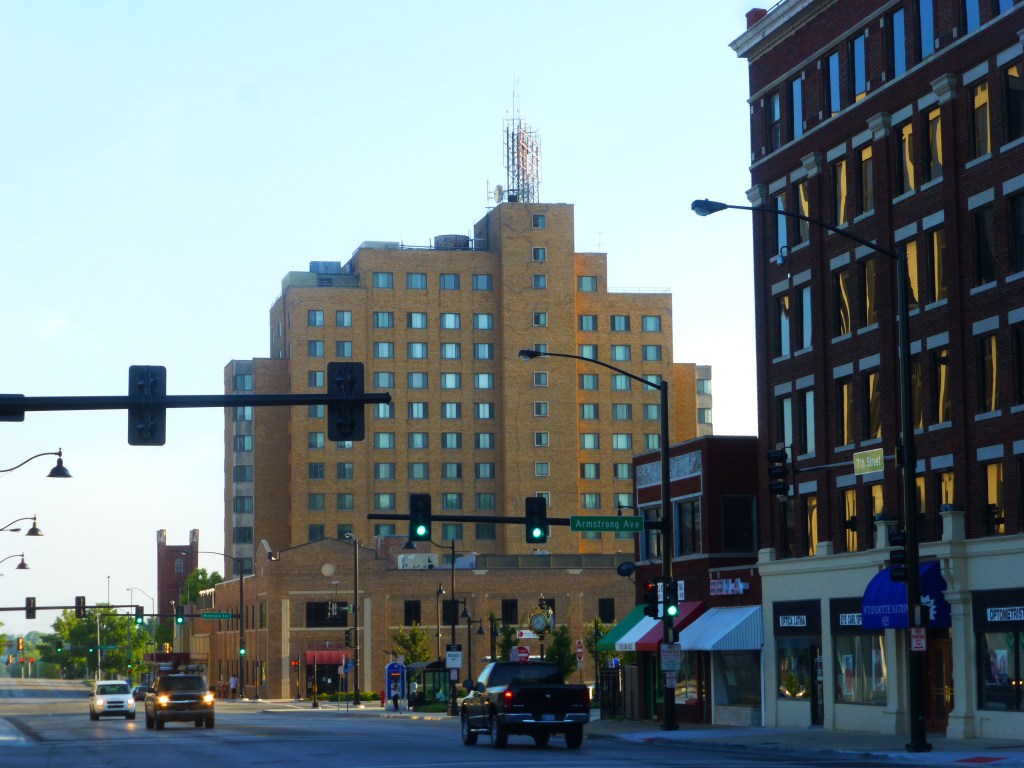
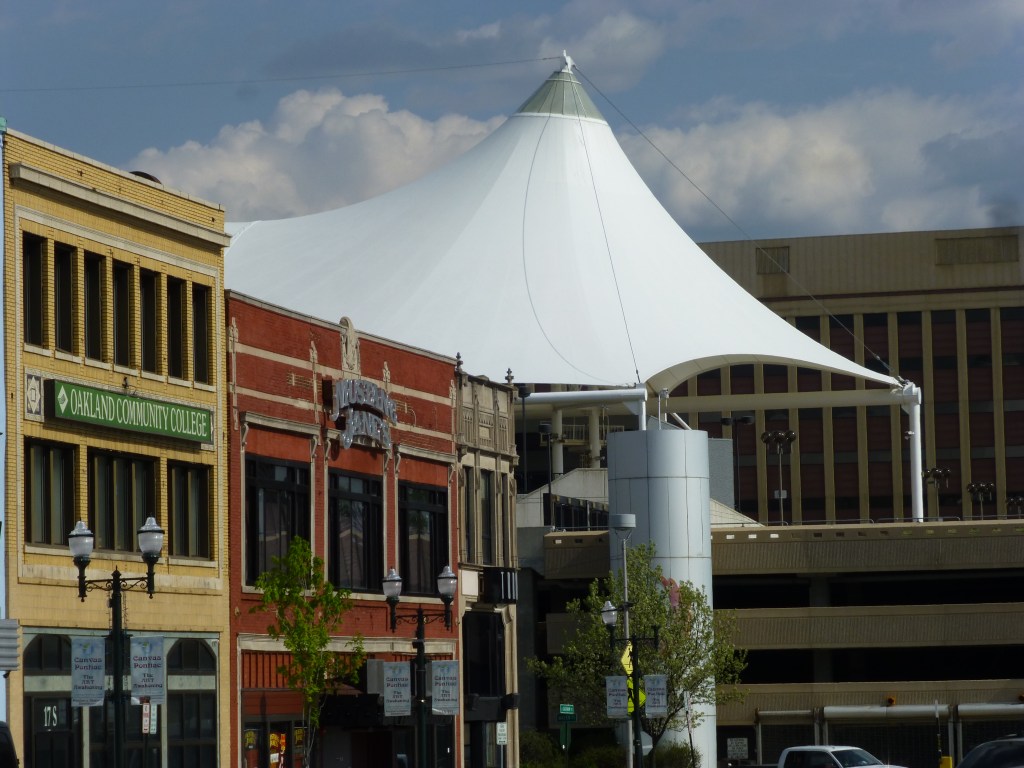
I decided to only review Dwtn Pontiac as that was mostly what I visited and because this is the most viable urban portion of Pontiac. During urban renewal Woodward was build as a loop around dwtn. I used this as the neighborhood’s boundary.

Founded in 1818, Pontiac is one of the earliest Michigan settlements. The city was best known for its General Motors auto plants from the early 20th century. Throughout the 1920s and 30s, Pontiac boomed with thousands of new autoworkers moving here from the South. Like many Michigan manufacturing towns, the town fell on hard times. But in 2010, city leaders and business owners had launched “The Rise of The Phoenix” initiative to attract new businesses and retail space. This has certainly gone a long way to stabilize downtown and fill it with many storefronts but plenty of underdeveloped and vacant parts of downtown, especially along the edges where the Woodward loop road destroyed significant urban fabric. Unfortunately neighborhoods in Pontiac have not seen a whole lot of reinvestment.

The way forward to make Downtown Pontiac a truly viable urban place is continued in-fill and population attraction. 

URBAN STRENGTHS:

*  Fair amount of jobs dwtn as Pontiac is the county seat. Also 30 minute drive to dwtn Detroit but takes just over an hour to commute via bus.
* Nice cultural assets including several historic theaters, some night clubs, and decent array of restaurants, bars, and breweries.
* Nice array of neighborhood services and boutiques in many filled historic storefronts. Also the public and a major hospital are located Downtown.
* Dwtn Pontiac generally feels safe but a fair of blight and vacancy on the edges of Dwtn.
* Several schools on the northern and eastern edge of dwtn. Mixed ratings but nice mix of K-12 Schools.
* Great urban fabric and streetscape along Saginaw, the main drag, but certainly lacking on the edges of Dwtn.

URBAN WEAKNESSES:

* New bike lanes have been added to dwtn Pontiac but still a long way to go for Pontiac to be bike friendly.
* The residential population is generally lower income and Black. But the dwtn caters to a diverse population for work and shopping. Decent generational diversity though
* For sale housing limited to the north edge of dwtn. Generally between 50K-100K. Rental product is also pretty limited but some nice apartments generally listing around 1,000 for 1-bedrooms.
* Interesting modernist plaza and amphitheater at the City centered on top of a parking lot. Really not other park/plaza space outside of this.
* No supermarket, post office, or drug store located downtown.

Royal Oak, a stable Detroit Streetcar suburb

Click here to view the full Royal Oak album on Flickr
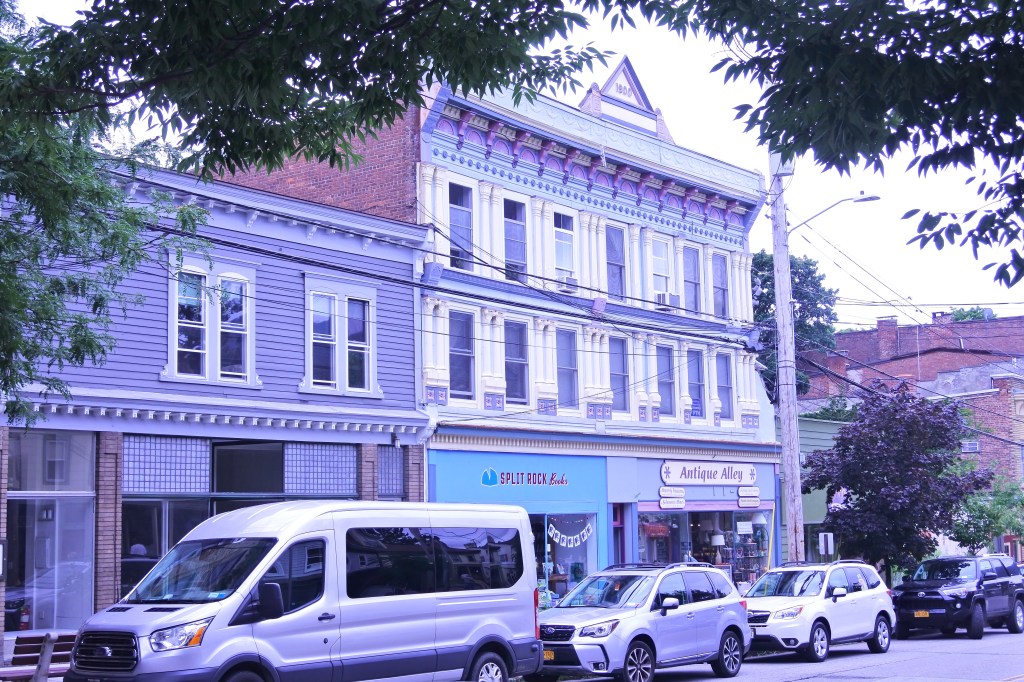
I am only evaluating the mostly pre-WWII section of Royal Oak, which is everything south of 12 Mile Ave. This includes the Royal Oak Dwtn and large neighborhoods surrounding it.

Royal Oak developed initially in the early 20th century as a suburb after Detroit boomed as a major industrial city. Low-medium density housing surround its traditional street-side shopping district which run between Washington and Troy. In the 2000s City leaders poured significant effort in revitalizing downtown with new businesses, restaurants, bars and high end stores. Significant mixed-use in-fill also filled downtown.

While already a stable upper middle class community, the City could improve with added density and urban in-fill along its commercial corridors (Main & 11th Street) out of downtown. 

URBAN STRENGTHS:

* Best transit access runs along Woodland Avenue on Royal Oak western border.
* Very good street connectivity in Royal Oak.
* Pretty good bike infrastructure with several streets of bike lanes and a fair amount of Detroit’s bike share stations around downtown.
* Good economic and generational diversity.
* Diverse array of rentals 1-bedrooms range anywhere from 800K-1.6K; 2-bedrooms between 1.3K-3K. 3-bedrooms generally in the 2-3Ks. Same with for-sale properties -bedroom condos sell between 250-325K, 2&3-bedrooms anywhere between 250K-550K.
* Nice array of small-medium high amenity parks spread through the City.
* Extensive Downtown for a historic suburb spanning several streets between Washington and Troy. Dwtn hosts a great array of neighborhood businesses, restaurants & bars, several historic theaters, a cinema, a dwtn post office
* Royal Oak also hosts several supermarkets & drug stores but not larger retailers.
* Dwtn hosts great urban fabric and streetscape. Outside of dwtn the commercial streets of Main or Eleven mile are semi-autocentric. Still have sidewalks but plenty of auto centric buildings.
* Nice array of pretty well schools within walking distance to most residents.
* Decent historic architecture but very high quality urban infill. 

URBAN WEAKNESSES

* Pretty easy access to Dwtn via the car but about a 45 minute transit ride.
* Racial diversity is pretty limited.
* Density is not great and more akin to a 1950 suburb, but that’s Detroit for you.
* Outside of Downtown, not a lot of pedestrian activity.

Palmer Park and the University District- Detroit’s wealthiest African American enclave

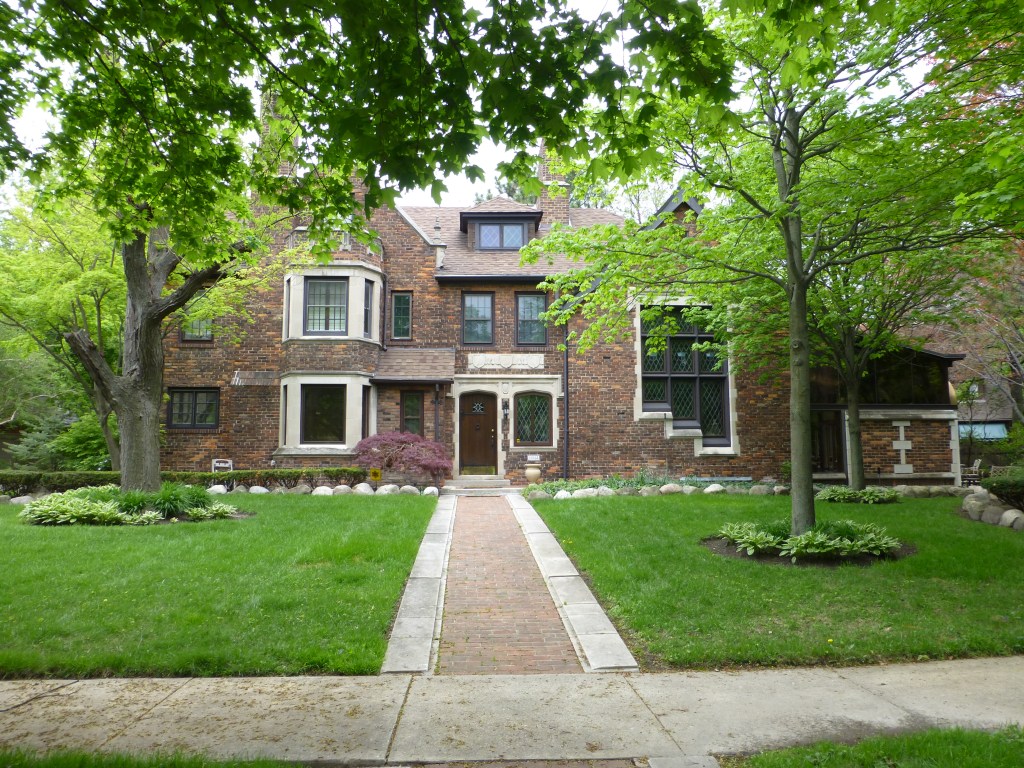
I included several linked and related districts surrounding Palmer Park including the Palmer Park Apartment  District, Palmer Woods, Sherwood Forest, and the University District. Sherwood Forest and Palmer Woods are large mansions districts built in the 1920s-1930s with sinuous streets. Palmer Woods hosts smaller but large homes on gridded streets from the same area. The Palmer Apt District hosts incredible 1910s-1930s historic apartments bldgs. Unfortunately many of them are abandonded.

This district is by far the wealthiest African American pocket within Detroit’s city limits. Because of this homes, are well maintained and generally sell between 300K-500K with a strong commercial district running along Livernois. Blight, however, is not far away creeping into the districts southern and eastern edges. Hopefully with a major urban infrastructure investment on Livernois and the neighborhood’s existing assets, this area can continue to stabilize and spill over into surrounding districts.

Major urban improvements to the neighborhood include the need for more density and urbanization of Woodward Avenue. Given Detroit’s current population trajectory, I don’t see this happening anytime soon but hope there will soon be urban in-fill going up along Livernois building off the street’s successes.
Click to view my Palmer Woods and Palmer Park Historic District Albums on Flickr

URBAN STRENGTHS:

* Good transit access and downtown access but still 8 miles away.
* Most intersection have up to date ADA Access.
* Some dedicated bike lanes running through Palmer Park and good coverage by Detroit’s bike sharing system.
* The Single Family portion of this district includes some of the high Medium Households in Detroit. The apartments surrounding Palmer Park are just above the poverty level.
* Lots of Family households here at around 75%.
* Palmer Park certainly provides excellent park amenities to this neighborhood. Also a large cemetery and two golf course, but guessing these are not as popular.
* Lots of restaurants, bars, cafes, boutiques, and neighborhood retail lining Livernois St on a decent urban setting (at least for Detroit standards). Major streetscape improvements in the works for Livernois as well.
* Livernois also hosts a supermarket, post office, library, and a nice mix of boutiques and neighborhood serving retail. On the other hand commercial amenities on Woodward on limited due to blight and auto centric design.
* There is both a great Catholic Elementary and High School in the neighborhood. Several public schools of mixed rating.

URBAN WEAKNESSES:

* Still some blight in the Palmer Apt District and along the Wood Ave Commercial District.
* Even with good transit and bike coverage the neighborhood is still pretty spreadout requiring long walking distances between destinations.
* About 85% African American households.
* Most homes are 4 bedrooms costing around 300K. Larger properties go for 500-600K. Keep in mind all of these are large homes with decent back yards.
* Rentals are limited outside of the Palmer Apt District. Very affordable rents here where at 20bedrooms goes for $900-1$,000.
* Other than bars and restaurants and some events at Detroit Mercy University, limited cultural amenities here.

Cleveland’s Lakefront Neighborhood Edgewater

Because of its location along the Lake and being on the westside of Cleveland, Edgewater never experienced serious blight and abandonment issues and has always been Cleveland’s more stable neighborhood with a rare pocket of wealth along the Lake and West Blvd. The neighborhood is now taking advantage of the general rise and interest in all of the westside of Cleveland north of 1-90. And by all measures it should be as this neighborhood has many attractive elements: decent walkable commercial district, good mix of housing stock and price point, great access to Edgewater Park and solid public transportation options with a 10 minute ride to downtown.
Click here to view the full Edgewater album on my Flickr Page
Because of its location along the Lake and being on the westside of Cleveland, Edgewater never experienced serious blight and abandonment issues and has always been Cleveland’s more stable neighborhood with a rare pocket of wealth along the Lake and West Blvd. The neighborhood is now taking advantage of the general rise and interest in all of the westside of Cleveland north of 1-90. And by all measures it should be as this neighborhood has many attractive elements: decent walkable commercial district, good mix of housing stock and price point, great access to Edgewater Park and solid public transportation options with a 10 minute ride to downtown.

URBAN STRENGTHS:

* Edgewater Park is easily accessible from many points of the neighborhood
* Beautiful early 20th century mansions along the lake north of Clifton, and large 4-5 bedroom homes between Clifton and Detroit. Lots of beautiful tutor style apartments on Lake and Detroit Avenues.
* Decent commercial Districts on Detroit and Clifton. Many important amenities on W 117 but it’s mostly auto-centric.
* Redline stop at Detroit and West Blvd. and good bus access on Detroit and Clifton.
* Good mix of for sale price points. Can easily find a 3-4 bedroom for 100-200K south of Lake and 300K and above if home is near or on the lakefront. Million dollar homes on Edgewater. Lots of affordable and mid-level rentals available. Can easily find a 2-bedroom for under 1,000 K.

URBAN WEAKNESSES:

* Most of W 117 is very auto centric
*  No bike lanes other than within Edgewater park, but the City now has a dockless system in place.
* Walk to decent commercial areas often more than 1-2 mile in neighborhood.
* Some rougher/ blighted areas south of the railroad tracks.

Harrison West, a charming village like neighborhood in Columbus, OH

Harrison West is the more sleepy version of its neighborhood Victorian Village. The district has good access to downtown, a modest commercial district with several good restaurants/bars, quality parks, good historic architecture and a great infill project called Harrison Park.
Click here to view all Harrison West photos on my Flickr Page

URBAN STRENGTHS:

* Good density at over 10K per sq mile
*Great access to downtown, decent bike lanes and transit lines
* Decent late 19th century wood and brick Architecture. Harrison Park redevelopment in-fill project, is also high quality.
* Vermont Park is a great asset (Blvd. park lined with beautiful historic homes).
* Good access to park space (i.e. Harrison Park, Harrison West Park, and Wheeler Memorial Park

URBAN WEAKNESSES:

* Commercial District on 3rd still lacks many neighborhood services
Could be built up more.
* What remains of the historic stock is very nice but much of the neighborhood was rebuilt in the 90s with mediocre historic in-fill
* Redevelopment efforts in the southern end of the neighborhood 

Oxford OH, home to Miami University and an attractive college town

I used the original square mile of the town as my boundaries as this encapsulates pretty well the historic boundaries of Oxford and the majority of its pre- WWII population. These boundaries also include the majority of Miami University, the reason for the town’s existence.

Miami University was chartered in 1809 and the town of Oxford laid out the following year. Thus the fortunes of town and university were inextricably linked since their founding. From an urbanist perspective historic Oxford is a pleasant mostly walkable environment including the bucolic Miami University Georgian campus, main street like Uptown, surrounded by historic but mostly college serving housing. Ringing historic Oxford on three sides is a well establish park system built along rivers and creeks.

The major urban downsides to Oxford is a lack of walkable schools (with the middle and high school located on the urban fringes), a lack of owner occupied housing in the city core, and distance from downtown Cincinnati, the hub City in urban metro to which Oxford belongs.
Click here for my full Oxford Album on Flick. Click here for my Miami University Album on Flickr.

URBAN STRENGTHS:

* Good public transit for a small town. Miami University provides excellent shuttle system.
* Augmenting the convenience of bike on campus there are several dedicated bike lanes outside of campus.
* The rental situation is different from a typical urban neighborhood as this is a college town. Because of this there are lots of rental options, albeit geared towards students. 1-bedrooms generally go for $600-$700 & 2-bedrooms in the low $1,000s. Entire houses rent in the $2,000s.
* Not a ton of dedicated public park space within historic Oxford other than Oxford Memorial Park but plenty of green space once you include all the quads and sport fields on Miami’s campus. Also a whole system of trails and greenways ringing historic Oxford.
* Culturally Oxford is enriched by the performing arts brought by the university. Outside of campus there is a community theater and plenty of bars and restaurants.
* High Street hosts a solid array of cafes, restaurants, bars, boutiques, and neighborhood serving retail. There is also a drug store, Ace Hardware, library, and post office located off high street. Locust street, the western edge of historic oxford is an auto centric strip but provides important conveniences such as a supermarket, Moon co-op, and other retail options.
* Quality architecture on both campus and off including a gorgeous Georgian themed campus, Italianate commercial on high street and good urban infill.
* Great tree canopy both on and off campus.

URBAN WEAKNESSES:

* Access to Dwtn Cincinnati is very inconvenient (50 mins) but the majority of Oxford residents work in Oxford. Dwtn Hamilton is also only 20 minutes away.
* Almost all for-sale property in historic Oxford are rental properties. Sadly one needs to resident in more suburban parts of town to find owner occupied property.
* Oxford Elementary is located just outside of the historic core. Unfortunately the middle school and high school are located on the edge of town, and thus are not walkable. 

Dayton Lane, historic home to Hamilton’s most prominent industrialists

Dayton-Lane is located just east of Downtown Hamilton between 5th St and Erie Blvd. The district includes an officially designated Historic District hosting mansions of some of Hamilton’s most prominent industrialists at the turn of the last century. Architectural styles include Queen Anne, Italianate, Second Empire, and Georgian Revival. The neighborhood also mixes in plenty of middle class homes and worker housing, a good example of how many turn of the century communities were built as truly mixed income districts out of the necessity of proximity before the creation of the automobile.

From an urban form perspective, Dayton Lane has decent density and convenient access to Downtown Hamilton. There is still a fair amount of blight here on the neighborhood edges and the district’s two commercial districts (i.e. Erie and High Street) are generally auto centric. Urbanizing these commercial districts with quality urban infill and permitting mixed-use development within the core of the neighborhood would go a long way towards improving Dayton Lane’s urbanity. 
Click here to view the full Dayton Lane Album on my Flickr Page

URBAN STRENGTHS:

* Highly convenient to Dwtn, only a 5-15 minute walk.
Good generational and racial diversity.
* Some of the best architecture in Hamilton and certain the best representation of late 19th century mansions.
* Crazy diversity in housing prices ranking from 25K for an old worker house to 300K for a large Victorian mansion.
* The neighborhood hosts a cafe, drug store and lots of chain restaurants along Main Street. Most of the district is no more than a 15 minute walk to all the Downtown amenities. 

URBAN WEAKNESSES:

* Bike infrastructure is non-existent.
* About 1/4 of the neighborhood is living in poverty. Interesting contrasts with wealthier households that own that large historic mansions.
* Neighborhood is a mix of well mentioned and gritty/blighted pockets. Because of this safety is still somewhat of a concern here.
* Rental product is a limited but very affordable.
* Only a couple pocket parks within Dayton Lane but the Smith Field sports complex and Greenwood Cemetery are walkable.
* The two commercial districts on the edges of Dayton Lane, High & Erie are pretty auto centric. High Street at least has usable sidewalks and some older buildings left. This does provide a fair amount of retail, albeit generally chains.
* A public elementary and middle school lie about 1/2-1 mile east of the neighborhood. 

Highland Park and Prospect Hill, great neighborhoods on Hamilton’s westside

Some points of interest include a resurging main street with new businesses filling historic buildings along the southern edge of Prospect Hill and lovely 1920s & 1930s housing in Highland Park. Many pleasant streets throughout Prospect Hill in the early 20th century. Prospect Hill also has very convenient walkable access to Downtown.

The biggest areas I’d like to see in Prospect Hill/Highland Park improve include building new mixed-use buildings to fill in the missing teeth along Main Street along with revitalizing the blighted portion of the district along the Miami River.

Click here to see my full Highland Park Album on Flickr

URBAN STRENGTHS:

* Great generational and economic diversity.
* For-sale housing is a mix of affordable and middle of the market with prices ranging from 50K-200K. Prices are most expensive in Highland Park with very affordable pockets in Prospect Hill in the more blighted areas closer to the Great Miami River.
* Decent amount of parks including the nice plaza along Main Street, extensive natural trails along two mile run, sport parts surrounding the middle school, and several neighborhood pocket parks.
* Nice urban commercial street along Main with a nice mix of urban retail including a cafe, several bars & restaurants, several boutiques, banks, a drug store, and lots of other neighborhood serving retail.
* Limited cultural amenities within Prospect Hill/Highland Park but one simply needs to walk 5-20 minutes to Dwtn to find this.
* Good architecture spanning the first half of the 20th century. Some blight in Prospect Hill, but not too bad.
* A public elementary, middle school, and high school are all located in Highland Park are ranked pretty well. No schools however in Prospect Hill. 

URBAN WEAKNESSES:

* Rental product is a bit limited but affordable. Concentrated in Prospect Hill. Highland Park is largely owner-occupied.
* Public transit access is limited.
* Limited amount of racial diversity.
* Generally a stable neighborhood but some blight along the River.
* Limited modern in-fill and what does exist is very auto centric. High Street becomes rather auto centric when passing through Highland Park. 

Rossville another gem in Hamilton Ohio

The neighborhood is located on the west side of the Great Miami River across from downtown. The neighborhood takes its name from the old town of Rossville used prior to its merger with the City of Hamilton in 1854. There are still some gorgeous mid to late 19th century structures remaining today, which helps Rossville retain a solid urban fabric.

Some points of interest include a resurging main street with new businesses filling historic buildings and the large mansions lining South ‘D’ Street. Many pleasant streets throughout Rossville spanning many decades before WWII. Also very convenient walkable access to Downtown.

The biggest areas I’d like to see Rossville improve include building new mixed-use buildings to fill in the missing teeth along Main Street along with revitalizing the blighted portion of the district along the Miami River.
Click here to view the entire Rossville album on my Flickr page

URBAN STRENGTHS:

* Very diverse for-sale housing stock ranging in price from 50K-300K for large historic mansions.
* Great generational and economic diversity.
* Decent amount of parks including a riverfront park, a nice plaza along Main Street, and several larger parks that are mostly fields.
* Nice urban commercial street along Main with a nice mix of urban retail including a cafe, several bars & restaurants, several boutiques, banks, a drug store, and lots of other neighborhood serving retail.
* Limited cultural amenities within Rossville but one simply needs to walk 5-10 minutes to Dwtn to find this.
* Quality historic architecture from many different eras.

URBAN WEAKNESSES:

* Rentals are very affordable here but not a lot of product.
* Limited amount of racial diversity.
* Generally a stable neighborhood but some blight along the River.
* Not great walkable access to schools here.
* Limited modern in-fill and what does exist is very auto centric.