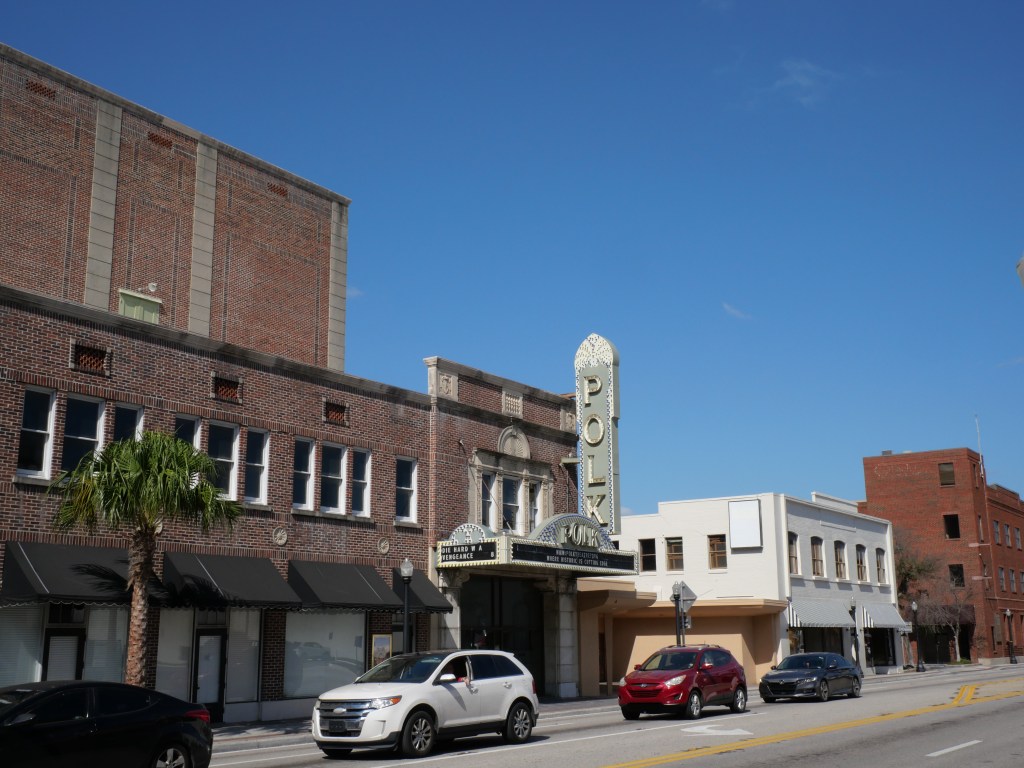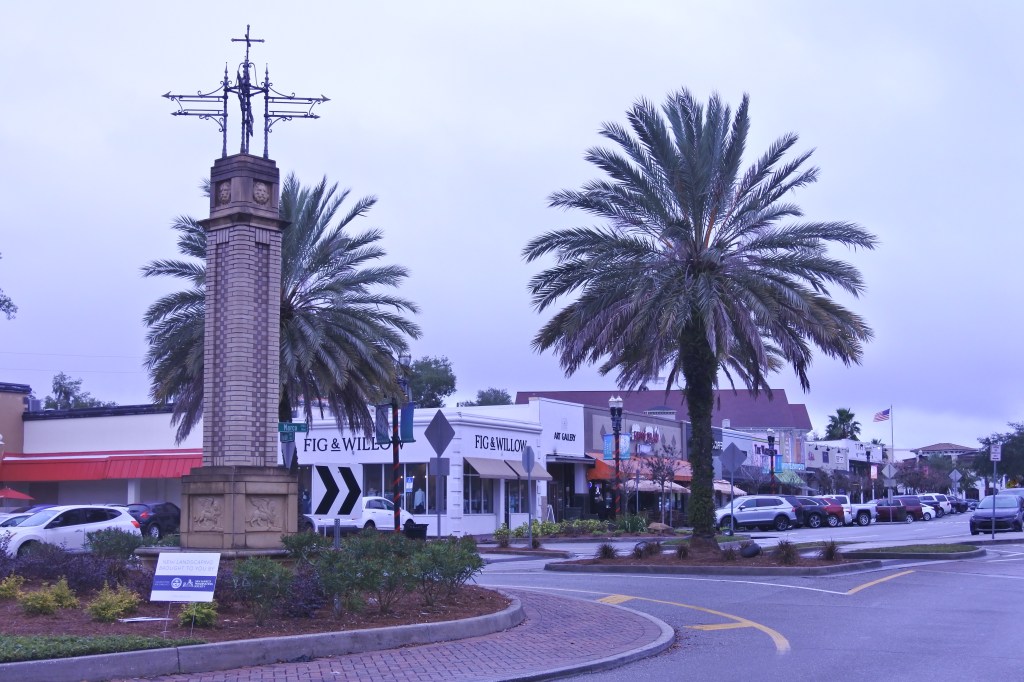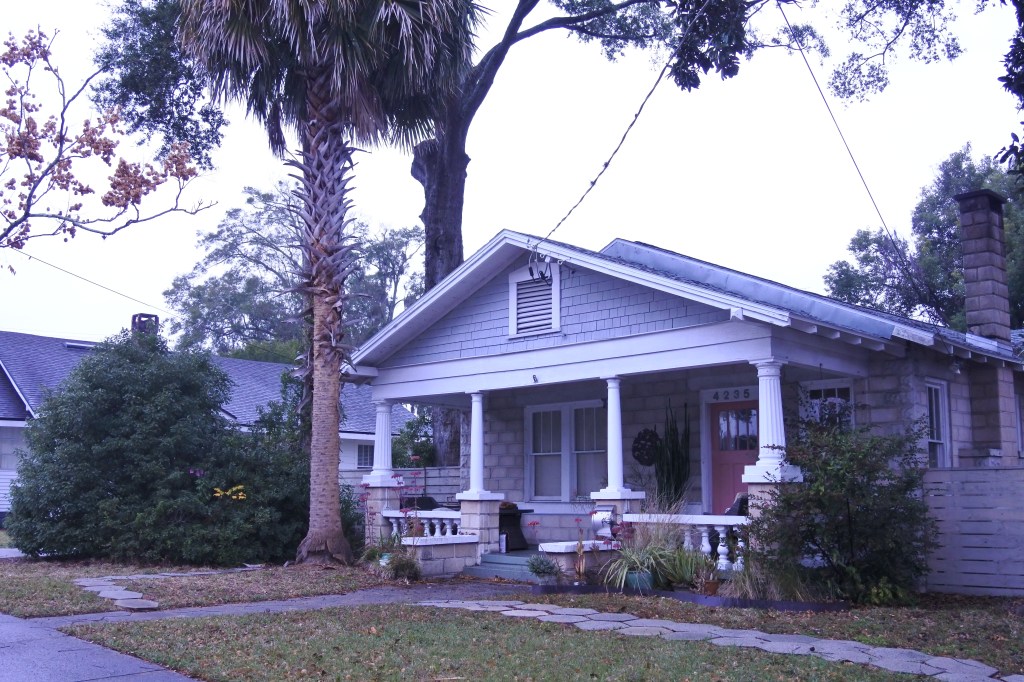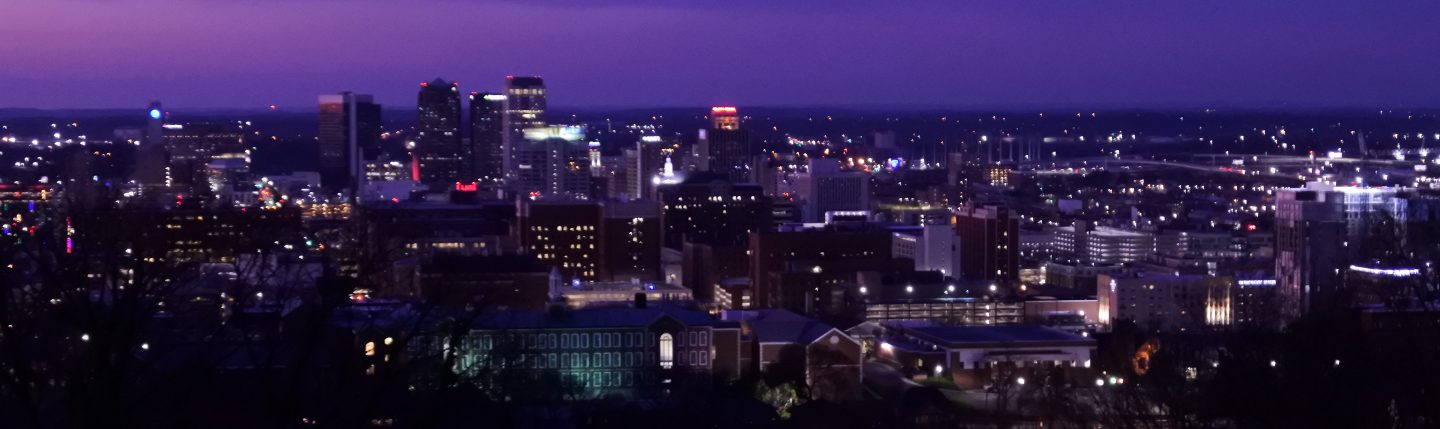
Bartow, FL- Largest city south of Tampa Bay in 1900, now part of the Lakeland Metro Area

The City was found in 1851 as Fort Blount but this was quickly changed after the Civil War to rename it in honor of Francis S. Bartow, the first brigade commander of the Confederate Army to die in combat. Bartow recovered slowly from the war reaching only 400 residents by the 1880s and the first Polk County Courthouse was built in 1867 firmly establishing Bartow as the county seat. The 1880s and 1890s were a period of rapid growth moving the City’s population from 386 residents to 1,983. Bartow became a major hub of the phosphate industry and by the turn of the century, it was the most populous city south of Tampa on the Florida peninsula – larger than even Miami or West Palm Beach.  However, for most of the 20th century, Bartow’s growth was modest, especially in comparison to the rest of the county and state. This was largely due to the City being hemmed in by surrounding phosphate mining companies. By the 1910 Lakeland had surpassed it in population and Winter Haven surpassed it in 1950. Bartow is expecting to grow rapidly in the next decade thanks to the annexation of 18,000 acres of former phosphate mining land.

Bartow’s Main Street is by far its best urban attribute, lined with attractive early 20th century commercial buildings for several blocks. However, for a City that reached over 6K residents by WWII the surrounding residential and mixed/use streets are not particularly dense or urban filled with many parking lots, autocentric buildings, and missing sidewalks. The remaining population of what I consider to be Dwtn Barlow is just shy of 1,000 residents. While the Main Street remains strong, there hasn’t been a strong demand to live in the core of Bartow in the Post WWII era. This is reflected by the City’s Centers relative affordability where one can easily buy a 3-bed house a block from Main Street for 200K-300K. There are decent retail and cultural amenities Dwtn but a lack of walkable grocery stores or pharmacies and other standard retail amenities. The most important way to improve Dwtn Bartow is to build more housing, esp. apartments, which are very limited. This would drive better retail and cultural amenities and perhaps lead to more walkable schools in the City Center.
Click here to view my Bartow, FL Album on Flickr

URBAN STRENGTHS:

  • Solid diversity metrics for Bartow (which I reviewed Citywide). Solid racial diversity with large Black & Hispanic populations and excellent economic diversity. This is also a pretty “”young”” town for Florida standards with a good number of families.
  • Attractive historic architecture mixing lots of different residential styles form the late 19th century to the 1930s. Solid historic main street as well.
  • For sale homes are pretty affordable but no smaller condos available. 2-beds sell btwn 100K-250, 3 & 4 beds sell btwn 130K-500K.
  • Decent cultural amenities including a good number of restaurants, bars, and cafes. Also a couple breweries, an art gallery, several local museums and historic homes.
  • Decent retail amenities Good number of clothing & home good/gift stores, a couple antique stores, several dessert joins/bakeries, 3 bookstores, a handful of banks, a couple gyms, a dwtn post office, several churches. No walkable pharmacies, public library or grocery stores.
  • Excellent streetscaping along Main Street. Generally pretty good urban form along it as well. Urban form and streetscape drop off outside of Main street with more surface parking lots, autocentric buildings, and streets without sidewalks (even mixed-use streets).

URBAN WEAKNESSES:

  • Overall Sidewalk and especially ADA infrastructure are spotty in central Bartow. Only Main Street is consistent.
  • One can make the drive to Downtown Lakeland and Winter park in under 30 minutes but the bus ride is pretty awful (1-1.5 hrs.).
  • Not great population density at around 4K.
  • Very limited public transit. There is a nice bike route between Bartow and Lakeland but really no routes within the City of Bartow.
  • Really only one park in Dwtn Bartow, Ft. Blount Park. The larger parks in Bartow are all located on the edge of town and not walkable.
  • Apartments are very limited in Dwtn Bartow. Really only homes available for rental.
  • Walkable schools dwtn are limited to a well rated public elementary school and smaller parochial school. One has to drive to middle and high school options.
Dixieland- Lakeland’s first “Suburb”

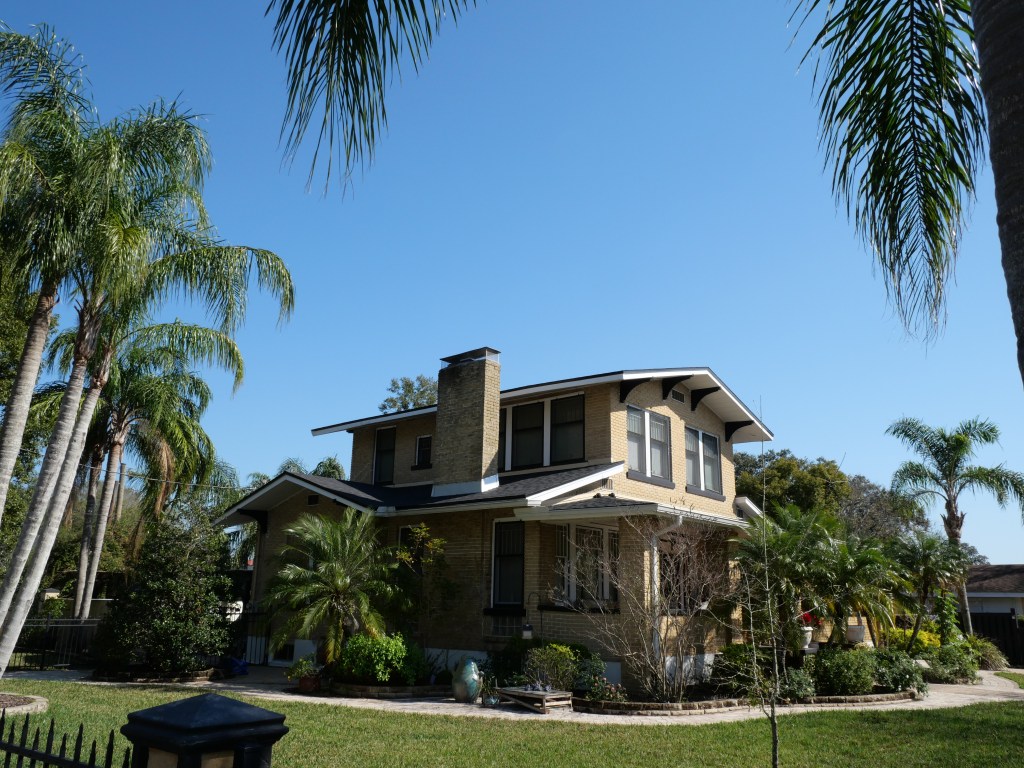
Dixieland like East Lake Morton and South Lake Morton, also contains a historic district that was designated in 1994. The Dixieland neighborhood was originally an area of 160 acres developed by Henry Bascum Carter and C. W. Deen in 1907. IT was referred to by the local press as a fashionable Lakeland suburb. The neighborhood really started filling in during the Florida housing boom of the 1920s with development ending around WWII.

For Lakeland standards, this is a solid inner city district. But East Lake Morton and South Lake Morton are much better urban districts. Dixieland’s best assets are its proximity to Dwtn, housing affordability, decent retail and cultural amenities thanks to Florida Avenue, and low levels of crime and vacancy. Dixieland has even lower density than East Lake/South Lake Morton, mediocre transit access, limited rental housing, hit or miss sidewalk and ADA infrastructure, limited bike lanes, and few walkable schools. Like East Lake/South Morton, Dixieland would greatly benefit from increased density but a change in mindset towards less car dependency would also greatly benefit the district.

Click here to view my Dixieland Album on Flickr

URBAN STRENGTHS:

* Solid historic residential buildings from the early 20th century. Some decent historic commercial architecture too.
*  Decent tree canopy.
* Most residents are only 1 mile from Dwtn.
* While there are really no 1-beds available plenty of 2 & 3 bedrooms with a good amount of affordable options ranging btwn 100K-350K. 3 & 4 beds sell for btwn 200K-600K.
* Solid park amenities including a couple medium sized parks and a nice rec trail along Lake Hunter.
* Solid historic residential buildings from the early 20th century. Some decent historic commercial architecture too.
* Decent tree canopy.
* Ok cultural amenities including several restaurants & bars, a couple cafes and the Pink Piano Bar. Also convenient access to Dwtn’s cultural amenities.
* Decent Retail amenities include a drug store, some boutiques & gift stores, an antique store, a local bookstore, a couple dessert joints, a local gym & church, and a couple health centers.
* Some low level crime issues but overall a pretty safe community with limited vacancy.

URBAN WEAKNESSES:

* Ok public transit access. Better the closer one gets to Dwtn.
* Decent amount of rentals. Only a handful of 1-beds the rent around 1K. More 2-beds that lease in the 1Ks. 3-beds lease for around 2K. Really no dedicated affordable housing options in the district.
* 6.0 Sidewalk and ADA curb cuts are hit or miss with pedestrian infrastructure deteriorating the further west you go in the district.
* Bike infrastructure largely doesn’t exist.
* Not great walkable schools. Several elementary/middle schools but all located on the edge of the district with mixed rating. No walkable high school.
* Population density is more on par with a post WWII suburb. 

East Lake Morton & South Lake Morton Historic Districts- Lakeland’s best Urban Neighborhoods

Both the East Lake Morton and South Lake Morton neighborhoods were designated as historic districts helping to preserved limited early 20th century residential architecture mostly consisting of bungalows and Arts & Crafts from the 1920s & 1930s. There are also examples of Victorian, Queen Anne, and Spanish Revival homes These neighborhoods by far, contain the best concentration of early 20th century architecture in Lakeland. From an urban perspective the density of the districts isn’t great but the neighborhoods are no more than 1.5 miles from Dwtn Lakeland with solid public transit and walking paths. The districts also boast decent housing diversity & affordability, good cultural amenities, solid tree canopy and high levels of safety.

Florida Ave forms the only consistent urban business district on the western edge of the South Lake Morton Historic District and it is a mixture of quality urban form and semi-auto centric form. Some mixed-use streets in East Lake Morton but no solid urban biz district here. At least the neighborhood is super convenient to Downtown. The neighborhood could use much better bike infrastructure, more walkable schools, better retail amenities, and a lot more density (which would make the aforementioned items more feasible). 

Click to view my East Lake Morton and South Lake Morton Historic District on Flickr

URBAN STRENGTHS:

* Excellent sidewalks and ADA curb in East Lake Morton. More hit or missing in Southern Lake Morton with some streets even without sidewalks.
* Downtown is no more than 1.5 miles away from the furthest points of the district and a very comfortable walk from Easter Lake Morton.
* The parts of the district closest to Dwtn have great public transit but this quickly drops off the further dwtn one is.
* Overall very safe communities esp. Southern Lake Morton.
* Attractive early 20th century architecture with a lot of variety in styles.
* Solid urban canopy esp. in Southern Lake Morton.
* Medium Income is a bit on the higher end but still a decent amount of income diversity.
* Decent rental options with a fair amount a 1-beds lease btwn 1K-1.5K, 2-beds btwn 1.5K-2K but 3-beds are limited. Some affordable rentals concentrated in East Lake Morton.
* Limited small condo options but decent amount of  2 beds sell btwn 200K-550K. Very diverse price point for 3 & 4 bedroom homes running anywhere from 200K-800K and some options for around 1 M
* Cultural amenities including a decent amount of restaurants, bars, cafes, and a couple breweries. The district also includes several museums (mostly art), a handful of theaters and live music, and the cultural amenities from Florida Southern College. Good access to the cultural amenities of Dwtn as well.

URBAN WEAKNESSES:

* So so density but not bad for a Florida urban district.
* Bike infrastructure is essentially non-existent.
* So so pedestrian activity.
* Decent residential infill but some unattractive autocentric bldgs along Florida Ave & S. Ingraham.
* Urban massing is hit or miss along Florida Ave. Urban massing is solid along residential streets.
* Decent diversity in East Lake Morton with sizable Hispanic and Black populations but Southern Lake Morton is mostly White.
* Parks are a bit limited but residents do have convenient access to three lakes (i.e. Morton, Mirror, and Hollingsworth. Nice recreation path surrounding Lakes Hollingsworth and Morton. Barnett Family Park is an excellent more formal park in East Lake Morton.
* Ok access to schools including several small elementary schools of mixed ratings. Now walkable high schools.
* So so retail amenities including some boutiques  & gift stores, a couple antiques, banks, a pharmacy, a couple bookstores, several dessert stores, a couple gyms, a handful of churches

Downtown Lakeland, FL

My boundaries for Downtown Lakeland are a bit different than what google provides. I use route 563 as the western border, Walnut & Lake Morton as the southern, Iowa St and Lake Mirror as the eastern, and Barttow Rd as the northern.

Florida Ave is the main north-south street in Downtown Lakeland and probably the most important Dwtn throughfare. Its hit or miss, however, in terms of urban form. The best urban form are the blocks that surround Munn Park, a couple blocks of Pine St and several blocks of Kentucky north and south of Munn Park. The urban form generally is better the closer one is to Munn Park and Lake Mirror. Outside of these areas there are a lot of parking lots and quasi-urban blocks with limited street life.

Downtown Lakeland contains the City’s oldest structures and the highest concentration of historic commercial buildings. Given the City’s population was only 500 people in 1890, most historic structures are from the first half of the 20th century and many are from the 1920s when Florida hit its first building boom. The Terrace Hotel, Polk Theatre and Frances Langford Promenade are good examples of building and projects from this era. As Lakeland became a major US metro (above 500K) more mid sized office buildings sprung up in Downtown. Unfortunately this was also accompanied by buildings without great urban form and surface parking lots and parking garages. Like most American downtowns, Lakeland has a solid concentration of food & beverage businesses and decent cultural amenities. Downtown has also invested in quality sidewalk & ADA infrastructure and done a decent job preserving historic main street commercial buildings. But Downtown Lakeland needs a major influx of residents and office workers to be a truly vibrant downtown worthy of its Metropolitan size. There is also a lack of bike infrastructure, retail amenities, museums and theaters. University presence, government buildings, and major regional amenities.

Click here to view my Downtown Lakeland, FL photos on Flickr

URBAN STRENGTHS:

  • Excellent sidewalk and ADA curb cut infrastructure.
  • Solid grid dwtn and almost are the streets are two-way. Some wider streets but nothing too terrible for pedestrians except the two arterials running along the northern and western edges of Dwtn ( Bartow Rd & 563).
  • Solid economic and racial diversity indicators Dwtn.
  • Much of the main street historic commercial bldgs have been preserved with a sprinkling of mid-sized antique skyscrapers.
  • Solid school options located within and nearby Dwtn but not a ton, esp. private school options.
  • Nice Civic Park (Munn Park) which is surrounded by some nice Main Street fabric. This ties in nicely to Lake Mirror a block away with a well designed promenade ringing it. But only a handful of other parks outside of these.
  • This is by all accounts a very safe Downtown.
  • Large Civic Complex/Convention Center “”the Lakeland Center”” located on the western edge of Dwtn. This also includes a sports arena.
  • Good cultural amenities (esp. near Munn Park) including plenty of restaurants, bars, cafes, several art galleries, a of couple theaters.
  • Low office vacancy rates in Dwtn Lakeland and generally low vacancies overall.

URBAN WEAKNESSES:

  • Small core of good public transit within Downtown down to the South Lake Morton Historic District. Public transit quickly drops off in surrounding districts to levels typical of suburbs. Also 1.5 hour bus trip between Dwtn Lakeland and Downtown Winter Haven.
  • Mostly parking lots on the western 3rd of dwtn west of Florida Ave.
  • Some longer bike connections but overall a pretty terrible bike system which only marginally gets better in and around dwtn Lakeland. Also no biking sharing system. It closed in 2025.
  • Unimpressive skyline. Some decent mid sized buildings but nothing too distinctive or unique.
  • Not a lot of housing product (both rental and for sale). Available rentals are pretty on point for American downtowns.
  • Some decent pedestrian activity around Lake Mirror and Munn Park but this quickly drops off.
  • No colleges or universities within Downtown Lakeland but Florida Southern with an enrollment of 3K is about a mile south. A couple other smaller colleges about 2-3 miles from Downtown.
  • Only a handful of courts and government bldgs in Dwtn Lakeland.
  • Really no museums/botanical gardens located within Dwtn but a couple on the edge of it or 1-2 miles away.
  • Limited downtown employment especially for a metro of nearly 900K.
  • Some good retail amenities (esp. along Kentucky Ave and around Munn Park) including boutiques, gift stores, dessert shops, a Dwtn post office, several salons & barbershops, a handful of doctor’s offices and several churches. But this is very underwhelming for a Downtown in a major US metro.”

Cocoa Village, Cocoa’s Historic Core and Major Space Coast Tourist Destination

I evaluated the portion of Cocoa referred to as “Cocoa Village”, which is essentially dwtn Cocoa. I didn’t exactly use the officially boundaries of Cocoa Village but instead used the two boulevards on the northern and western borders (King and Cocoa Blvd), the City boundaries to the south and Indian River to the East.

Cocoa was established in the late 1800s. Cocoa’s business district was mostly destroyed by fire in 1890. But redevelopment fortunately came quickly thanks to the extension of the Jacksonville, St. Augustine, and Indian River Ralline to Cocoa. The City was chartered  in 1895 and in the 1910s, population growth accelerated reaching 1,500 in 1920. The population rose dramatically following the development of the space industry, quadrupling from 3,000 in 1940 to 12,000 in 1960. Cocoa Village has a small permanent population of just under 1,000 residents and its energy is driving by tourism including major Cruise liners coming from Port Canaveral for day trips. The City also sponsors around 50 special events each year to keep the City active.

From an urban perspective Cocoa has a great array of retail and cultural amenities with great vibrancy and walkability. But like many historic Florida centers few people live here and most visitors drive to Cocoa instead of walking or biking here. Because of this public transit is limited, there are few rentals available, for-sale housing is expensive, and the median age is around 65. Cocoa Village is also missing a supermarket and drug store. For Cocoa to turn the corner they need to incentivize more housing development, which should be prioritized along the western edge where there is currently lots of vacant and surface parking lots. I’d also like to see the Cocoa Blvd Stroad tamed and become more walkable.

Click here to view my Cocoa Village Album on Flickr

URBAN STRENGTHS:

  • Excellent Riverfront parks (Cocoa Riverfront Park & Lee Wenner Park) along with a central plaza.
  • Economic diversity.
  • Excellent sidewalk and ADA amenities btwn Florida Ave and the Indian River. But west of Florida Avenue the residential streets generally lack sidewalks.
  • Great cultural amenities including tons of restaurants, bars, cafes, a couple breweries, several art galleries & night clubs, a larger historic theater complex, a couple local museums and several historic sites along with a couple live music venues.
  • Good retail amenities including tons of boutiques, gift shops, and clothing stores, several antique stores, a couple banks, a book store, toy store, a bike shop, a hardware store, several dessert joins, a couple gyms, a post office, several churches, a couple medical offices, and the public library is located several blocks to the North.
  • Cocoa Village is very safe but the surrounding inner city Cocoa neighborhoods are pretty rough. You get a sense of this for the Dwtn Cocoa areas west of Florida Ave.
  • Excellent historic architecture with a good mix of historic commercial bldgs and older homes.
  • Mix of more urban in-fill (especially along the River) and auto centric crud along the Blvds.
  • Excellent urban form and streetscaping in the portions of Cocoa Village east of Florida but terrible urban form along the Blvds and large surface parking lots on its western edge.
  • Solid Tree Canopy.
  • Good pedestrian activity.

URBAN WEAKNESSES:

* Very low density for an urban area.
* So so public transit access.
* Lots of small population centers in the Space Coast Region (i.e. Titusville County Seat, beaches, and Cape Canaveral) but all a spreadout and not well connected by transit.
* No Dedicated bike infrastructure.
* While the broader Cocoa FL is very racial diverse  Dwtn Coca is very White an elderly (median age 65).
* Within Dwtn Cocoa there is only a Episcopal academy. A handful of small schools in the area and a larger middle school but not really walkable.
* Listed rentals are very limited.
* Some for sale product but limited 1-beds and generally expensive. 1-bed sell in the 200Ks. 2-beds are either small sf homes that sell around 200K or expensive waterfront condos selling btwn 600K-1m. 3 & 4 beds range btwn 300K to the lower 1 Millions depending if its a sf home or fancy waterfront condos.
* Missing a drug store and supermarket.

Brooklyn and LaVilla- Historic Jacksonville Neighborhoods slowly emerging from devastating Urban Renewal & Redlining policies of the past

In this evaluation I combined LaVilla and the Brooklyn neighborhoods as they are both neighborhoods with major urban renewal pasts sitting on the edge of Dwtn. In 1887 Brooklyn and LaVilla were annexed by Jacksonville. Brooklyn remained primarily residential into the 20th century, but it eventually developed into a commercial and industrial area with the increasing use of the railway. The neighborhood had a thriving African American community but it was LA Villa that during its height was considered the mecca for African American culture and heritage especially the part of LaVilla north of Adams Street.  The area also became a transportation hub with rail service developed by Henry Flagler.

By  In the 1950s, Interstate 95 was intentionally chosen to cut through the heart of these African American communities. In Brooklyn suburban office buildings surrounded by surfacing parking lots and strip malls lining Riverside Ave replaced the neighborhood’s waterfront properties The more interior part of the neighborhood was encouraged to fall blight and decay through redlining practices and neglect. In La Villa after the 1960s, the neighborhood entered a period of precipitous decline as the railroad industry restructured, I-95 chopped up the neighborhood,  and active neglect by the City. During the 1980s the crack cocaine epidemic hit hard among struggling residents of LaVilla, resulting in an increase in crime and furthering the decline. By the 1990s the City finally turned its attention to reinvesting in LaVilla through blight removal and helping to renovate historical structures, such as the Ritz Theatre. More recently new urban in-fill projects are emerging helping the neighborhoods to reurbanize as a neighborhood just south of Dwtn should. But an immerse amount of vacant and underutilized space remain in both communities demonstrating the long road ahead to rebuilding these communities.

Given their great proximity to dwtn, great public transit access, in-tact urban grid, and access to the St. John’s river both neighborhoods are poised to return. I just hope that the redevelopment strategies are well throughout for how to bring back the neighborhood as a whole and deal with the wounds of intentional urban renewal that so harmed countless of African American families in the past. 

Click here to view my Brooklyn and LaVilla Albums on Flickr

URBAN STRENGTHS:

  • Excellent public transit and access to Dwtn. Even decent bike infrastructure to dwtn although the lines are very skinny and unprotected.
  • Generally good sidewalk and ADA infrastructure.
  • Good rental amenities with studios and 1-beds leasing in the low-mid 1Ks, 2-beds lease btwn the mid 1Ks to low 2Ks. Only a handful of 3-beds available.
  • Decent parks including the unity plaza set around a ponk, a boardwalk and recreational trail along the river, and couple other small parks.
  • Neighborhood is generally safe but is pretty empty is spots encouraging homeless to set up shop.
  • Lots of dead space and autocentric arterial roads running through the neighborhood. The newer in-fill is starting to rectify this issue but it is still a long road ahead to urbanizing Brooklyn and LaVilla.

URBAN WEAKNESSES:

* Extremely low density for an urban district.
* An excellent middle school for the arts in LaVilla, not much else other than a couple small private schools dwtn.
* For sale housing product is very limited in the neighborhood. Only a handful of older homes and new townhomes that have sold.
* Tree canopy isn’t great.
* Cultural amenities are a bit limited including a handful of restaurants, bars, and cafes, the Ritz Theater, the Friday Music hall, a live music venue, a night club and good access to the cultural amenities in neighboring Dwtn and Riverside.
* Retail amenities are also pretty limited including a supermarket, several banks, a couple boutiques & salons, an ice cream shop, a couple gyms,  and several doctor’s offices.

San Marco- a 1920s Mediterranean Revial Inspired Urban Community in South Jacksonville

The South Jacksonville community emerged after the American Civil War and was incorporated in 1907 With the opening of the St. John’s River Bridge in 1921, linking the neighborhood to Dwtn, development in San Marco exploded. Telfair Stockton developed 80 acres of the neighborhood as a planned Mediterranean inspired community strongly influenced by the City beautiful movement using more winding streets, planted mediums, and intentionally reserving space for parks. The development was centered on San Marco square, which was inspired by its namesake in Venice. In 1932, the municipality of South Jacksonville was annexation into Jacksonville.  The portion of San Marco north of I-95 was increasingly integrated into Downtown Jacksonville’s urban fabric and in the 1980s officially was designated part of the Central Business District. The neighborhood began to decline under the pressure of suburban sprawl but the residents fought back by embarking with a major historic preservation movement in the 70s, revitalizing the San Marco Square commercial district, building a new public library and park complex, and converting the former South Jacksonville City Hall into a Police headquarters. San Marco is now one of urban Jacksonville’s most expensive and desired communities.

This and Riverside are arguable Jacksonville’s best urban neighborhoods. But there are still major improvements needed before I would considered this to be a premiere urban district starting with densifying the neighborhood so it can become more walkable and amenity rich. The San Marco commercial districts could be upzoned and single family zoning could easily be abolished throughout most of the neighborhood. I’d also like to see more affordable housing options and walkable schools.

Click here to view my San Marco album on Flickr

URBAN STRENGTHS:

  • Excellent access to Dwtn across all modes of transit even including a bike lane. 30 min bus ride and 10 min drive to Dwtn.
  • Decent public transit access and better than most inner city Jacksonville neighborhoods
  • Overall a very safe community with limited blight.
  • For sale housing is on the pricy side but still pretty good diversity. Few 1-bed condos however. 2-beds sell between 100K-650. 3&4 beds sell btwn 175K-1.5 M. Some larger mansions even sell for more.
  • Excellent park amenities with several small-medium sized parks well distributed throughout the neighborhood. Also a Community Center, which functions as a mini-recreation center and a town square in the heart of the commercial district.
  • About 70% of all San Marco streets have sidewalks and most of those that have sidewalks have modern ADA curb cuts.
  • Great historic architecture especially the 1920s Spanish Renaissance biz district.
  • Decent urban-infill which generally has pretty good urban form. Not wild about the architecture style itself of the in-fill.
  • Several urban commercial districts in San Marco the best being the San Marco Square. Further towards dwtn along San Marco is a decent multiple commercial district and Henricks Street is semi-urban for several blocks. Atlantic St is the emerging biz district center on the public Shoppes East San Marco but this feels like a poor attempt at new urbanism as its not mixed-use and has too much surface parking. Kings Ave is a highway but has been tamed recently with a bus only lane.
  • Good cultural amenities including lots of restaurants, bars, cafes and breweries, a couple live music venues& art galleries, a community theater, several events centers, and night clubs.
  • Excellent retail amenities including a supermarket, several drug stores, lots of boutiques/gift shops, several antiques & home good stores, plenty of banks, a book & toy store, tons of dessert joints & gyms, a hospital, public library and some churches.”

URBAN WEAKNESSES:

* Low density for an urban district but on par with other inner-city Jacksonville neighborhoods.
* Racial diversity is pretty limited as this is a 3/4s Caucasian community.
* A well rated public middle school and small Montessori school  are the only schools within San Marco but several quality schools on the edges of the neighborhood.
* Decent # of rentals but pretty pricey. 1-beds lease btwn 1K- the low2Ks. 2-beds btwn the mid 1Ks-2Ks. Some 3-bed product too that lease in the 2Ks & 3Ks. 

Springfield- Jacksonville’s Historically Elite Neighborhood

Established in 1869, Springfield experienced its greatest growth from the early 1880s through the 1920s. It became Jacksonville’s first inner city neighborhood and its growth was fueled by the great Jacksonville fire of the early 20th century. The neighborhood also became a place for many of the City’s elite to settle with the  majority of the houses built in wood frame vernacular structures. Springfield, like so many other inner city neighborhoods in Jacksonville declined in the Post WWII area thanks to suburbanization and it being surrounded by predominately African American and red-lined neighborhoods. The result of its decline was the removal of much of the historic commercial fabric along Main Street (Jacksonville longest historic main street) and 8th Street. Fortunately most of the grand historic homes survived and Springfield  has been revitalizing since the 2000s.

The most intact portion of Springfield is south of 10th Street and generally closer to Main St. Although neighborhood streets north of 10th street are generally not bombed out, just more distressed and with more missing teeth. There are also efforts to create Jacksonville’s own version of Miami’s Wynwood with the Phoenix Arts District centered at 14th and Liberty Avenue where there are many underutilized or abandonded warehouses located. This is still in the nascent stages, but hopefully it takes off. Springfield also has solid public transit access, convenient access to dwtn, good housing diversity with a lot of affordability remaining, decent park and walkable school access, and lots of food & beverage amenities. Retail amenities are also pretty good but the neighborhood lacks a supermarket and other key amenities. As with other Jacksonville neighborhoods, Springfield needs more density to become a top-tier urban district. This starts with upzoning Main Street and 8th turning these corridors into true mixed-use districts. The neighborhood also needs better bike infrastructure and more park amenities in its northern half where they are non-existent. 

Click here to view my Springfield album on Flickr

URBAN STRENGTHS:

* Excellent sidewalk and ADA infrastructure across nearly all of Springfield.
* Solid tree canopy throughout most of Springfield.
* Other than Downtown and Brooklyn, Springfield has the best public transit access in the City.
* Excellent access to Dwtn. Only a 5 minute drive and 10-15 transit trip. Sadly not bike paths connecting directly to Dwtn although there is a nice dedicated bike lanes going east-west on 8th St.
* Excellent connectivity as well with one of the City’s best neighborhood grid networks.
* Good racial diversity. breaking down to around 30% Black, 50% White, and 9% Hispanic.
* Poverty is still a bit high, but excellent economic diversity.
* Two quality public schools (elementary  & middle school) sit within the neighborhood. A couple well rated high schools sit on the edges of Springfield and are walkable to some residents.
* Excellent historic housing stock containing Jacksonville’s best collection of late 19th century styles.
* Good for sale diversity (other than 1-beds) 2-beds sell anywhere from 50K-400K. 3 & 4 beds sell anywhere btwn 75K-600K. Still affordable product available on the edges of Springfield.
* Decent rental availability and some affordable options. 1-beds lease btwn $600-low1Ks, 2-beds btwn $800- high 1Ks, and go array of 3-bed rentals ranging btwn 1K-3K.
* Good park amenities mainly due to Henry J. Klutho Park running several blocks along a creek hosting lots of diversity amenities. Also a public pool and couple other parks.
* Solid food & bev amenities, a couple night clubs, a couple local museums and convenient access to arts amenities dwtn.
* Decent retail amenities including a couple drug stores, accouple groceries, some boutiques & gift shops, a couple banks, a handful of gyms and dessert joints, a major hospital, a skateboard shop, a music store, plenty of churches, and a post office.
* Good recent streetscaping projects along Main and to a less extend, 8th Street.

URBAN WEAKESSES:

* Median age of a Springfield resident is pretty old (around 45) but a decent number of kids live here.
* urban In-fill is pretty limited here.
* Limited one-bed for sale product. Price point is in the 100KS.
* Limited park access in the northern half of Springfield.
* Missing some key retail amenities including a supermarket, post office and hardware store. Also not a ton of boutiques or creative stores.
* Safety has certainly improved recently in Springfield but a decent amount of it still occurs especially on the edges of Springfield. Still a good amount of blight as well.
*  Main Street is the longest historic commercial street in Jacksonville much of it has sadly been demolished. South of 8th Street is the most in-tact with many new business filling vacancies. North of 8th St has mostly been replaced with autocentric buildings.
*E 8th Street is also a historic biz district but most of it has been demolished.
* Pedestrian activity was pretty limited.
* Density is pretty low for an urban district.

Murray Hill- An attractive historically working class Jacksonville urban district

I essentially only included the northern half of Murray Hill with the more urban portion north of Kingsbury Street. The areas south of here are completely devoid of sidewalk infrastructure and far from the relatively walkable business district that runs along Edgewood Ave.

Murray Hill (Heights), in Jacksonville took the name of a neighborhood in Manhattan. The Heights part of the original name may be due to its relatively elevated location compared to Dwtn. Development in Murray Hill was sparked by the Great Fire of 1901 which lead to a great expansion of the City to the west and south of Dwtn. The neighborhood got another boost in 1914 with the construction of streetcar line giving Murray Hill convenient access to Dwtn.  The neighborhood was annexed into the City of Jacksonville in 1925. Murray Hill has always been a haven for modest working class families and hosts an attractive mix of  brick, wood, stucco, concrete, bungalows and cottage style homes. Like much of inner-city Jacksonville the neighborhood began to decline in the 1970s thanks to white flight and the construction of suburban malls. But Murray Hill was less affected than neighborhoods north and east of Dwtn as it was not completely red-lined like those community.  Fortunately most of the neighborhood remained in tact by the 2000s and revitalization efforts began to take root by the turn of the 21st century, due to its centralized location, attractive but modest historic housing, quality parks, and relatively walkable commercial district along Edgewater Ave. More recently families desiring urban living but unable to afford neighboring Avondale of Riverside are moving here.

Murray Hill also offers a lot of rental options and at pretty modest prices. It has an excellent tree canopy and good array of walkable retail and cultural amenities concentrated on the Edgewood Ave corridor. For Murray Hill to bevome a great urban district it simply needs more density. This can start with upzoning along Edgewood avenue incentivizing mixed-use infill to built on this already successful business district. Cassat Avenue needs a complete redesign as its a very ugly autocentric road. Better sidewalk and biking infrastructure is also needed along with more walkable schools and some key retail amenities such as a supermarket. But Murray Hill seems to be headed in the right direction however.

Click here to view my Murray Hill album on Flickr

URBAN STRENGTHS:

  • Good access to dwtn thanks to the short driving commute.
  • Solid urban street grid and good connectivity.
  • Much more working class neighborhood than neighboring Riverside but higher than ideal poverty rates. Also much higher Black and Hispanic households here than Riverside.
  • Good for sale housing diversity and very reasonably priced compared to neighboring Riverside and Avondale. This includes several 1-bed condo options generally selling in the 100Ks. Lots of 2-bed options selling anywhere from 75K to the low 300Ks. 3 & 4 beds sell btwn 90K-500K.
  • Decent # of rentals and pretty moderately priced. 1-beds rent for $900- 1.5K, 2-beds in the low1Ks-mid1Ks, and even a good # of 3-beds leasing between the 1.5Ks to mid 2Ks.
  • Good array of small and medium sized parks well distributed across Murray Hill.
  • Excellent tree canopy.
    *Edgewood Ave contains the bulk of retail and cultural amenities in Murray Hill. Good array of restaurants, bars, and cafes, a quality community art center, a live music space in the historic Murray Hill Theater, and couple breweries & night clubs.
  • Decent retail amenities including a couple grocerias, a drug store, a couple banks, a Goodwill’s, several boutiques and vintage stores, a bookstore, a couple antique stores, several dessert joints & gyms, plenty of churches, and a public library branch. There is also a suburban Lowes a block from Murray Hill’s western edge.
  • The inner half of Edgewood Avenue until the Murray Hill Theater is pretty pedestrian friendly but the outer half starts to feel more like a Stroad.
  • Murray Hill is a neighborhood on an upward trajectory but still some lingering crime issues. Cassat Ave is pretty rough on the western edge but the residential street near it are nice. The residential area just north of Edgewood is historically pretty working class. Some rougher looking homes but not widespread blight and abandonment.

URBAN WEAKNESSES:

  • Only a small dedicated bike lane in Murray Hill and along Cassat Ave. Other than that no bike infrastructure.
  • Below average density for an urban district but decent for Jacksonville.
  • About 50% of residential streets have sidewalks and many of those don’t have modern ADA curbs. The business district along Edgewater generally has good sidewalks and ADA infrastructure.
  • Really only one school in the neighborhood, a well rated elementary. A handful of schools on the edge of Murray Hill with mixed ratings.
  • Missing some key retail amenities including a supermarket, post office, and medical offices.
    *Cassat Avenue along the western edge of Murray Hill is a pretty ugly autocentric street. Some hope as a bike lane was recently installed here. But it really needs a complete resign to be more walkable and safe.”

Fairfax- A quasi-urban neighborhood located on the St. John’s River

“Fairfax sits just south of Avondale and was mostly developed between the 1920 and 1960s. The northern edge of the district is where the best urbanity lies with older homes and the Hershel commercial district which has a couple blocks of decent urban form. The rest of the neighborhood, while on a good grid, is mostly single family homes where sidewalks are optional. Highway 117 is the other Fairfax commercial district creating the district’s western boundary and is a classic American Stroad lined with lots of strip malls and autocentric uses.

Fairfax has the typical suburban strengths of good safety, full tree canopy, decent retail amenities (albeit often car centric) and a lots of for sale housing diversity. While I don’t consider Fairfax a quality urban district yet, there is hope that it could transition into a more urban neighborhood thanks to its existing urban grid and semi-urban biz district along Hershel Street. A good place to start this transition is to upzone the Hershel Street corridor allowing mixed use infill. Fairfax also needs bike infrastructure, walkable schools, better public transit, and more consistent sidewalks to be a functional urban district.”

Click here to view my Fairfax album on Flickr

URBAN STRENGTHS:

*Convenient access to Dwtn by car, along a 15 min drive. Takes about 45 minutes by bus and no protected bike paths to Dwtn.
* Solid grid and good block connectivity.
* Decent For sale options but no 1-beds available.  2-bed for sale homes sell anywhere btwn 100K-450K. 3 & 4 beds sell btwn 180K-700K with a handful of mansions selling over 1 M.
* Overall a pretty safe community.
* Great tree canopy.
* Decent retail amenities but half of them are located in a suburban shopping mall. The neighborhood has a supermarket, a department store, a couple drug stores, a hardware store, several banks, a book store, a couple boutiques and antique stores, several salons, a couple gyms and dessert joints, and a couple churches.
* Decent historic homes much of the commercial infill is in suburban shopping malls.

URBAN WEAKNESSES:

  • Public transit is so so and bike infrastructure non-existent here.
  • Poor density for an urban district.
  • Good sidewalk and ADA along the main arteries of Fairfax. But sidewalks only existing on about 1/3 of all residential streets.
  • Pretty Caucasian neighborhood with limited racial diversity. Better economic diversity.
  • No schools within the Fairfax boundaries but a quality elementary school just north of the neighborhood and several small schools to the west.
  • Rentals are very limited in Fairfax.
  • Pedestrian activity is pretty limited
  • Parks are concentrated in the southeast corner of the neighborhood. Stinson Park is very nice along the riverfront and a couple parklettes nearby.
  • Cultural amenities are limited to a handful of restaurants & bars, a lively night club, a coffee house, and a couple art galleries.
  • Hershel Street has some urbanity and semblance of a business district esp. near St. Johns Ave but still several small shopping malls. As a 6 lane road Highway 117 is a lost cause has host the bulk of Fairfax’s strip malls.”