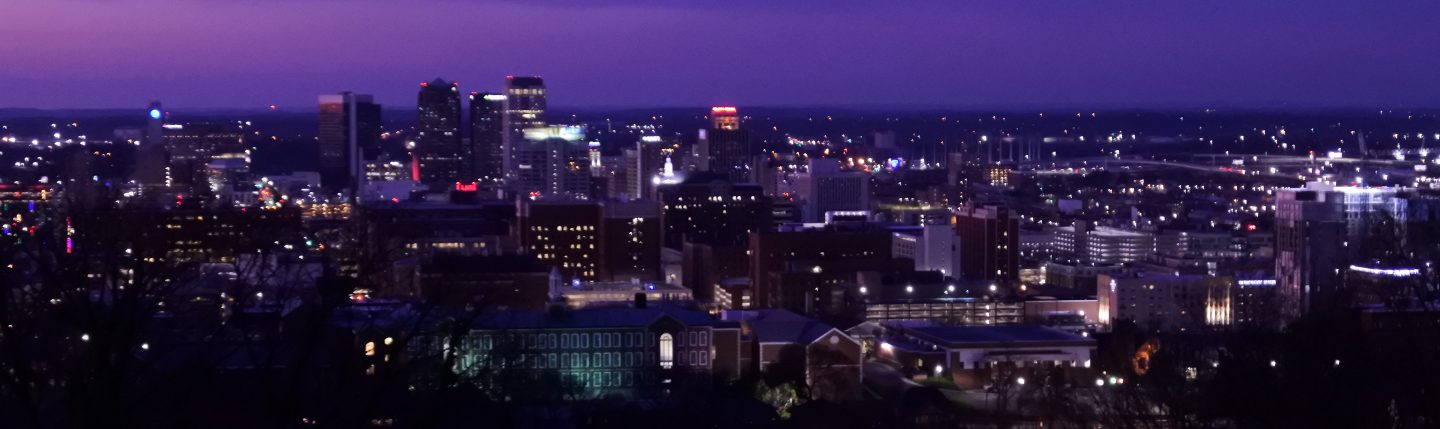
Dixieland- Lakeland’s first “Suburb”

Dixieland like East Lake Morton and South Lake Morton, also contains a historic district that was designated in 1994. The Dixieland neighborhood was originally an area of 160 acres developed by Henry Bascum Carter and C. W. Deen in 1907. IT was referred to by the local press as a fashionable Lakeland suburb. The neighborhood really started filling in during the Florida housing boom of the 1920s with development ending around WWII.

For Lakeland standards, this is a solid inner city district. But East Lake Morton and South Lake Morton are much better urban districts. Dixieland’s best assets are its proximity to Dwtn, housing affordability, decent retail and cultural amenities thanks to Florida Avenue, and low levels of crime and vacancy. Dixieland has even lower density than East Lake/South Lake Morton, mediocre transit access, limited rental housing, hit or miss sidewalk and ADA infrastructure, limited bike lanes, and few walkable schools. Like East Lake/South Morton, Dixieland would greatly benefit from increased density but a change in mindset towards less car dependency would also greatly benefit the district.
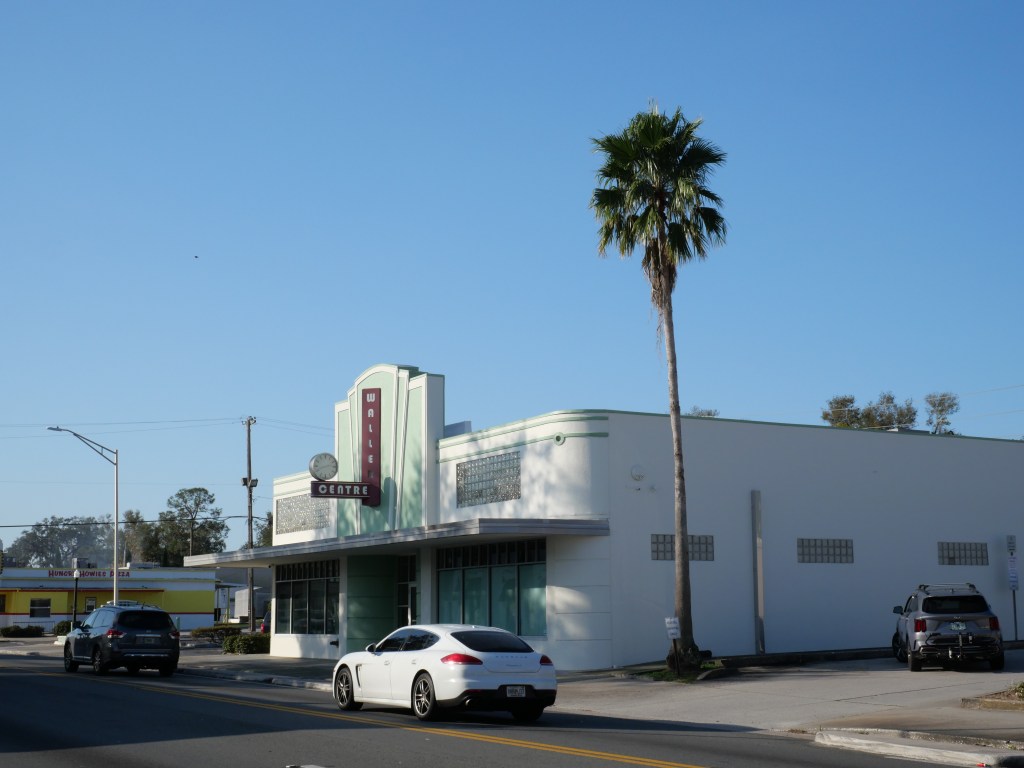
Click here to view my Dixieland Album on Flickr

URBAN STRENGTHS:

* Solid historic residential buildings from the early 20th century. Some decent historic commercial architecture too.
*  Decent tree canopy.
* Most residents are only 1 mile from Dwtn.
* While there are really no 1-beds available plenty of 2 & 3 bedrooms with a good amount of affordable options ranging btwn 100K-350K. 3 & 4 beds sell for btwn 200K-600K.
* Solid park amenities including a couple medium sized parks and a nice rec trail along Lake Hunter.
* Solid historic residential buildings from the early 20th century. Some decent historic commercial architecture too.
* Decent tree canopy.
* Ok cultural amenities including several restaurants & bars, a couple cafes and the Pink Piano Bar. Also convenient access to Dwtn’s cultural amenities.
* Decent Retail amenities include a drug store, some boutiques & gift stores, an antique store, a local bookstore, a couple dessert joints, a local gym & church, and a couple health centers.
* Some low level crime issues but overall a pretty safe community with limited vacancy.

URBAN WEAKNESSES:

* Ok public transit access. Better the closer one gets to Dwtn.
* Decent amount of rentals. Only a handful of 1-beds the rent around 1K. More 2-beds that lease in the 1Ks. 3-beds lease for around 2K. Really no dedicated affordable housing options in the district.
* 6.0 Sidewalk and ADA curb cuts are hit or miss with pedestrian infrastructure deteriorating the further west you go in the district.
* Bike infrastructure largely doesn’t exist.
* Not great walkable schools. Several elementary/middle schools but all located on the edge of the district with mixed rating. No walkable high school.
* Population density is more on par with a post WWII suburb. 
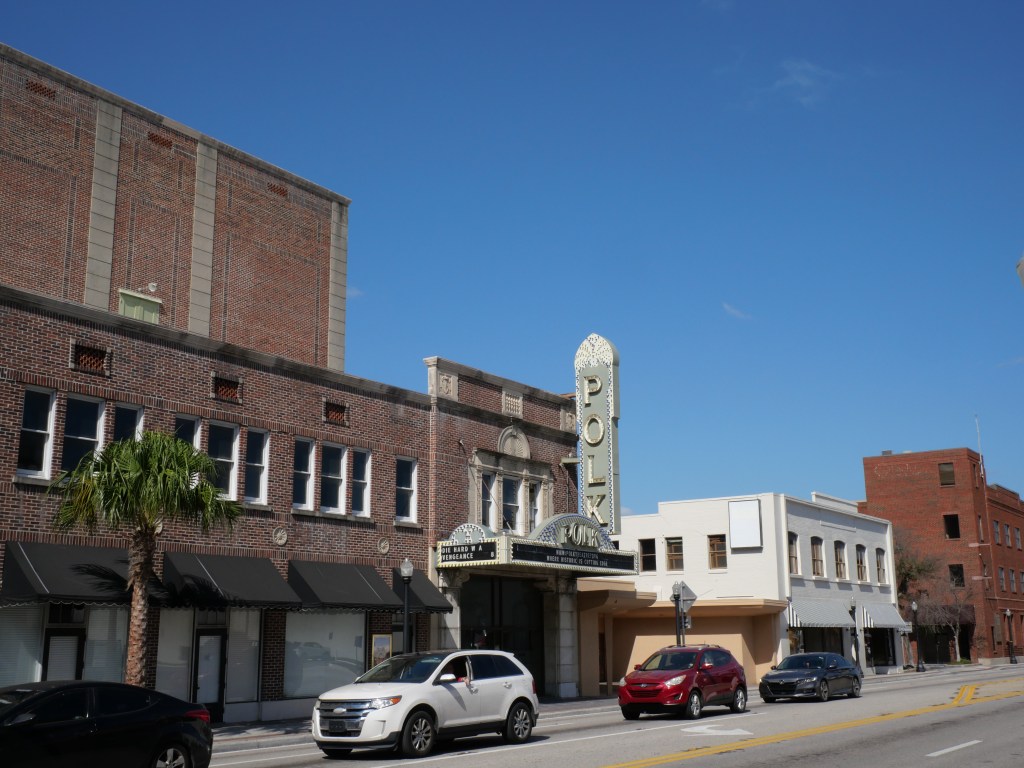
Downtown Lakeland, FL

My boundaries for Downtown Lakeland are a bit different than what google provides. I use route 563 as the western border, Walnut & Lake Morton as the southern, Iowa St and Lake Mirror as the eastern, and Barttow Rd as the northern.

Florida Ave is the main north-south street in Downtown Lakeland and probably the most important Dwtn throughfare. Its hit or miss, however, in terms of urban form. The best urban form are the blocks that surround Munn Park, a couple blocks of Pine St and several blocks of Kentucky north and south of Munn Park. The urban form generally is better the closer one is to Munn Park and Lake Mirror. Outside of these areas there are a lot of parking lots and quasi-urban blocks with limited street life.

Downtown Lakeland contains the City’s oldest structures and the highest concentration of historic commercial buildings. Given the City’s population was only 500 people in 1890, most historic structures are from the first half of the 20th century and many are from the 1920s when Florida hit its first building boom. The Terrace Hotel, Polk Theatre and Frances Langford Promenade are good examples of building and projects from this era. As Lakeland became a major US metro (above 500K) more mid sized office buildings sprung up in Downtown. Unfortunately this was also accompanied by buildings without great urban form and surface parking lots and parking garages. Like most American downtowns, Lakeland has a solid concentration of food & beverage businesses and decent cultural amenities. Downtown has also invested in quality sidewalk & ADA infrastructure and done a decent job preserving historic main street commercial buildings. But Downtown Lakeland needs a major influx of residents and office workers to be a truly vibrant downtown worthy of its Metropolitan size. There is also a lack of bike infrastructure, retail amenities, museums and theaters. University presence, government buildings, and major regional amenities.

Click here to view my Downtown Lakeland, FL photos on Flickr

URBAN STRENGTHS:

  • Excellent sidewalk and ADA curb cut infrastructure.
  • Solid grid dwtn and almost are the streets are two-way. Some wider streets but nothing too terrible for pedestrians except the two arterials running along the northern and western edges of Dwtn ( Bartow Rd & 563).
  • Solid economic and racial diversity indicators Dwtn.
  • Much of the main street historic commercial bldgs have been preserved with a sprinkling of mid-sized antique skyscrapers.
  • Solid school options located within and nearby Dwtn but not a ton, esp. private school options.
  • Nice Civic Park (Munn Park) which is surrounded by some nice Main Street fabric. This ties in nicely to Lake Mirror a block away with a well designed promenade ringing it. But only a handful of other parks outside of these.
  • This is by all accounts a very safe Downtown.
  • Large Civic Complex/Convention Center “”the Lakeland Center”” located on the western edge of Dwtn. This also includes a sports arena.
  • Good cultural amenities (esp. near Munn Park) including plenty of restaurants, bars, cafes, several art galleries, a of couple theaters.
  • Low office vacancy rates in Dwtn Lakeland and generally low vacancies overall.

URBAN WEAKNESSES:

  • Small core of good public transit within Downtown down to the South Lake Morton Historic District. Public transit quickly drops off in surrounding districts to levels typical of suburbs. Also 1.5 hour bus trip between Dwtn Lakeland and Downtown Winter Haven.
  • Mostly parking lots on the western 3rd of dwtn west of Florida Ave.
  • Some longer bike connections but overall a pretty terrible bike system which only marginally gets better in and around dwtn Lakeland. Also no biking sharing system. It closed in 2025.
  • Unimpressive skyline. Some decent mid sized buildings but nothing too distinctive or unique.
  • Not a lot of housing product (both rental and for sale). Available rentals are pretty on point for American downtowns.
  • Some decent pedestrian activity around Lake Mirror and Munn Park but this quickly drops off.
  • No colleges or universities within Downtown Lakeland but Florida Southern with an enrollment of 3K is about a mile south. A couple other smaller colleges about 2-3 miles from Downtown.
  • Only a handful of courts and government bldgs in Dwtn Lakeland.
  • Really no museums/botanical gardens located within Dwtn but a couple on the edge of it or 1-2 miles away.
  • Limited downtown employment especially for a metro of nearly 900K.
  • Some good retail amenities (esp. along Kentucky Ave and around Munn Park) including boutiques, gift stores, dessert shops, a Dwtn post office, several salons & barbershops, a handful of doctor’s offices and several churches. But this is very underwhelming for a Downtown in a major US metro.”