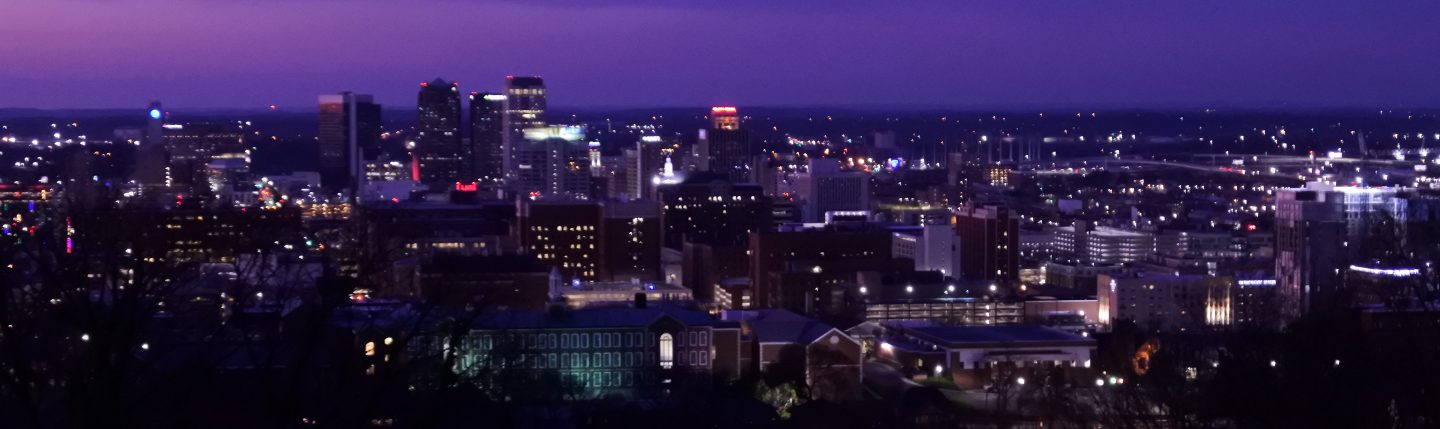
Soho’s development really got started in the late 17th century by the Earls of Leicester and Portland who hoped that Soho would become an upper-class estate comparable to Bloomsbury, Marylebone and Mayfair. This started with the construction of terraces around Soho Square in the 1680s. However the neighborhood quickly became a hub of immigrants, especially the French Huguenots, who arrived mainly after the late 1680s giving London its first French quarter. Really only two squares surrounded by terraced housing were constructed and the aristocracy mostly moved away by the mid-19th century, with a cholera outbreak in the district being the last straw. By 20th century Soho had become the centre of London’s nightlife and a major hub for the higherend sex industry thanks to Soho’s’ proximity to wealthy west end London districts. But after WWII Soho had a particularly seedy character as a place filled with petty criminals and brothels/strip clubs. Simultaneously, Soho became the hub of London’s counter-cultural movement in the 1960s with Carnaby Street becoming a hub for hippie fashion and London’s underground music scene. But as with most of Central London, Soho become popular and gentrification really took off in the 1980s. Modern day Soho very much feels like London’s Version of time square with its plethora of theaters, Broadway shows, high end shops, and swarms of tourist. Sadly Soho has become a victim of its own success and its popularity has let it to become overrun by Air BnBs. Soho’s current fulltime population hovers around 2K residents down from its historic high of 30K.
London’s Chinatown is located just south of Soho filling the blocks between Shaftesbury and Leister Square. Chinatown’s emergence didn’t occur until the early 20th century and the bombings during WWII really prevented it from expanding. Leister Square was developed in 1670s as high-end residence, but as with Soho it lost its aristocratic luster and was converted into shopping with theaters emerging in the early 1800s. Trafalgar Square was created in the 1840s as a redevelopment of the Kings Mew’s (royal stables) and built in commemoration of the Naval Battle of Trafalgar of 1805. The square hosts many celebrations but also protests and demonstrations.
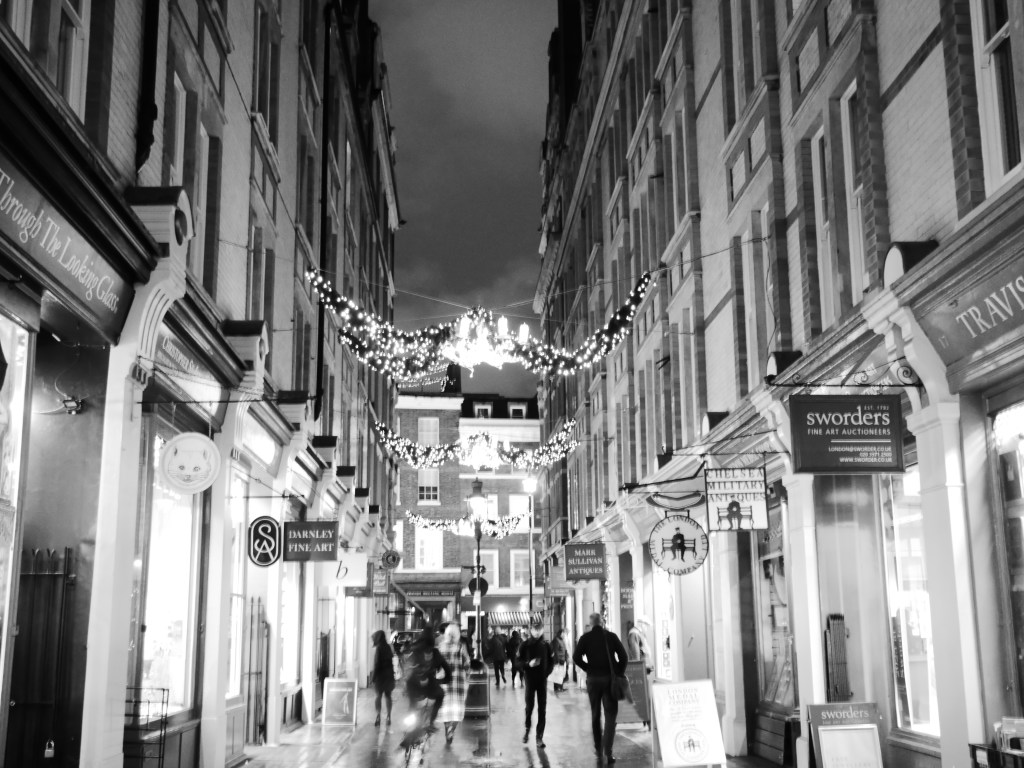
Because Soho did not become a district of the rich historically, it has a much more compact feel with more stripped down Georgian architecture more akin to Marylebone or the older districts in East London (i.e. Farrington, Spitalfields). Even with its over tourism, loud nightlife, and low permanent residential population, Soho is still a great urban district thanks to its walkability, cultural and retail amenities, and assess to Central London. Hopefully with better regulation, the Air BnB problem can be held in check and Soho can once again become a district with a strong permanent community again.
Click here to view my Soho album and Chinatown
URBAN STRENGTHS:
- Several very famous landmarks here including Leicester Square, the National Gallery, the National Portrait Gallery, Trafalgar Square, Piccadilly Circus, and Oxford Circus.
- Several famous commercial streets as well (i.e. Carnaby St, Oxford St, Regent St, and Shaftesbury)
- Soho Gardens and Golden Square are a pair of lovely gardens and thankfully open to the public.
- Great historic regal architecture throughout.
- Most of the district hosts a great mixed-use fabric and several narrow pedestrian scale streets stand out (i.e. Argyll St, Ganton, Kingley, Newburgh, Foubert’s Pl, Wardour).
- Better bike infrastructure than most central neighborhoods but still not great.
- Great public transit access including 6 metro stops and 6 lines.
- Wonderful array of historic architecture even outside of the historic landmarks from the 18th-20th centuries.
- Excellent Pedestrian streets around Leister Square
- The sub district of Chinatown is small but packs a strong punch and is very pedestrian friendly.
- This is the heart of the Westend Theater district, esp. concentrated along Shaftesbury Ave. Also many Cinemas in SoHo, likely the highest concentration in central London. Other cultural amenities include tons of restaurants & bars, many live music venues & art galleries.
- Solid retail amenities including plenty of department stores even though the fulltime population is small.
URBAN WEAKNESSES:
- Better bike infrastructure than most central neighborhoods but still not great.
- Tree canopy is very limited
- Population has drastically declined since WWII when the SoHo district had about 30K. It is now down to 2K due to lots of noise from the neighborhood’s raucous nightlife and more and more Air BnB units coming into the district.

