Saint Jame’s namesake came from the area’s dedication of a 12th-century leper hospital to Saint James the Less.The hospital site was eventually rebuilt as St James’s Palace and it gardens and parks. Even to this day much of the neighborhood is still owned by the Crown Estate and due to its proximity to Buckingham Palace, St. James place remained one of London’s most important addresses for the British Aristocracy through WWII. Development came to St James place at the turn of the 17th century, filling in by the middle of the 1700s. Regal homes for the aristocracy were built and the neighborhood became the home to many of 19th century London’s famous gentlemen’s clubs. Not surprisingly the Saint James Neighborhood holds many of London’s greatest landmark buildings and parks and is still a home to the wealthy.
Given its proximity to the West end and Central London and wealth of parks and cultural amenities, this is an outstanding urban district, if you can afford it. Several coroporate headquarters (i.e. BP and Rio Tinto) are also located here giving the district a very vibrant daytime population to augment its solid population density. St. James hosts solid retail amenities (especially clothing & department stores and several shopping malls) but its retail amenities tend to cater to the rich and are less diverse than other Central London neighborhoods.
Click here to view my St. Jame’s Album on Flickr
URBAN STRENGTHS:
* Great landmarks including the Admiralty Arch, St. James Square, St. James Palace, St. James Picadilly, Marlborough House Gardens, Buckingham Palace, Burlington Arcade, Picadilly Circus, His Majesty’s Theatre, Haymarket Theatre, the Riz, and St. James Park to name a few.
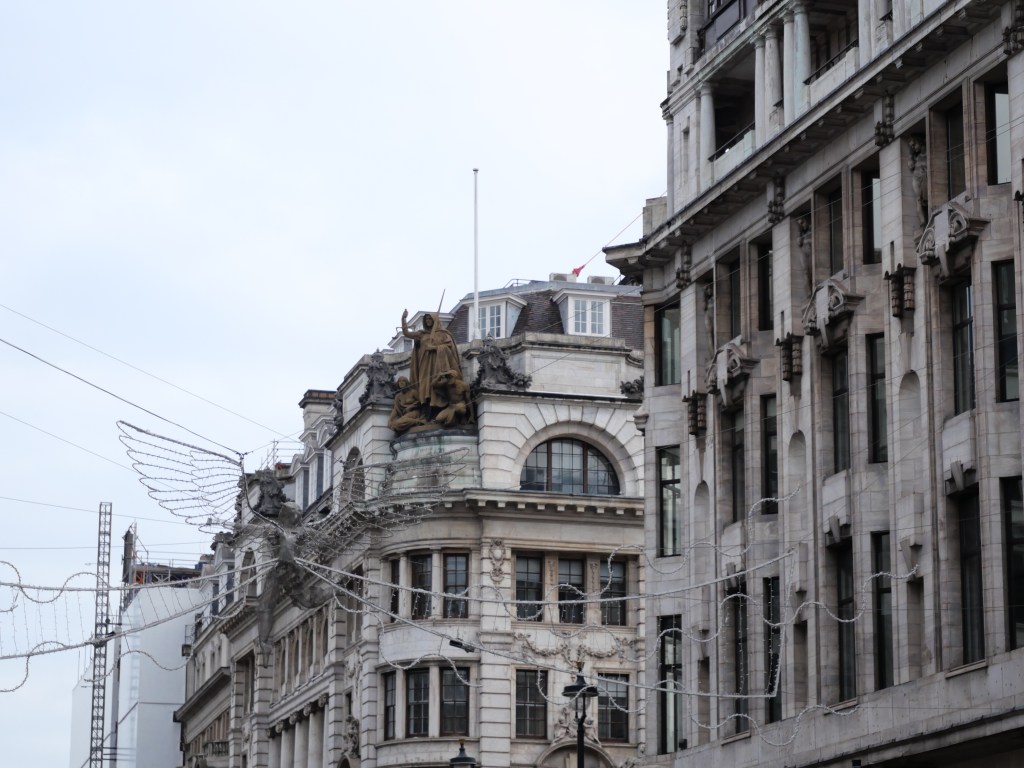
* Several grand Blvds and roads including St. James Street, Pall Mall, the Mall, and my favorite regal street Saint James lined with incredible ornate bldgs w/ several elegant monuments in the center.
* Picadilly and Haymarket are the main commercial streets but are also very touristy and busy.
* Jermyn Street is a much more intimate biz district located just a block from Picadilly St with upmarket retail best known for shirtmakers and shops offering the finest gentlemen’s attire. Crown Passage is a really interesting narrow pedestiran street off of Pall Mall and is home to the Red Lion, one of the oldest pubs.
* Incredible regal historic architecture throughout and lots of high end stores.
* Great concentration of museums, gardens, and Historic Houses. Also plenty of restaurants, bars, cafes, private art galleries, theaters, and cinemas.
* Well served by the expansive Green Park and St. James Park but sadly St. James Square is private and is lined by many walled gardens that are either private or part of a museum or historic house.
* This small district is well served by public transit including 3 subways stations and 3 metro lines.
* Solid density at around 40K per square mile.
* The St. James’s has a large daytime population due to it hosting the corporate headquarters of BP, Rio Tinto and many private members’ clubs.
URBAN WEAKNESSES:
* Very expensive place to live and very touristy.
* St. James lacks many intimate biz districts but still manages to be pretty mixed-use throughout.
* Outside of the parkspace and wall gardens the tree canopy is pretty limited in St. James.
* Bike lane infrastructure is basically non-existent in St. James.
* Decent retail amenites but not as good other most central London neighborhoods. Good array of Department & clothing stores, tons of book stores, several arcade shopping malls along Picadilly, lots of dessert joints & bakeries, but only a handful of grocery options & pharmacies.

