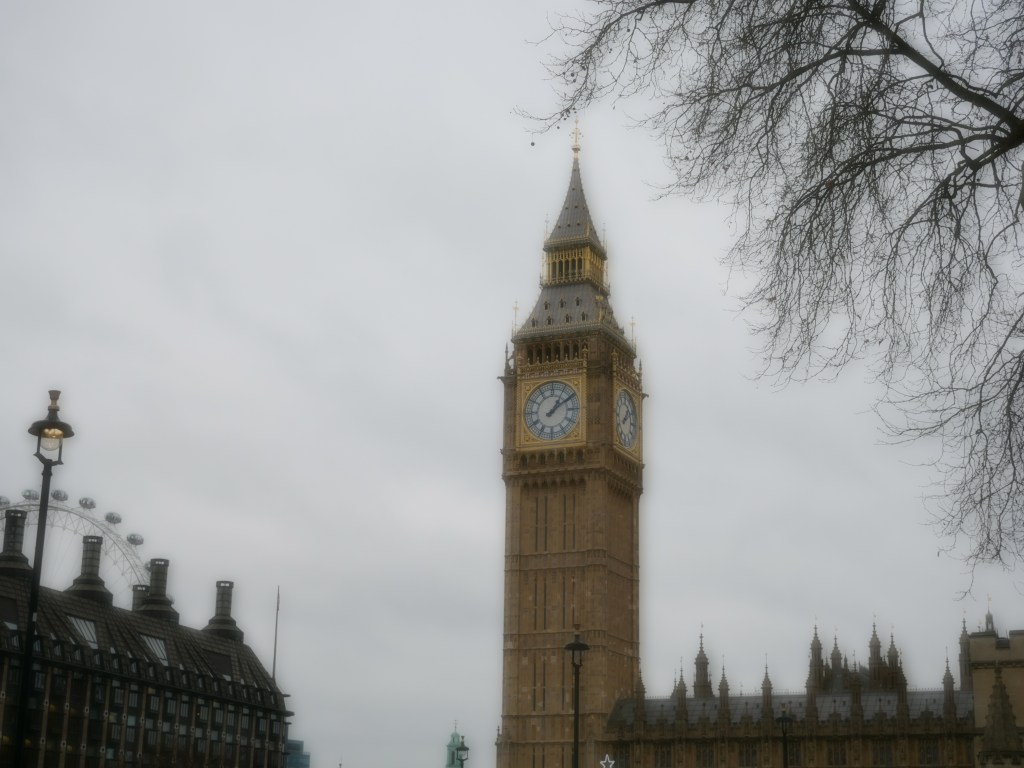
This evaluation includes the much smaller Westminster neighborhood which is part of the larger Westminster Borough. The neighborhood runs along the southern end of St. James Park from Trafalgar Square to Vauxhall Bridge. Development of the area began with the establishment of Westminster Abbey in 1066. The abbey became the traditional venue of the coronations of the kings and queens of England since its beginning. Starting in 1200 the Palace of Westminster, next to the abbey, became the principal royal residence. Gradually the neighborhood started to fill in with the servants of the palace and abbey and homes from the Aristocracy popped up from their desire to be close to the Palace. Development of Westminster really started to pick up after the Great Fire of 1666 connecting to London City via the urban ribbon development running along the Strand. By the mid-18th century the neighborhood was built out. A wide array of architectural styles, however, are present in Westminster, even those built after the mid-18th century. This is due to several small urban renewal/slum clearance projects of the late 19th century (i.e. Devil Acre) and many areas rebuilt in the post War Period due to the destruction of the Blitz. The medieval Westminster Palace was rebuilt in the mid 19th century after a devastation fire leaving us with the gorgeous Neo-Gothic structure which houses the British Parliament to this today.
I would divide the Westminster neighborhood into 3 parts. There is the very tourist sector filled with monumental and government building stretching from Trafalgar Square to Westminster Abbey. The CBD section running along Victoria Avenue from Westminster Abbey to Victoria Station. And finally the mostly residential section comprising about the southern half of the neighborhood with an eclectic mix of housing from the 1800s to the present day. From an urban perspective Westminster is a solid neighborhood from all measures but not one of my favorite London Districts due to a lack of exciting commercial districts, over tourism in certain sectors, and a bit lackluster architecture stock, including a significant amount of rather bland modern and post WWII housing. All that said the neighborhood still boasts excellent subway access, lies on the southern end of one of London’s best parks (St. James) and includes some vibrant urban nodes (i.e. Victoria Station, and Strutton Ground) and hosts several great museums, theaters, and historic sites.
Click here to view my Westminster Album on Flickr
URBAN STRENGTHS:
- Several quality green spaces (i.e. Green Smith Square, Victoria Tower Gardens South, Victorian Embankment Ecclestone Square Park, Warwick Square, St. George’s Square, Parliament Square Garden, St, John’s Garden, Grosvenor Garden).
- Great historic sites: Big Ben, Westminster, Westminster (Catholic) Cathedral, Admiralty House, Royal Horse Guards, Sinfonia Smith Square, Admiralty Arch, Downing Street, Banqueting House, Scotland Yard (historic and new), Tate Britain, The Royal Mews, Buckingham Palace, Victoria Palace Theater
- Strutton Ground hosts an attractive pedestrian only block.
- Mix of excellent historic architecture and some good urban in-fill.
- Major modern Office corridor along Victoria St culminating at the Victoria St Subway node.
- Solid cultural amenities including plenty of food & beverage venues, several theaters, performing arts & event venues, several museums. Good retail amenities as well.
- Great metro access including 6 metro stations and 5 lines.
URBAN WEAKNESSES:
* Very touristy district.
* Really no consistent business corridor and premiere shopping street in Westminster. But there is decent Mixed-use development throughout and a couple of solid nodes (i.e. Strutton Ground and Victoria Station which includes a shopping mall (Cardinal Place).
* Bike lanes are pretty limited and what do existin are in small segments.
* Better tree canopy that most Central London Districts.
* Outside of the major landmarks architecture is a bit lackluster with a lot of bland post War buildings mixed into more ornate late 19th century terraces and flats.

