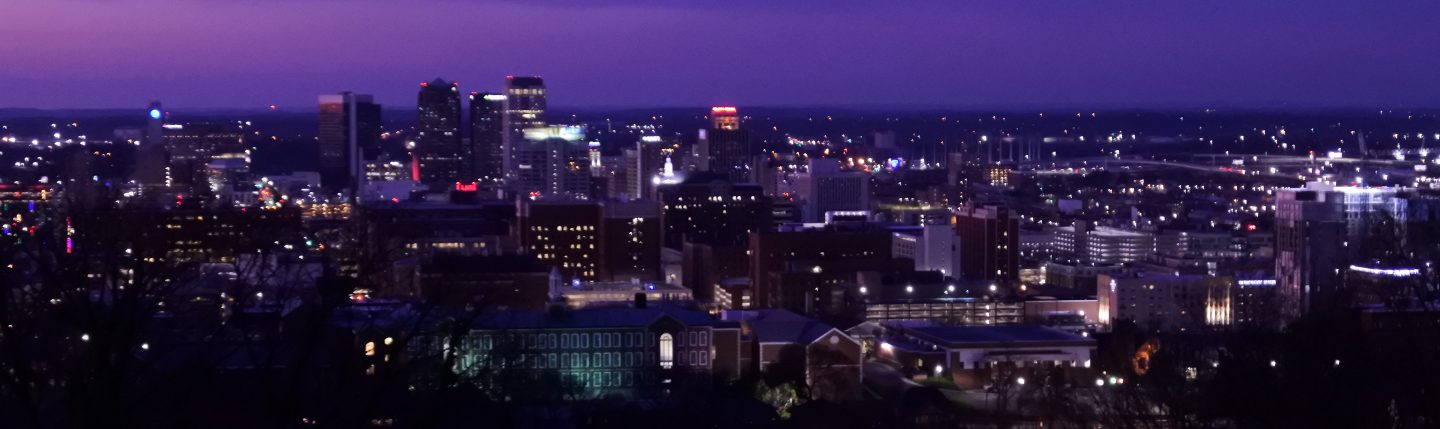
Richmond was founded following the completion of Richmond Palace in the early 16th century. Richmond remained mostly agricultural until the 18th century when several large mansions were constructed and the district began to become fashionable. Development expanded with the late 18th century with the construction of the Richmond Bridge connecting the two banks of the Thames, adding many Georgian terraces to the neighborhood, particularly around Richmond Green and on Richmond Hill. By the mid 19th century Richmond was connected to Central London via the Richmond Railway, leading to further densification and development, especially along Kew/George St, Richmond Green, and Hill St. Richmond continued to fill in throughout the late 19th and early 20th centuries leading to several additional business districts and nodes (Sheed Rd, Friar Stile, Sandy Combe/Kew Gardens). Southern Richmond is the newest part of the district and was mostly built post-war and has a distinctively suburban character compared to the rest of Richmond.
From an urban perspective, Central Richmond is the most urban and mixed-use. Richmond Square is actually where many scenes from Ted Lasso were filmed and has a couple quaint pedestrian commercial streets feeding into it along with convenient access to the main George/Kew Rd biz district and several other commercial streets. This is also where the Richmond Station is located and many 18th century mansions. The district around Kew Gardens is a comfortable late 19th century London district but nothing particularly unique about it other than its proximity to Kew Gardens, arguably the best Botanical Garden complex in the World. Richmond excels with a high concentration of Museums, historic homes, theaters, restaurants & bars and excellent retail amenities. The district also hosts a solid bike network, great tree canopy, and excellent parks. The biggest downsides of Richmond includes its distances from Central London (50 min-60 mins via the tube), several highly tracked roads, and lower density in pockets creating some parts of the neighborhood that are particularly walkable.

Click here to view my Richmond Album on Flickr
URBAN STRENGTHS:
- George/Kew Rd is the most extensive biz district running north-south in Central Richmond. Sheen Rd, Friar Stile, Hill Street, King St are solid secondary biz district in Central Richmond. Paved Ct and Brewers Ln are lovely alleyway biz districts that feed into Richmond Green featured in the Ted Lasso series.
- Sandycombe and the node around Kew Gardens station comprise the main biz districts of northern Richmond.
- Several iconic landmarks and destinations fill Richmond including: Kew Gardens, Richmond Green, Ham House and Garden, Richmond Palace, Trumpeter’s House, Museum of Richmond, the National Archives, the King’s Observatory, and Richmond Theatre.
- Solid cultural amenities especially in Central Richmond including Kew Gardens, several museums (including many historic mansions), several theatres and cinemas, plenty of bars, restaurants, and cafes, a handful of art galleries.
- Great retail amenities especially concentrated in Central Richmond including tons of clothing stores/boutiques, dessert joins, plenty of supermarkets & drug stores, plenty of bookstores and floral shops. Also larger big box stores in the suburban style Kew Retail Park along the northern edge of Richmond
- Great park access in Richmond including several large parks: North Sheen Cemetery, Richmond Park, Hams Land, Beaufort Court, Ham Common, Richmond Cemetery and several other small-medium park spaces.
- Good bike & recreational lane infrastructure especially along the Thames River.
- Lovely array of late 19th-early 20th century architecture styles (duplexes, rowhouses, townhouses, apts, and single family homes detached esp. in the northern and southern Richmond subdistricts. Also some post War housing mixed in (esp. in Southern Richmond) and a major redevelopment site along the northern edge of Richmond running along the Thames.
- Great tree canopy.
URBAN WEAKNESSES:
- Good transit access in the northern half of Richmond include two tube stations and two regional rail stations. The southern half of Richmond however has no train access and it shows with the neighborhood’s more suburban character.
- Southern Richmond is newer with lower density than the rest of Richmond and really no well defined biz nodes nor corridors. Some walkable retail in Northern Richmond but much more limited than Central Richmond.
- Lower Richmond Rd is basically a stroad and very car friendly.
- So so population density at just over 10K residents per square mile.
- About a 1 hour train ride to get to the City of London. A bit closer to the West End.”


