In the centuries before Chelsea was built out in the 1600s and 1700s, Chelsea was a popular location for the wealthy and a market garden, described as “a village of palaces”. By 1700 it had a population of 3,000. The 19th-century development boom caused Chelsea’s final absorption as an urban district into the London metropolis. Development occurred in stages generally from east to west starting in the 1830s and wrapping up by the 1890s. King’s Road, named after Charles II, was historically used as the King’s private road from St James’s Palace to Fulham, which was maintained until the reign of George IV. During the 19th century Chelsea’s gained a reputation as a centre of innovation and influence when the area became a more upscale Victorian artists’ colony (especially for the Pre-Raphaelite movement). Artists were concentrated in the area around Cheyne Walk & Cheyne Row. Chelsea’s was also one of the centers of the “Swinging London” along King’s Road of the 1960s, when prices were reasonable. The district was once home to the Beatles and several Rolling Stones members. By the 1980s Chelsea was in demand again and prices and continued to rise making the district one of London’s most in demand neighborhoods.
Chelsea is certainly a solid urban district but I would not count it as a top tier London district due to its modest density, somewhat limited metro access, and limited bike infrastructure. Chelsea’s best asset is King street which cuts the length neighborhood from east to west, one of London’ best urban business districts. Chelsea also has great historic 19th century rowhouse/terrace house architecture, several small commercial nodes and mixed-use areas, great park access, solid tree canopy, and many iconic landmarks. The lengthy King Street also provides excellent retail and cultural amenities especially high end stores, restaurants, bars, and art galleries. And while housing prices are very high there are a good percentage of social housing units coming in at around 20% of all districts units.
Click here to view my Chelsea Album on Flickr
URBAN STRENGTHS:
* King’s Road is a great biz district and one of the most expansive in London. Fulham Rd is also a lengthy biz district but not quite as commercial as King St. Some great biz nodes at Sloane Square, Chelsea Common, and a block of Beauchamp.
* Nice ped only street on Pavilion.
* Great historic terraces.
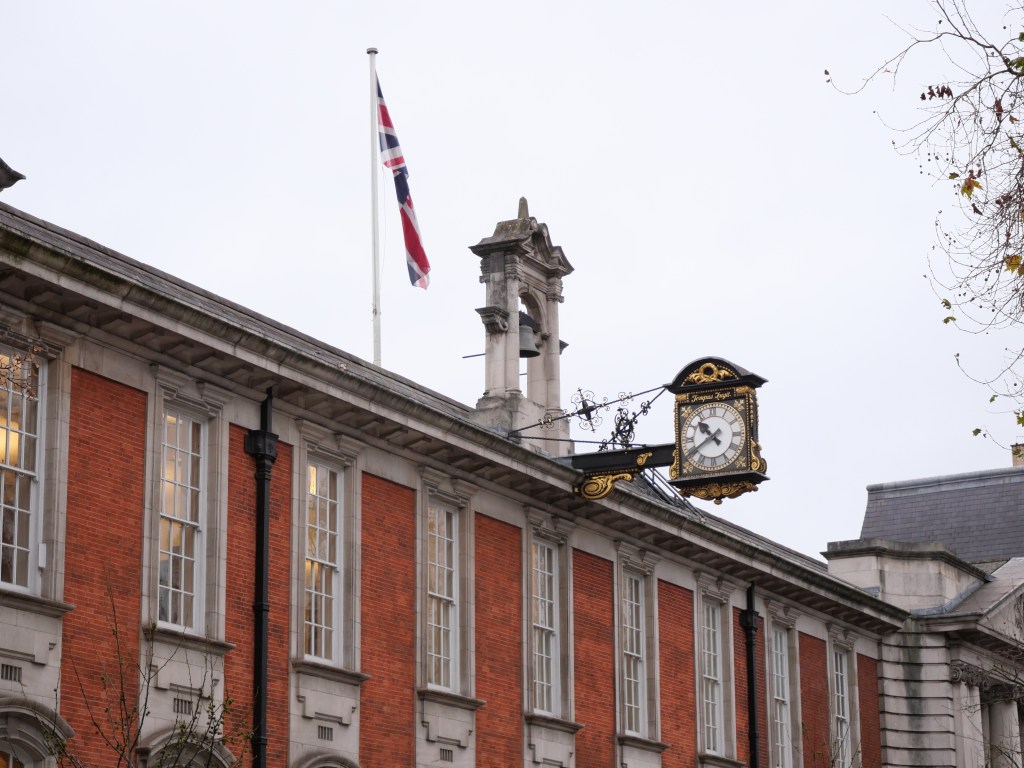
*Landmarks: Royal Hospital Chelsea, Chelsea Old Town Hall, Saatchi Gallery, Chelsea Old Church, Chelsea Bridge,
* Parks: Chelsea Embankments, Cremorne Gardens, Westfield Park, Coleridge Square, Dovehouse Square, St. Luke’s Gardens and Sloan Square. Also decent access to Hyde Park/Kensington Gardens about a mile to the north.
* Excellent cultural amenities including tons of restaurants, bars, & cafes, a ton of art galleries, a handful of museums, plenty of historic sites, and a handful of live music venues, theaters, and indie movie theaters.
* Great retail amenities especially high end boutiques and clothing stores.
* While the mid-late 19th century architecture in Chelsea is not as ornate or posh as other West London Districts its still very charming.
* Pretty decent tree canopy. While the many parks and gardens certainly contribute to this, more interior courtyards areas dedicated to green space than West/Central London districts which is prob why the density is below 20K residents per square mile in Chelsea.
* About 20% of housing units are social housing.
URBAN WEAKNESSES:
* One of the larger neighborhoods in London but population density is only around 17K people per square mile.
* Limited bike lane infrastructure and what does exist is smaller segments.
* Only the northeast corner is covered by the London Tube which includes 2 metro stations and 2 subway lines. One subway station about 1/4 west of Chelsea.


