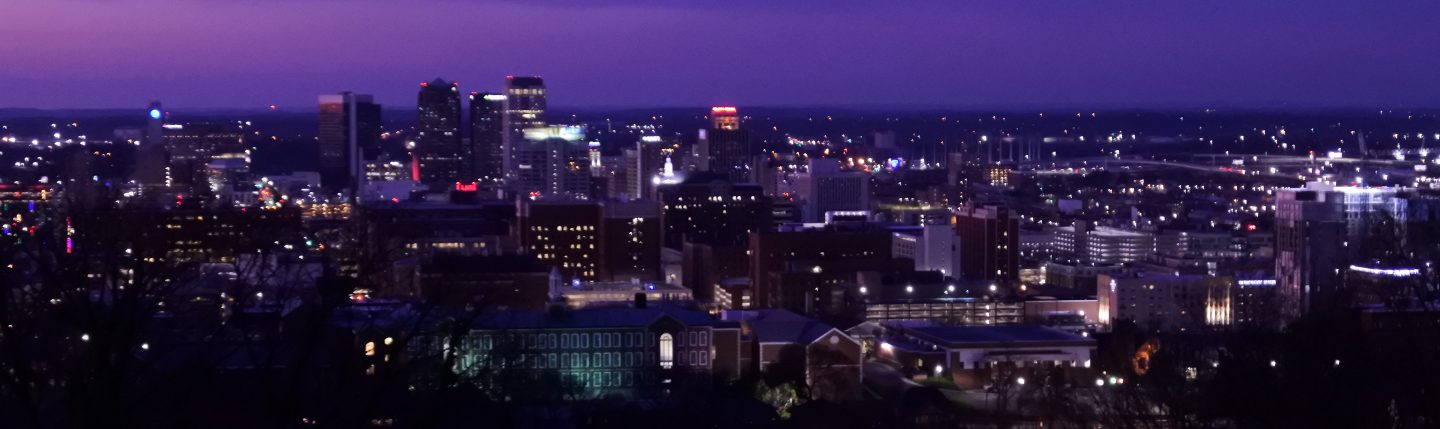
Notting Hill remained rural until London’s westward expansion reached Bayswater by the early 19th century. The first major development started in the 1820s by the Ladbroke family who created the Ladbroke Estate. The estate was a unique creation of large private communal gardens enclosed by terraces and/or crescents of houses. What made the Ladbroke Estates unique was that residents had direct access to communal garden squares from the back of their homes instead of needing to cross the street from the front of their house to enter a square garden. This created a much more hidden and secluded green space which only the terrace home owners could enjoy. This is a whole other level of exclusion than the West End squared gardens.
The Ladbroke estate were not an immediate success for the richest Londoners given their relative distance from Central London. The aristocracy still remained in neighborhoods like Mayfair/Belgravia by and large. Instead, the upper middle class choose to move in which is well covered in the John Galsworthy’s Forsyte Saga novels. Most of Notting Hill was developed by the mid-19th century but a sliver along the northern edge was developed a couple decades later. The reputation of the district waned in the 20th century as the upper middle-class households ceased to employ servants devaluing the large Notting Hill homes. This led to the grand houses being increasingly broken up into small apartments. During the Blitz a number of buildings were damaged or destroyed by the Luftwaffe and much of the western edge of was rebuilt. Post War Notting Hill became a major hub for London’s immigrant community especially from the Caribbean and Ireland. Unfortunately many of these immigrants were squeezed into slumlord run housing and racial tensions flared culminating in 1958 with the Notting Hill race riots. Eventually the community organized to improve the neighborhood’s substandard housing conditions creating the Notting Hill Housing Trust in 1963. Gradually Notting Hill stabilized and by the 1980s many terraced housing units were converted back to single-family. By the early 21st century Notting Hill was squarely an affluent and fashionable area similar to London’s West End Communities. Sadly this created major demographic changes in the neighborhood. From just 2000 to 2010 Notting Hill’s Black or Irish population decreased from 46 to 28 percent of the district’s population. Thankfully about 20% of all housing units are Social Housing, so even with the district’s gentrification, it will always have a working class, diverse presence.
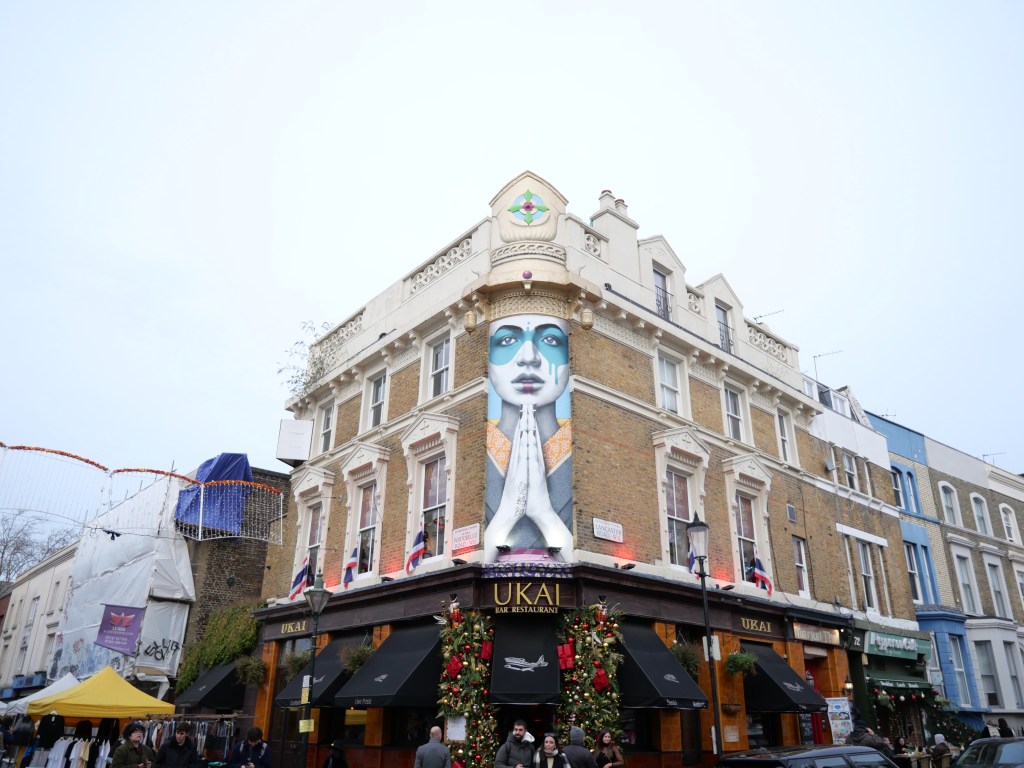
Notting Hill has some of London’s best urban business districts (Portobello Rd and Westbourne Grove). Portobello road hosts a local street market that closes down the street 6 days a week. Westbourne Grove is a colorful vibrant district with an amazing number of retail and clothing stores. Notting Hill also has great public transit access, attractive 19th century architecture styles, excellent retail and cultural amenities, and well shaded streets. The biggest downside is access. You are 30 mins and 50 mins from the West End and City of London, respectively via the Tube. This is better than most districts in the London metro but not great compared to other inner city London Neighborhoods. While there are several small-medium sized parks in the western third of Notting Hill, many park spaces are privately held and inaccessible.
Click here to view my Notting Hill Album on Flickr
URBAN STRENGTHS:
- The center of Notting Hill is filled with gorgeous historic terraces with generous private parks. The western third of Notting Hill is an eclectic mix of mid-late 19th century styles and a decent amount of post War housing. The eastern third of Notting Hill has a nice of mix of mid-19th century styles including Georgian & Regency Terraced rowhouses, side by side grand duplexes.
- Several great biz districts across Notting Hill including: parts of Pembridge Rd, All Saints Rd, with Westbourne Grove and Portobello as the most extensive biz districts (Portobello Rd hosts the Portobello Street Market, a plethora of street vendors, giving the street an outdoor market feel). While the western half of Notting Hill does not have any extensive commercial streets, there are a lot of great small mixed-use nodes.
- Great access to the London Tube including 6 stations and 6 metro lines.
- Good tree canopy even including street trees, which is rare in Central London and some districts in the West End.
- Excellent cultural amenities, especially restaurants, bars, theaters, live music venues and night clubs.
- Great retail amenities especially higher end stores, clothing stores, and plenty of grocery options.
URBAN WEAKNESSES:
- Good array of smaller parks in the western half Notting Hill but all the greenspace in central Notting Hill coming off of Ladbroke Grove is a sunken private park space. Very limited greenspaces in eastern Notting Hill”* Nice north to south bike lane cutting through the heart of Notting Hill but not much else in the biking network..
- Not great density for an inner city neighborhood in London at just around 10K people pers square mile.
- Lacks the museums of Central and West End London. Also limited art galleries here.”


